Tag: us navy
143 articles

Navy Receives First C-130J for E-130J Phoenix II Communications Fleet
The delivery of the first C-130J Hercules airframe marks a major milestone in the Navy's strategic deterrence posture, with Lockheed Martin handing over the aircraft at its Marietta facility on October 15, 2026. This new airframe is the foundation for the future E-130J Phoenix II communications fleet.
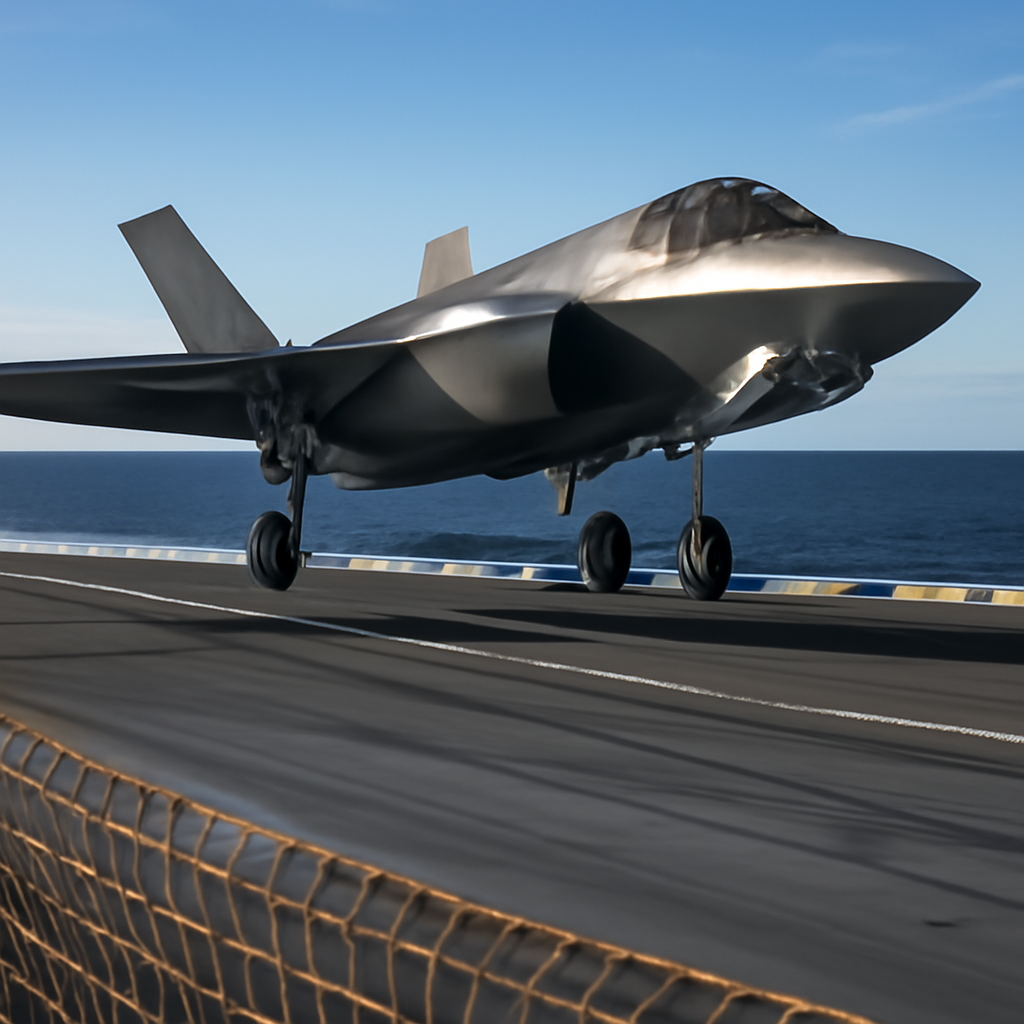
F-35C Achieves Milestone Arrested Landing on Ford-Class Carrier
The F-35C made history with its first-ever arrested landing on a Ford-class carrier, the future USS John F. Kennedy, marking a major milestone in at-sea testing. This groundbreaking achievement was accomplished by two F-35C test pilots during Aircraft Compatibility Testing in the Western Atlantic.
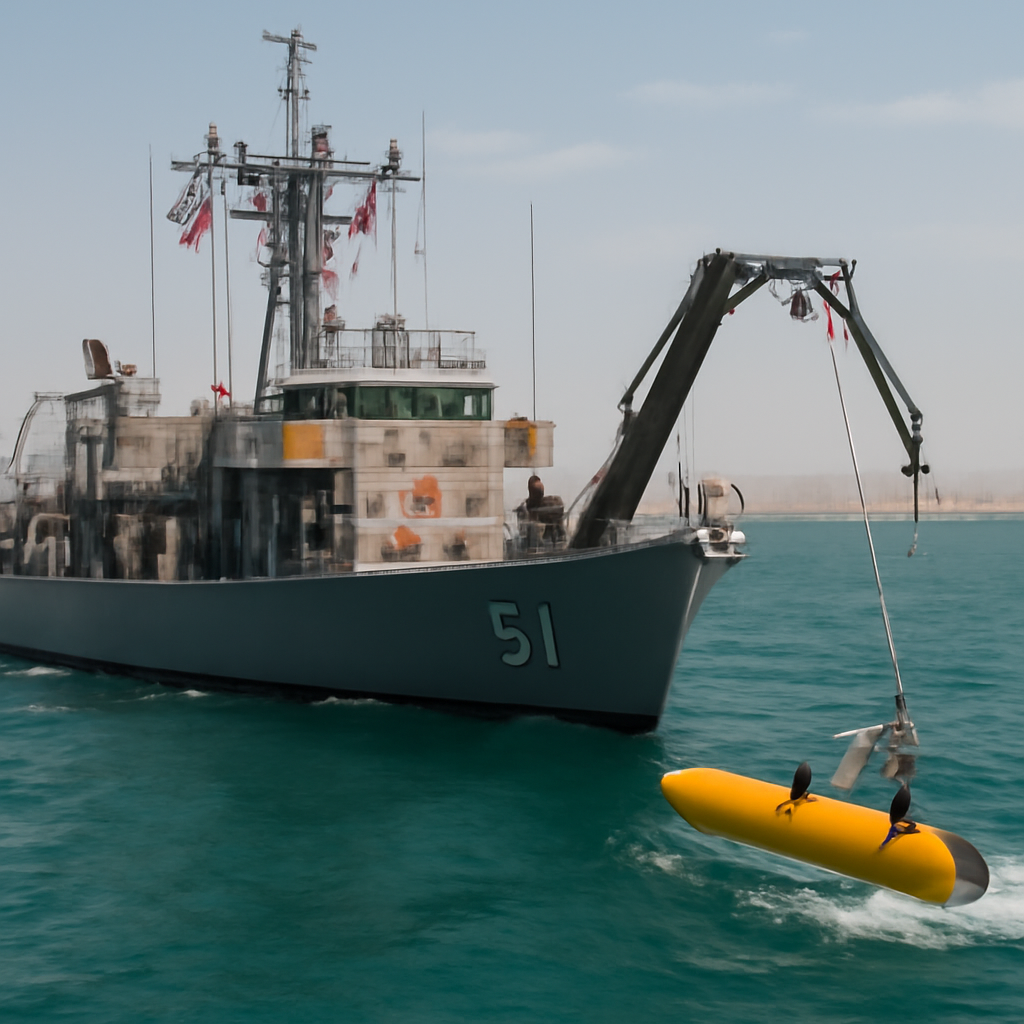
US Navy Shifts Mine Hunting to Robot Fleet
Maritime mines can bring traffic to a grinding halt in critical waterways like the Strait of Hormuz and South China Sea, simply by being present or even just a threat, with just a few strategically placed mines enough to block a channel. This potent threat to both military and commercial vessels is prompting a game-changing response from the US Navy.
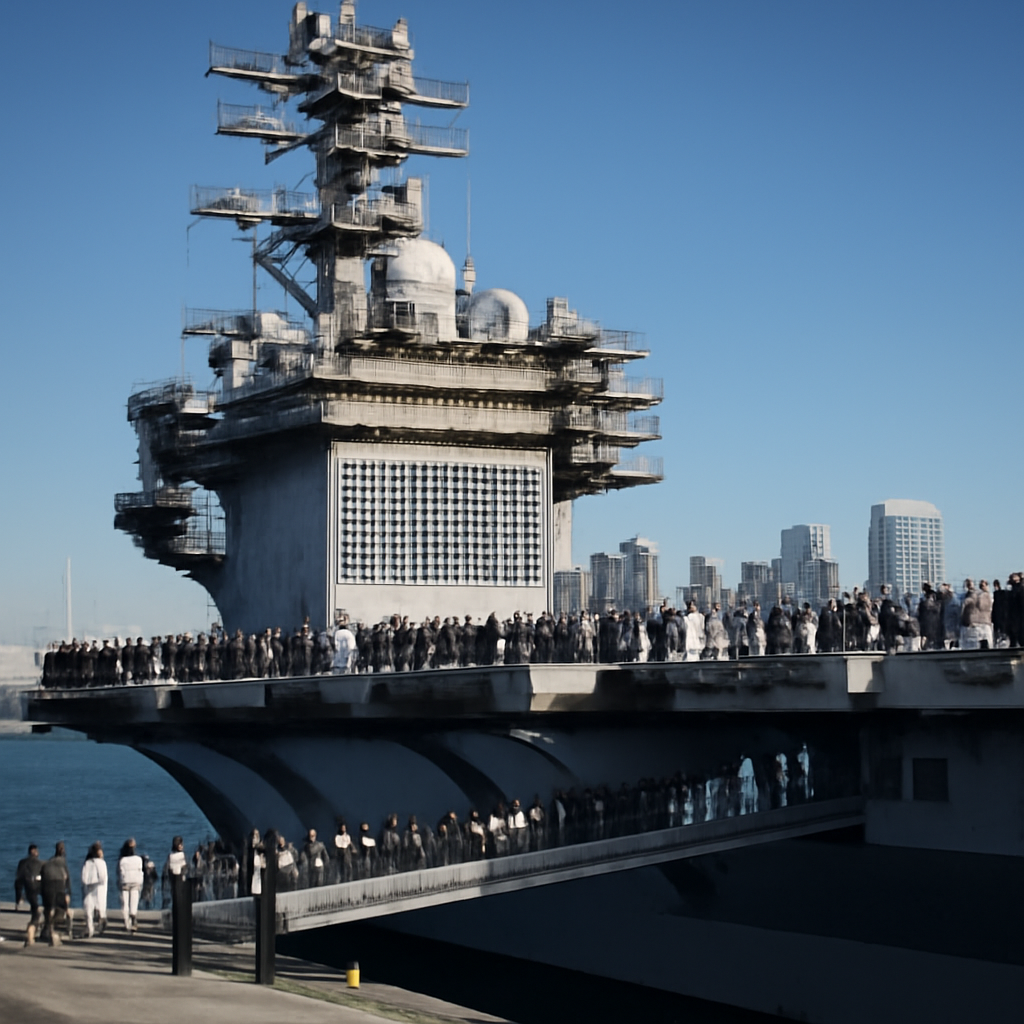
USS Abraham Lincoln Returns Home With 103 Drone, 34 Ship Kill Marks
The USS Abraham Lincoln's triumphant return home marks the end of an epic mission, with an impressive 103 drone and 34 ship kill marks to its name. Secretary Pete Hegseth praised the crew, saying a few in the media had tried to misrepresent the ship's legendary status.

Anduril Expands into Shipbuilding with $6.6 Billion Navy Submarine Deal
Anduril is set to revolutionize shipbuilding with a groundbreaking $6.6 billion Navy submarine deal, partnering with the US government in a unique public-private arrangement that will see American taxpayers own a 40% stake in the new shipyard, Arsenal-2, outside Baltimore. The massive 200-acre facility, slated for construction starting in 2027, will create a new hub for submarine component manufacturing and bring jobs to the region.
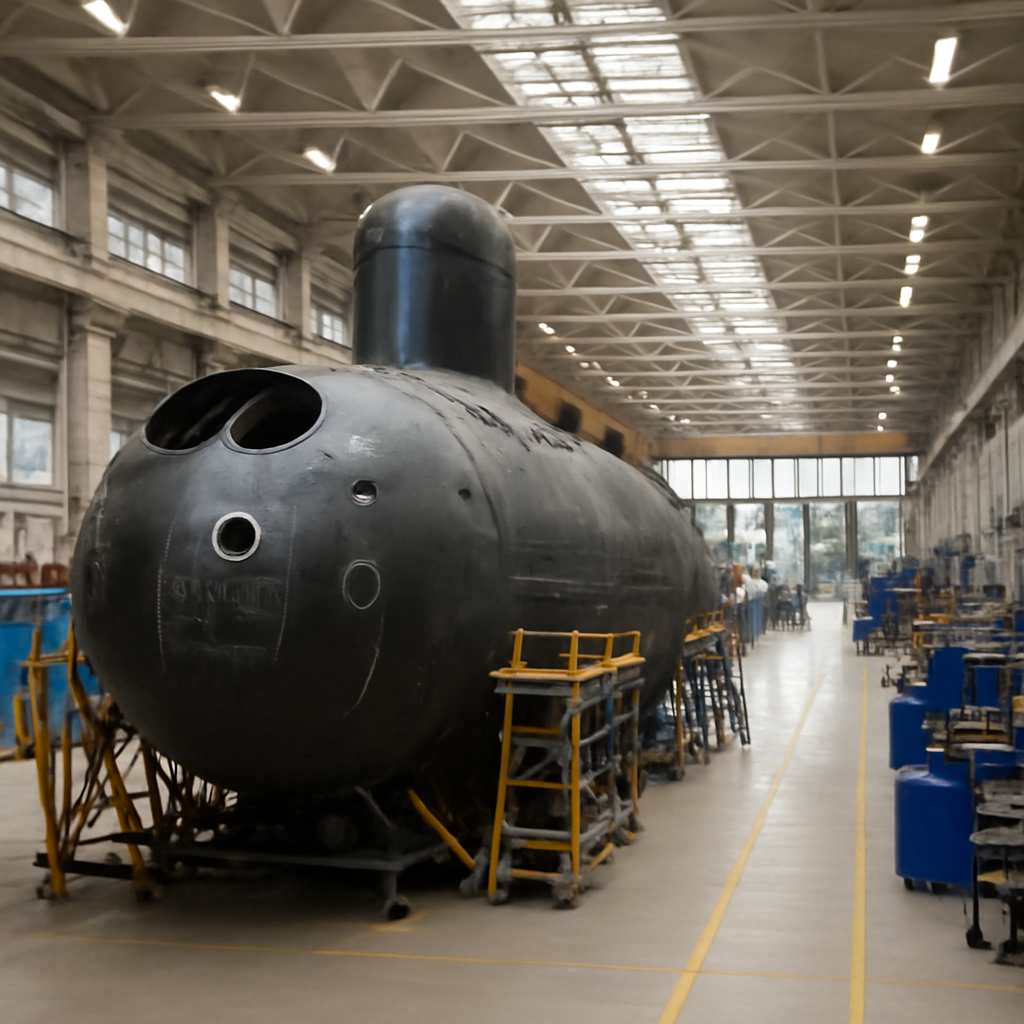
Anduril Bolsters US Submarine Production with New Baltimore Facility
The White House is backing a $6.6 billion initiative to boost US submarine production, with Anduril leading the charge by opening a massive new facility in Baltimore that will manufacture critical components for Virginia class nuclear-powered attack submarines. This move is set to revitalize American maritime dominance and create new opportunities in communities across the country.

Qualities of a Effective Secretary of the Navy Revealed
Ever thought of becoming the Secretary of the Navy? It's a coveted role that's not for the faint of heart, requiring a unique blend of talent, experience, and circumstance, plus a healthy dose of political support to get the job done.
US Navy Fighter Squadron Fired 421 Munitions in Iran Conflict
The US Navy's VFA-41 squadron unleashed a staggering 421 missiles and bombs in support of Operation Epic Fury, showcasing their firepower in a recent Iran conflict. Their arsenal included a range of precision-guided munitions, from 500-pound JDAMs to 2,000-pound behemoths and advanced air-to-air missiles.
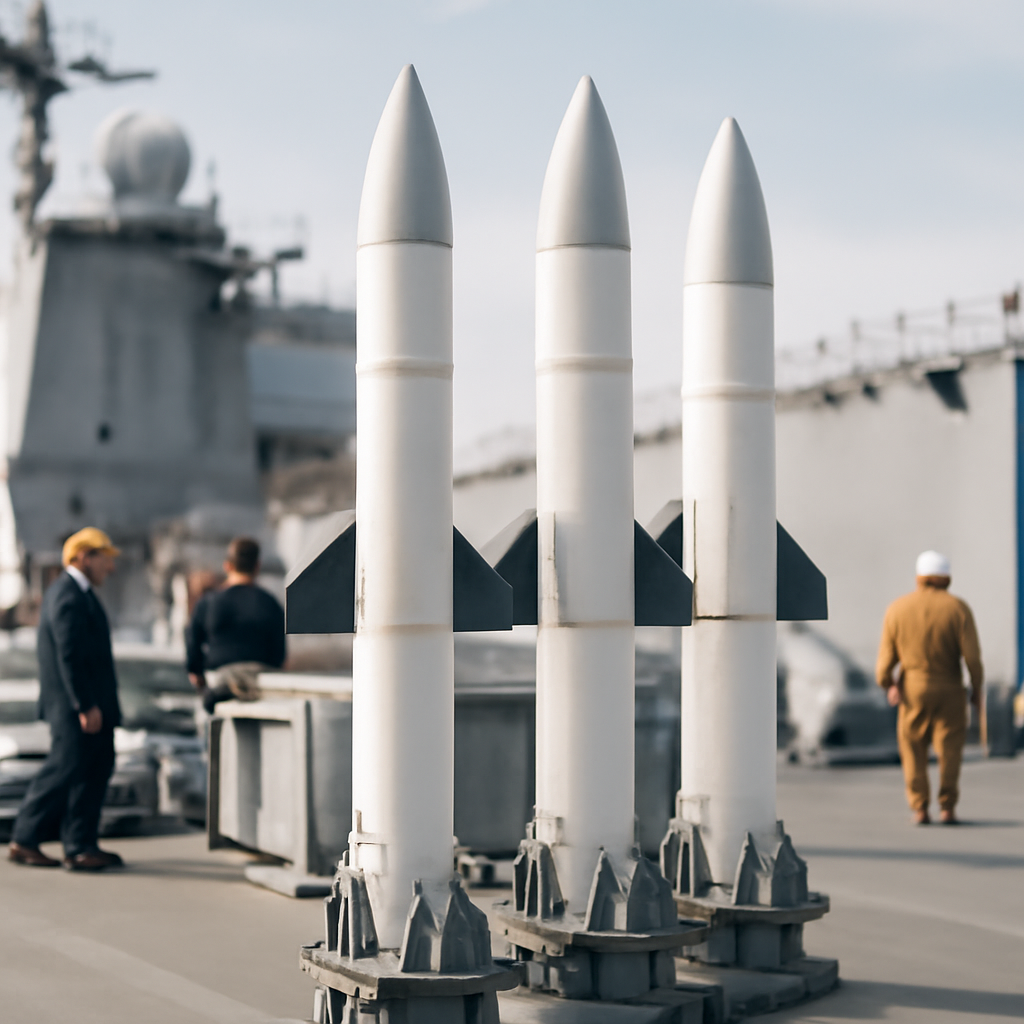
US Navy Seals $24.4B Deal with Raytheon to Accelerate SM-6 Production
The US Navy has sealed a massive $24.4 billion deal with Raytheon to supercharge production of the Standard Missile-6 (SM-6), a powerful Navy missile, with plans to deliver faster and more efficient manufacturing. This game-changing agreement is set to drive significant cost savings and boost production over the next five years, with two extra years of options.
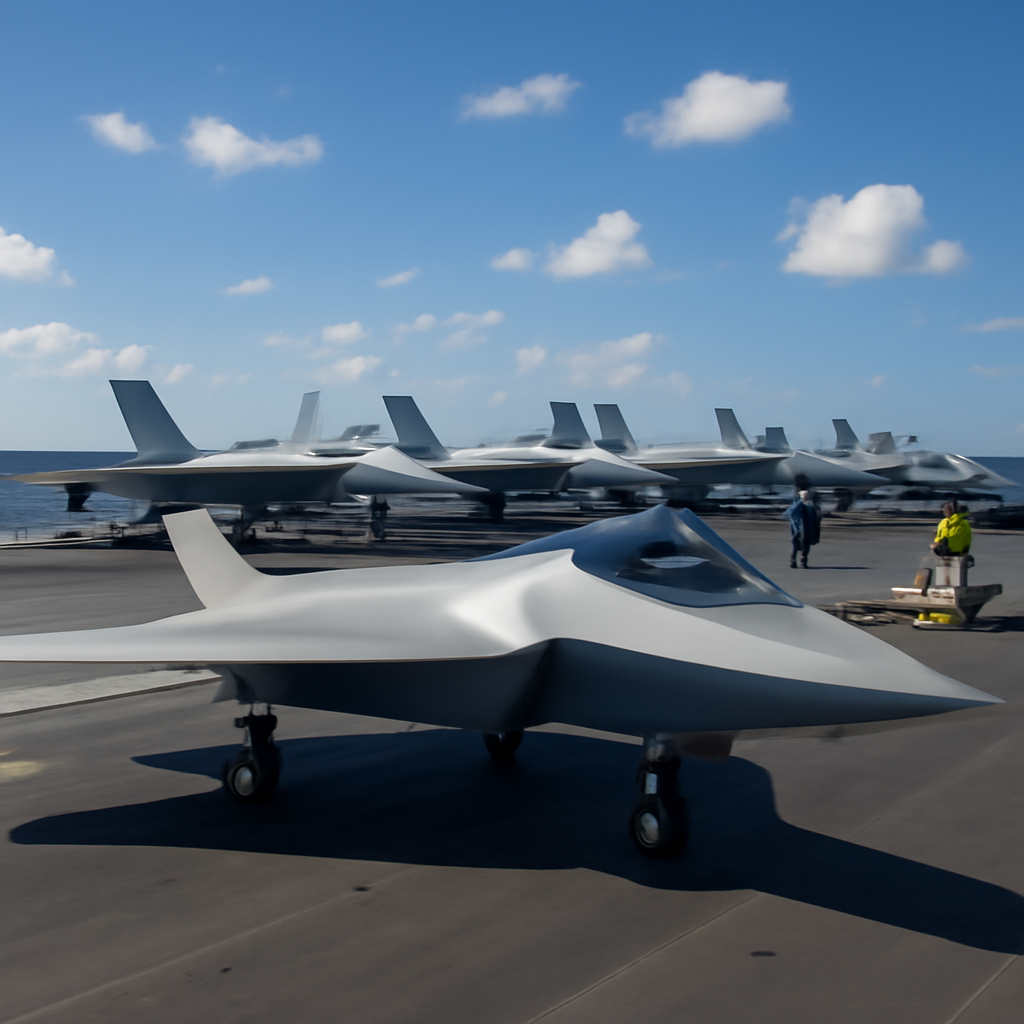
US Navy Bets Big on Boeing for F/A-XX Fighter Program
The US Navy has made a bold move, awarding Boeing a whopping $20 billion contract to develop the cutting-edge F/A-XX fighter jet, beating out Northrop Grumman in the high-stakes competition. This game-changing aircraft is set to replace the F/A-18 Hornet and EA-18 Growler by the mid-2030s, with a production goal of over 30 fighters per year to keep carrier air wings at full strength.
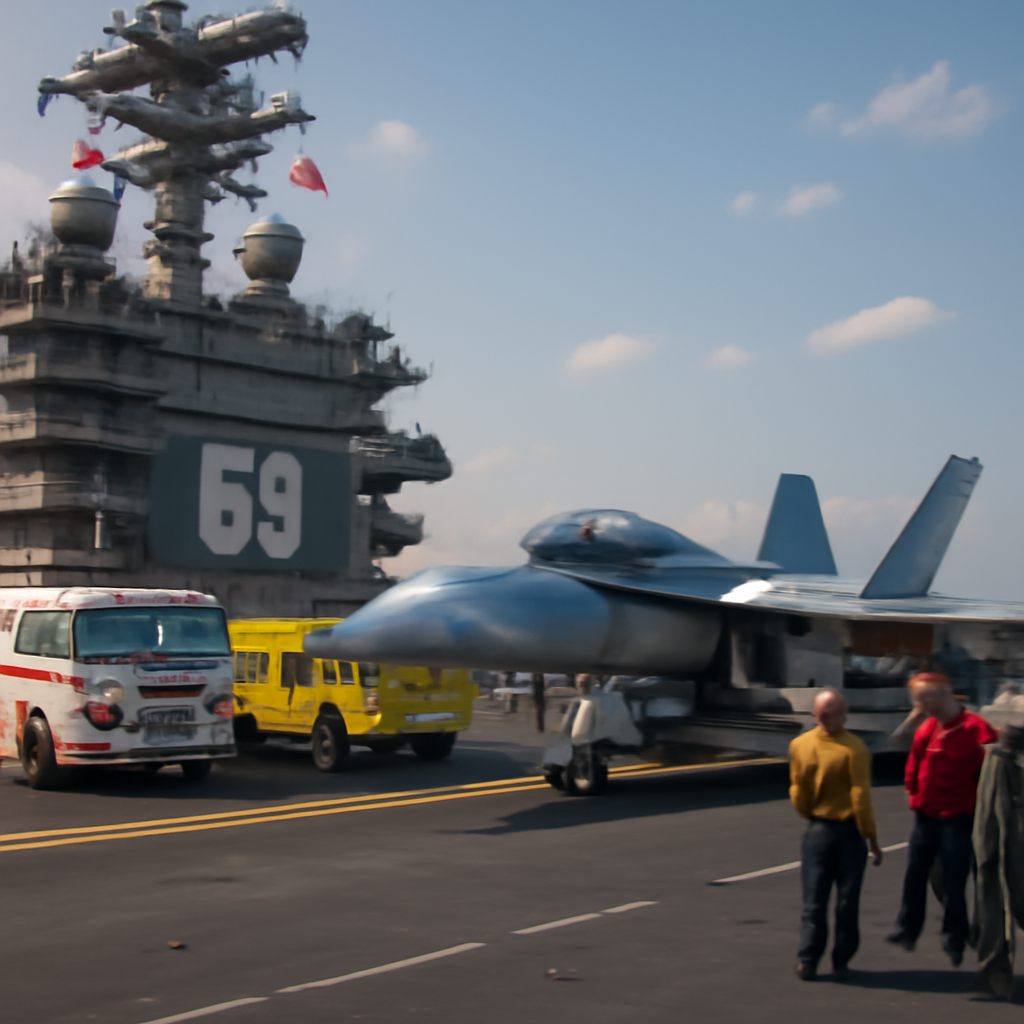
Navy Probes EA-18G Growler Mishap Aboard USS Eisenhower
A dramatic scene unfolded off the Virginia coast on Monday evening when an EA-18G Growler jet experienced an arresting gear failure while attempting to land on the USS Eisenhower, forcing its crew to make an emergency ejection. Fortunately, the pilots were quickly recovered by search-and-rescue teams and returned safely to the ship, with only minor injuries reported among the eight sailors evaluated.
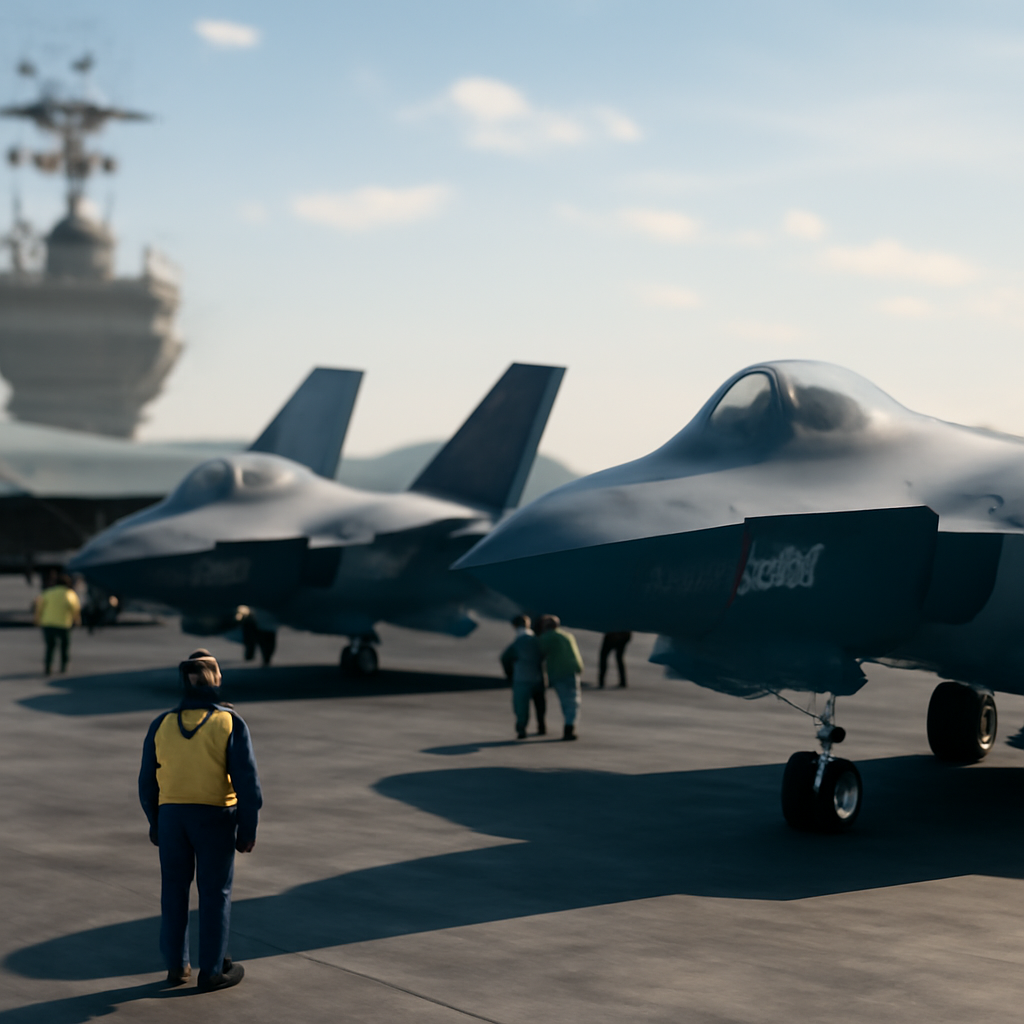
Boeing Secures $20 Billion F/A-XX Stealth Fighter Contract
Boeing has landed a whopping $20 billion contract to develop the US Navy's next-generation F/A-XX stealth fighter, a game-changing aircraft that will dominate contested airspace. This major award marks a significant milestone in the Pentagon's efforts to maintain peace through strength.
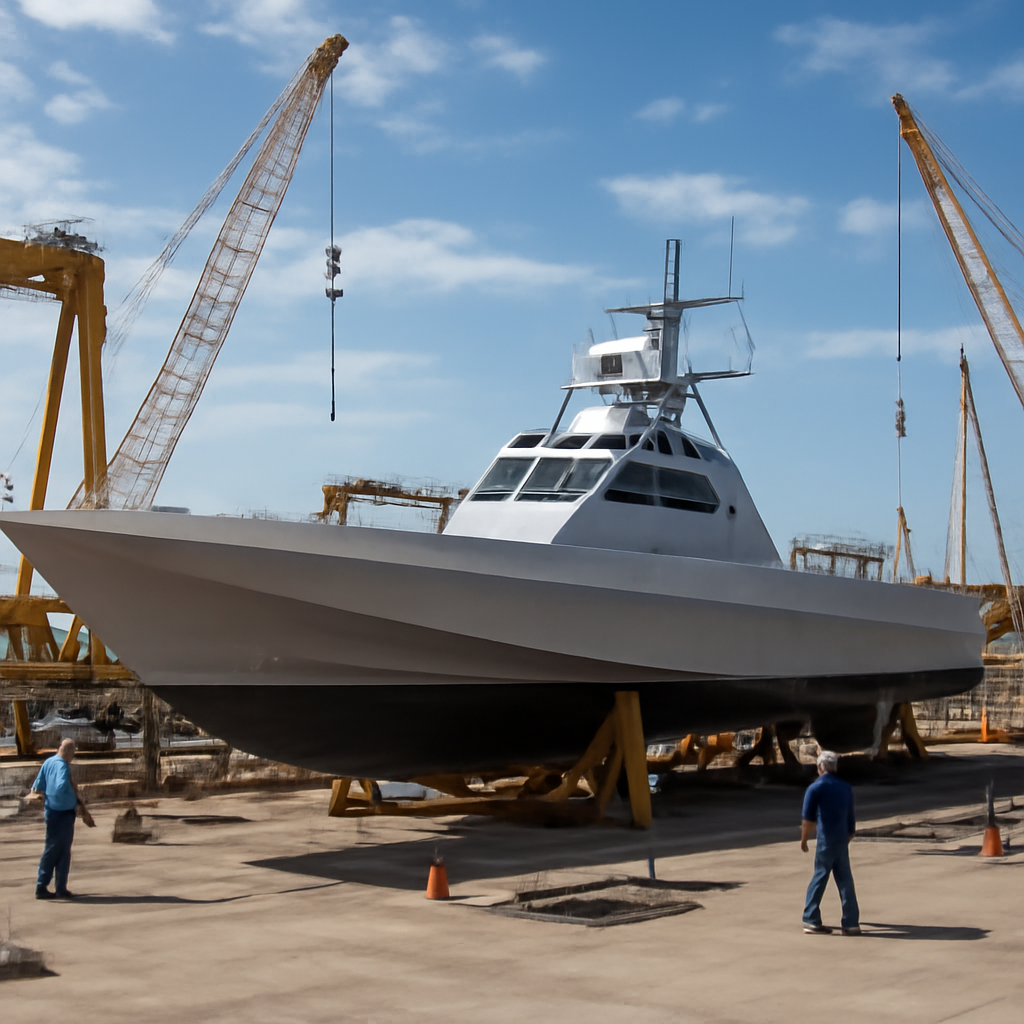
US Navy Accelerates Medium Unmanned Vessel Program with $1.2 Billion Order
The US Navy is fast-tracking its Medium Unmanned Vessel Program with a whopping $1.2 billion order for 30 cutting-edge uncrewed surface vessels, with production kicking off immediately at shipyards across the country. Three top companies have been awarded contracts to supply 10 vessels each, marking a major milestone towards harnessing the power of autonomous technology at sea.
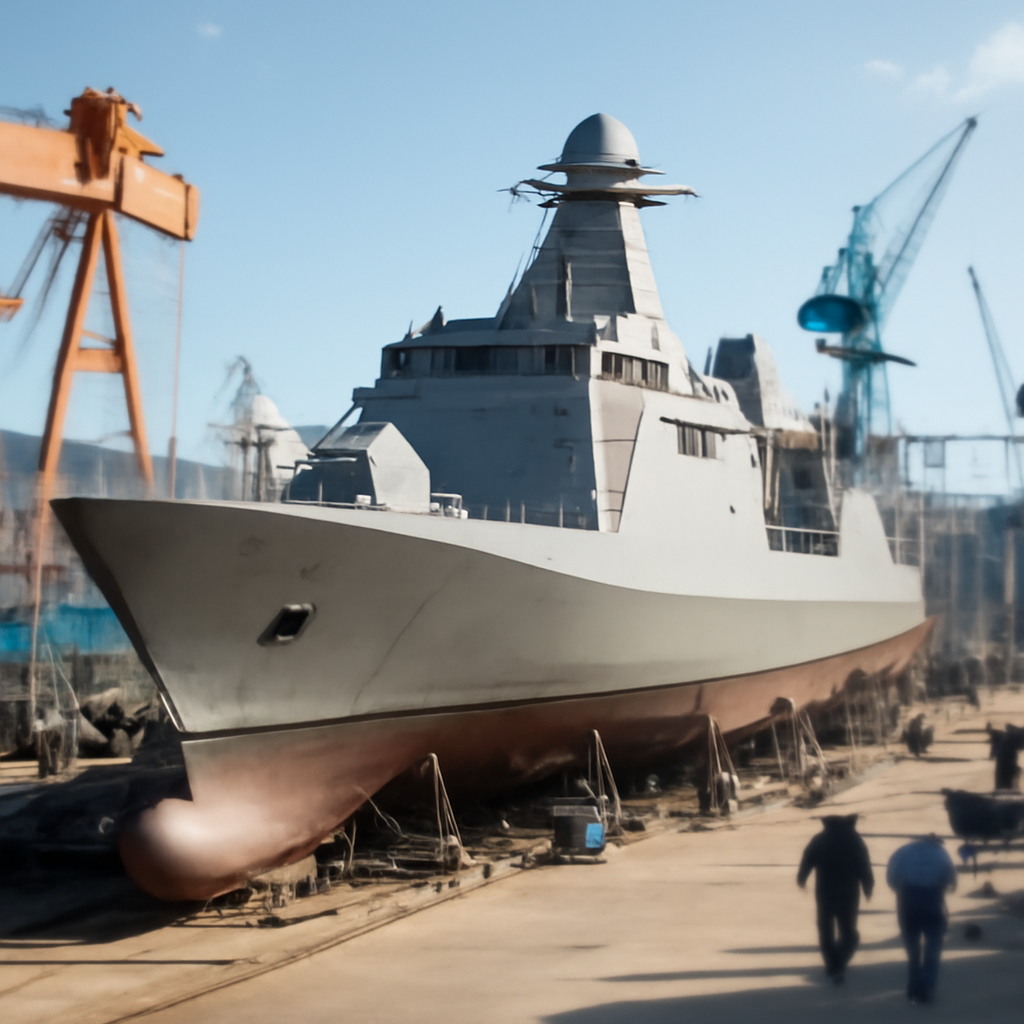
Fincantieri Revives Bid for US Navy Frigate Program
Fincantieri Marine Group is reviving its bid for the US Navy Frigate Program with its proven FREMM EVO design, a direct evolution of the successful Franco-Italian FREMM model that's already in production. By leveraging existing investments in US shipbuilding infrastructure, the company is poised to swiftly deliver reliable vessels to the fleet.
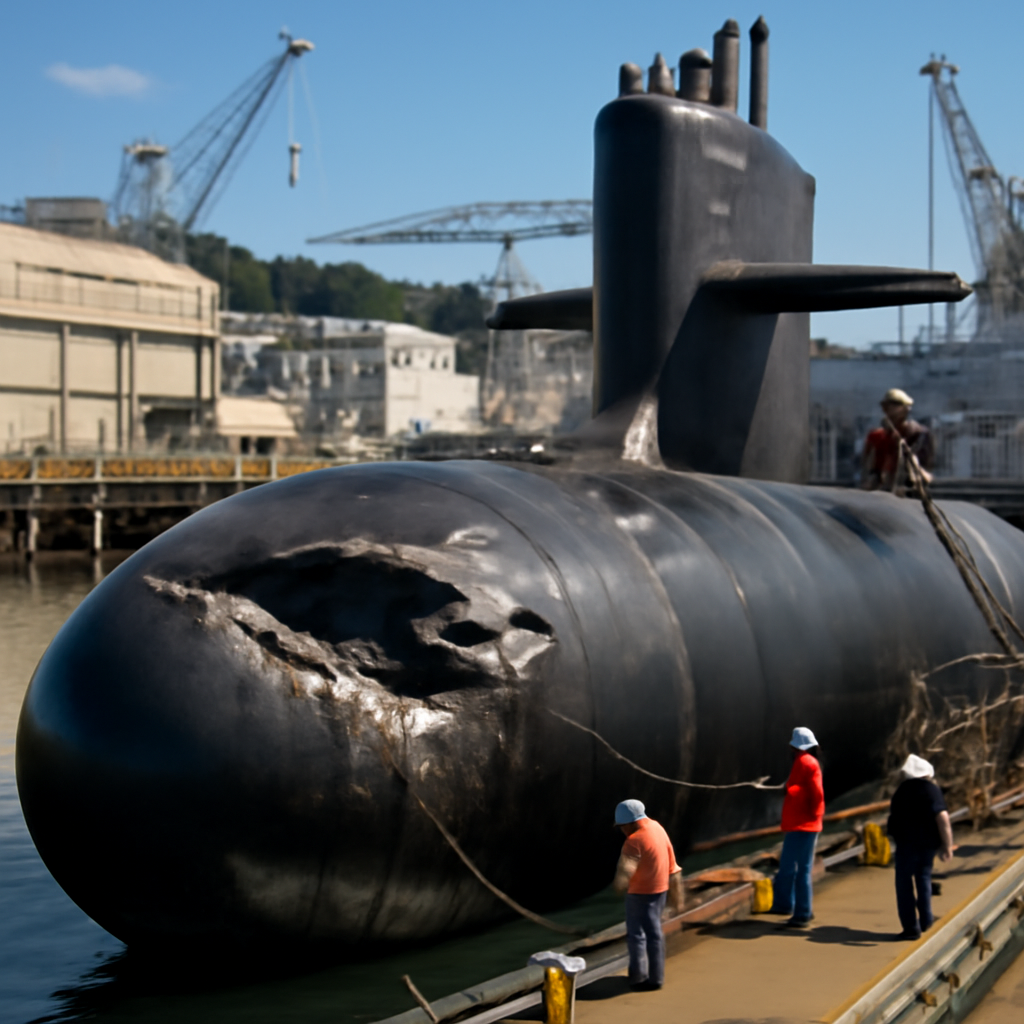
Navy Delays USS Connecticut Submarine Repairs Until 2027
The USS Connecticut submarine, damaged in a 2021 collision with an underwater seamount in the South China Sea, won't be back in action until 2027, after a lengthy repair process at Puget Sound Naval Shipyard. The submarine underwent a series of voyages to reach the repair site, stopping in Guam and San Diego along the way.
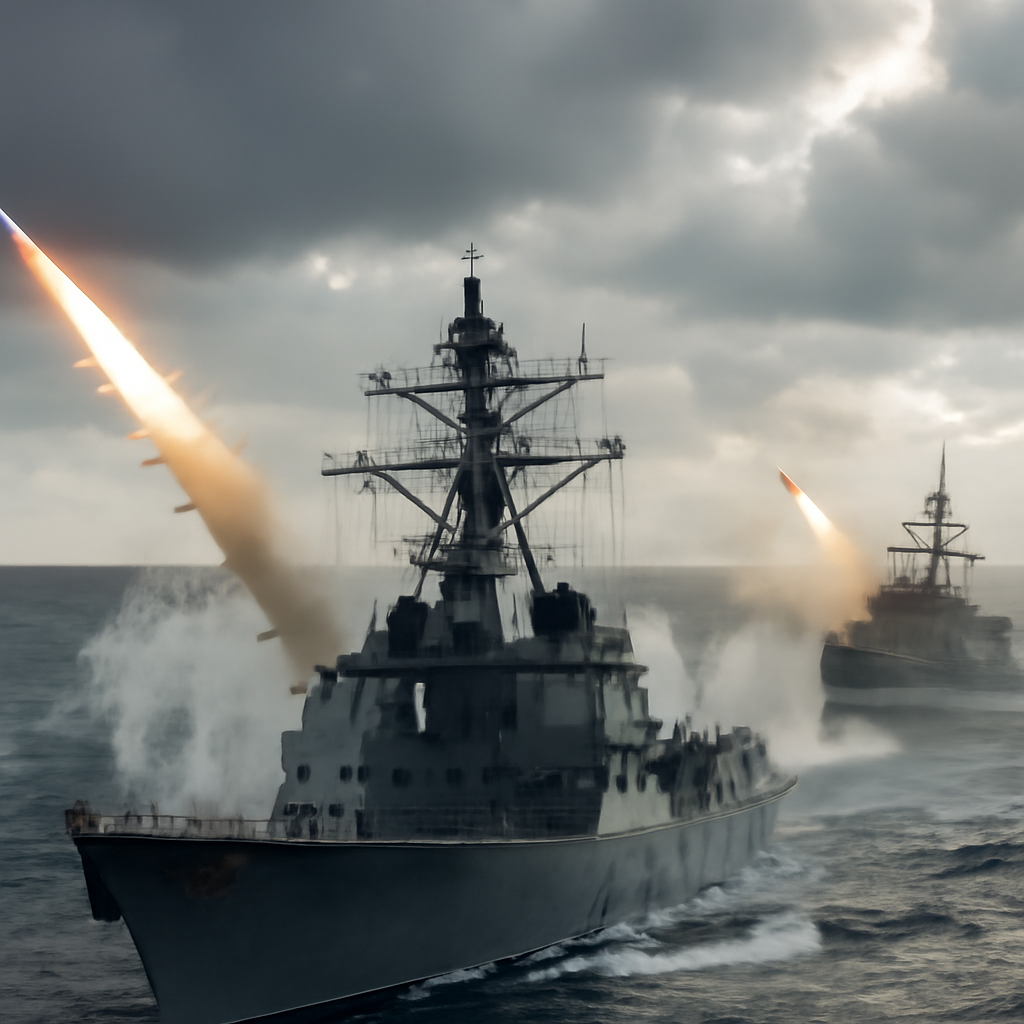
US, UK Navies Test Missiles on SINKEX Target Frigate
The US and UK navies recently teamed up for a thrilling live-fire exercise, Atlantic Thunder 2026, where they put their long-range maritime strike skills to the test by sinking a decommissioned frigate in the North Atlantic. This epic drill showcased the unstoppable partnership and firepower of the two nations' naval forces.
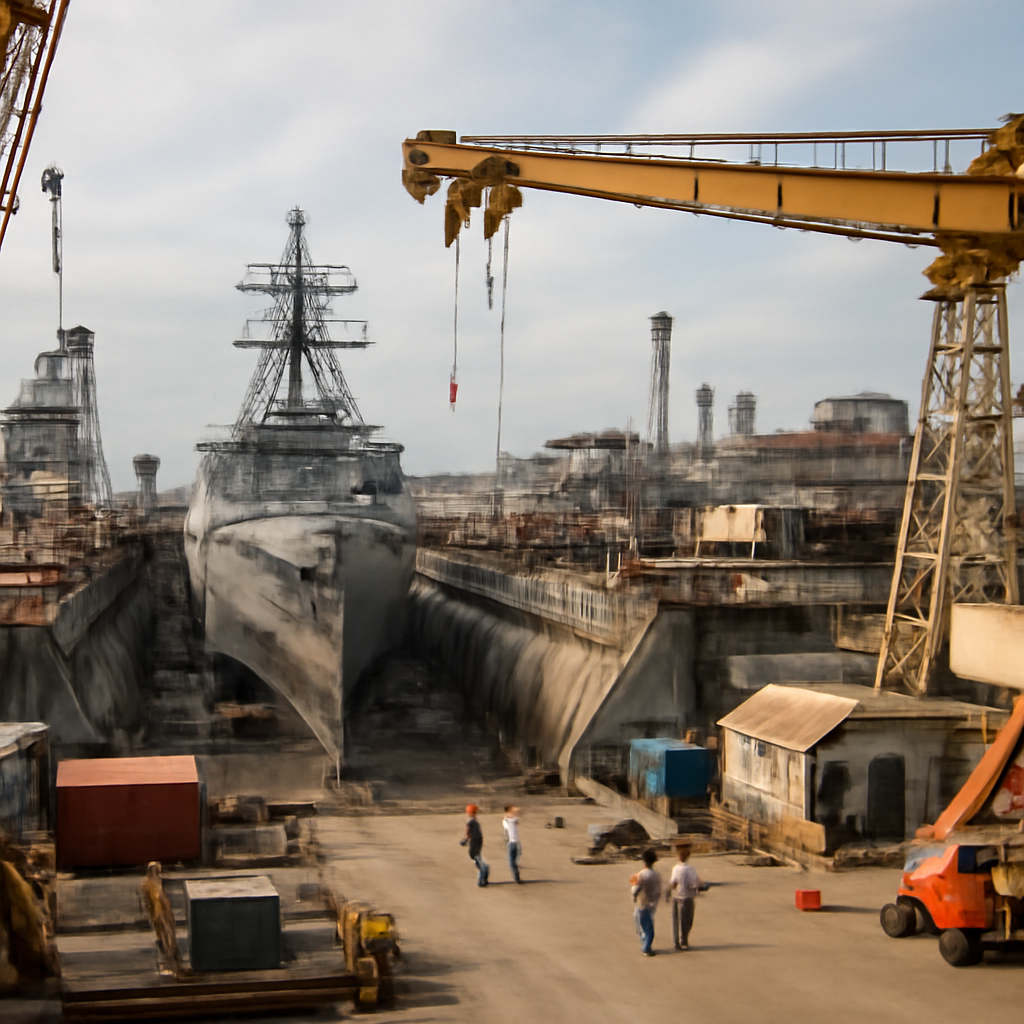
Navy's Shipyard Revamp Ballooning to $200 Billion
The Navy's Shipyard Infrastructure Optimization Program is facing a massive blowout, with estimated costs skyrocketing to $200 billion and a timeline stretching up to 50 years. This is a far cry from the original plan of 20 years and $21 billion.
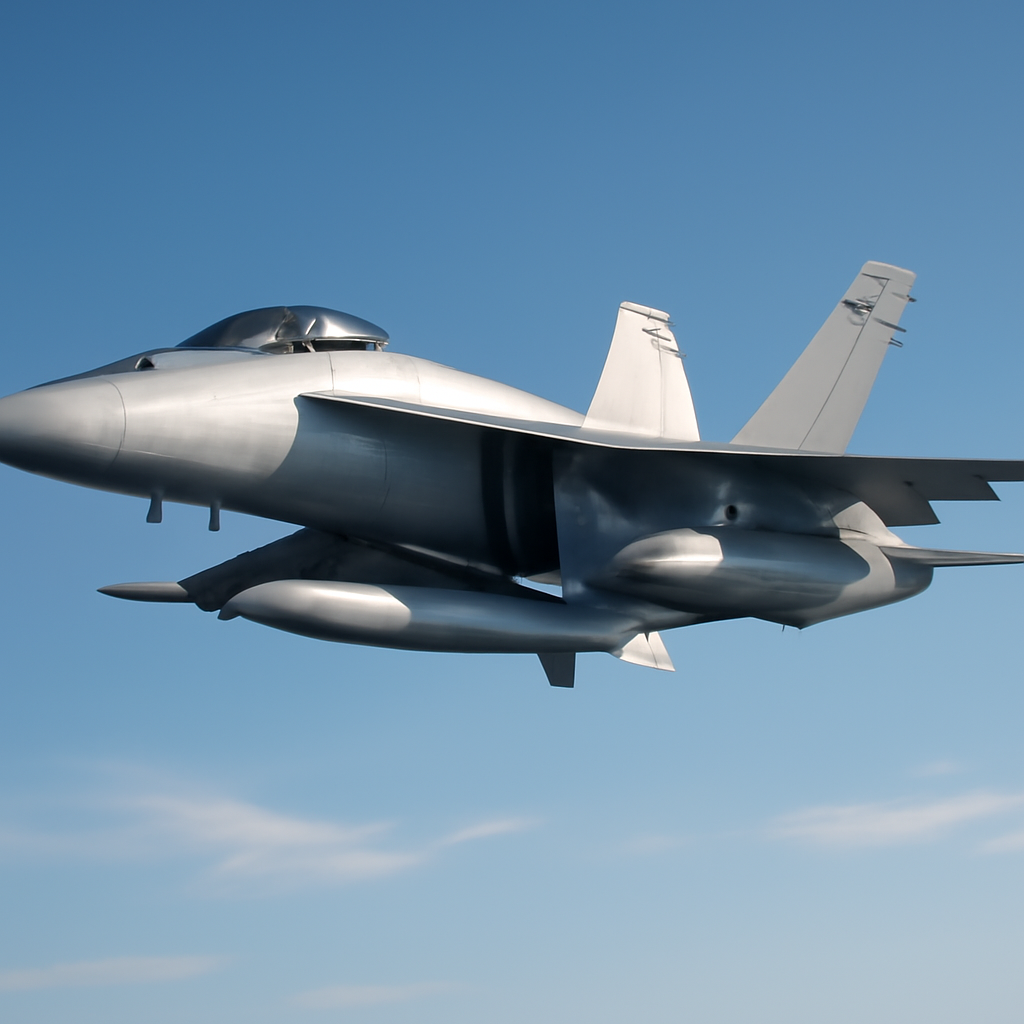
US Navy Deploys Blackbeard Hypersonic Missile in F/A-18 Flight Tests
Get ready for a game-changer: the US Navy has taken its Blackbeard Hypersonic Missile to new heights, literally, with thrilling flight tests on the F/A-18E/F Super Hornet. Check out the jaw-dropping footage of this powerful missile in action!

Navy Shipyard Repairs Lag, GAO Warns of Billions in Added Costs
Congress risks making costly decisions in the dark, potentially squandering billions in taxpayer dollars, if it doesn't get a clearer picture of the Shipyard Infrastructure Optimization Program's funding and risks. The GAO warns that incomplete information could lead to a lack of program oversight for decades to come.
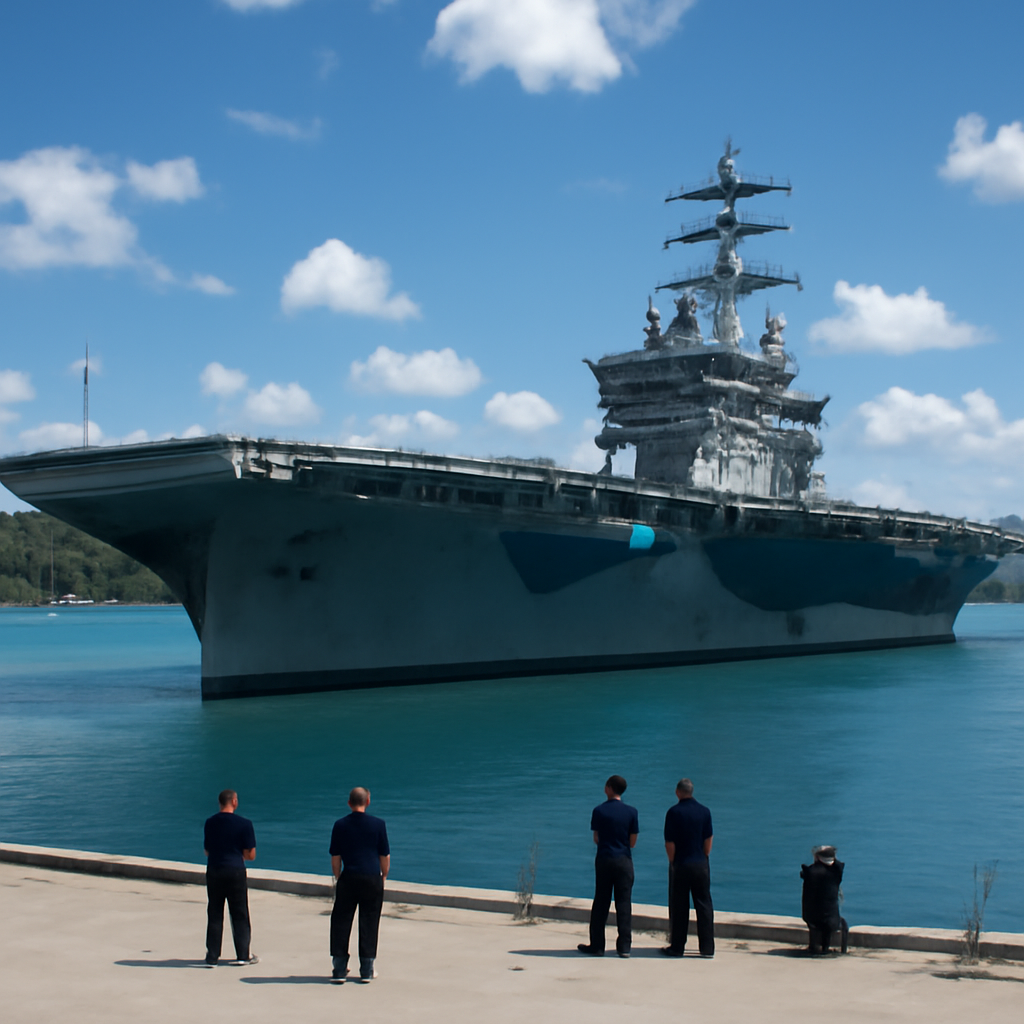
US Aircraft Carriers Deploy Globally Amid Rising Tensions
The USS Abraham Lincoln has wrapped up a quick pit stop in Guam, where the crew enjoyed some well-deserved downtime, catching a concert and accessing base services before setting off on the next leg of their journey home. After a 307-day deployment, the carrier is now heading east to San Diego.
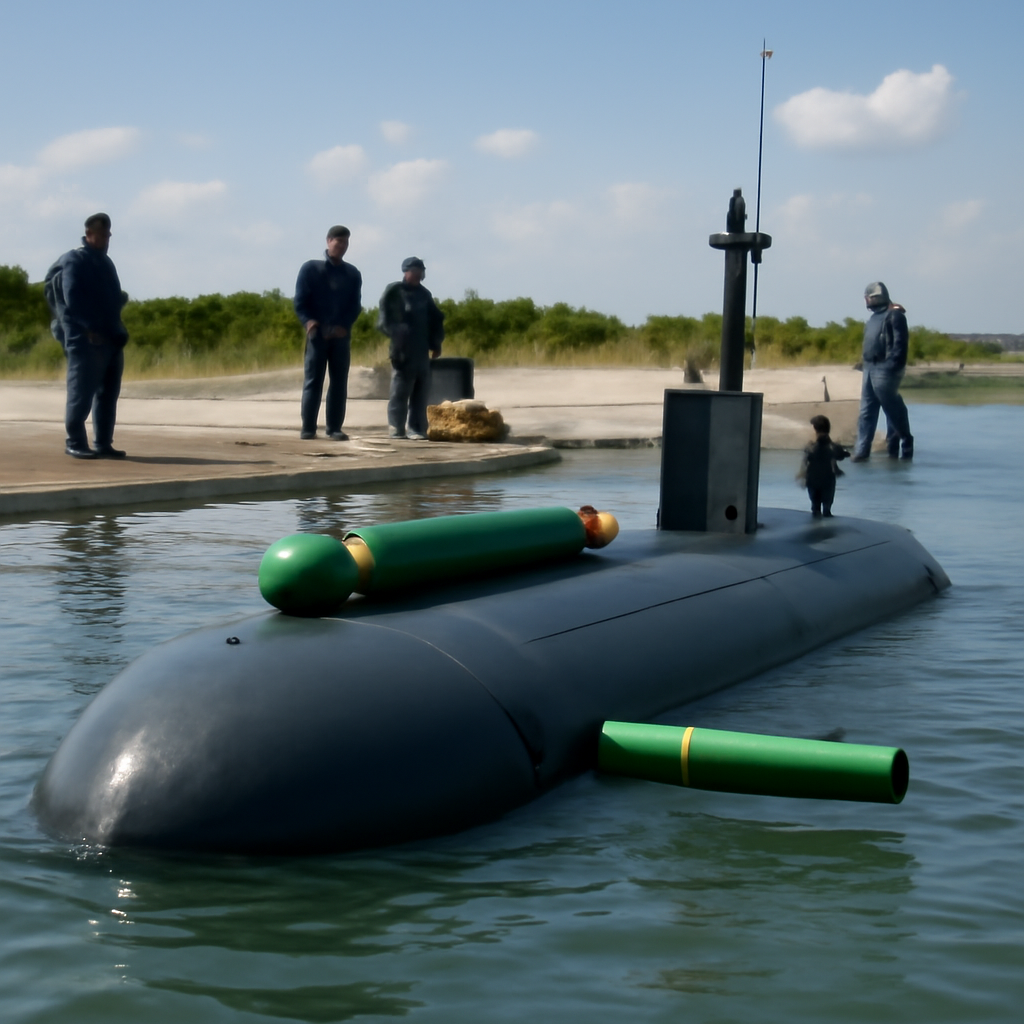
US, UK Navies Successfully Fire Torpedo from Unmanned Submarine
The US and UK navies have made a groundbreaking achievement, successfully launching a torpedo from an unmanned submarine in a recent test at the British Underwater Test & Evaluation Center in Scotland. This milestone marks a significant step forward in developing autonomous undersea capabilities, showcasing the power of alliance-driven innovation.
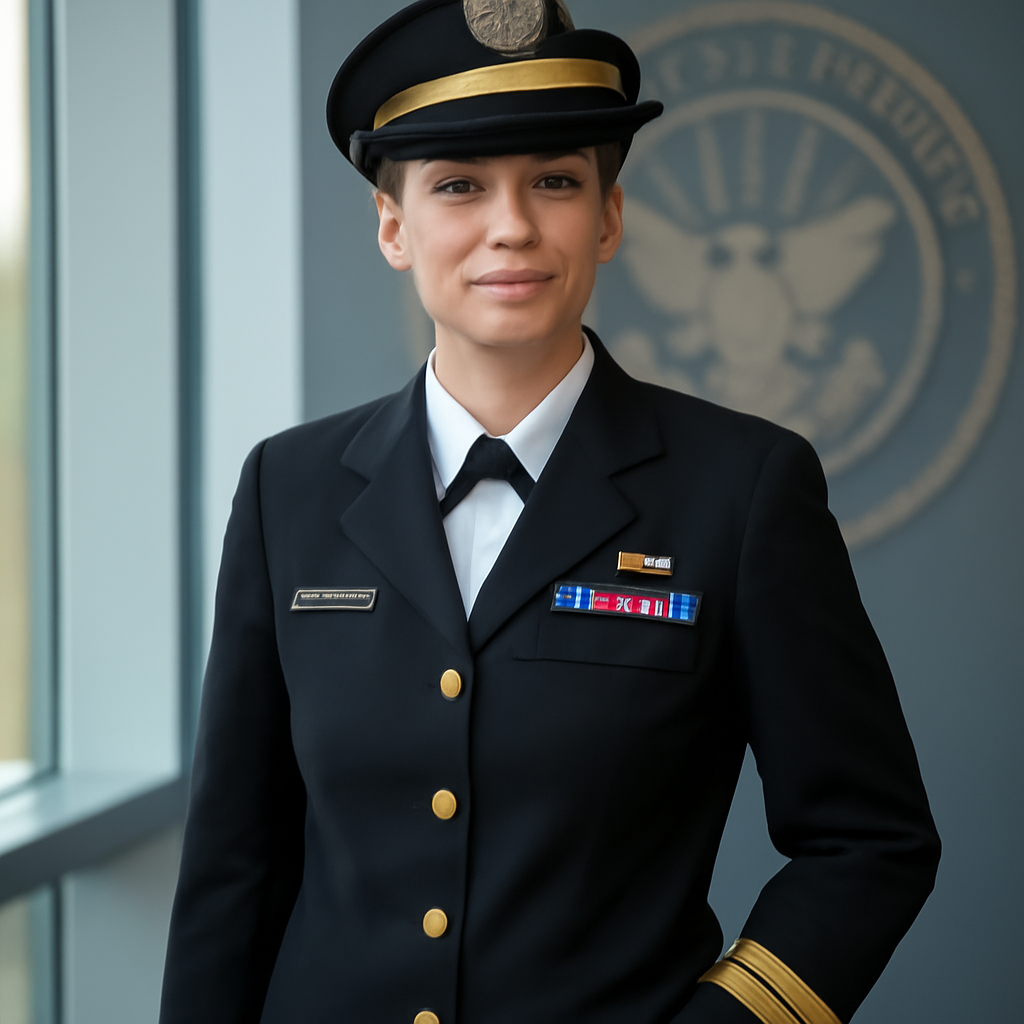
Navy Taps Captain to Lead Information Directorate
The Navy has named Captain Tamara Lawrence as its new Chief of Information, breaking with tradition by selecting a captain instead of a rear admiral for the role. Acting Navy Secretary Hung Cao praised Lawrence, saying he has "utmost confidence" in her ability to make a lasting, positive impact on the service.
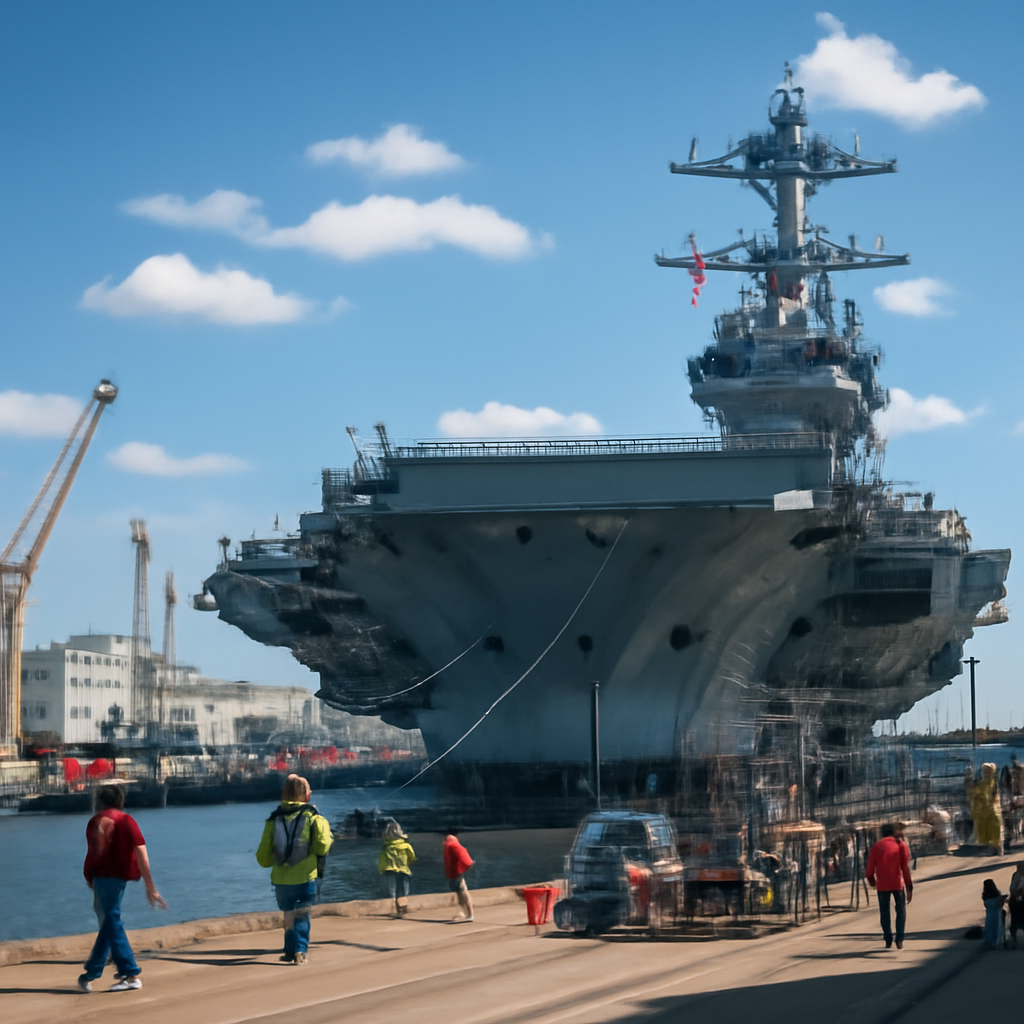
Navy Accelerates USS Ford Repairs Amid Lengthy Deployment
The Navy is racing against time to repair the USS Gerald R. Ford, vowing to deliver the ship back in just six months despite a grueling deployment and an onboard fire that threatened to derail the timeline. Rear Adm. Kavon Hakimzadah is confident that the Norfolk Naval Shipyard can meet the ambitious deadline.
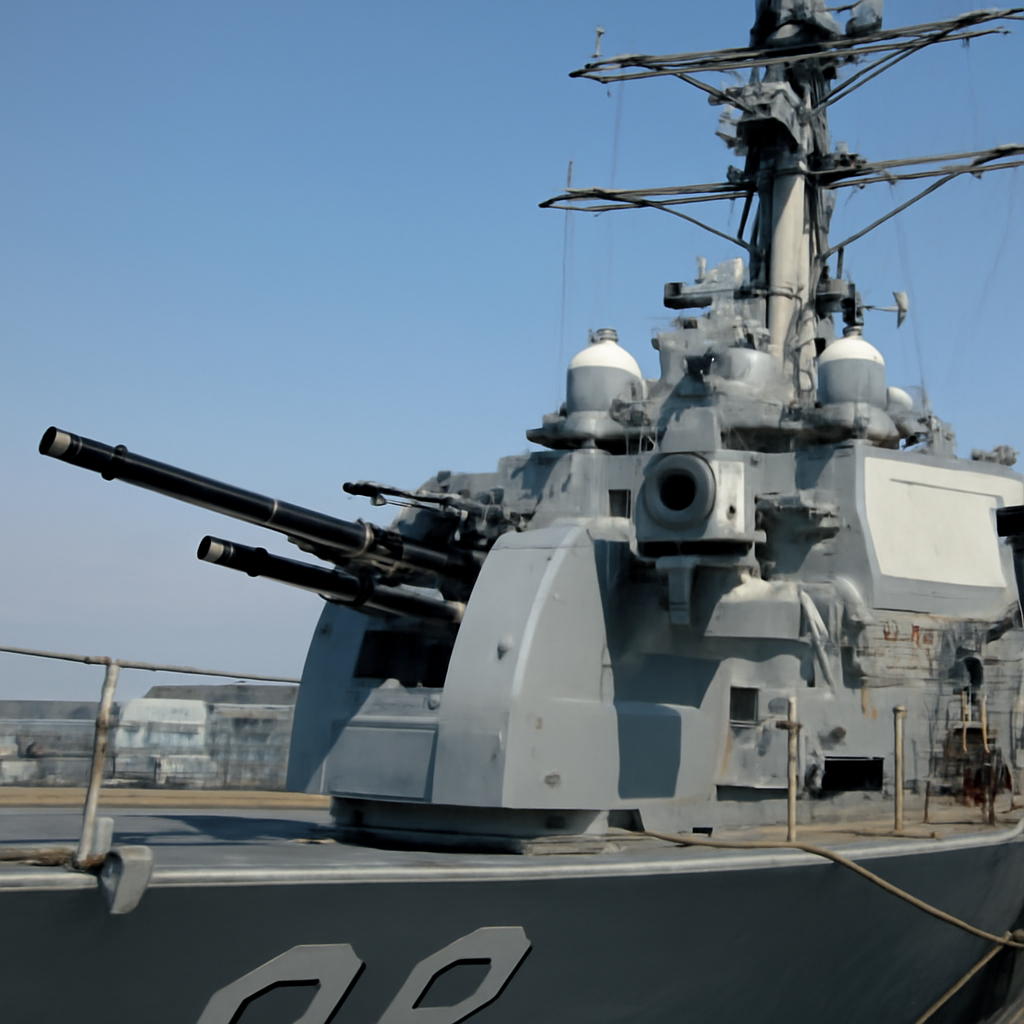
US Navy Deploys Upgraded Point Defense System on Destroyer
The US Navy has upgraded its Point Defense System with the Mk 38 Mod 4 Machine Gun System, a game-changing combo that tackles threats from unmanned aerial systems with precision and firepower. This cutting-edge system pairs a 30mm chain gun with a .50 caliber machine gun, ready to take on emerging challenges.