“By integrating an Open Mission Systems architecture, the program resolves current and future parts obsolescence and enables rapid, non-proprietary technology insertion,” the Navy said in a press release, as it announced a major technical milestone for the E-2D Advanced Hawkeye.
Block II upgrade: cockpit, open mission systems and enhanced computing
The Navy describes the Block II effort for the E-2D Advanced Hawkeye as a package of systems changes aimed at keeping the aircraft operationally current. According to the service, the Block II includes an updated cockpit, an Open Mission Systems architecture and enhanced computing power. The Navy said cockpit and flight system improvements “will significantly reduce pilot workload and elevate situational awareness,” enabling “crews to focus on complex battle management.”
Critical design review passed and the schedule to testing
The upgrade passed a critical design review, the formal assessment that a new system design will meet expected requirements. The Navy expects flight testing for the Block II upgrade to begin in fiscal year 2029. Northrop Grumman, the manufacturer, said the revamped aircraft will be delivered “by the end of the decade.”

The cyber insurance questionnaire just landed. Now what?
SOC 2, HIPAA, insurance renewals - someone has to own security strategy. Nubivance provides fractional CISO leadership without the full-time salary.
Get a security leadNorthrop Grumman: retrofit, production and program statements
Northrop called Block II “the most significant upgrade since E-2D’s development” and said it plans to retrofit existing aircraft while incorporating Block II in new planes coming off the production line. Janice Zilch, Northrop vice president and program manager for the E-2D, said in the company’s release that “Completing the Block II critical design review reflects the dedication and expertise of our team and partners.”
Operational context: E-2D roles, recent use in Operation Epic Fury, and international users
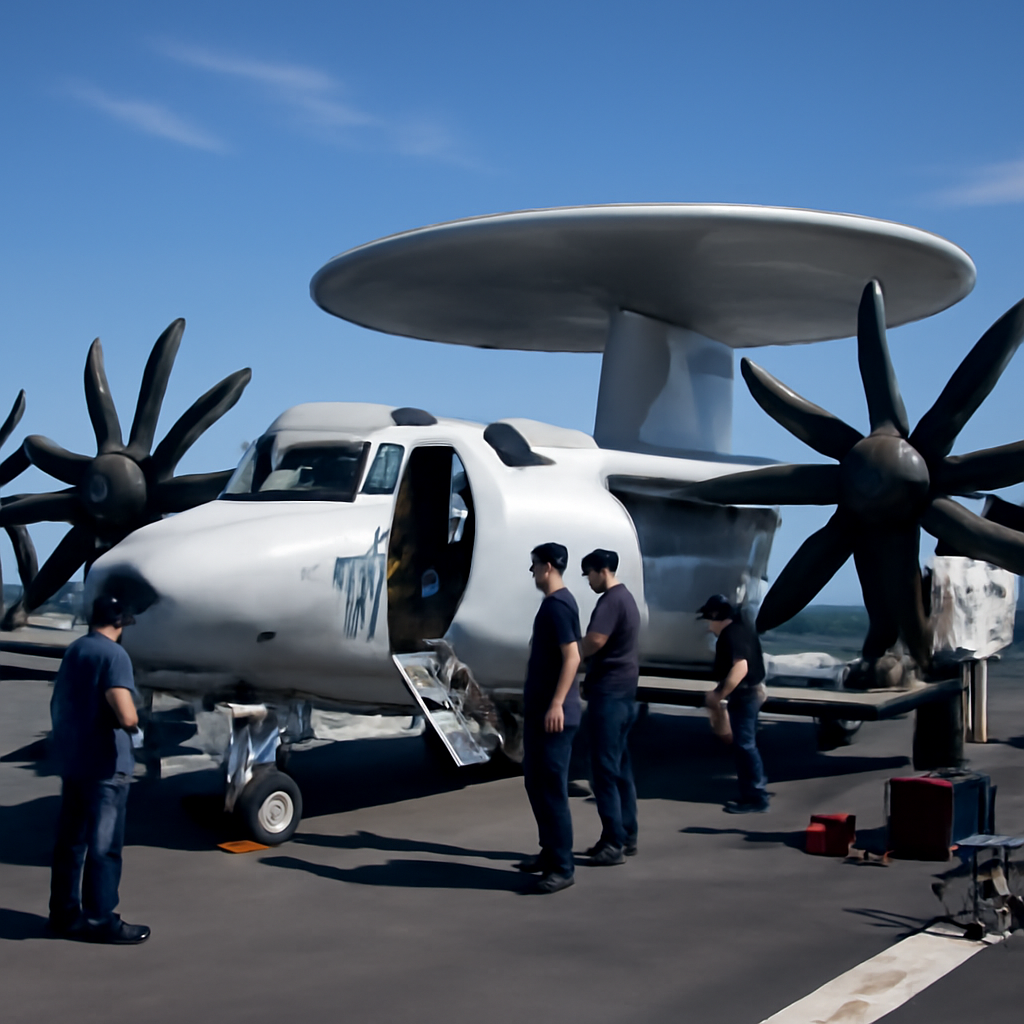
The Navy characterizes the E-2D as a carrier-capable, tactical airborne early warning aircraft that carries a large radar to help detect inbound threats and whose crew manage other forces in battle. NAVAIR notes the platform is capable of coordinating “concurrent missions” including airborne strike, land force support and rescue operations. The aircraft most recently played a role in Operation Epic Fury against Iran, appearing alongside a variety of U.S. assets — “from bombers and fighter jets to helicopters, one way attack drones, destroyers and submarines,” the Department of Defense fact sheet states. Internationally, the source reports that Japan currently operates the E-2D and that France is expected to receive its first Advanced Hawkeye in 2027.
What this means for the Navy, Northrop Grumman, and Congress
- The Navy: The service frames Block II as a move to “ensure the E-2D remains the premier node for airborne command and control, providing the resilient, lethal edge required to secure maritime dominance.” The stated improvements aim to address obsolescence and to enable faster insertion of non‑proprietary technology.
- Northrop Grumman: The company is committed to both retrofitting fielded aircraft and implementing Block II on new production examples, tying engineering progress to a delivery promise “by the end of the decade.” Passing the critical design review is the program milestone Northrop highlights as validating its technical direction.
- Congress and acquisition dynamics: The article notes past Pentagon consideration of cutting a similar Air Force radar program, the E-7 Wedgetail, in favor of buying more E-2Ds as a stopgap. That plan stalled after lawmakers “balked,” and E-7 development resumed — a reminder that congressional decisions have already influenced how airborne radar capabilities are procured and sustained.
The Block II critical design review marks a clear technical decision point: the program is now moving from design validation toward flight testing in fiscal 2029 and delivery by decade’s end, with existing aircraft slated for retrofit and new-build aircraft to include the upgrade. The coming years will show whether the promised reductions in pilot workload, the Open Mission Systems approach to obsolescence, and the stepped-up compute capacity translate into the operational advantages the Navy and Northrop have laid out.