"Without mitigation, 15 attack submarines will enter inactive idle time from fiscal year 2026 through fiscal year 2030 — during which time the Navy could incur more than 14,000 days of inactive idle time and $3.1 billion in costs to operate and support these inactive submarines," the Government Accountability Office wrote in a report published today.
$3.4 billion in maintenance delays and idle time over the past decade
The Government Accountability Office (GAO) concluded that maintenance delays and so‑called "idle time" for U.S. Navy attack submarines have cost the service $3.4 billion over the past ten years. The GAO released a public version of a classified report that was first issued in July; the public edition was published today.
GAO said readiness data showed a significant rise in idle time for both submarines that remain intended for active service and those slated for decommissioning, a trend that began rising around 2015 and has continued since.
USS Pasadena: a concrete example of prolonged idle cost
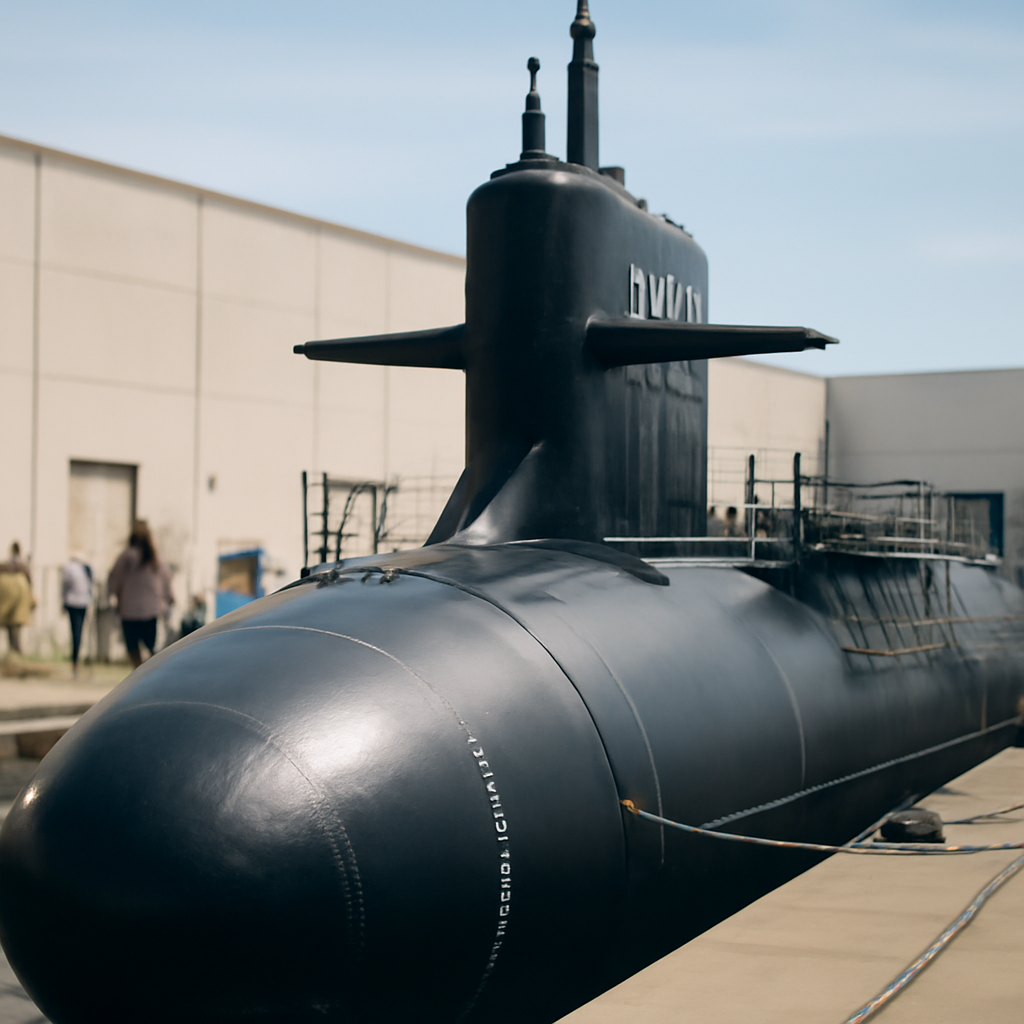
The report uses the USS Pasadena as a pointed example. Pasadena entered inactive status on Jan. 1, 2025, to be decommissioned. But GAO reported the actual decommissioning is not expected to occur before Nov. 15, 2028, "due to shipyard constraints."
During that nearly four‑year inactive idle stretch, Pasadena cannot be operational because its dive certification has expired, yet it remains fully crewed. GAO estimated the Navy will spend more than $300 million in operating and support costs over Pasadena’s inactive idle period. Navy officials told GAO they are attempting to use Pasadena as a training platform while it awaits decommissioning.

The cyber insurance questionnaire just landed. Now what?
SOC 2, HIPAA, insurance renewals - someone has to own security strategy. Nubivance provides fractional CISO leadership without the full-time salary.
Get a security leadProduction pace and workforce constraints slow Virginia‑class deliveries
GAO criticized the Navy for the slow pace in delivering Virginia‑class attack submarines, noting current production is one ship per year — half the Navy’s stated goal of two per year. The watchdog attributed the slower rate to "late material deliveries from suppliers and limited availability of experienced workers due to competition in the labor market," which it said drive the trend of slower deliveries and extended idle time.
While GAO credited the Navy with making "significant progress" in reducing idle time for submarines intended to remain active, it warned that idle time for boats headed to decommissioning has increased and is forecast to worsen.
Los Angeles‑class retirements and the FY2026–FY2030 projection
The GAO forecast that, without mitigation, 15 attack submarines will enter inactive idle status between fiscal years 2026 and 2030, creating more than 14,000 days of inactive idle time and $3.1 billion in additional operating and support costs over that period. The watchdog tied the worsening trend to a wave of Los Angeles‑class submarines planned to end their service lives over the next five years.
GAO said the Navy has "examined some opportunities to alleviate inactive idle times" but that those alternatives had not been fully evaluated. The report recommended the Navy more thoroughly investigate options and develop a broader inactivation plan for attack submarines that would reduce inactive idle time for both crews and boats.
How the Navy, shipyards, and submarine crews are affected
- The Navy: Faces billions in avoidable operating and support costs and a decision point about whether to fully evaluate alternatives and establish an attack‑submarine inactivation plan, as GAO recommended.
- Shipyards and suppliers: Are already implicated by the report’s findings — late material deliveries and limited experienced workers were cited as direct contributors to slower Virginia‑class production and resulting schedule slips.
- Submarine crews: Sailors remain assigned to inactive submarines such as the Pasadena even when boats lose dive certification, creating fully crewed platforms that cannot operate while awaiting decommissioning and adding to personnel and support expenses.
GAO recommended the Navy more fully evaluate alternative options and implement a plan to reduce inactive idle time. The Navy "verbally concurred" with the recommendations, according to the report, but did not provide a written response.
The report leaves one obvious operational test ahead: whether the Navy will convert verbal concurrence into a formal, implemented inactivation plan that closes the gap between decommissioning schedules and shipyard capacity — and thereby avoids the projected $3.1 billion and 14,000 days of idle time GAO laid out for FY2026–FY2030.