Tag: military technology
549 articles
US Unveils Long-Range Missiles to Counter China's Aerial Advantage
Meet the game-changing trio of long-range air-to-air missiles that are about to flip the script on aerial warfare: the AIM-174, AIM-260, and AIM-424, boasting ranges of up to 480 km - that's roughly twice the reach of earlier US air-to-air weapons. These cutting-edge missiles are set to give the US a serious edge in the skies, particularly against China's aerial advantage.

General Dynamics Enlists AI for Combat Vehicle Voice Control
Imagine being able to control your combat vehicle's systems with just your voice - General Dynamics Land Systems is making that a reality with a new partnership that brings AI-powered voice control to the battlefield. They're teaming up with Primordial Labs to integrate a cutting-edge voice assistant into vehicles like the M1 tank and Stryker troop carrier.

Pentagon Bolsters Counter-UAS Arsenal with Layered Defenses
The Pentagon is supercharging its drone defense capabilities with a multi-layered approach, led by Brig. Gen. Matthew Ross, to stay ahead of evolving threats. This cutting-edge strategy combines new sensors, effectors, and innovative thinking to protect what matters most.

Army Awards $94M for NGC2 Applications to Bolster Command and Control
The Army is taking a major leap forward in command and control capabilities, awarding $93.6 million in contracts to nine top companies to develop core software applications for its Next Generation Command and Control (NGC2) initiative. This critical investment lays the groundwork for rapid scalability, training, and unified force operations.
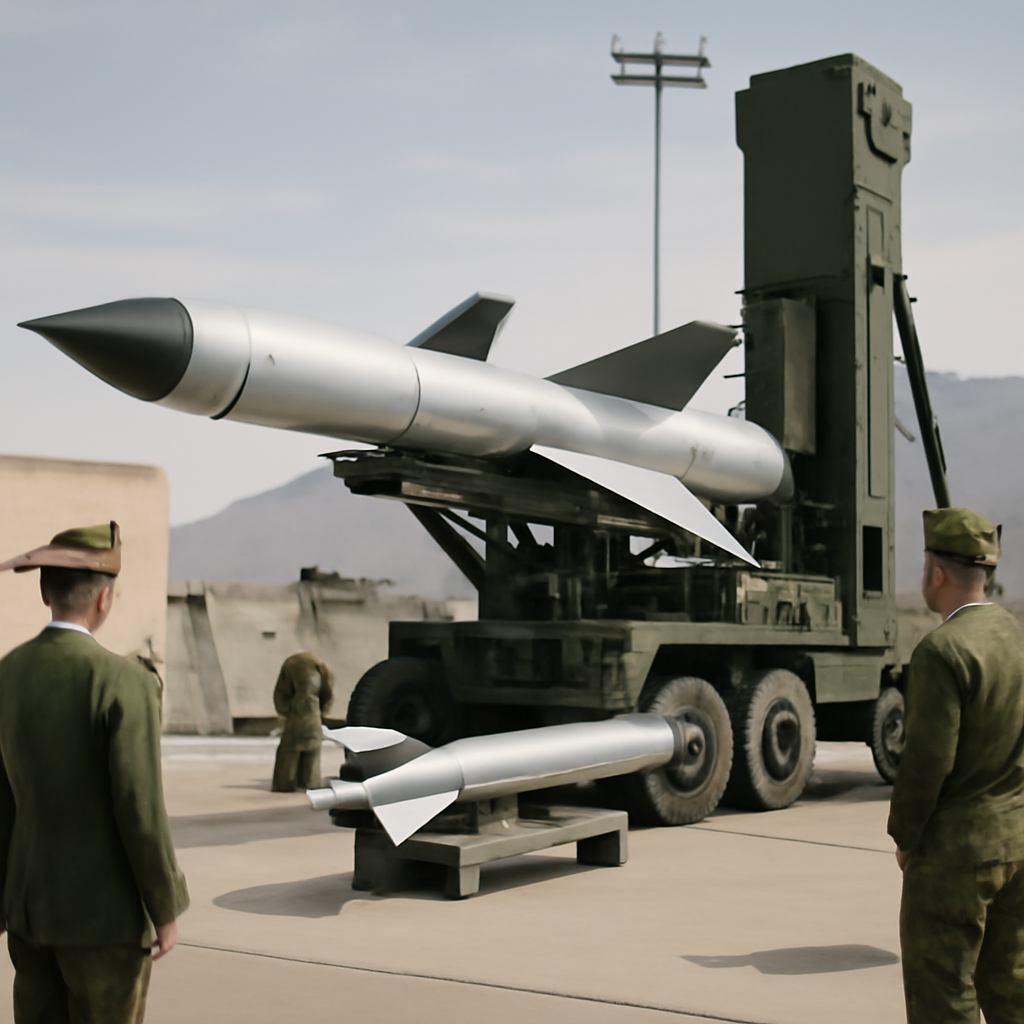
Pakistan Unveils Fatah-4 ER Cruise Missile with Extended Range Capabilities
Pakistan just took its military capabilities to the next level with the unveiling of the Fatah-4 ER cruise missile, a game-changing addition that can strike targets with pinpoint precision and devastating force at extended ranges. This powerful new missile was successfully test-fired on October 6, showcasing its impressive accuracy and survivability.

Pentagon's Autonomy Command Must Leverage Past Lessons
The Pentagon is racing against the clock to revolutionize its warfare capabilities, with Defense Secretary Pete Hegseth pushing for the rapid deployment of autonomous and robotic systems through the new Autonomous Warfare Command. This game-changing initiative aims to harness adaptability and speed to outmaneuver opponents in the modern battlefield.

BAE Systems Unveils Compact Electronic Warfare System
Meet Shadow EW, BAE Systems' game-changing electronic warfare system that packs a powerful punch in a tiny package, bringing cutting-edge capability to small airborne platforms, drones, and more. This innovative software-defined radio family is designed to be affordable, adaptable, and scalable, revolutionizing the aerial layer in modern warfare.

Leonardo DRS Expands UK Presence with New Radio Production Subsidiary
Leonardo DRS is bolstering its UK presence with a new subsidiary, DRS UK, which will start producing tactical radios at a state-of-the-art facility, enabling the company to better support local customers and partners. This strategic move allows for closer collaboration with UK industry partners to deliver cutting-edge defence capabilities.

Satellite Surveillance Gaps Exposed as Adversaries Develop Anti-Satellite Capabilities
The game has changed in space - it's no longer a safe haven, but a high-stakes warfighting domain where adversaries are rapidly developing anti-satellite capabilities to take down our satellites. The 2007 Chinese anti-satellite test was a wake-up call, sparking a rush to orbit and creating a complex, congested space environment that's vulnerable to both kinetic and non-kinetic threats.
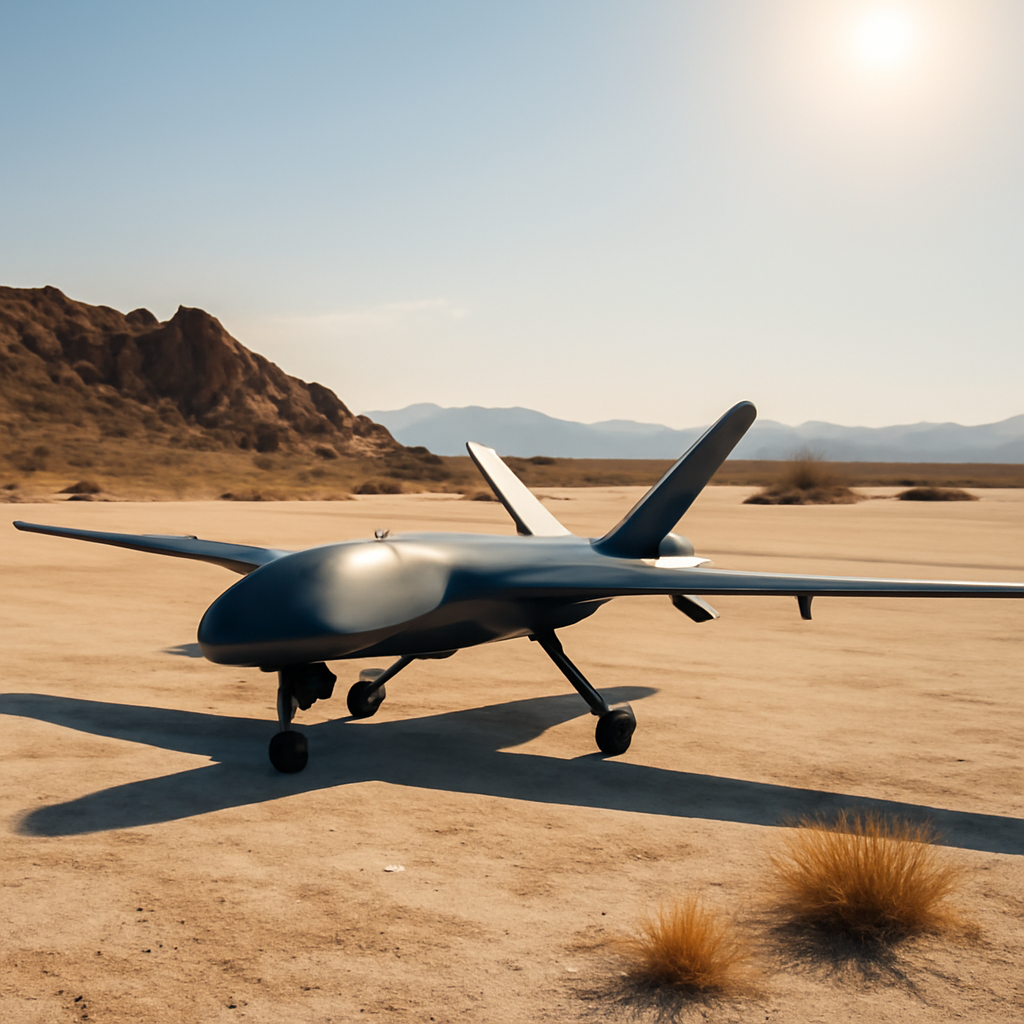
Northrop's Talon Blue Drone Completes Autonomous Flight Test
Northrop Grumman's Talon Blue drone has taken to the skies, successfully completing its first fully autonomous flight test over the Mojave Desert. This milestone marks a significant step forward in the development of cutting-edge autonomous capabilities.

Boeing Secures $14.7 Billion Deal to Boost PAC-3 Seeker Production
Boeing has landed a whopping $14.7 billion deal to supercharge production of PAC-3 seekers, a move that will help the company deliver these critical components at unprecedented levels. This major contract win is a testament to Boeing's commitment to quality and execution.
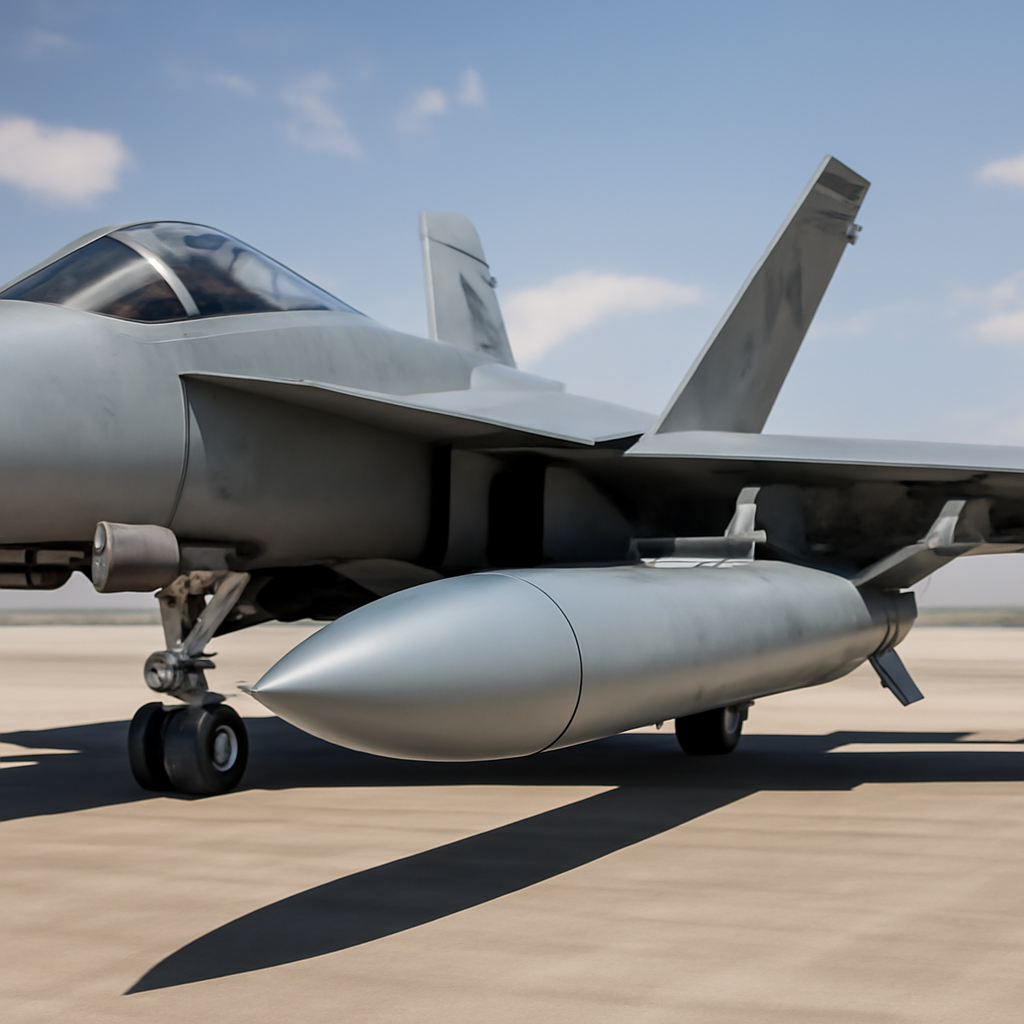
USAF Launches Hypersonic Cruise Missile in Australian Flight Test
The US Air Force has successfully launched a Hypersonic Attack Cruise Missile in a groundbreaking flight test with its Australian partners, pushing the boundaries of long-range strike capabilities. This milestone marks a major step forward in the development of this game-changing technology.
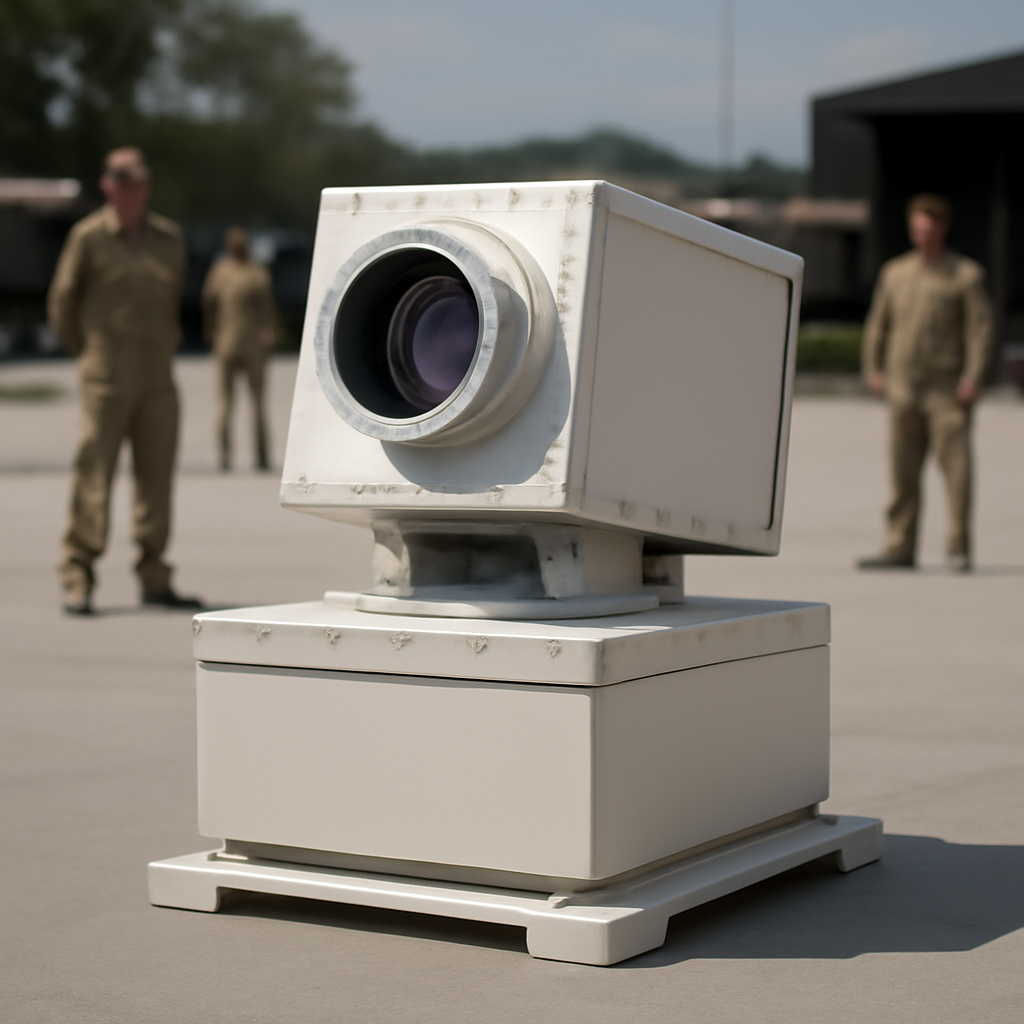
Pentagon Advances Counter-Drone Tech with Directed Energy Pilot Vendors
The Pentagon is taking a major step forward in counter-drone technology, selecting four top vendors to test their directed energy systems in a real-world setting to boost homeland defense. This cutting-edge pilot program will help determine how to effectively integrate and maintain these innovative solutions.

Humanoid Robots Enter Battlefield as Specialized Force Enablers
Get ready for a game-changer on the battlefield: humanoid robots are joining the fight as specialized force enablers, revolutionizing the way wars are fought. In just a few months, Ukrainian ground robots have already completed over 24,500 missions, proving their value in daily operations.

Autonomous Military Systems Race Raises Governance Concerns
As AI-powered autonomous military systems take center stage in modern warfare, a pressing concern emerges: can we govern their use effectively? From Ukraine's AI-equipped drones to Russia's strike drones, autonomous tech is no longer a future threat, but a current reality.
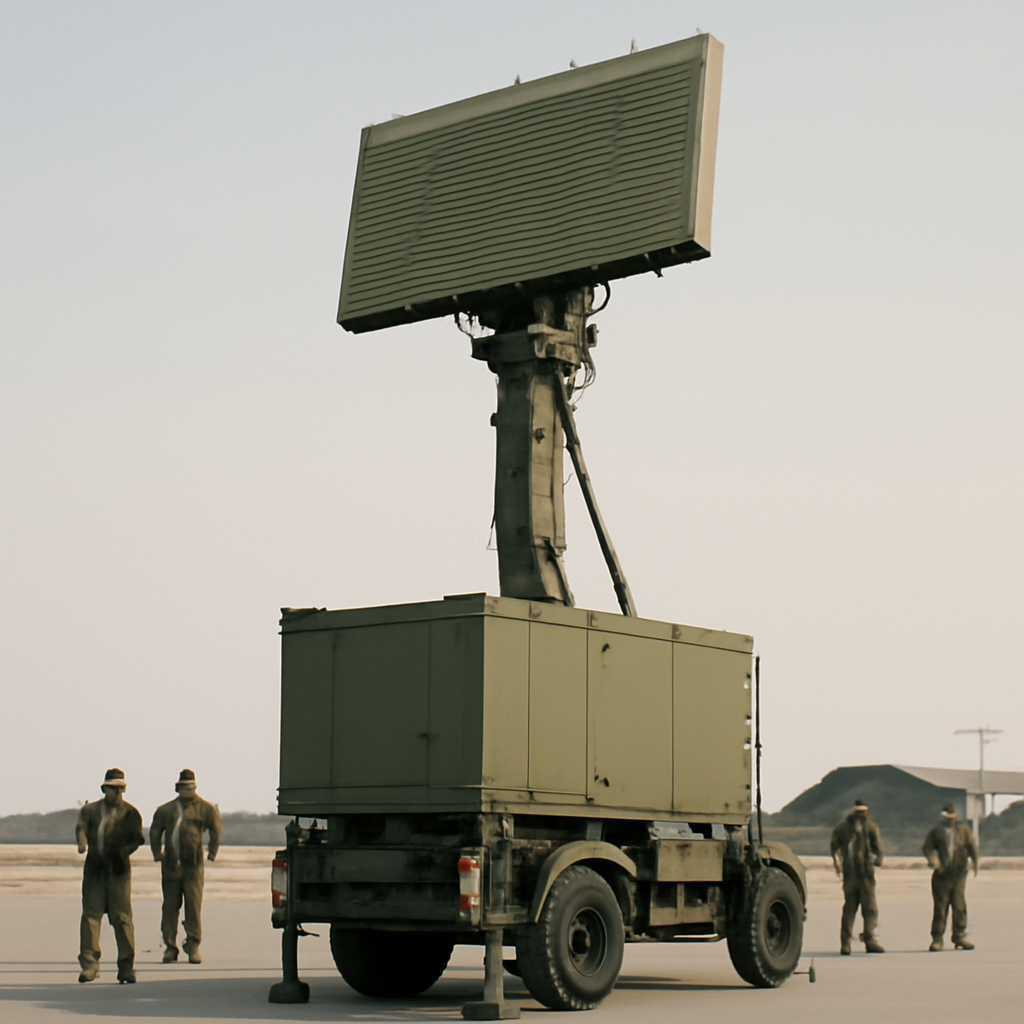
Ireland Bolsters Air Surveillance with Thales Radar Deal
Ireland is upgrading its air surveillance capabilities with a cutting-edge radar system from Thales, set to include five advanced Ground Master radars with deliveries starting next year. This deal will help Dublin achieve a fully Recognised Air Picture by 2028, boosting the country's defense and security.

China Retires Kilo-Class Submarines as PLAN Prioritizes Network Integration
China's People Liberation Army Navy has retired another Kilo-Class submarine, pennant 365, after a service life marked by multiple refits that upgraded its systems with advanced Chinese tech, including communications and photoelectric masts. The vessel, imported from Russia in 1995, was decommissioned in 2021.

Army Establishes New Autonomy Command, Accelerates Acquisition Efforts
The Army is shaking off bureaucratic red tape to supercharge modernization, with a bold new command dedicated to getting cutting-edge autonomous technology into soldiers' hands - fast. The Army Futures and Autonomous Systems Command is leading the charge, prioritizing autonomy across the board.

Pentagon Taps CIA-Backed Firm for Tech Scouting Push
The Pentagon is shaking things up with a bold 12-month plan to fast-track cutting-edge tech into the field, partnering with CIA-backed firm In-Q-Tel to scout out game-changing innovations that can give military teams a decisive edge. Over the next year, the goal is to move promising prototypes out of the lab and into real-world action.

Ukraine Deploys Amphibious Robot for Frontline Logistics
Meet the game-changing amphibious robot that's revolutionizing frontline logistics in Ukraine, navigating treacherous terrain and withstanding enemy fire to deliver crucial supplies to those in need. This uncrewed ground vehicle bravely traveled over 70 kilometers, crossing land and water, to bring food and aid to the frontlines.

Ukraine's Ex-Defense Minister Unveils Ambitious Robot Army Plan
Meet Ukraine's game-changing plan to revolutionize modern warfare: a robot army designed to save lives, with a bold goal of deploying humanoid soldiers on the battlefield within just six months. Former Defense Minister Mykhailo Fedorov unveiled this ambitious vision, aiming for a future where robots take center stage in protecting troops and civilians alike.

Pentagon Advances Space-Based Solar Power with Key Tech Demo Contract
The Pentagon is taking a giant leap towards harnessing the power of space with a new contract awarded to Virginia-based startup Overview Energy, to design and test a homing beacon for a satellite-based solar energy system. This innovative technology converts sunlight into near-infrared light, enabling the transmission of power to remote and contested locations, a longstanding challenge for the military.

Pentagon CFO Urges Tech Firms to Align with Military Needs
To win over the Pentagon, tech firms need to do more than just build products users love - they must also align with the military's acquisition cycles and priorities. Pentagon CFO Jules Hurst advises founders to get inside the government's planning process and hire experts who understand its inner workings.
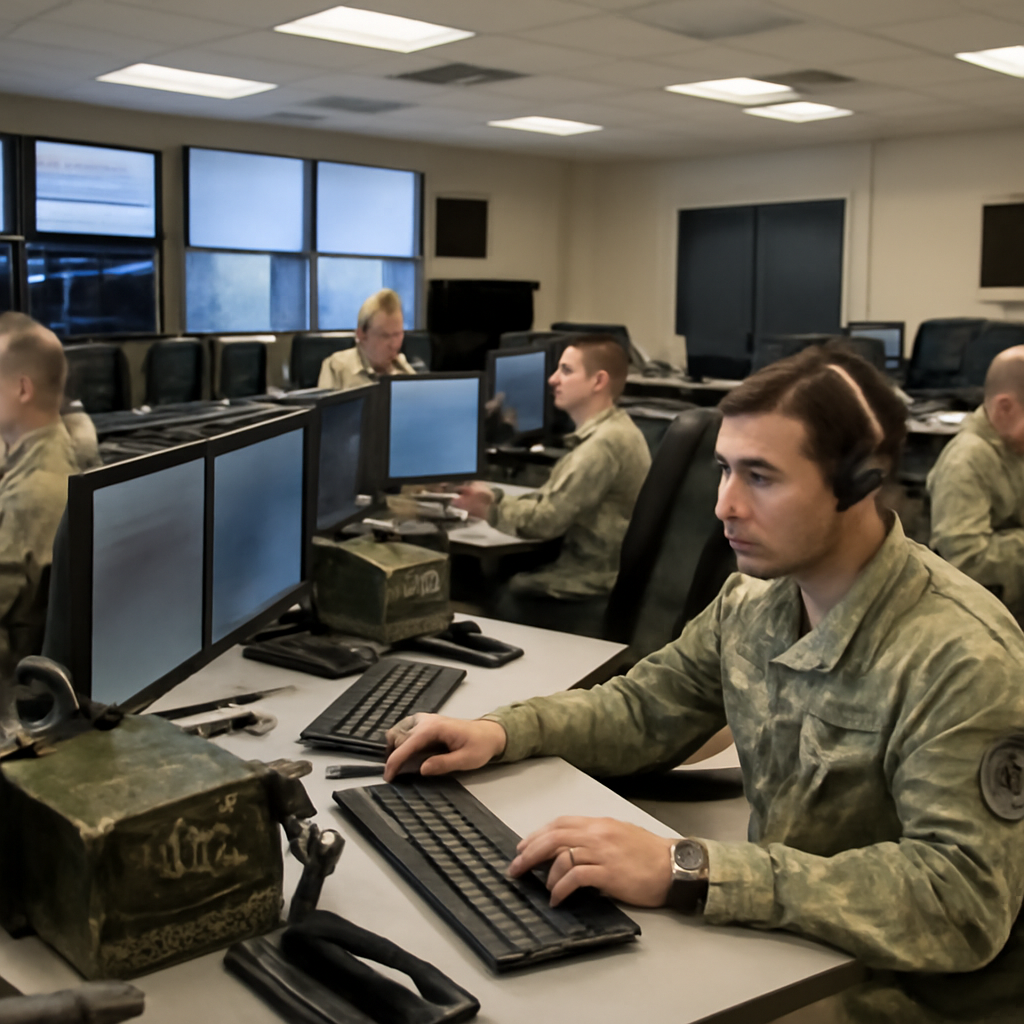
US Army Accelerates C2 Superiority to Counter Electronic Warfare Threats
Recent conflicts, like those in Ukraine, have shown that disrupting enemy communications and command networks can give forces a game-changing advantage without needing to destroy a large number of enemy platforms. This insight was shared by Joshua Carson, Director of Business Development at Chenega IT Enterprise Solutions (CITES), at the TechNet Augusta 2026 conference.