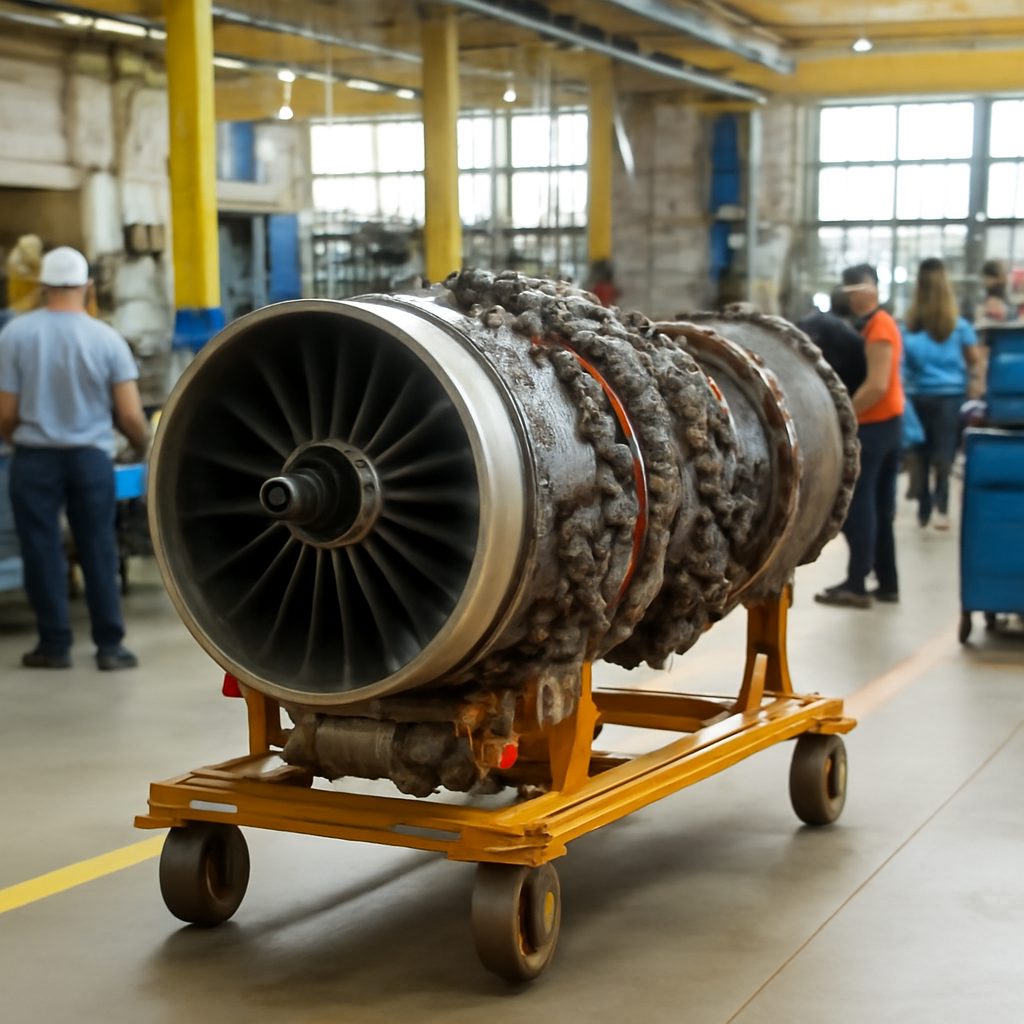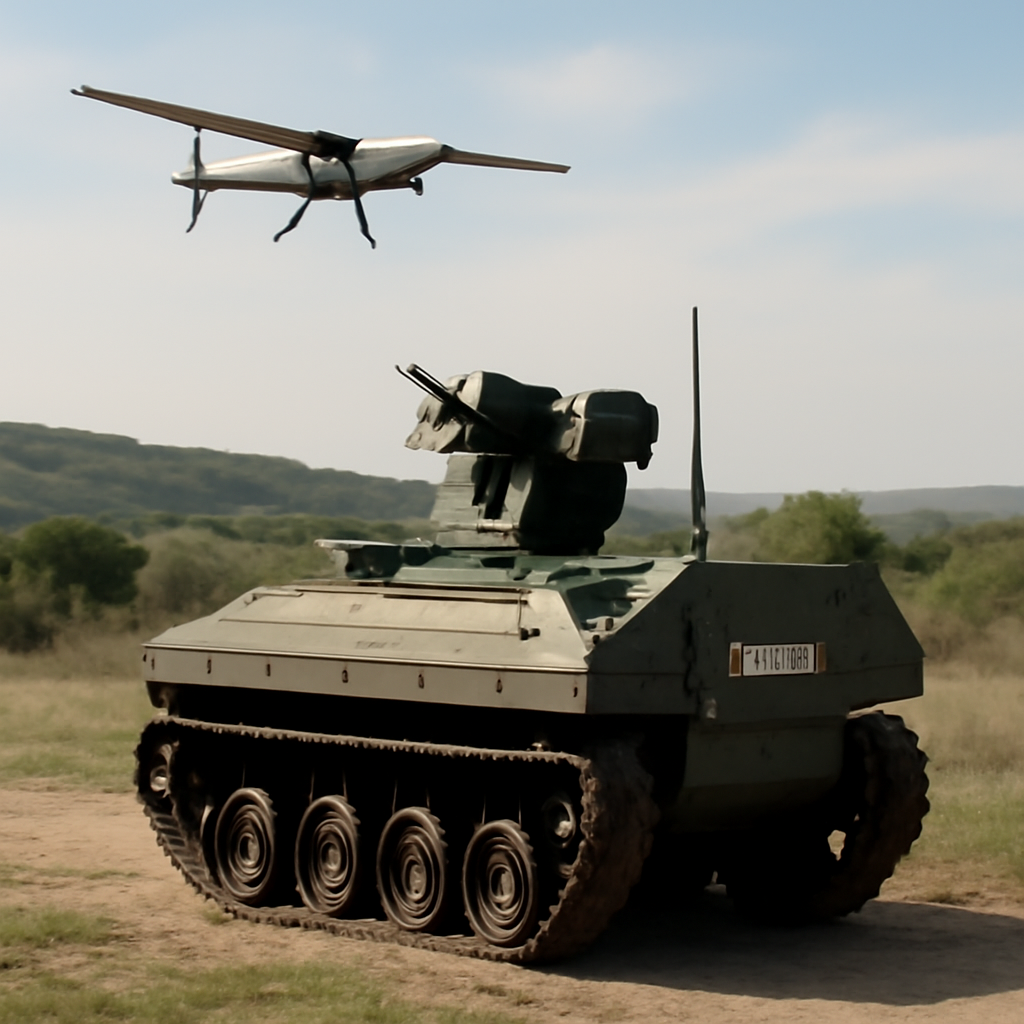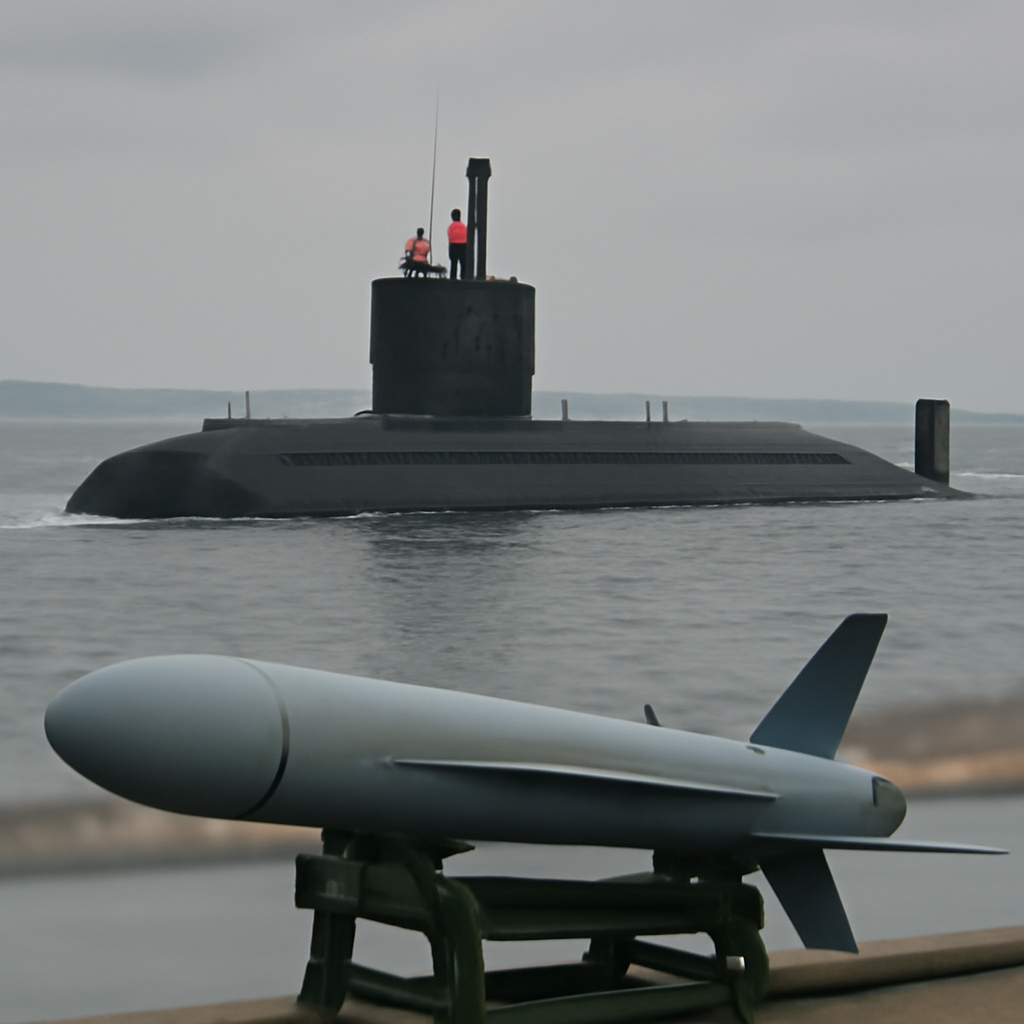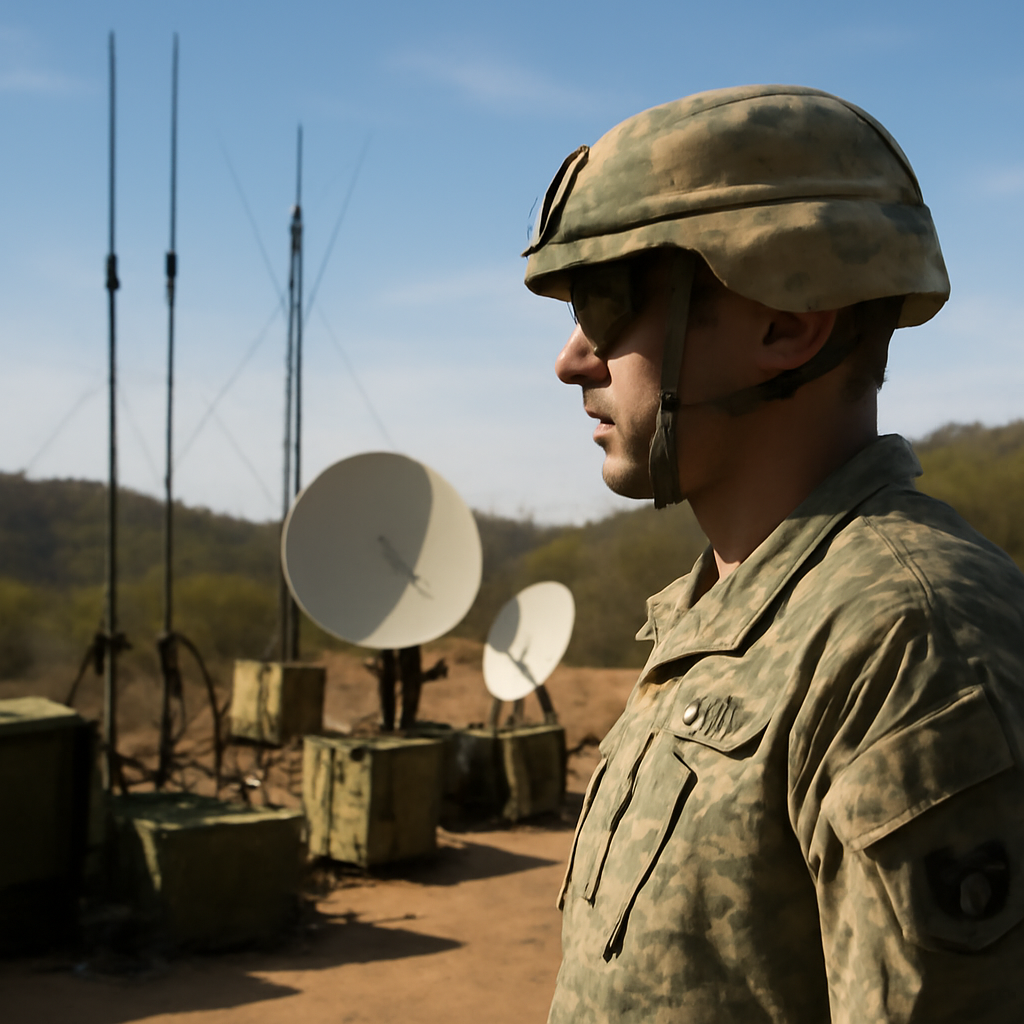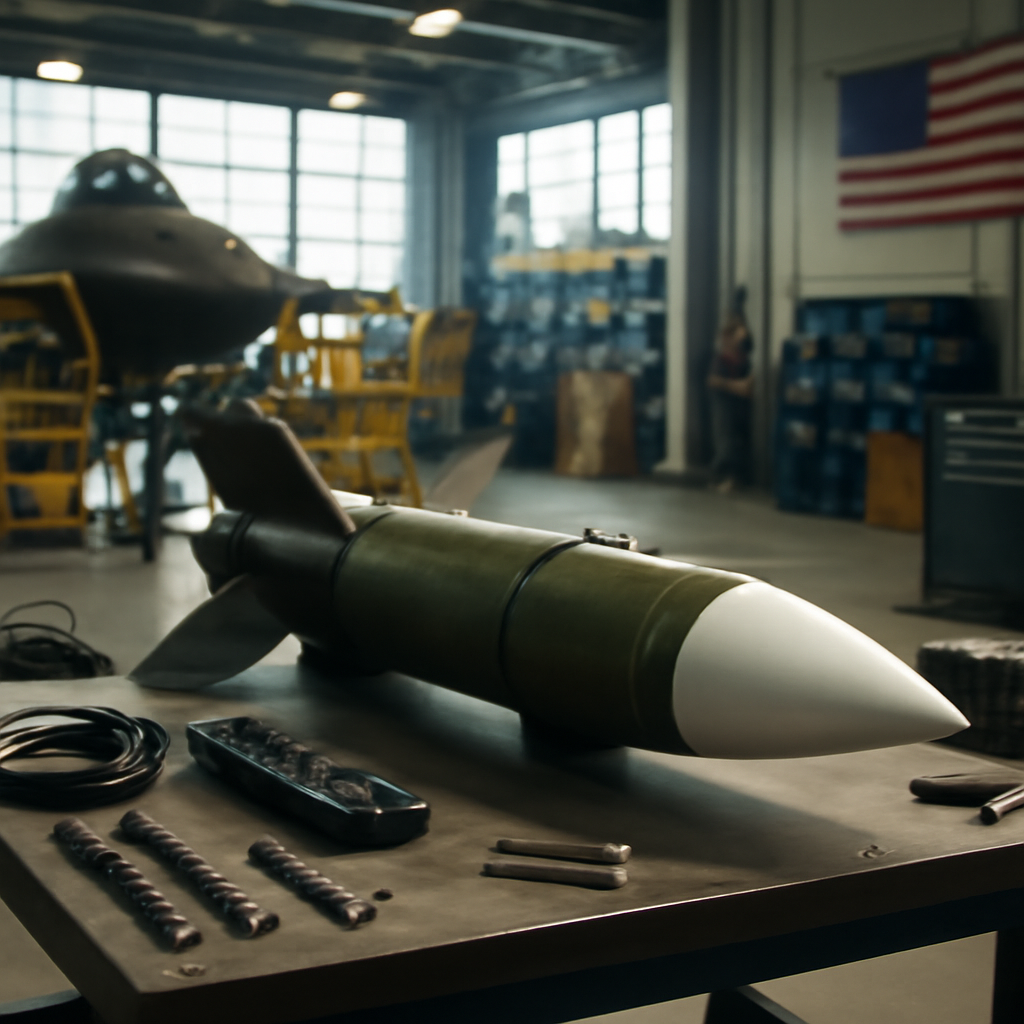
An F-35 fighter requires more than 400 kilograms of rare earths to build — one concrete measure of how deeply modern weapons are tied to a handful of minerals and the countries that control them.
China's concentration: mining, processing, and market power
China dominates the raw and intermediate layers of the military supply chain. According to the U.S. Department of Defense and the U.S. Geological Survey figures quoted in the reporting, China accounted for roughly 70 percent of rare earth mining and more than 90 percent of rare earth processing. In 2025 Beijing mined an estimated 270,000 metric tons out of a global total of 390,000 tons — about 69 percent. The USGS also reported that China leads global production in 30 of 44 critical minerals and maintains, in each of those 30 minerals, at least one monopoly in mining, refining, or processing.
Samarium, neodymium magnets and tungsten: what is at stake
Some rare earths have outsized roles. Neodymium magnets — often alloyed with dysprosium, terbium, samarium and cobalt — deliver high magnetic force at low mass and are essential for motors, guidance systems and high-performance sensors. Finished rare earth magnets are produced overwhelmingly in China; the reporting states China produces over 90 percent of the world’s rare earth magnets.
Samarium, highlighted in the report as “the most important rare earth you have never heard of,” is critical across chemical manufacturing, cancer treatment, nuclear reactors and satellites — and Chinese companies effectively control global samarium processing. Beijing restricted samarium exports for military applications following tariff tensions with Washington at the start of U.S. President Donald Trump’s second term in 2025, blocking a direct supply route to American weapons makers. One emergency exception — a long‑forgotten cache in France — required processing at costs more than five times typical Chinese export prices.
Tungsten is similarly strategic. China produces over 80 percent of the world’s tungsten, and after Beijing’s export controls took effect Chinese exports of tungsten fell by almost 40 percent year on year, producing sharp price rises. Tungsten is used for armor‑piercing rounds, radiation shielding in submarines, and the cutting and drilling tools needed throughout military fabrication.

Audit-ready is a season. It shouldn't be.
Evidence in spreadsheets, controls drifting between audits, frameworks multiplying on flat headcount. Nubivance runs continuous compliance on Rapid7 Cyber GRC - SOC 2, HIPAA, ISO 27001, PCI, CMMC.
End the scrambleExport controls since April 2025 and immediate manufacturing impacts
Beijing’s initial export controls began in April 2025; after early negotiations with the United States and the European Union, some controls were delayed but a basic vetting requirement — that Chinese exporters carefully screen foreign buyers and reject sales destined for military applications — has largely remained in effect since 2025. That barrier effectively shuts many American weapons manufacturers out of direct access to Chinese rare earth materials and finished components.
Because manufacturers typically hold inventories, the full downstream effects lagged. But the first tangible outcomes are now visible. A reported batch of new F‑35s was delivered without their AN/APG‑85 radars, leaving the aircraft unusable in combat and suitable only for limited training. Combat drone deliveries have been delayed; samarium has been offered at prices up to 60 times the pre‑control average. And a year of conflict with Iran further strained inventories: the United States reportedly expended “virtually all” of its available ATACMS and Precision Strike Missiles, roughly half of its Tomahawk cruise missiles, and substantial portions of its Patriot and THAAD interceptors. The Pentagon has signed agreements intended to triple Patriot component production and quadruple THAAD production, but the reporting notes doubts about whether strained supply chains can support such surges.
U.S. investments and allied partnerships
Washington has moved to seed alternative capacity. In July 2025 the Pentagon agreed to invest $400 million in MP Materials, operator of the only active rare earth mine in the United States; that package included a $150 million loan, a commitment to purchase output from a planned magnet factory, and price guarantees. A year later the Pentagon announced a $25 million investment in ReElement Technologies to expand domestic processing of gallium and germanium. Internationally, the United States and Australia committed a combined $3 billion to critical mineral mining and processing projects in October 2025, and the U.S. has invested more than $70 million in Canadian mineral projects through the Defense Production Act as part of the multinational Minerals Security Partnership begun in 2022.
Industrial reality: timelines, processing and manufacturing challenges
Money and partnerships are necessary but not sufficient. New mine construction in the United States typically takes an average of 29 years to complete, owing to surveying, permitting, planning and infrastructure demands. Once ore is extracted, processing facilities must be built and scaled to produce finished materials of consistent quality at margins that can compete with established Chinese producers. Even with domestic refined materials, finished magnets and semiconductors require distinct manufacturing capabilities and skilled workforces; the reporting notes uncertainty over whether the United States has the required technical expertise and labor at the needed scale.
What this means for the Pentagon, American weapons manufacturers, and Australia and Canada
- Pentagon: Faces depleted inventories and intense pressure to accelerate production for Patriot, THAAD and other systems while confronting uncertain access to the raw materials needed to meet those production targets.
- American weapons manufacturers: Have struggled to find alternative samarium and magnet supplies; one exception was the costly French cache, and many manufacturers remain effectively shut out from Chinese exports due to the vetting and export controls.
- Australia and Canada: Are recipients of U.S. investment and partnership commitments intended to diversify supply chains — projects that could supply alternatives over the long term but which will face long build times and scaling challenges.
China’s control of extraction, refining and finished magnetic components has turned strategic minerals into a chokepoint. How long American F‑35s will continue to go without their radars is anybody’s guess.
Original reporting — The Diplomat: "The US Military Can’t Function Without China"