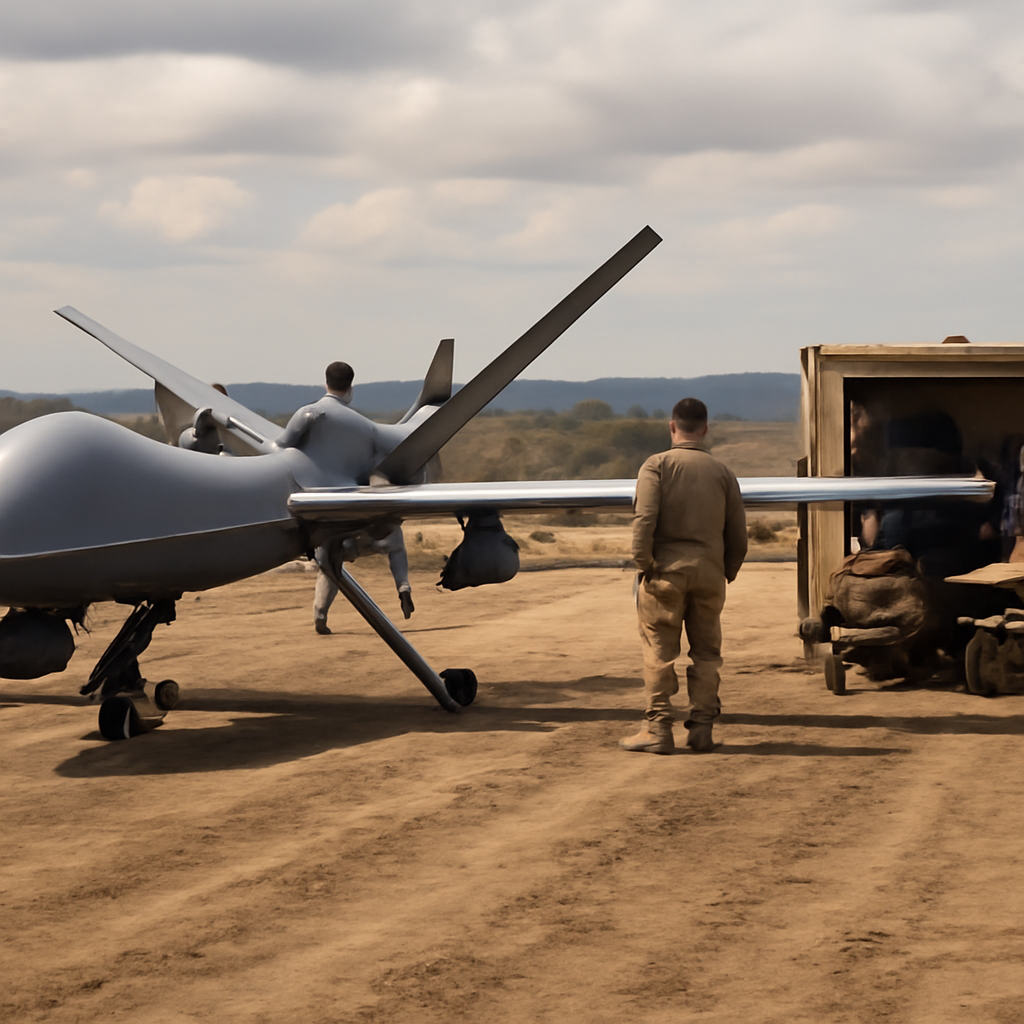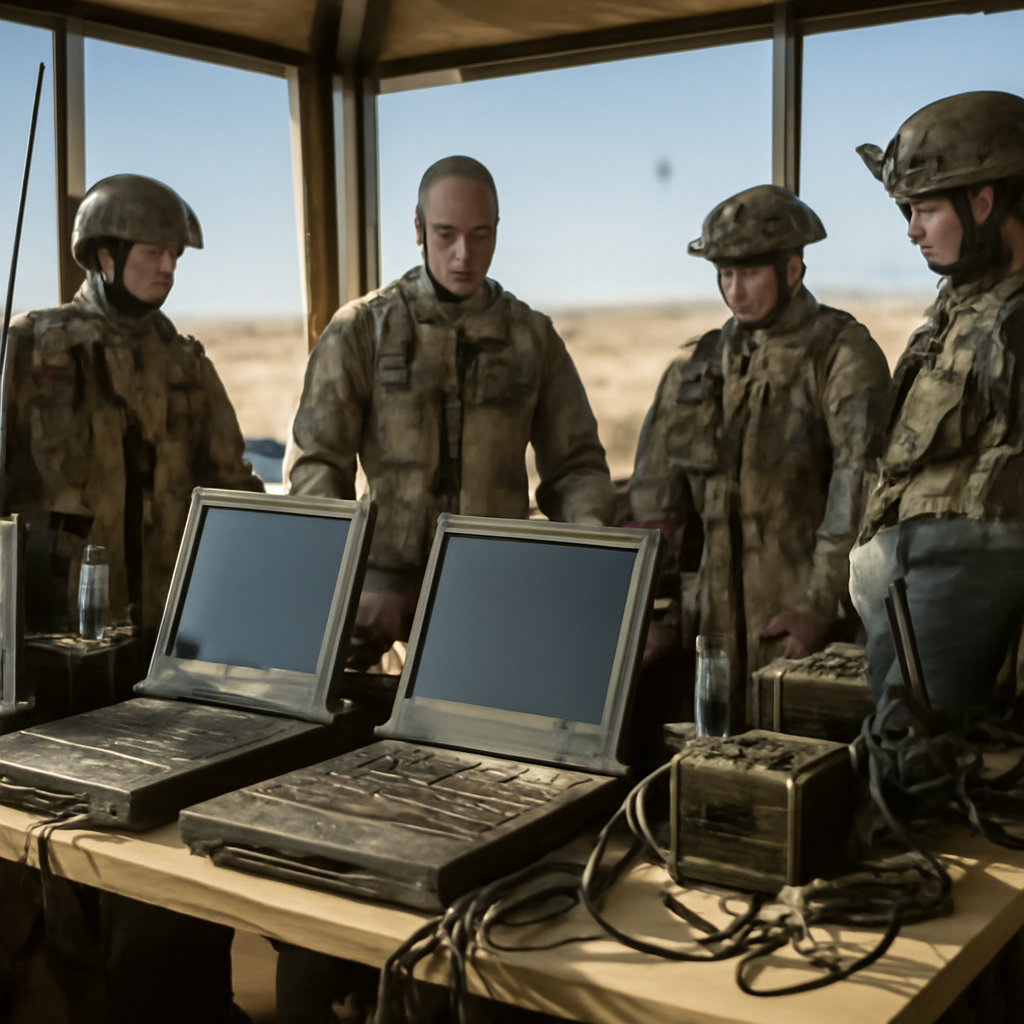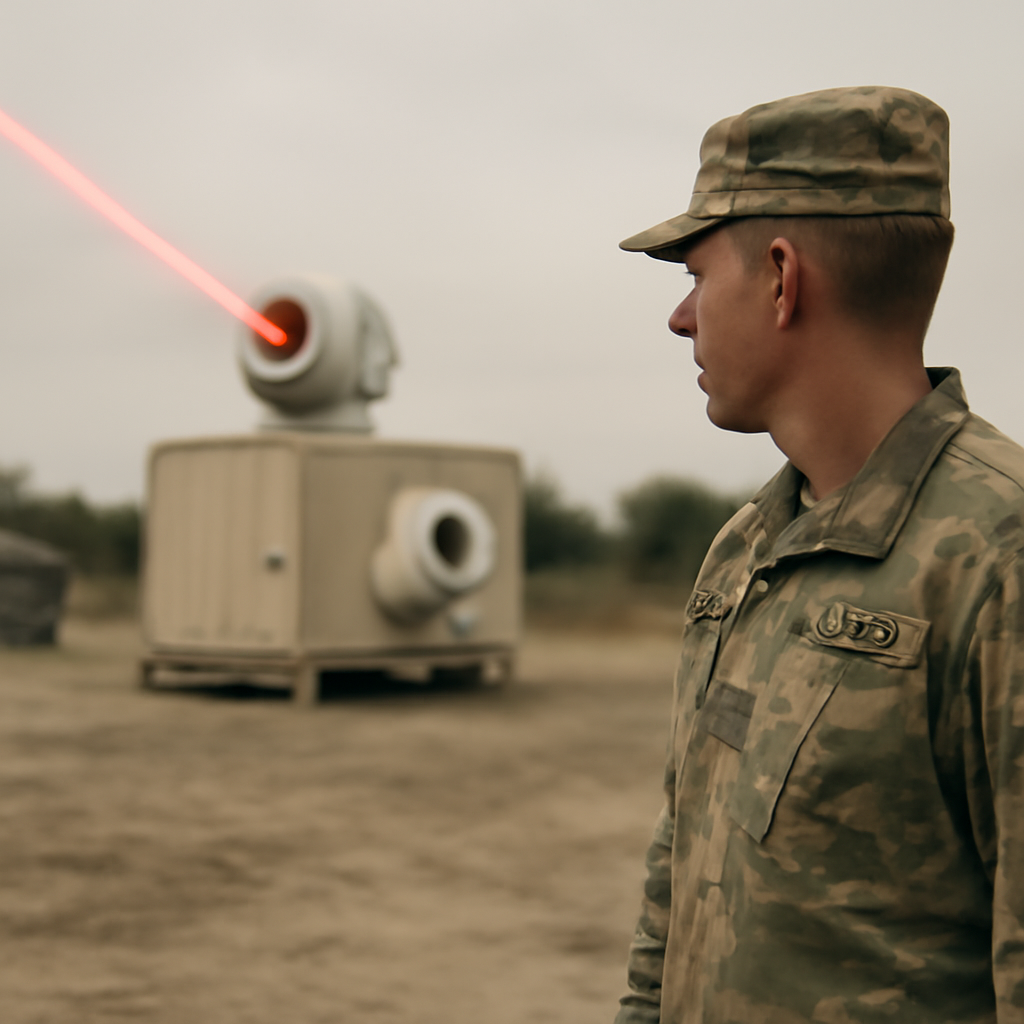
“Integrating systems like lasers or high-powered microwaves, there's a pretty significant burden of implementing that across training and organizations,” Lt. Gen. John Rafferty said at the Space and Missile Defense Symposium in Huntsville, Ala., framing the Army’s central tension: the technology is arriving, but the human and logistical work to make it usable must follow.
Lt. Gen. John Rafferty on balancing interceptors and directed energy
Rafferty, who leads Army Space and Missile Defense Command, argued the Army needs a missile-defeat strategy that gives “equal standing” to traditional interceptors and to non-kinetic options. In his keynote he called for a comprehensive approach that “focuses on interceptors—equally so on non-kinetic effects, both electronic warfare and directed energy—and the type of targeting [command and control].” He also pressed for the ability to move sensitive data to lower classification levels so forces can “make decisions to engage targets faster.”
Command Sgt. Maj. Rickey Jackson on training and acceptable risk
Rafferty’s top enlisted advisor, Command Sgt. Maj. Rickey Jackson, reinforced the point: new capabilities must be matched with training. “I know everyone's talking about faster, cheaper—all those things are needed. But what's most important is our soldiers need to be trained on it,” Jackson told reporters. He warned against assuming too much risk because “the soldiers are the ones that are going to have to use it and implement it,” and said he was eager to hear industry perspectives during the symposium so that soldiers get what they need.

The cyber insurance questionnaire just landed. Now what?
SOC 2, HIPAA, insurance renewals - someone has to own security strategy. Nubivance provides fractional CISO leadership without the full-time salary.
Get a security leadWhite Sands test: integrating command-and-control was the hard part
Rafferty described a recent Army test at White Sands in which non-kinetic weapons were used and multiple command-and-control systems were synchronized. “The individual systems worked, right, because they're all systems that exist right now. That wasn't the trick. The trick was integrating them into a command-and-control system to make sense of and then assign effectors against those targets,” he said. The exercise aimed to give soldiers a clearer picture of the battlefield so they could “pick the right weapon for the incoming threat,” reflecting a combined-arms view of missile defeat.
Programs on the horizon: Joint Laser Weapon System, Enduring High Energy Laser, and HELIOS
The Pentagon’s long-held vision for directed energy is approaching operational reality, Rafferty said. He cited nascent and operational programs by name: the Army-Navy Joint Laser Weapon System and the Army’s Enduring High Energy Laser as programs in development, and the Navy’s HELIOS drone-dazzler as an operational system. Those programs, he implied, make the technical case that directed energy can transition from concept to fielded effectors once integration and support challenges are met.
Logistics and sustainment: power, packaging, and field repair
Rafferty acknowledged technical challenges beyond integration: guaranteeing an adequate power source, “maneuvering and supporting” the system, and packaging and ruggedizing components so units can use them in operational conditions. Tom Karako, a missile-defense expert at the Center for Strategic and International Studies, told Fox News that the question “isn't about the laser anymore. It’s really about putting it together, packaging it, making it ruggedized, and coming up with the doctrine and the techniques…the sustainment that needs to be done to go from a high-end technological capability to a no-kidding weapons system that’s able to be…usable by 20-year-old sergeants.” Karako added that systems must operate in bad weather and austere conditions and be repairable in the field.
What this means for soldiers, industry, and defense planners
- Soldiers: Expect new weapons effects to arrive that will require hands-on training, doctrine updates, and exposure to integrated C2 flows so they can choose between interceptors and non-kinetic options under time pressure.
- Industry: Will be pressed to deliver not only directed-energy hardware but portable power solutions, ruggedized packaging, and maintenance concepts that fit brigade- and battalion-level units, responding to requests raised at the symposium.
- Defense planners and acquisition: Must weigh integration of C2 and lowering data classification barriers against sustainment realities; Rafferty signaled confidence in the Army’s ability to equip, while stressing the need to move decisions and data faster.
Rafferty summed the trade-offs plainly: the hardware largely exists; the work now is integration, doctrine, and logistics so systems become usable weapons—not lab curiosities—by front-line units. The remaining test is procedural and institutional as much as technical: can training timelines, power and sustainment solutions, and C2 reforms keep pace with the arrival of lasers and other non-kinetic options? Command Sgt. Maj. Jackson’s call to avoid assuming “too much risk” underlines the immediate metric the Army will use to judge success.