Tag: military strategy
160 articles
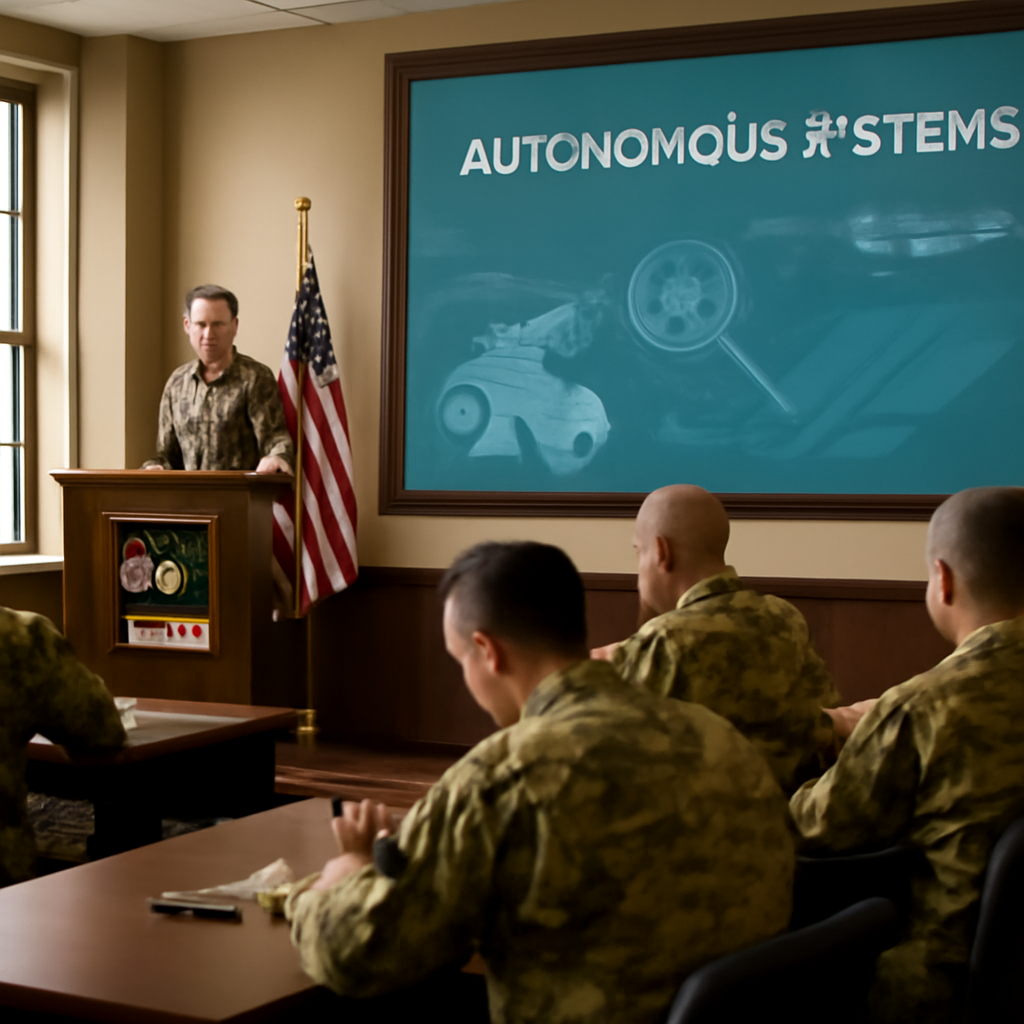
Army Overhauls Command Structure to Bolster Autonomy, Indo-Pacific Presence
The Army is shaking things up with a bold new move: renaming its Futures and Concepts Command to the Futures and Autonomous Systems Command (FASCOM), a clear signal that autonomous systems and drones are top priority. This structural shift is all about bolstering autonomy and beefing up the Army's presence in the Indo-Pacific region.

Underground Warfare Exposes New Limits of Military Superiority
Military superiority isn't what it used to be - in Ukraine, Iran, and Gaza, we've seen a new pattern emerge where superior forces are being checked by defenders who take their operations underground and keep vital supplies flowing. As surface forces become increasingly visible and vulnerable, national-security planners may need to rethink whether great military power alone can still guarantee a quick win.

Australia's Northern Logistics Gap Threatens Littoral Force Effectiveness
To unleash the full potential of its littoral force, Australia urgently needs a seamless northern logistics network that combines military and civilian resources. A cohesive system would enable key nodes in Darwin, Townsville, and northwestern Australia to work in harmony, boosting the nation's defence capabilities.

Pentagon Report Downplays Key Threats in National Defense Strategy Update
The Pentagon's recent report to Congress seems to be at odds with Poland's enthusiastic declaration of alliance strength with the US, downplaying key threats in its update to the National Defense Strategy. While Poland boasts of an unprecedentedly strong partnership with America, the Pentagon's update focuses on progress made in areas like accelerating weapons production and boosting European defense spending.
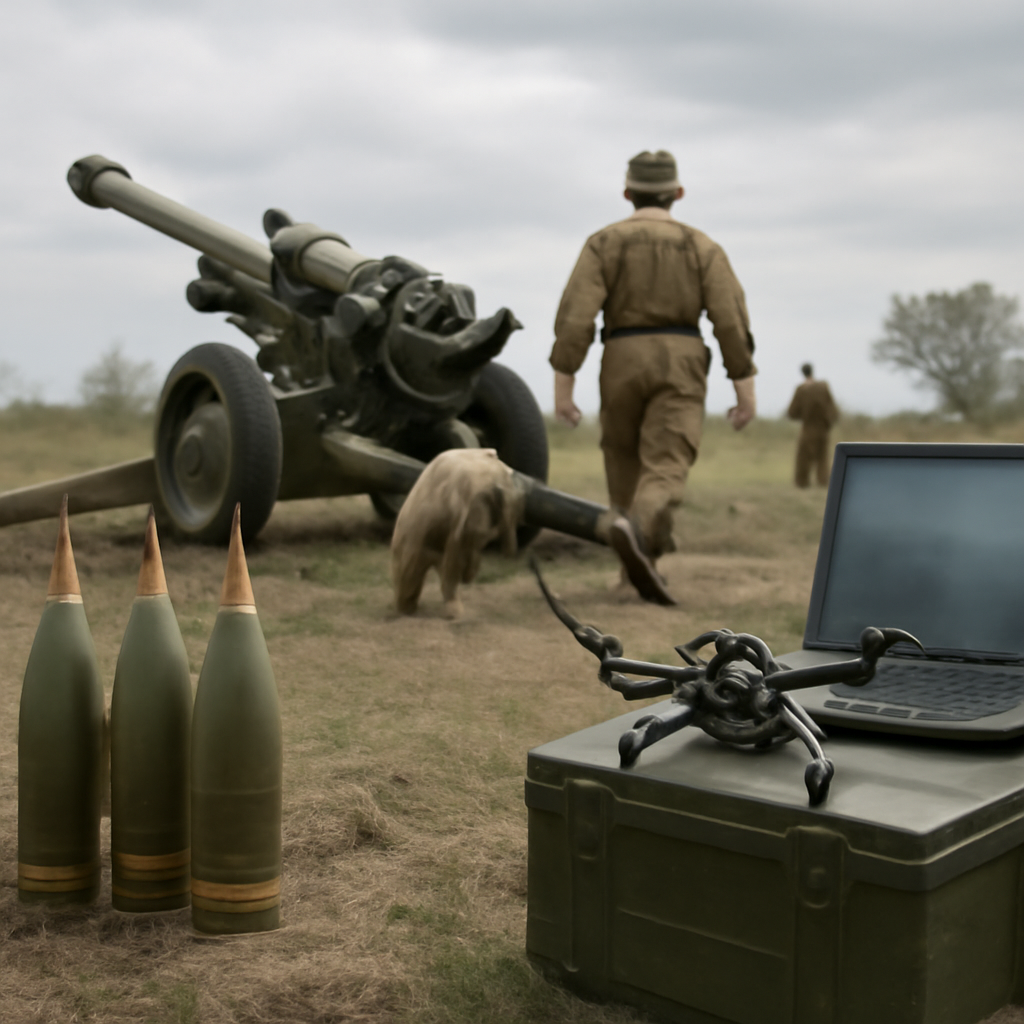
Ukraine Shifts to Unguided Artillery Shells, Redefines Accuracy Paradigm
Ukraine's 7th Artillery Brigade is ditching high-tech guided shells for good old-fashioned unguided rounds - and finding accuracy in an unlikely partnership with FPV drones. By shifting the accuracy burden to the gun itself and leveraging drone tech, they're redefining what's possible with traditional artillery.
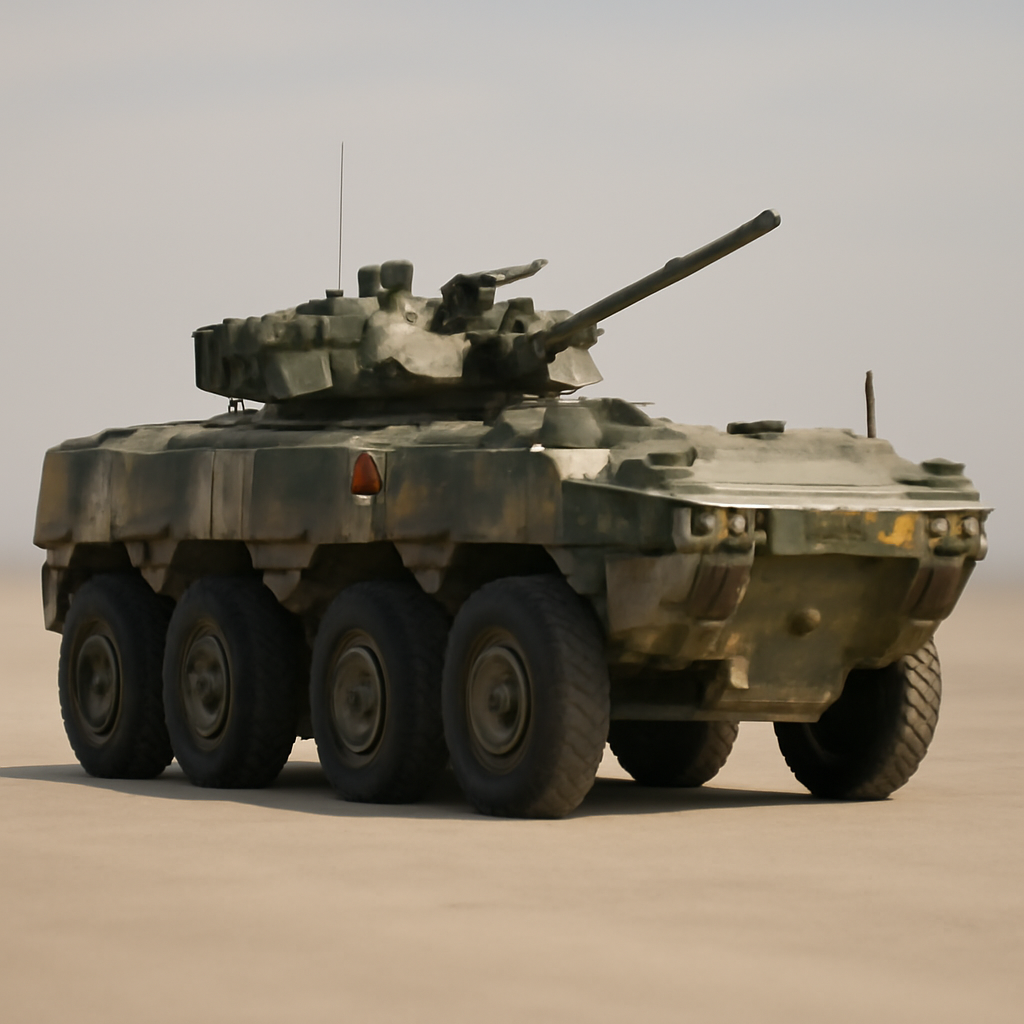
PLA Unit Identification Uncovered Through Tactical Vehicle Markings
Cracking the code of PLA unit identification just got a little easier, thanks to a clever clue: a single phrase, "Big 8-Wheeler," that narrows down the field to just a few possibilities. This small but telling detail from state media reporting can help decode the mysterious world of PLA unit identification.

Pentagon Eyes Lunar Battlespace Amid Orbital Weapons Debate
The Pentagon is setting its sights on the lunar battlespace, with Gen. Dan Caine urging the Joint Force to prepare for combat in a vast, contested territory that now stretches from the seabed to cislunar space.

Army Unveils Biodefense Strategy to Counter AI-Powered Biowarfare by 2035
The Army is overhauling its biodefense strategy to stay ahead of rapidly evolving biological and AI threats, aiming to be ready to deploy, fight, and win decisively in a bio-contested environment by 2035. This bold plan transforms biodefense from a niche specialty to a core warfighting priority, with a focus on adaptability and comprehensive preparedness.

US Space Ambitions Spark Funding Debate
The White House's bold space-launch ambitions are hitting a roadblock: funding. With a lofty goal of over 1,000 US space launches per year by 2030, the question on everyone's mind is, where will the money come from?
US Army Unveils Biodefense Strategy to Counter Pandemic, Adversary Threats
The US Army is bolstering its defenses against pandemic and biological threats with a new strategy that ensures global health events won't hinder its operations. By 2035, the Army aims to implement five key initiatives, starting with building a team of expert scientists, medical professionals, and operators to tackle biodefense challenges.

USAF Targets Software Superiority Through Collaborative Innovation
The Department of the Air Force has redefined what it means to be ahead of the game: it's no longer just about having the best weapon systems, but also about having software superiority to outmaneuver and outsmart adversaries across air, land, cyber, and information domains.
US Army Must Optimize for Adaptability
The US Army needs to shift its focus from predicting the future to adapting to the unexpected, because the next crisis will likely arrive with little warning. By optimizing for uncertainty, the Army can respond effectively to surprise attacks and rapidly evolving situations.
China's PLA Analyzes Iran War to Refine Modern Warfare Concepts
The People's Liberation Army is rethinking modern warfare after studying the Iran conflict, where they saw a shift from traditional battles to a complex game of networked competition. This new approach, dubbed "systems competition," focuses on distributed command and integrated strategies.

PLAAF Bomber Trainer Exposes China's Thrifty Military Strategy
China's air force has cracked the code on cost-effective bomber training by repurposing transport planes into stand-ins, revealing a refreshingly thrifty approach to military strategy. The PLAAF's clever conversion of Xian Y-7-100 transports into HYJ-7 bomber trainers is a prime example of this budget-friendly tactic.

US Department of War Targets AI-Driven Cyber Edge
The US Department of War is revolutionizing its approach to cyber warfare, recognizing that success in the digital domain is crucial to national security and modern warfare. Cyber capabilities can no longer be siloed, but must be seamlessly integrated into every mission to stay ahead of emerging threats.
Russia's Pacific Submarines Bolster China's Military Options
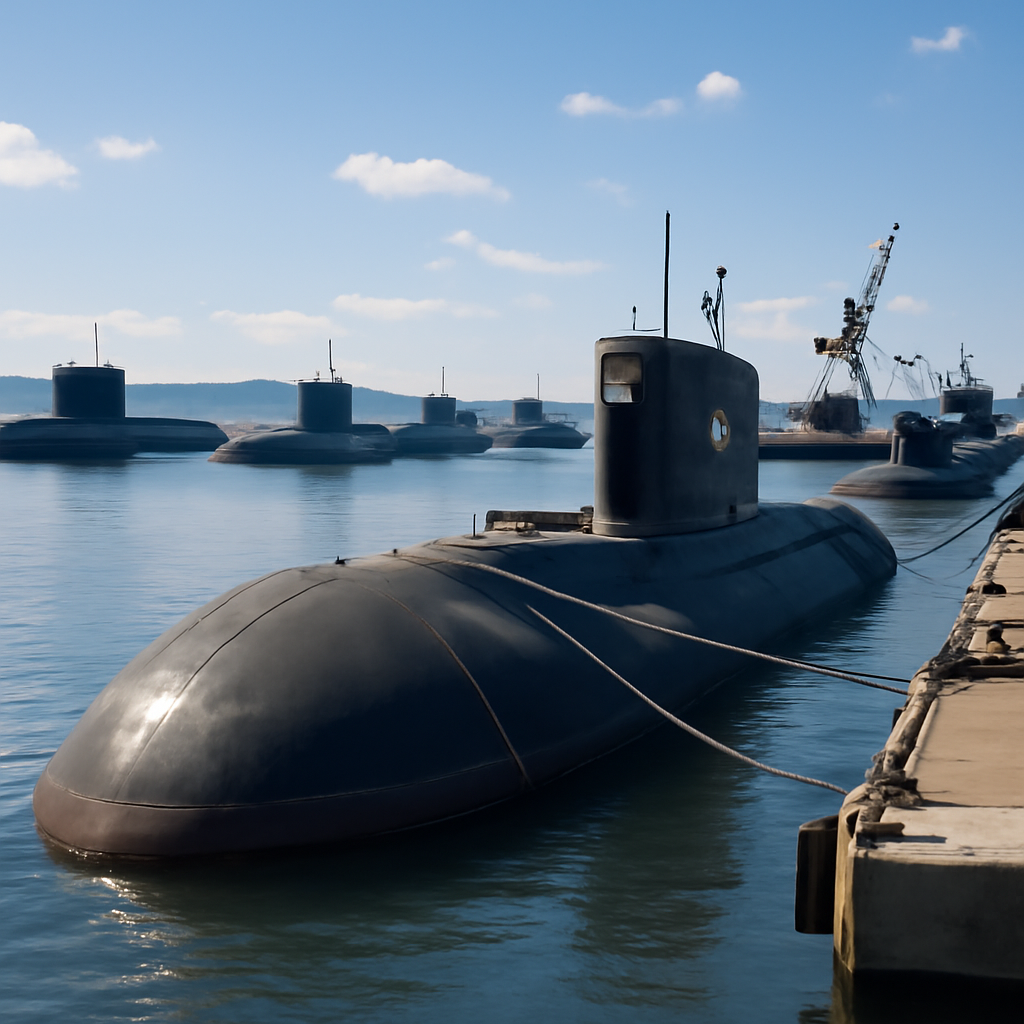
Russia's impressive fleet of 23 Pacific submarines - outnumbering China's northern fleet by six vessels - significantly expands China's military options in the region. This substantial naval presence could play a game-changing role in a future Pacific crisis.

US Space Command Targets Anti-Satellite Capabilities as Top Priority
In space, there's no room for retreat - and that's why US Space Command is prioritizing the development of anti-satellite capabilities to protect its interests and deter potential threats. Gen. Stephen Whiting is sending a clear message: it's time to build new offensive capabilities to fight for control of orbit.

US Space Command Seeks Kinetic Fires to Establish Space Superiority
The US Space Command is on a mission to dominate space - and they're seeking a game-changing arsenal of kinetic firepower to get there. To win wars and restore credible deterrence, Gen. Stephen Whiting says the US needs a powerful mix of kinetic and non-kinetic capabilities.
US Space Command Seeks Kinetic, Non-Kinetic Weapons for Space Superiority
US Space Command is on a mission to win wars - and to do that, they need a game-changing arsenal of kinetic and non-kinetic space superiority weapons, says Gen. Stephen Whiting. The commander's top priorities include integrated space fires and countering satellite constellations to restore credible deterrence.

Australia's New Defence Chief Charts Course on Deterrence, Integration
Admiral Mark Hammond is shaking things up as the new head of the Australian Defence Force, starting with a bold move to restore "command" to the ADF's nomenclature, signaling a sharper focus on operations and warfighting readiness. This change sets the tone for what promises to be a transformative four-year tenure.

Military Protection Redefined in Drone Age
In the drone age, the real challenge for militaries is preserving freedom of action - the ability to maneuver, fight, and prevail - as autonomous systems and countermeasures transform the battlespace. It's a mission that goes far beyond keeping soldiers and platforms safe, encompassing the very fabric of industrial bases, supply chains, and software arsenals.
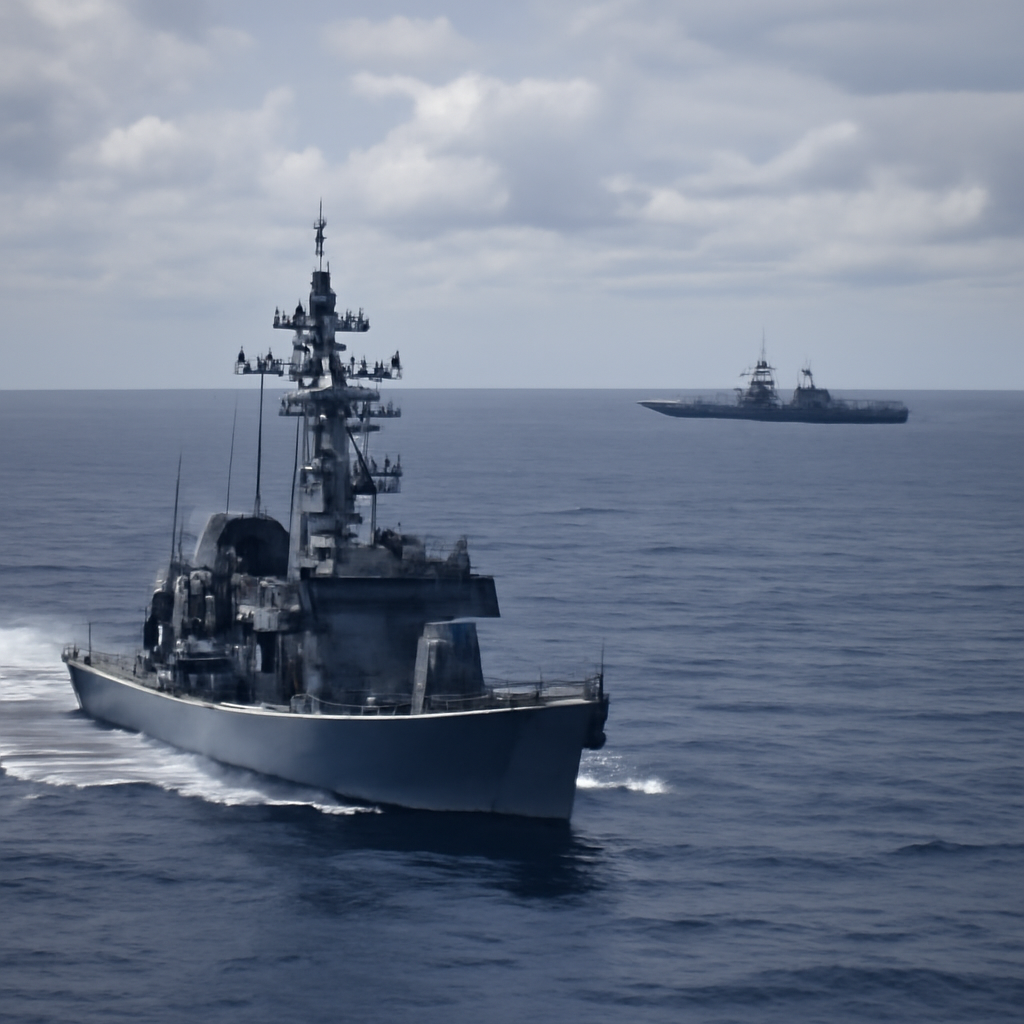
Japan Warns of China's Deepening Military Reach in Pacific
China's military reach is expanding at an alarming rate, with the People's Liberation Army now actively projecting power into the Pacific beyond the First Island Chain, a development that Japan's government has identified as a critical threat to its peace and security.
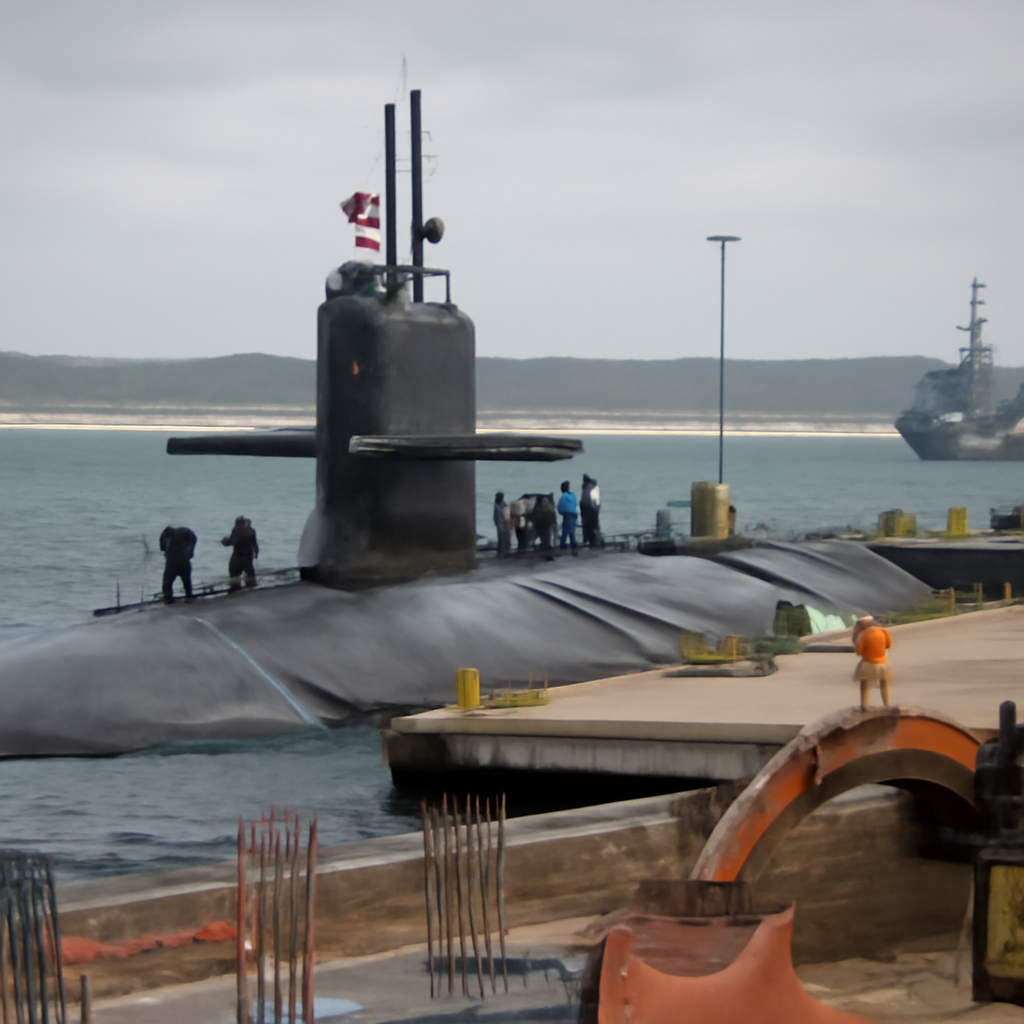
US Submarine Deployment Exposes Australia's War Planning Dilemma
Australia is set to host a powerful US submarine force at HMAS Stirling from 2027, raising crucial questions about how this combat squadron would be deployed in war and how it aligns with Australia's commitments. A US Submarine Rotational Force–West will be established, consisting of up to four attack submarines with supporting infrastructure and facilities.

China Coast Guard Adopts Heavy Infantry Tactics for Naval Combat
The Chinese Coast Guard is ramping up its naval combat tactics by adopting a heavy infantry approach, essentially turning sea battles into land battles by using long pikes, tight ranks, and a wall of shields to hold ground. This phalanx-style strategy marks a significant shift in their doctrine and equipment.