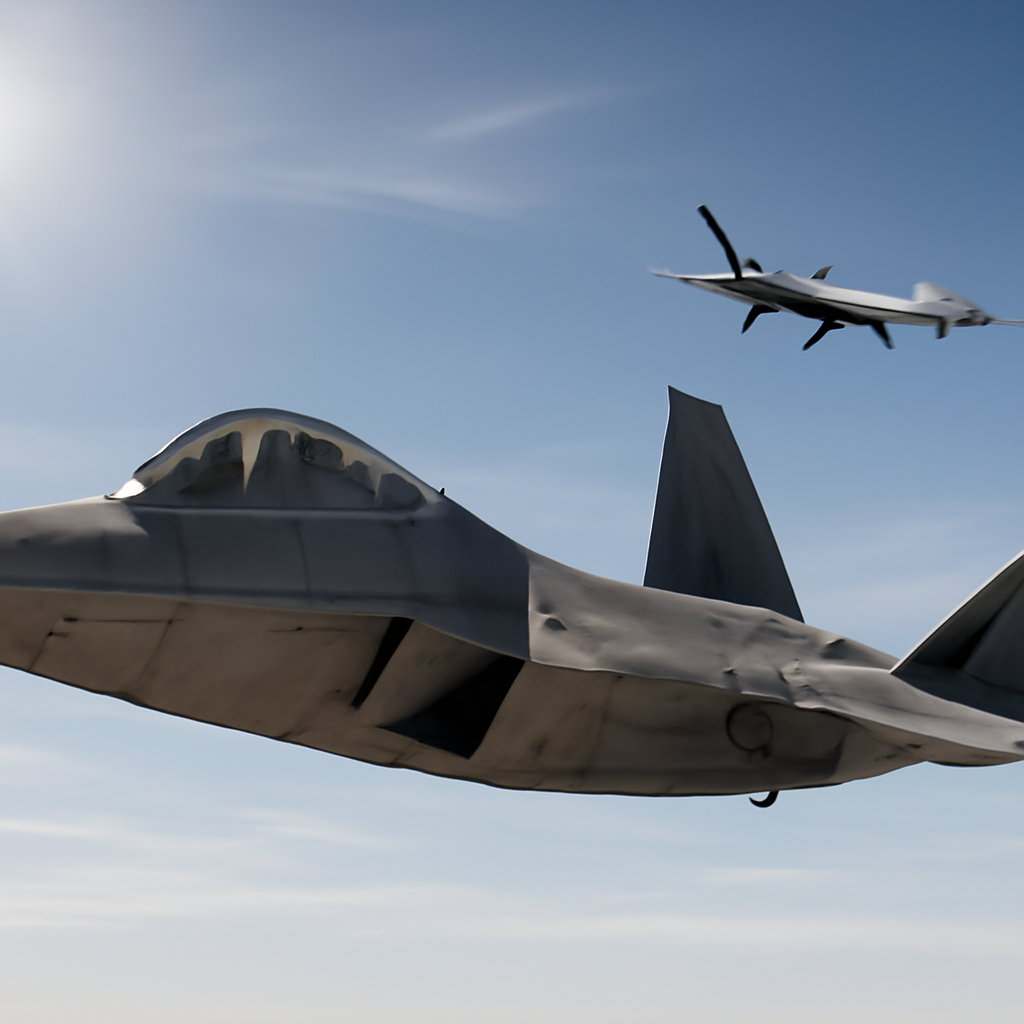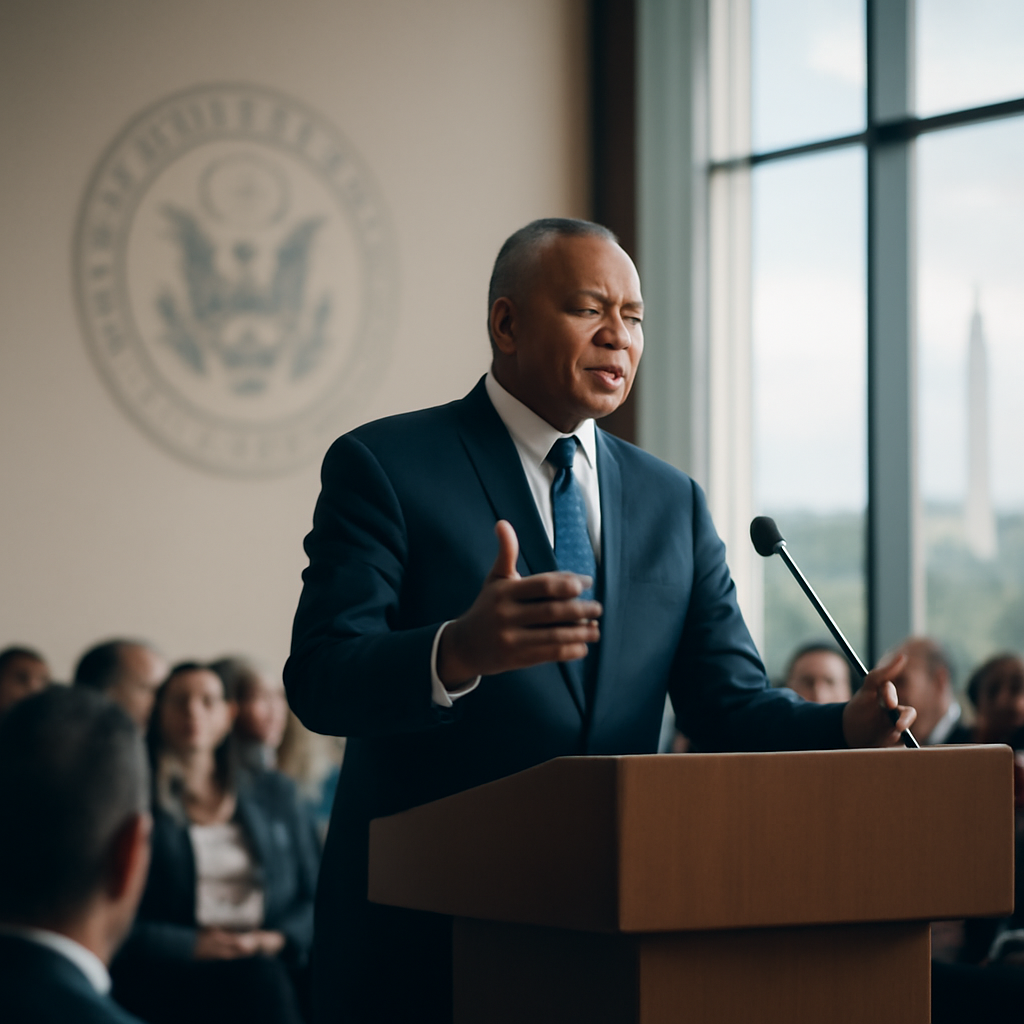
"connective tissue of all domain warfare," said Katherine Sutton, Assistant Secretary of War for Cyber Policy and Principal Cyber Advisor to the Secretary of War, at TechNet Cyber 2026.
Katherine Sutton: cyberspace can’t be an operational silo
At TechNet Cyber 2026 the Department of War (DoW) framed a central premise plainly: warfare and national security increasingly depend on success in the digital domain, and cyberspace can no longer be treated as an operational silo. Sutton used that image to argue that cyber capabilities must be built into every mission, not parked on the margins. The conference, which centered on emerging technologies, highlighted specific operational challenges the DoW faces: workforce development, legacy system integration, and accelerating deployment.
Three DoW focus areas and the accelerating role of AI
The DoW has identified three prioritized lines of effort: ensuring cyber capabilities are an integral part of operation plans, securing a strategic advantage in cyberspace, and developing skilled cyber talent. Across all three, the government’s accelerating adoption of artificial intelligence is presented as both a driver and a risk. Chad Hess of SkyEdge Systems summarized the trade-off: “While AI is a powerful enabler of decision-making, cyber defense, and mission effectiveness, it also introduces new risks and threat vectors.” He added that “Successful AI adoption requires strong governance, data protection, model oversight, and human accountability.”

Audit-ready is a season. It shouldn't be.
Evidence in spreadsheets, controls drifting between audits, frameworks multiplying on flat headcount. Nubivance runs continuous compliance on Rapid7 Cyber GRC - SOC 2, HIPAA, ISO 27001, PCI, CMMC.
End the scrambleFrontier AI and the operating environment, per Lt. Gen. Paul Stanton
Frontier AI—the most advanced general-purpose models at a given time—was singled out as adding complexity. Lt. Gen. Paul Stanton, director of the Defense Information Systems Agency (DISA), said frontier models can be both a tool for identifying network vulnerabilities and an asset for threat actors who can exploit openings at speed. Stanton told the TechNet Cyber audience he believes the technology “will change the delivery of warfighting capabilities,” pointing to a shift in how mission effects might be produced and protected.
DISA’s new “teamwork” mindset toward industry partners
To remediate vulnerabilities across the Department of War Information Network at speed and scale, Stanton described a new approach that emphasizes stronger government-industry partnerships. He said current relationships are often transactional and task based; DISA now expects vendors to act as execution partners who share risk and mission with the agency. “If you’re contracted with us, you’re on the team,” Stanton said, adding that individual and collective tasks must be organized “towards an actual mission, towards an objective and towards an outcome.” The message reframes vendors from vendors-of-record to partners-in-execution.
Why both large primes and small businesses matter — Tabbitha Pham
DISA and other defense agencies, attendees heard, will need both ends of the industrial spectrum to maintain a technical edge. Tabbitha Pham, Senior Business Analyst at SecuriGence, explained the division of labor: “Large primes provide scale, but small businesses provide agility, specialization, and rapid adaptation.” In an era the source described as defined by “cyber conflict, AI, Zero Trust, and classified modernization,” the combination of scale and agility is presented as necessary to outpace adversaries while delivering at operational tempo.
What this means for DISA, vendors, and mission-ready cyber talent
- DISA: will prioritize partnerships that move beyond transactional work to shared risk and mission outcomes, and will factor frontier AI’s operational effects into how it delivers warfighting capabilities.
- Vendors (large primes and small businesses): are expected to act as execution partners; large primes will offer scale while small businesses are relied upon for agility, specialization, and rapid adaptation.
- Cyber talent and workforce planners: will be central to the DoW’s efforts — developing skilled cyber talent is one of the three DoW focus areas, and topics at TechNet Augusta include developing mission-ready cyber talent and AI governance.
TechNet Cyber 2026 closed with a clear near-term path: the DoW and DISA are signaling an organizational and industrial shift to integrate cyber across operations, accelerate AI adoption under governance guardrails, and bind private partners into mission execution. The conversation will continue at TechNet Augusta, scheduled for August 17–20 in Augusta, GA, where sessions on AI governance, cyber maturity, and mission-ready talent are set to refine how the digital domain is woven into modern warfare.
Source: Success in Cyber Conflict Depends on AI and Collaboration — governmenttechnologyinsider.com