"the foundation" of the joint force, the Army declared — and on day two of AUSA 2026 it backed that claim with a structural change meant to signal where the service intends to focus next.
Gen. Chris LaNeve redesignates Futures and Concepts Command as FASCOM
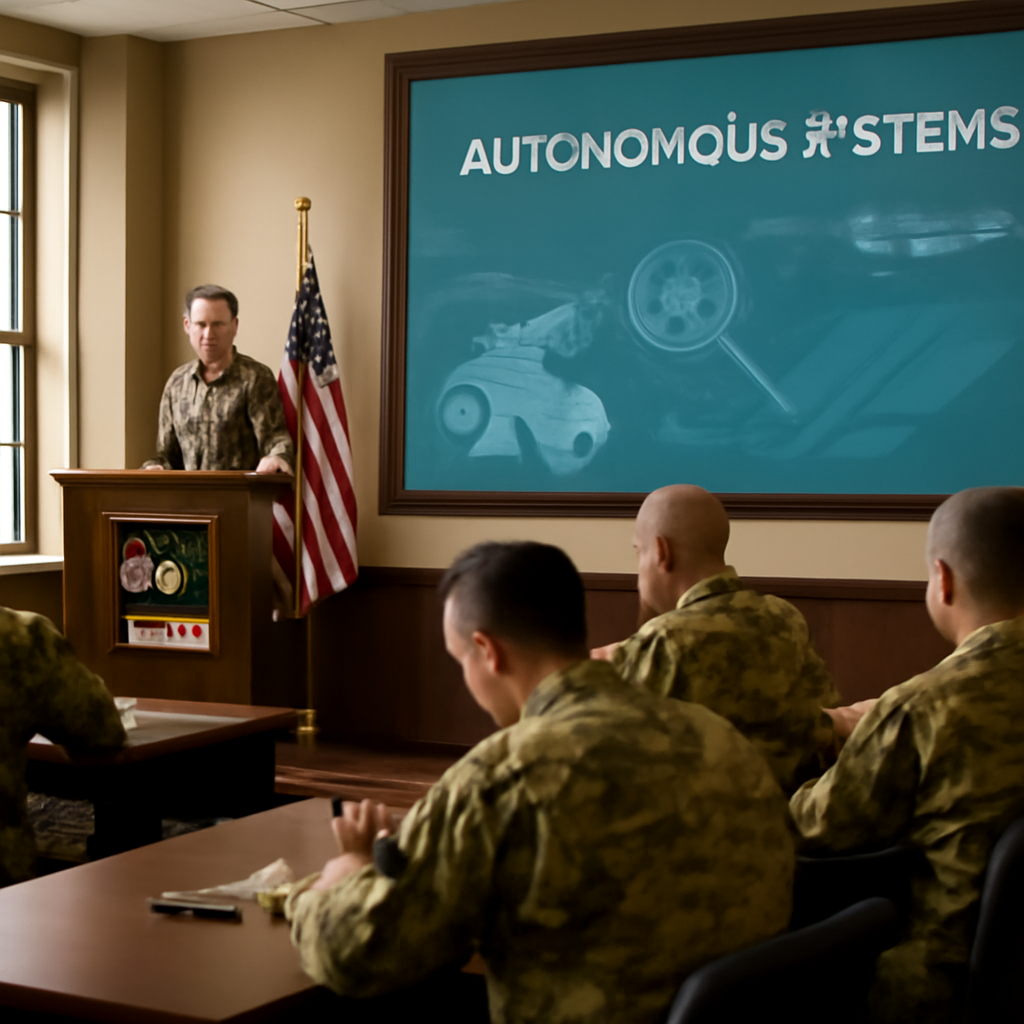
Acting Army Chief of Staff Gen. Chris LaNeve announced a redesignation of the service’s Futures and Concepts Command, renaming it the Futures and Autonomous Systems Command, or FASCOM. The change was presented as an alteration to the Army’s command structure during AUSA 2026 and was discussed on the show’s day-two coverage by Breaking Defense Editor-in-Chief Aaron Mehta and Land Warfare Reporter Carley Welch.
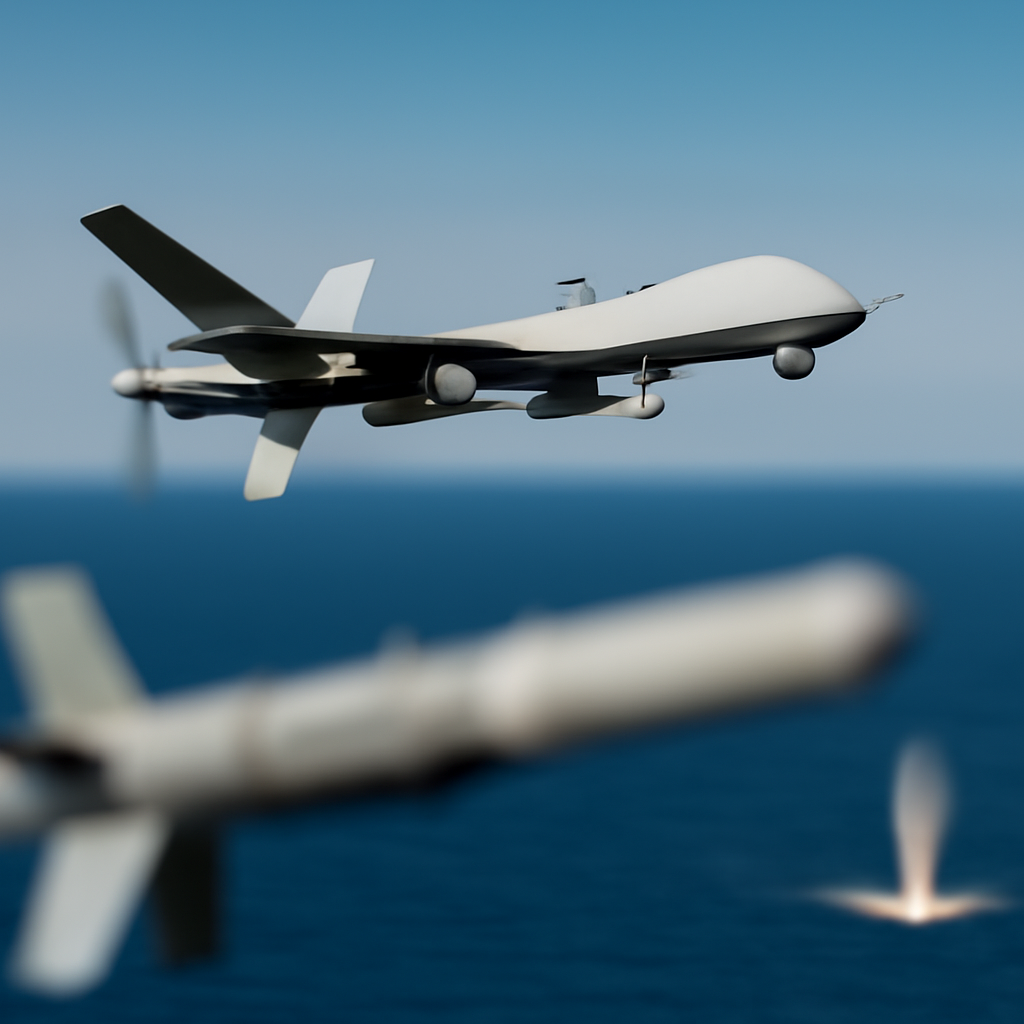
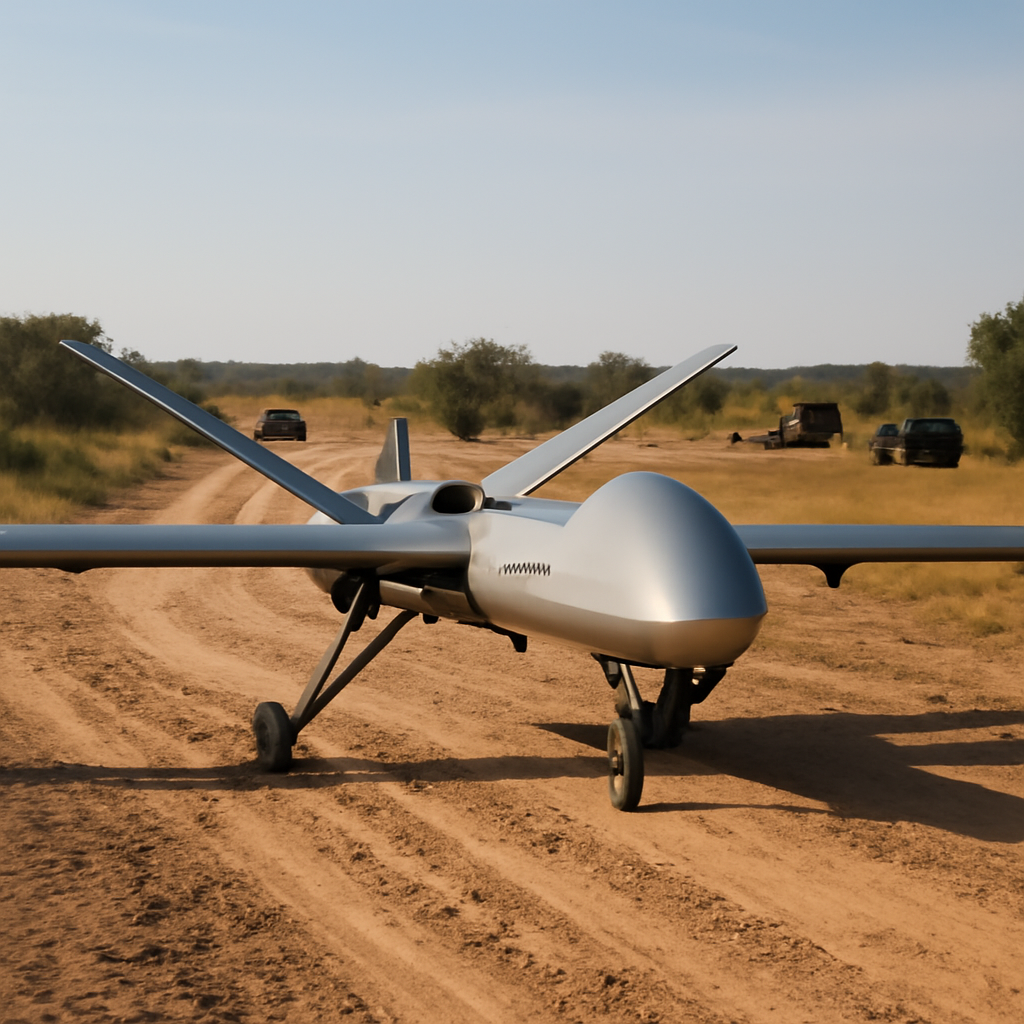
Emphasis on drones and autonomous systems
Mehta and Welch framed the renaming as a signal that the Army is prioritizing drones and autonomous systems. The conversation tied the structural move directly to an increased emphasis on autonomy, noting the redesignation as an intentional step to place autonomy and systems that operate without direct human control at the foreground of the Army’s institutional architecture.

This site is the portfolio.
OSINTSights runs on Cloudflare Workers, D1, R2, and Vectorize, with an AI pipeline on Hetzner ARM. Nubivance designed, built, and operates it. We do the same for clients.
See what we buildStaking out a role in the Indo‑Pacific with long‑range precision fires
The Army’s messaging at AUSA included a claim that it remains "the foundation" of the joint force and that it intends to play a prominent role in the Indo‑Pacific. The service highlighted capabilities such as long‑range precision fires as part of that posture. The discussion on day two emphasized that the Army is linking the autonomy focus — as signaled by FASCOM — to operational demands in the Indo‑Pacific theater, with long‑range fires presented as a capability of interest.
Leadership transition and the timing of the redesignation
The redesignation occurred amid a leadership transition at Army headquarters. Mehta and Welch placed the timing of the change in that context, discussing what the move might mean while the service is under acting senior leadership. The conversation made clear that the Army chose to make the structural change during this period, rather than postpone it until permanent leadership is in place.
What this means for technologists, policymakers, and procurement leaders
- Technologists and security teams: Expect heightened attention to autonomy and unmanned systems as core priorities; teams will watch FASCOM’s agenda for guidance on standards, testing, and integration of drones and autonomous capabilities.
- Policymakers and defense leaders: The redesignation is a clear signal of the Army’s intent to emphasize autonomous systems and to assert its role in the Indo‑Pacific; officials will likely monitor how that posture aligns with joint-force concepts and theater requirements.
- Procurement and acquisition leaders: The focus on autonomous systems and long‑range precision fires points toward programmatic emphasis in those capability areas; acquisition planners and industry partners will look to FASCOM for priorities and requirements as the Army shapes future buys.
Day three of AUSA was set to bring further attention to the department’s strategic posture, with Defense Secretary Pete Hegseth expected to appear. That appearance was flagged as the next notable event in a show where the Army has already used both words and structural change to telegraph its priorities.
The redesignation to FASCOM is a succinct institutional statement: at AUSA 2026 the Army named autonomy as an axis of effort and tied that axis to a claimed role in the Indo‑Pacific, with long‑range precision fires singled out as a capability of interest. How quickly FASCOM translates that statement into doctrine, programs and deployments — and how the rest of the joint team responds — will be the measure of the move’s effect.