"The Army should stop optimizing for prediction and start optimizing for uncertainty," wrote John G. Ferrari, a retired Army Maj. Gen. and senior nonresident fellow at AEI.
Operational surprise and presidential options
Ferrari frames the problem bluntly: presidents rarely choose the crises they inherit. He lists Pearl Harbor, September 11th, the wars in Iraq and Afghanistan, COVID-19, Russia’s invasion of Ukraine and the October 7 attacks in Israel as examples that “arrived with little warning.” Each demanded immediate action, and the Army answered — but often by improvising. When Iraq required more infantry than the force was built to supply, the service converted field artillery and armor units into infantry units. That approach worked under pressure, Ferrari notes, but it was ad hoc, expensive in time and risk, and repeatedly necessary.
Why geography and technology are shrinking reaction time
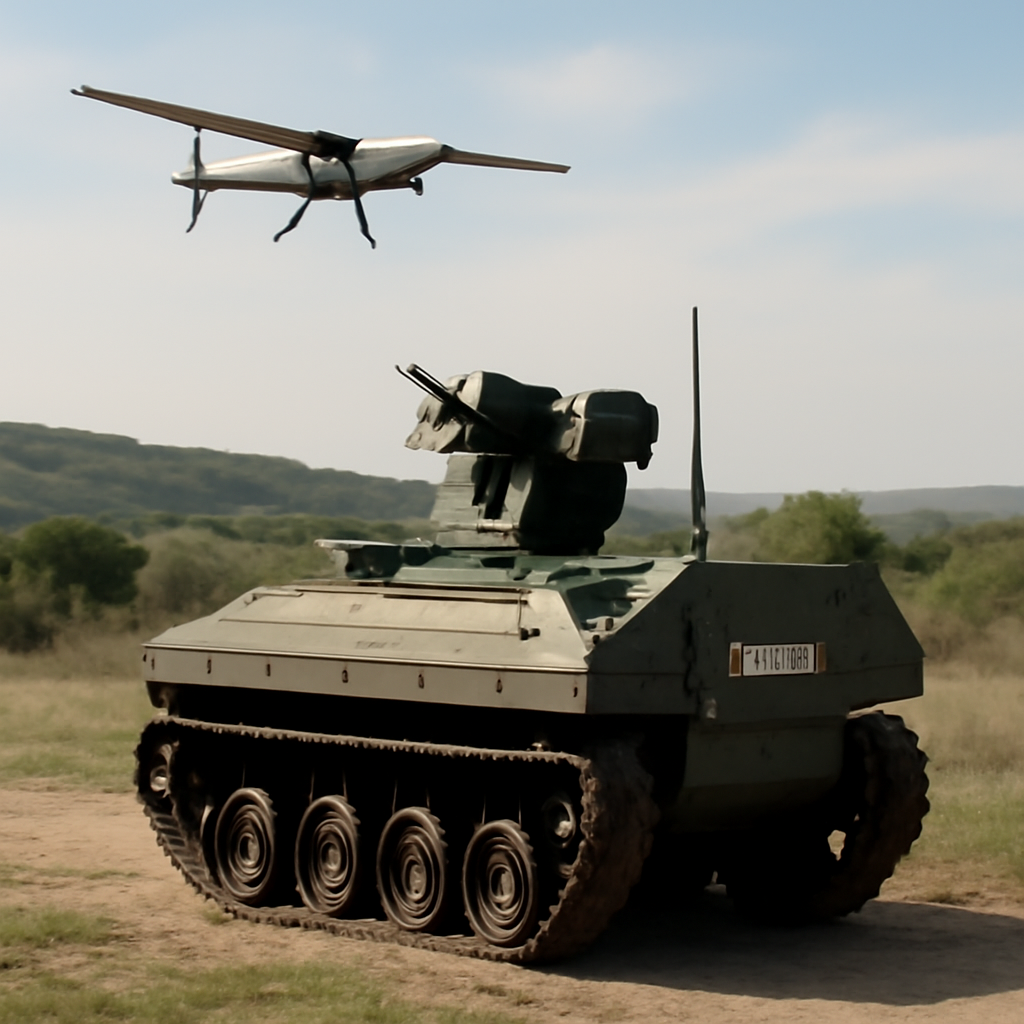
Two trends are making improvisation more dangerous, Ferrari argues. First, America’s geography no longer buys the time it once did: oceans once provided mobilization space, but cyberattacks ignore borders, commercial satellites offer global surveillance, and small drones built from commercial components can strike critical infrastructure thousands of miles from traditional battlefields. Second, technology now changes faster than the Army can reorganize around it: software, autonomy, robotics, artificial intelligence, commercial space and inexpensive unmanned systems reshape warfare on timelines measured in months while acquisition programs still measure success in decades. Put together, Ferrari writes, the homeland itself has become part of the battlefield, and at some point the Army will be called to defend it at scale.

This site is the portfolio.
OSINTSights runs on Cloudflare Workers, D1, R2, and Vectorize, with an AI pipeline on Hetzner ARM. Nubivance designed, built, and operates it. We do the same for clients.
See what we buildTask organization: make modularity routine
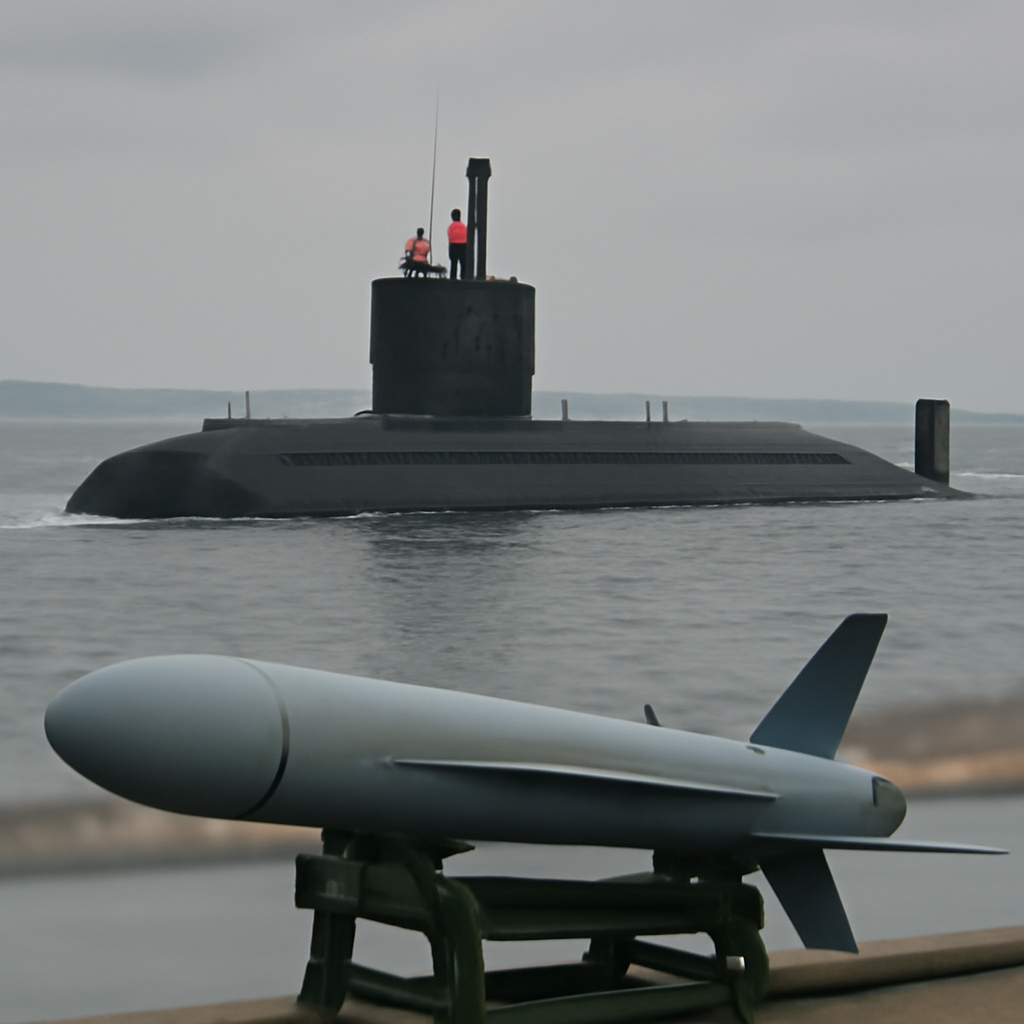
Ferrari advances a practical alternative to repeated force-structure debates: build organizations to change as missions change. He uses the metaphor of a Transformer rather than a Swiss Army knife — not a fixed set of tools but an ability to change shape. Headquarters would remain stable while capabilities become modular. Air defense, engineers, logistics, cyber, aviation, autonomous systems, long-range fires, electronic warfare and sustainment should be assembled and reassembled as demands dictate rather than converted improvisationally after the shooting starts.
Standardized interfaces, certification and training
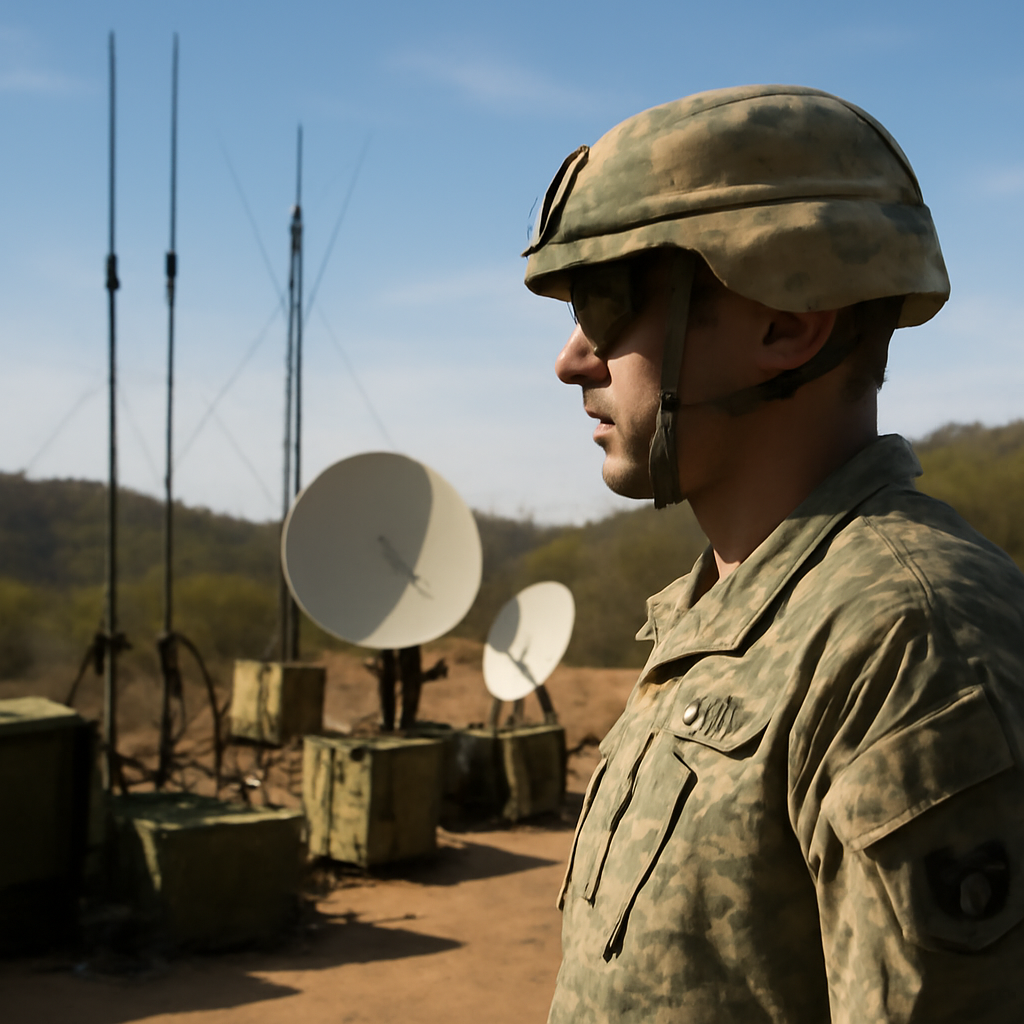
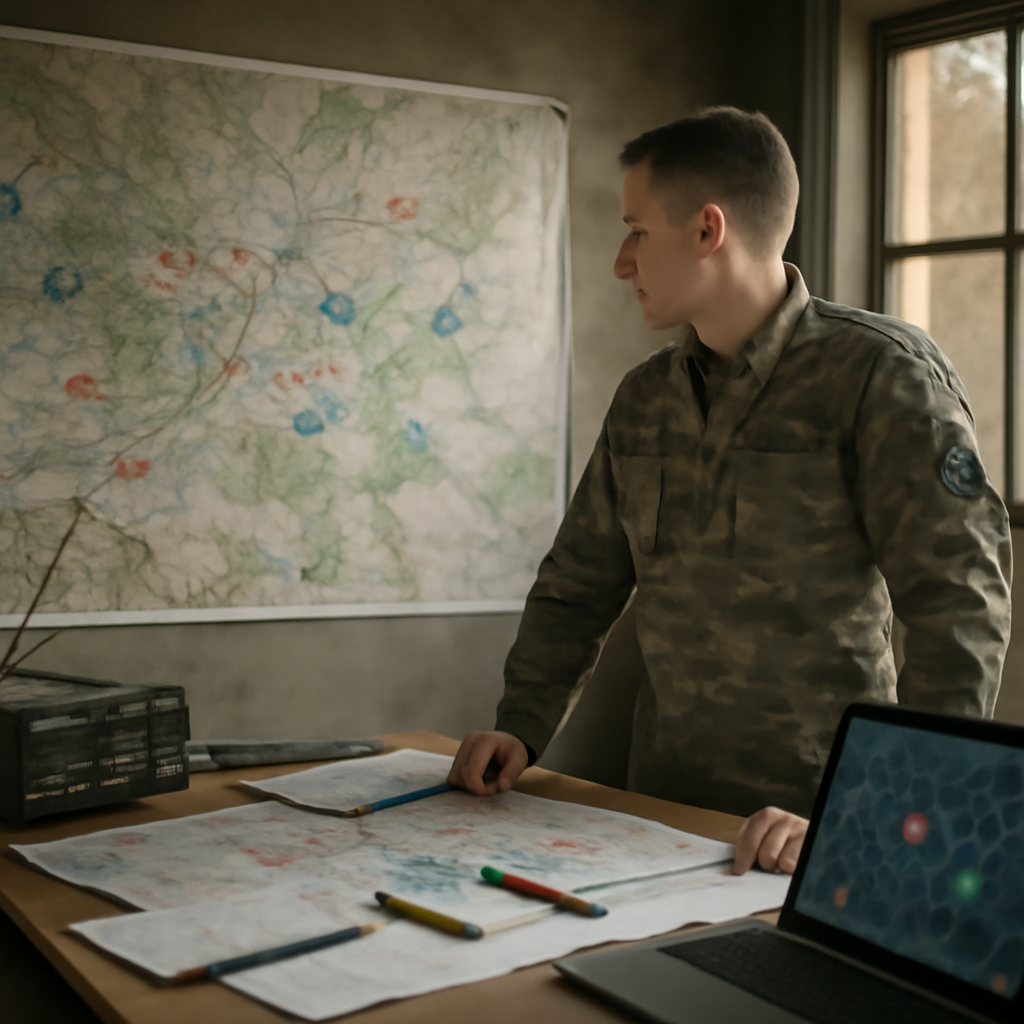
Routinizing task organization, Ferrari says, depends on predictable technical and procedural interfaces. Common mission-command systems and data standards would enable the linkage of any capability to headquarters. Streamlined certification standards would make commanders confident about what they are getting, and training rotations would force commanders to use packages they do not typically own. The point is organizational: success would be measured by how quickly units can reconfigure and absorb new capabilities, not by how perfectly a force matches a hypothetical future war.
Modernization as continuous absorption
For Ferrari, modernization is not merely swapping old platforms for new ones. The future demands organizations that can absorb new software, autonomous systems, sensors and communications architectures continuously without breaking readiness. Success, he writes, is not how often the Army fields a new platform; it is how fast operational units fold innovation into everyday operations. That reframes procurement and training: the tempo of integration matters as much as the hardware itself.
What this means for the president, Army leaders, and technologists
- The president: must be offered credible options quickly, without having to specify years in advance which crisis will come first; the Army’s ability to reorganize rapidly is the deciding factor in those options.
- Army leaders and commanders: will need deliberate task-organization practices, stable headquarters, common mission-command systems, streamlined certification and training rotations that normalize cross-package operations.
- Technologists and procurement officials: will be judged less by single-platform buys and more by how fast units can absorb software, autonomy and new communications architectures into routine operations.
A simple test and a pointed conclusion
Ferrari offers a clear litmus test: "Can the Army reorganize faster than the next crisis develops?" If the answer is yes, he argues, the Army remains relevant wherever the next crisis emerges. If it is no, then no amount of optimizing for today’s preferred scenario will save it. The prescription is straightforward and demanding: design for adaptability, build the framework, develop leaders and train soldiers so adaptation is routine. In Ferrari’s view, the Army should not wait to be told what it must become; it should already be organized to become whatever the nation needs.