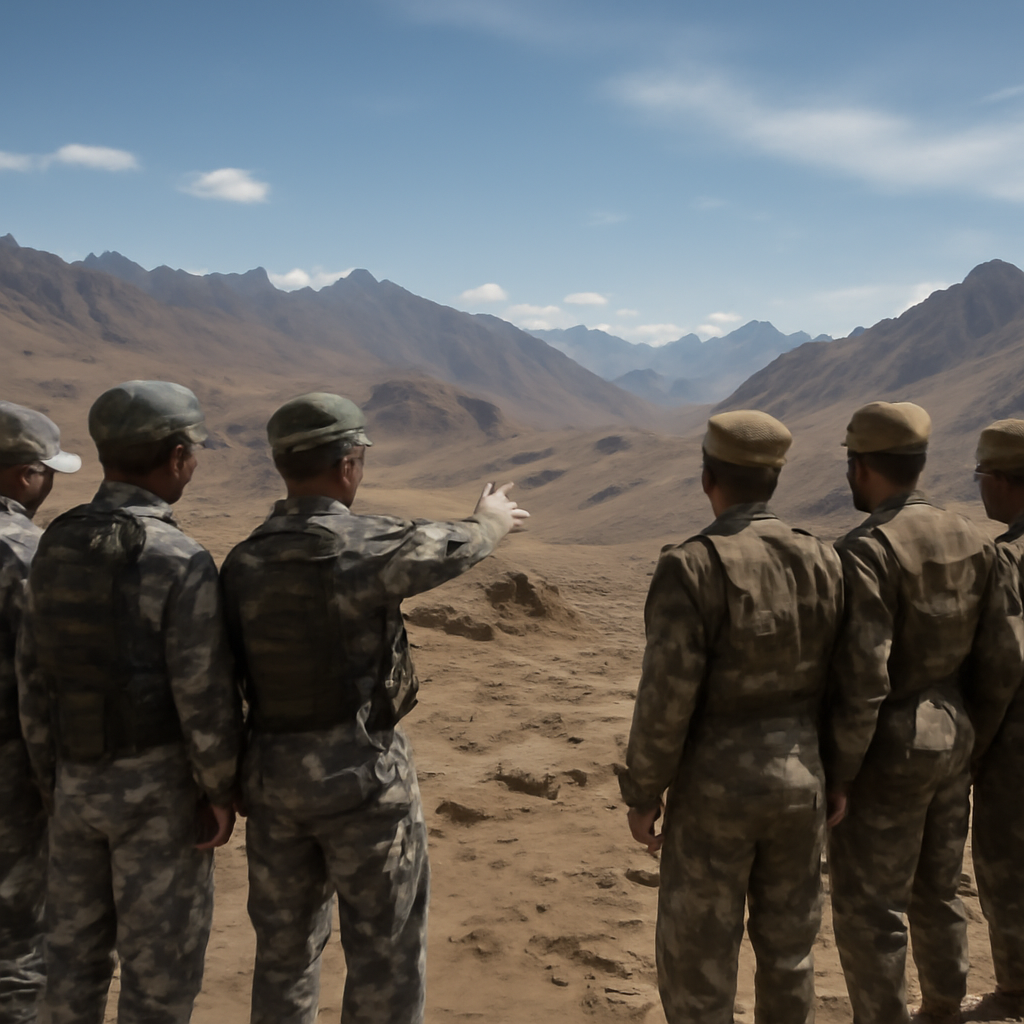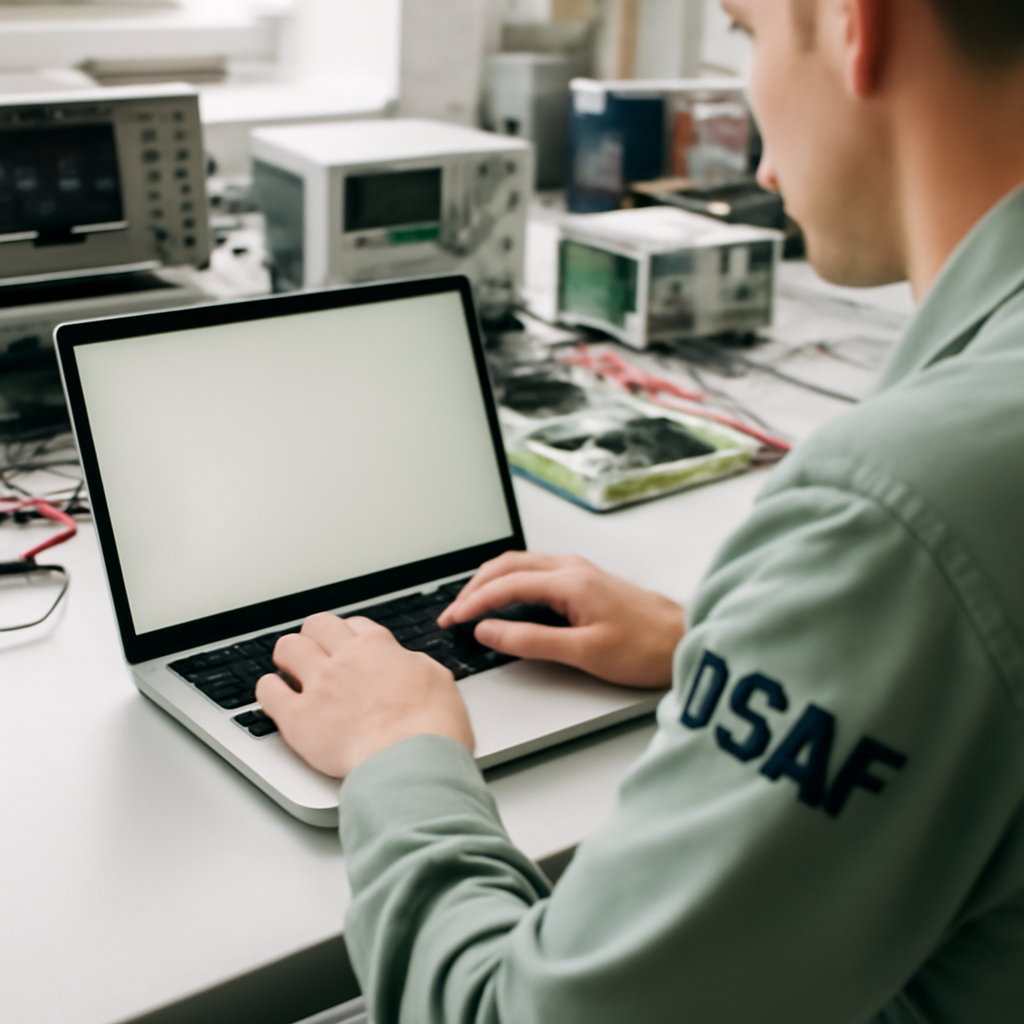
“Whether it’s the terrorist groups or whether it’s a full-up China, we have to defend,” Dr. Troy E. Meink said at the 2025 Air Space and Cyber Conference. “We have to be innovative against all of those activities. And not just compete. We got to win. We got to be able to win. We got to be able to deter, and we got to be able to win, period. And that’s what we all need to be focused at going forward.”
Dr. Troy E. Meink frames software as a wartime imperative
The Department of the Air Force has redefined the contours of competitive advantage: weapon systems alone no longer determine superiority. Meink and other USAF leaders stress that software superiority is now equally central to success across air, land, cyber, and information domains. At the AFCEA New Horizons Conference and other engagements, a consistent theme emerged — the Air Force must operate “on a permanent wartime footing,” prioritizing speed, adaptability, and resilience as fundamental mission requirements.
General Kenneth S. Wilsbach: adversaries betting on speed and complexity
General Kenneth S. Wilsbach, Chief of Staff of the Air Force, described a threat calculus built around tempo. He warned that adversaries “are designing their strategies around speed, speed of decision, movement, and mass,” and that they “believe they can move faster than we can respond” by exploiting distance, complexity, and bureaucracy. That diagnosis — a claim of tactical and operational compression by opponents — is used to justify urgency and a unified push to compress decision cycles and acquisition timelines.

This site is the portfolio.
OSINTSights runs on Cloudflare Workers, D1, R2, and Vectorize, with an AI pipeline on Hetzner ARM. Nubivance designed, built, and operates it. We do the same for clients.
See what we buildKessel Run and Modernization as-a-Service: a software-factory model
The USAF’s Kessel Run program, described in the source as the Air Force’s first modern software factory, is presented as a proof point for a new operational model. Using Modernization as-a-Service (MaaS), Kessel Run “was able to integrate existing systems, tools, and DevSecOps activities to enhance sustainment and accelerate deployment cycles,” Michael Masten said. That integration is credited with reducing operational friction and enabling continuous delivery, updates, and sustainment “at the pace required by the mission.”
Chenega MIOS and industry as embedded execution partners
Across the reporting, industry is cast not as a distant vendor but as an execution partner embedded in operational environments. Jeff Kronewitter of Chenega MIOS argued that industry is shifting toward sharing responsibility for operational outcomes, not merely delivering hardware or software. That shift embraces a “fail fast” approach, allowing rapid iteration in operational settings and shared risk between government and contractors. Michael Masten pointed to the Air Force Lifecycle Management Center’s investment in modernizing a hybrid software environment as evidence of what can happen when industry works side-by-side with the Air Force to continuously refine capability.
What this means for civilian members of the USAF, contractors, and service members’ families
- Civilian members of the USAF: The source notes they “provide unique job skills,” and leaders say personnel must continually update day-to-day operations, tactics, techniques, and procedures to keep pace with adversaries.
- Contractors: The reporting describes contractors as providers of “deep skill and expertise to keep critical systems always-on” and as execution partners who will share risk and responsibility inside operational environments.
- Service members’ families: The source explicitly calls families “fundamental to readiness,” signaling that force posture and tempo changes will depend on a broader ecosystem of support beyond uniformed personnel.
The picture that emerges from these remarks and examples is a deliberate pivot: modernization now blends technical integration, shared operational responsibility, and cultural change. Quantum threats and the weaponization of space heighten the urgency, and the Air Force’s investment in software factories and MaaS-style models reflects an organizational bet that speed of delivery and continuous sustainment will be decisive.
Success, according to the officials and industry representatives quoted, will not be measured by isolated demonstrations of technology but by the ability to “deliver real, operational capability at the speed required by today’s missions.” If that delivery becomes the metric, the enduring questions left on the table are concrete and procedural: how rapidly can government and embedded industry iterate in live mission environments, what mechanisms will assign and share risk for operational outcomes, and how will personnel and families be supported through a sustained, wartime cadence of continuous modernization?