[SPONSOREDNUBIVANCE]
Rapid7 deployed right the first time.
Full-platform Rapid7 rollouts - InsightVM, InsightIDR, event sources, agents, tuning - by a Registered Partner who has done it at state-agency scale, including OT/SCADA.
Talk deployment
The US has launched Project Freedom, a mission aimed at safeguarding the vital Strait of Hormuz shipping route, ensuring that merchant vessels can transit freely and safely. Two US-flagged vessels have already successfully navigated the strait under this new protection plan.
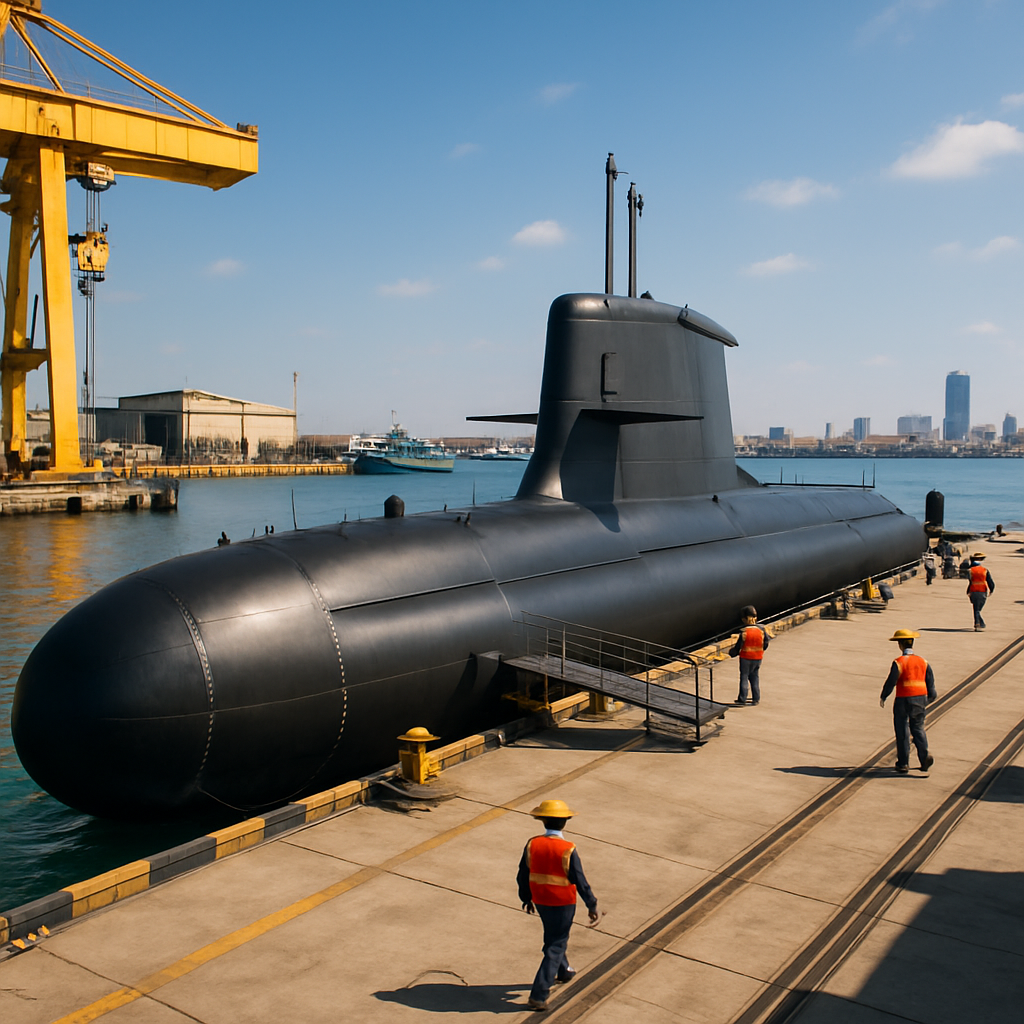
Pakistan is rapidly bolstering its defence capabilities, with recent milestones including the launch of its fifth dedicated remote-sensing satellite and the commissioning of the advanced Hangor-class submarine, PNS/M Hangor, marking a return to long-endurance submarine operations. This strategic boost is set to significantly enhance the country's naval prowess.
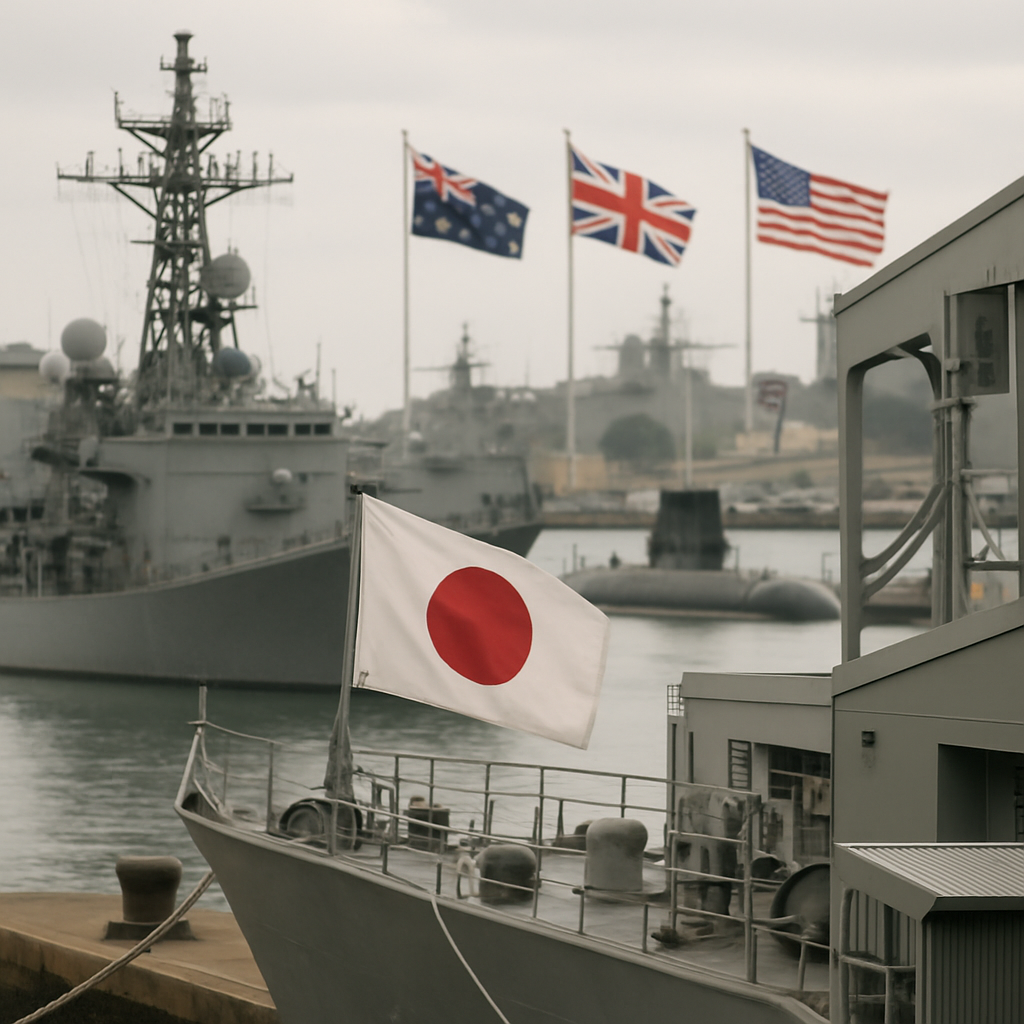
Japan may not be joining the AUKUS submarine deal, but a new report suggests it could be the key to helping Australia avoid a critical capability gap. By playing a strategic role, Japan can help mitigate risks in the AUKUS Optimal Pathway, widely considered the best defence mechanism for the partner nations.
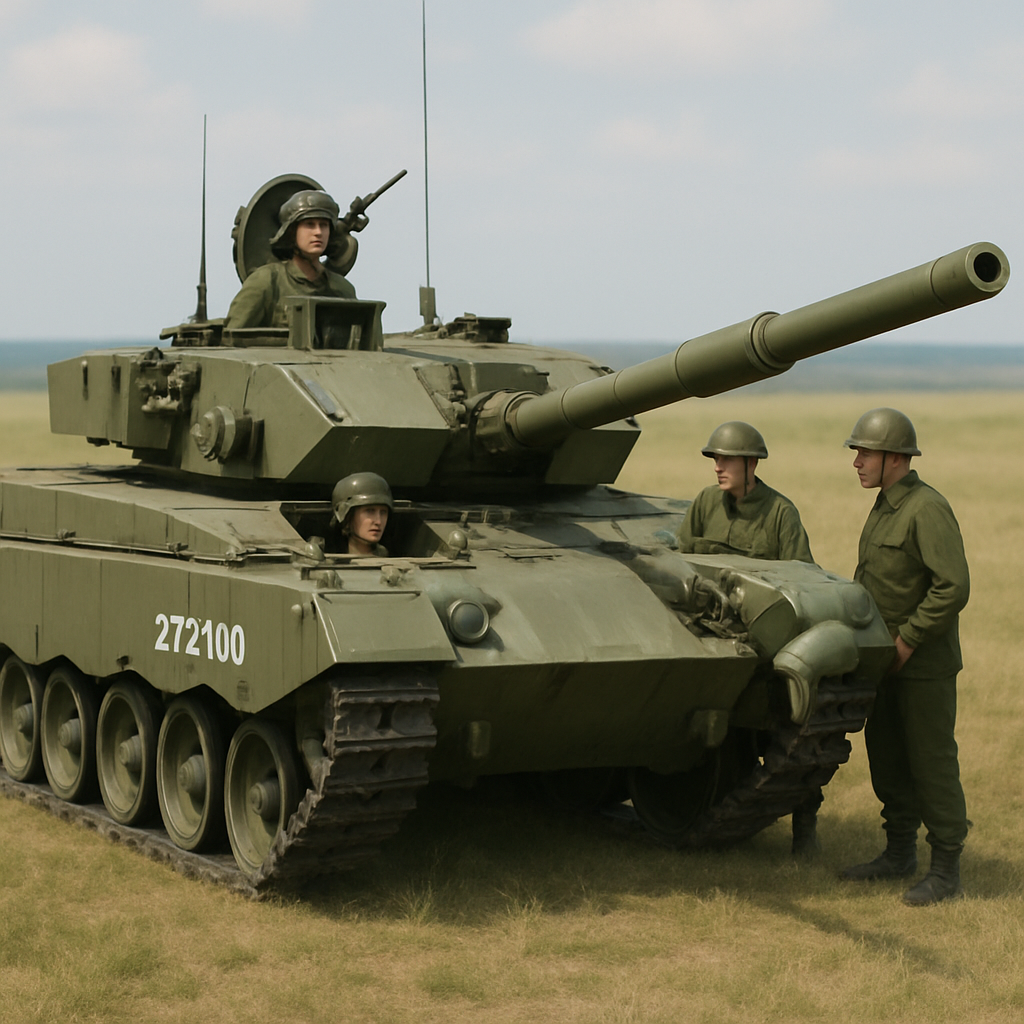
New field photographs of China's ZTZ100 main battle tank have confirmed that it operates with a lean and efficient three-man crew. This verified detail offers a glimpse into the modernized battlefield capabilities of China's advanced tank.

Within days of the US and Israel launching a massive air campaign against Iran, the scale of Iran's retaliation - over 500 ballistic missiles and 2,000 drones - dramatically reshaped the war's trajectory. The initial barrage of 900 strikes in just 12 hours, targeting military sites, nuclear facilities, and top officials, came at a staggering $3.7 billion cost in the first 100 hours alone.

After a record-breaking 314 days at sea, the Gerald R. Ford carrier strike group has finally begun its journey back home to Norfolk, marking a rare and long-awaited end to its extended deployment. The strike group transited the Suez Canal on May 1, heading northbound to start its voyage home.

Discover how global conflicts, from World War I to today, have exposed the shocking vulnerabilities of grain markets and national security, revealing the high stakes of protecting our food supply. Maritime chokepoints like the Dardanelles and Strait of Hormuz have repeatedly put grain supplies at risk, highlighting the urgent need for secure agricultural supply chains.
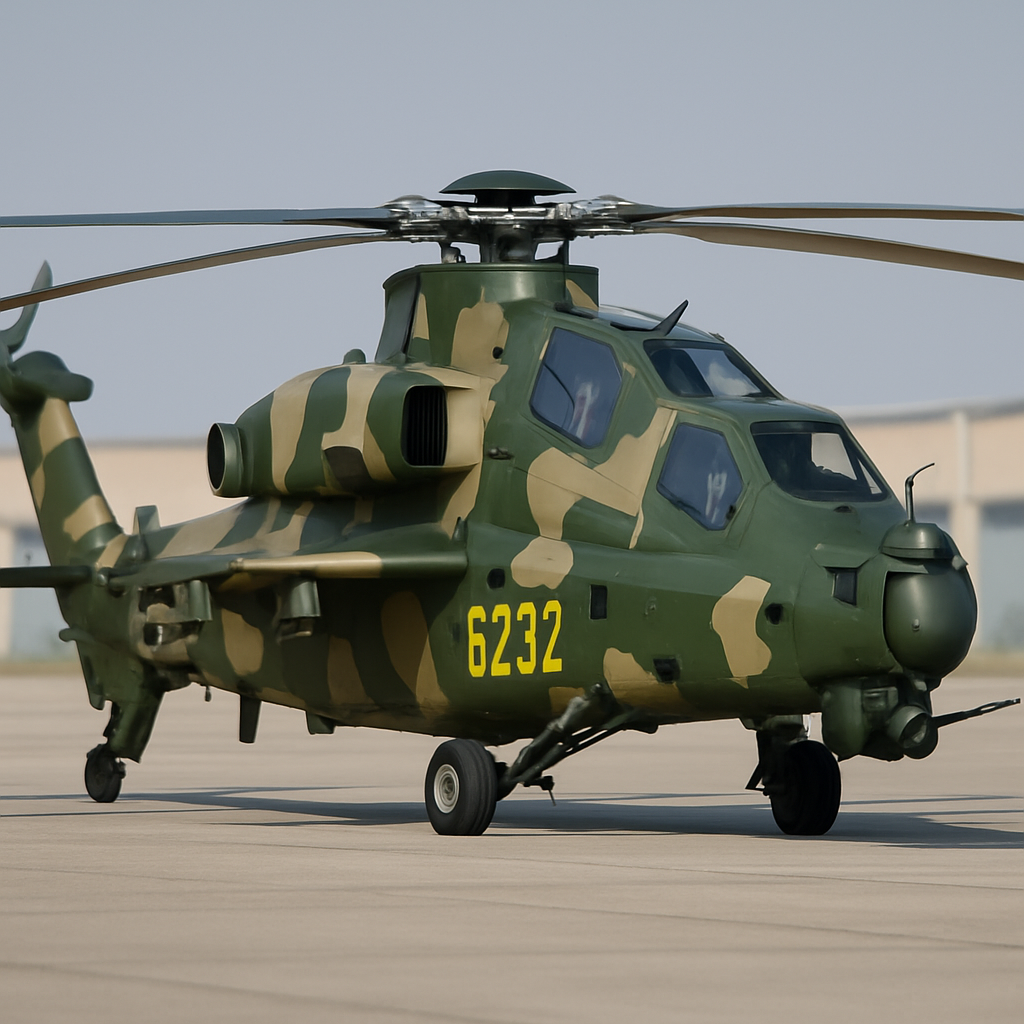
A surprising twist has emerged in the development of China's new Z-21 heavy attack helicopter, with recent photos revealing a PLAAF serial number, hinting at a potential assignment to the air force rather than the army. This unexpected move could signal a significant shift in the Z-21's deployment plans.
Full-platform Rapid7 rollouts - InsightVM, InsightIDR, event sources, agents, tuning - by a Registered Partner who has done it at state-agency scale, including OT/SCADA.
Talk deployment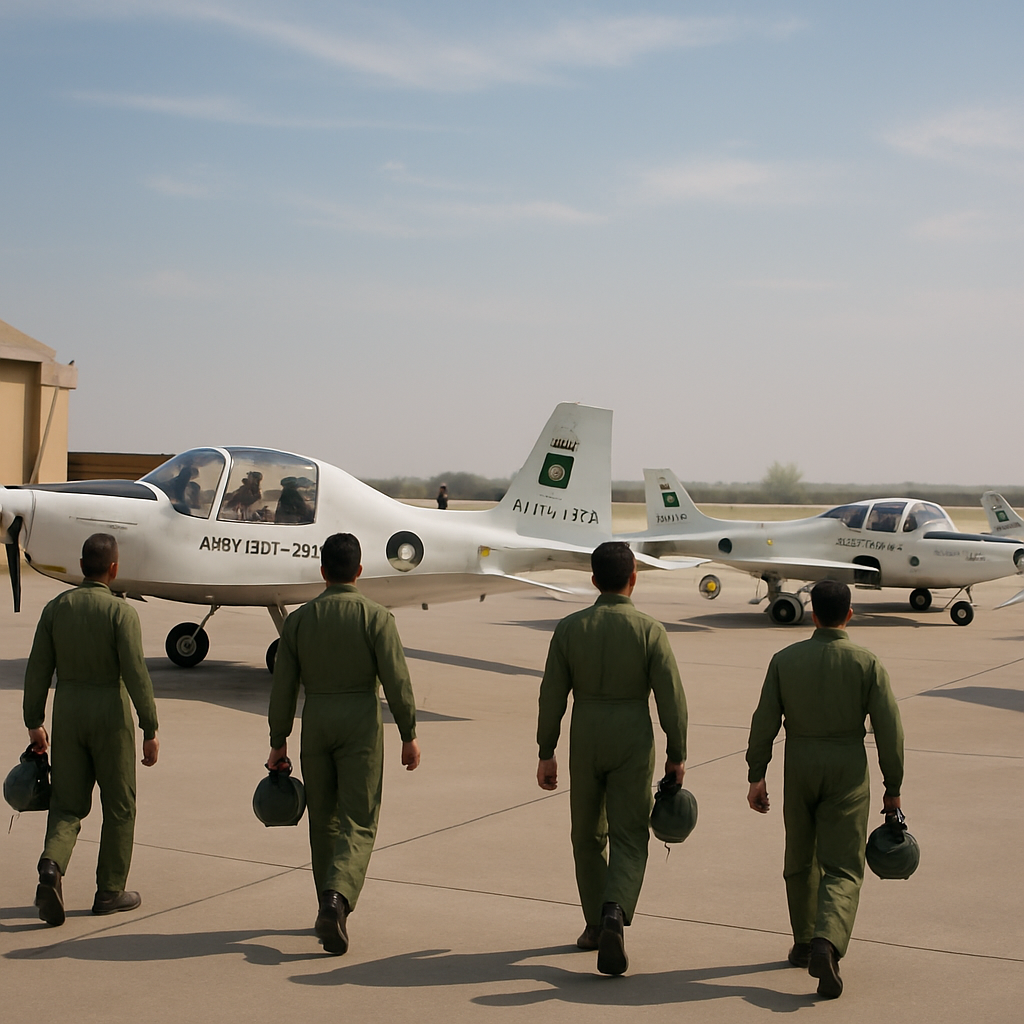
The Pakistan Air Force is overhauling its training pipeline as part of a modernization drive, driven in part by the high costs of advanced training aircraft - with Light Intermediate Fighter Trainers, or LIFT, aircraft costing as much as an F-16. Currently, the PAF relies on a fleet of legacy trainers, including some, like the Cessna T-37 Tweet, that date back to the 1950s.
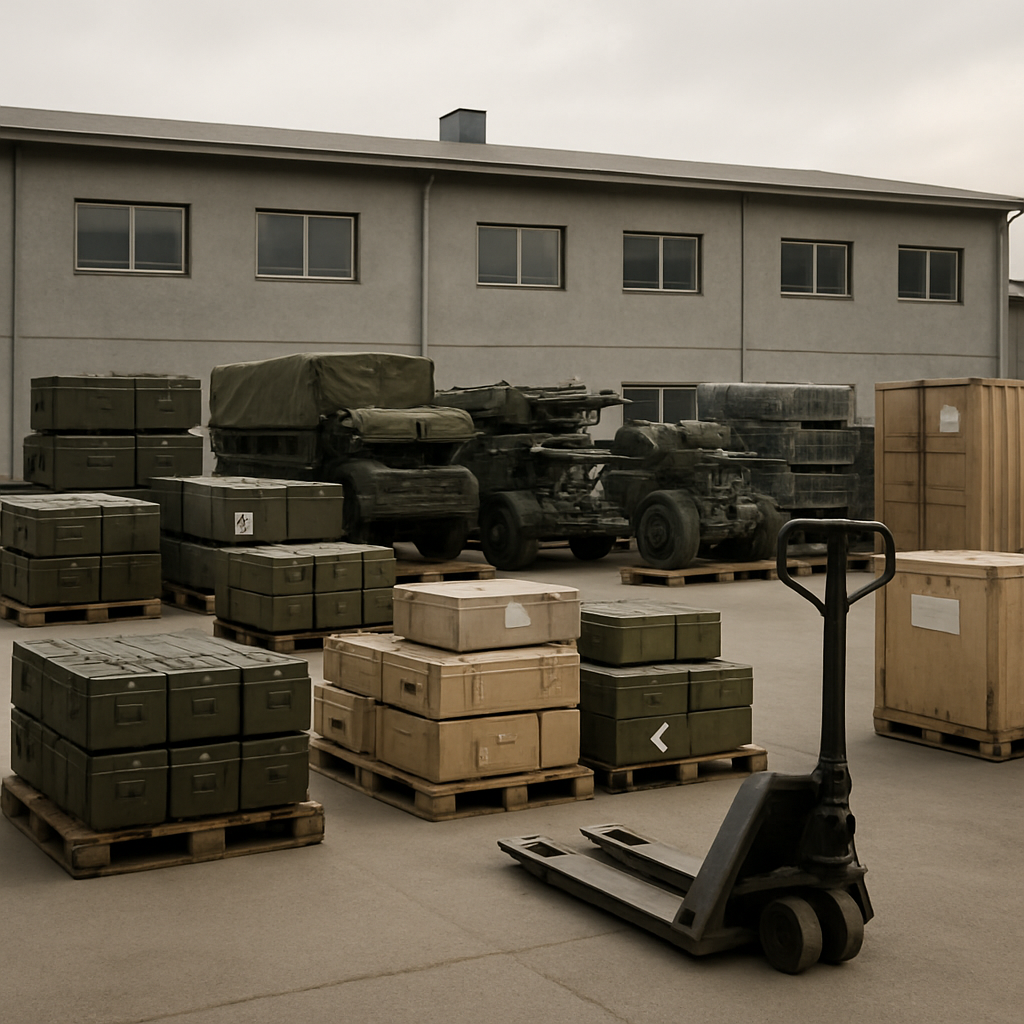
US weapons deliveries to Norway and other Nordic allies are facing potential delays due to the ongoing conflict in the Middle East, with Washington notifying Oslo of possible hold-ups. The delays, however, have not been officially confirmed, with US authorities stressing that no decision has been made yet.
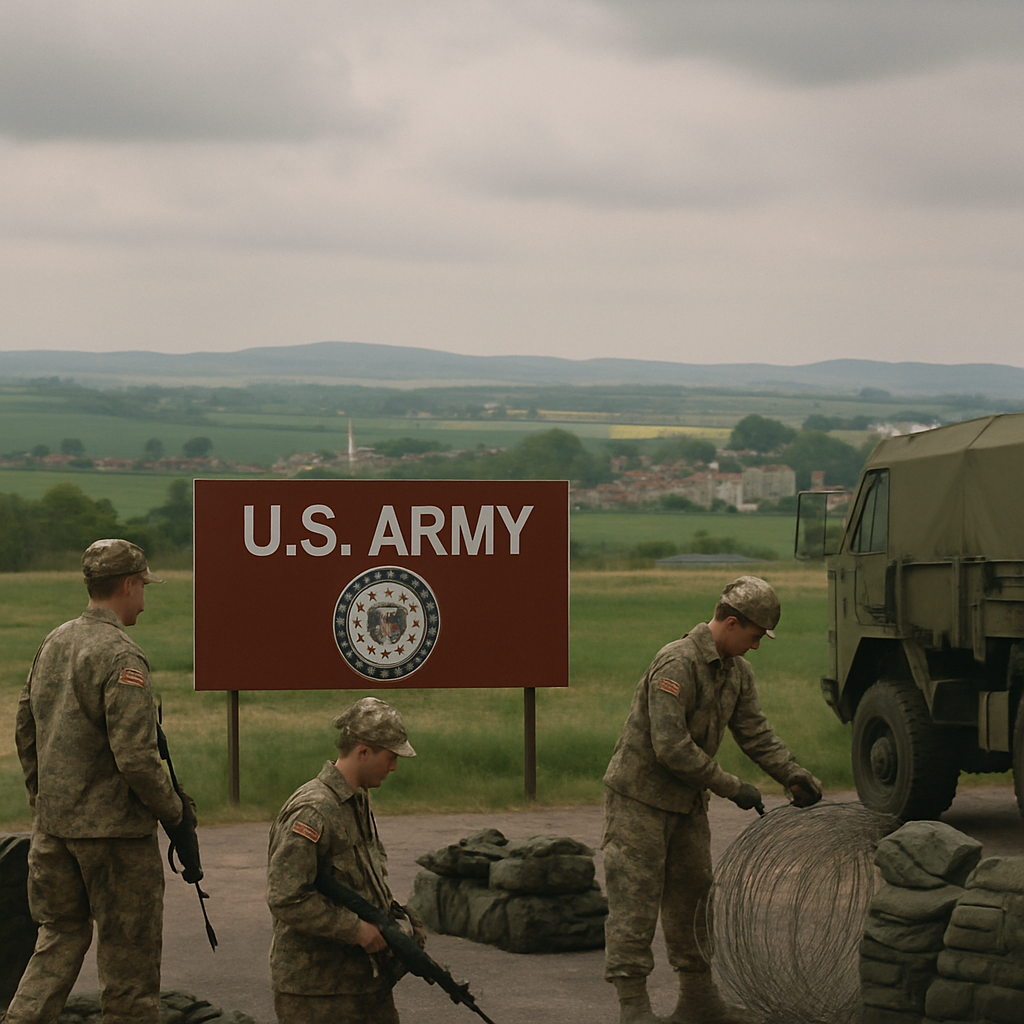
The US has announced plans to withdraw approximately 5,000 troops from Germany over the next year, following a thorough review of its European force posture. This strategic realignment is expected to be completed within six to twelve months.
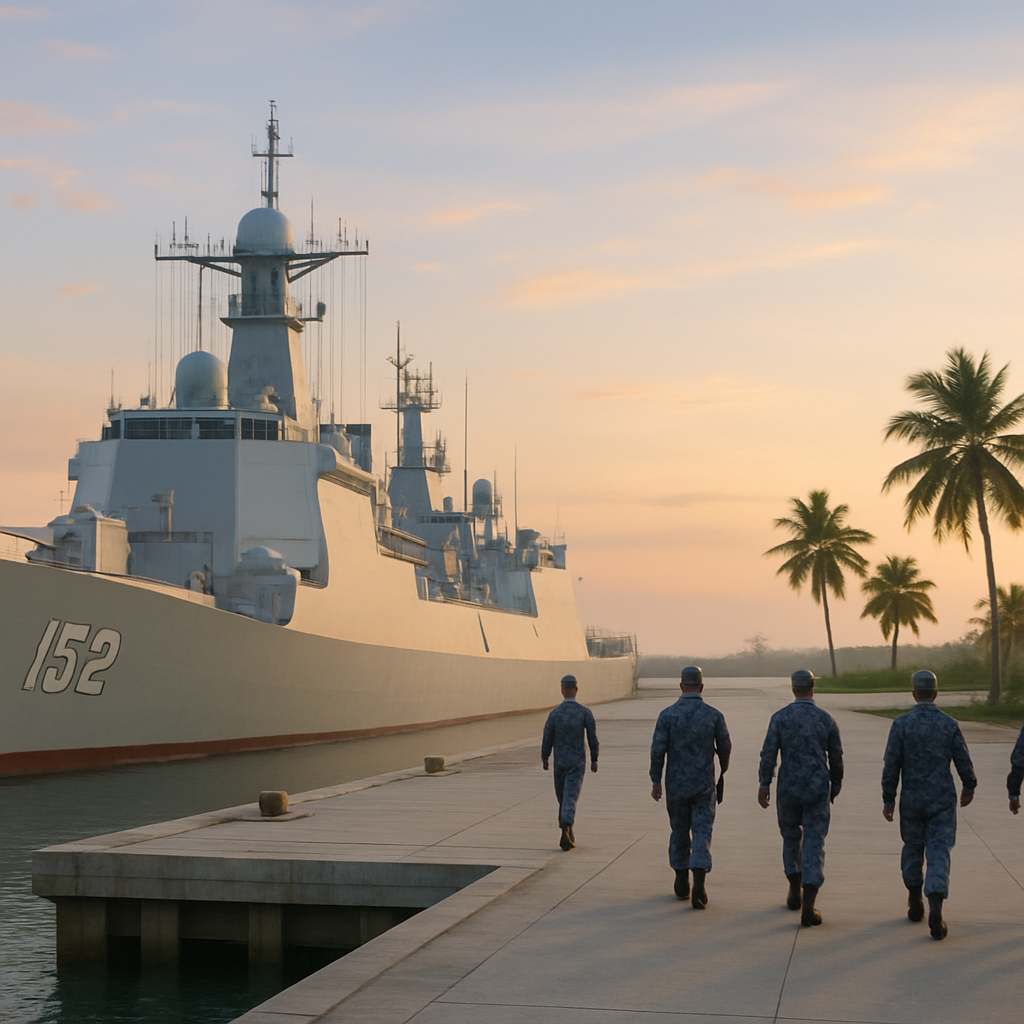
Get ready for a significant shift in the Indo-Pacific region: China is poised to dramatically expand its military presence and influence beyond its current boundaries over the next decade. This deliberate, long-term strategy will likely have far-reaching implications for regional security and stability.
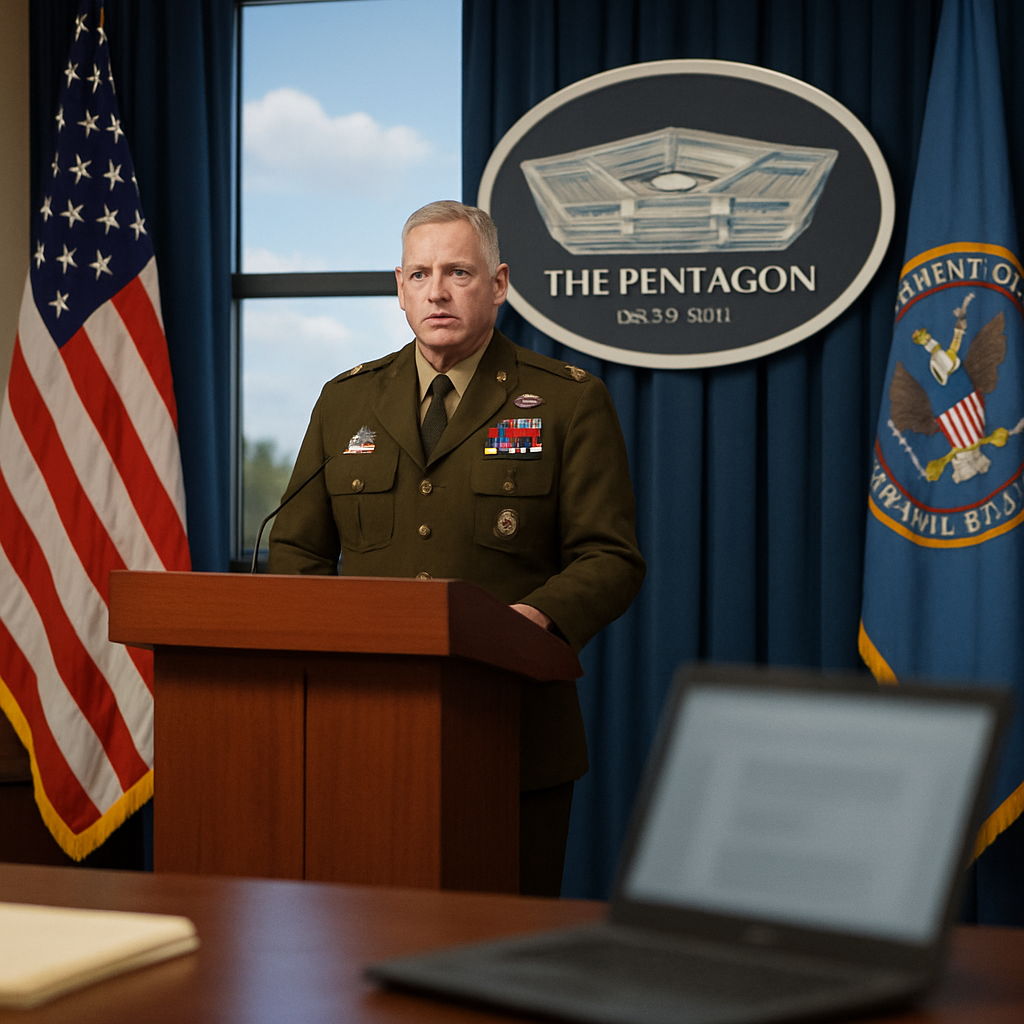
As the Space Force is poised for a massive expansion with a proposed $71.2 billion budget, the White House has tapped Lt. Gen. Doug Schiess to lead the charge as its third Chief of Space Operations. With his current role as deputy chief of operations, Schiess is well-positioned to take the reins and drive the service's growth.
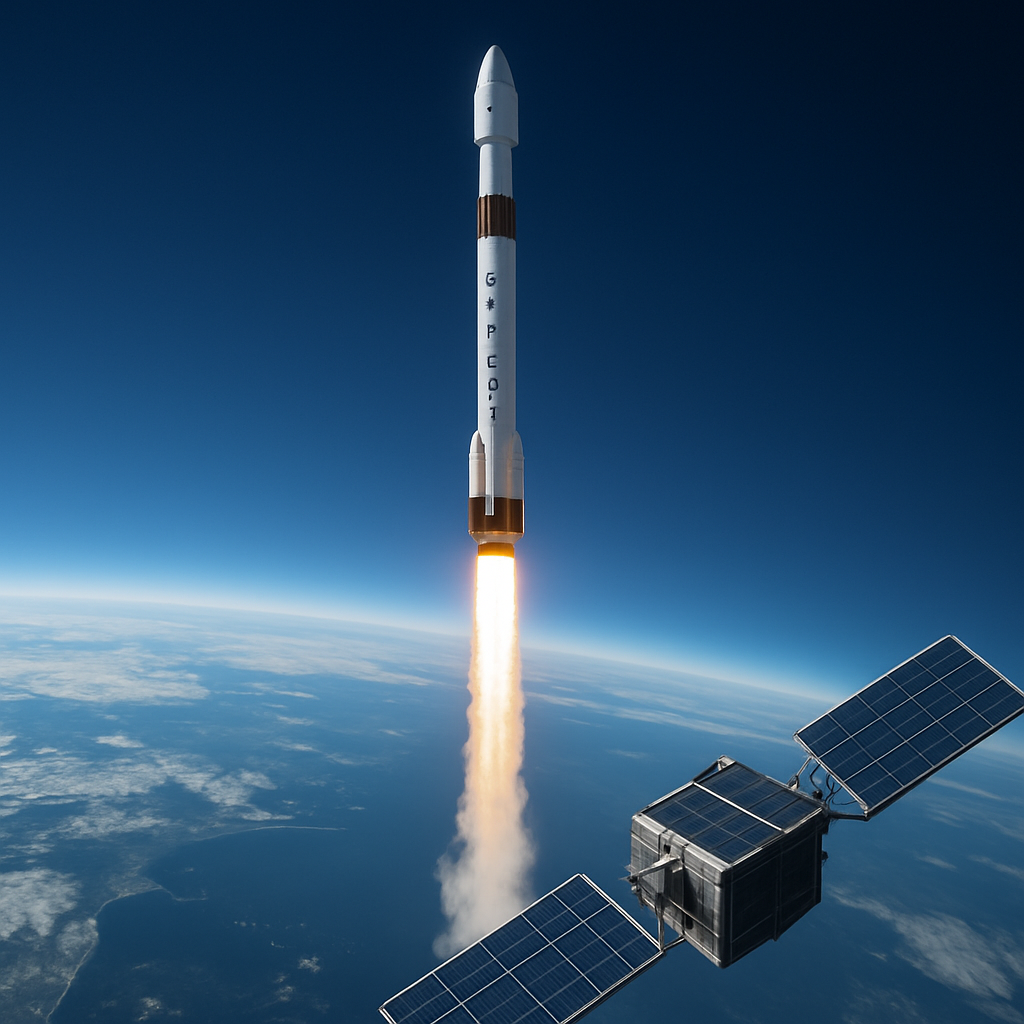
Imagine having pinpoint accuracy for your daily needs - from banking transactions to navigation - thanks to the upgraded GPS III system, now complete with the launch of its final satellite, SV-10. This game-changing upgrade delivers position data that's three times more accurate and eight times more jam-resistant than ever before.
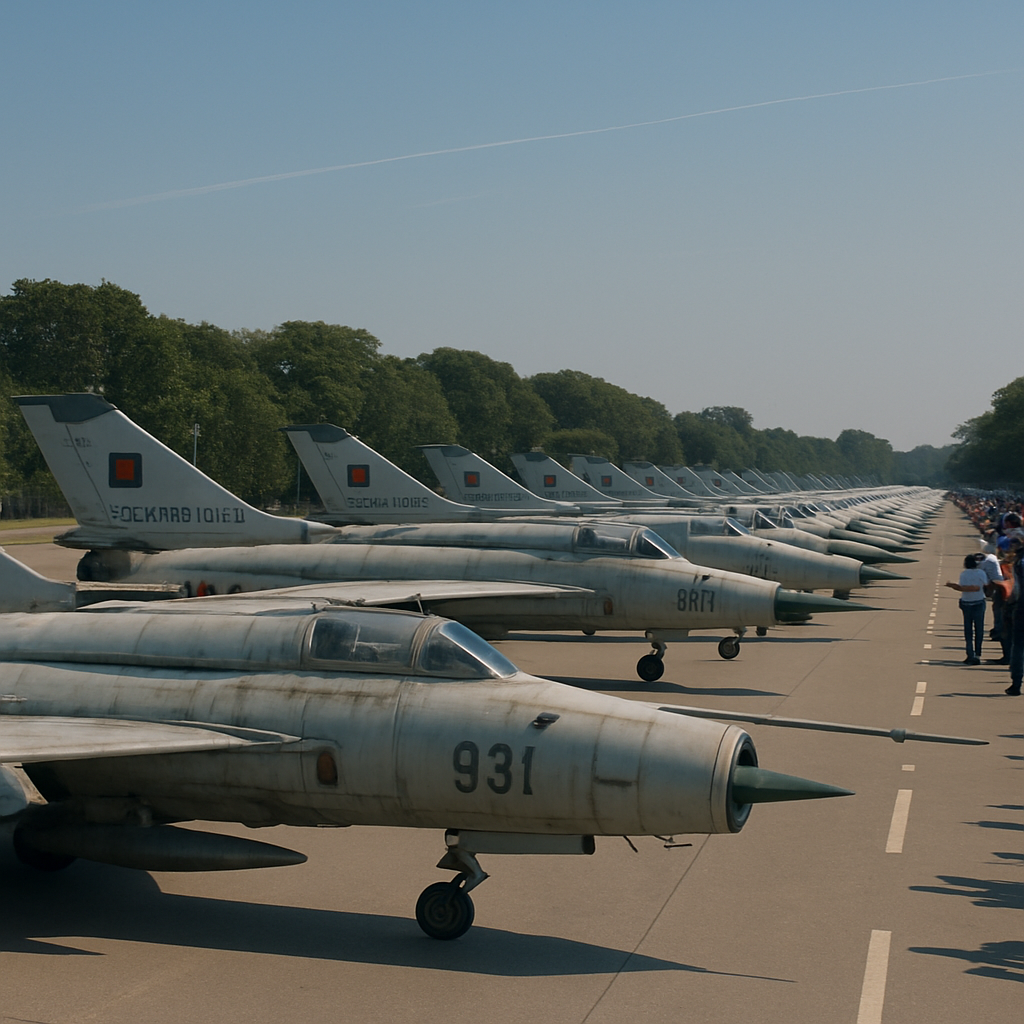
The Bangladesh Air Force's recent Independence Day parade failed to impress, with its aerial display and outdated combat aircraft inventory sparking criticism that the force is out of step with modern warfare demands. Unless the capability gap is bridged, the Air Force risks becoming a mere paper tiger.

While Russia may be enjoying a short-term energy windfall from the Iran war, Ukraine is poised to gain a lasting strategic advantage that will outlast the current chaos. The real prize isn't the immediate cash boost from higher energy prices, but the long-term diplomatic and military gains that will shape the future of the region.
Evidence in spreadsheets, controls drifting between audits, frameworks multiplying on flat headcount. Nubivance runs continuous compliance on Rapid7 Cyber GRC - SOC 2, HIPAA, ISO 27001, PCI, CMMC.
End the scramble
The Air Force is seeking extra funds to repair or replace aircraft lost in recent conflicts, including dozens damaged or destroyed since Operation Epic Fury began in late February. This supplemental funding will help boost the number of fighter jets, bombers, and tankers in its fleet.

As the Iran conflict escalates, costing a staggering $25 billion and counting, Ayatollah Mojtaba Khamenei unleashed a chilling warning: Americans don't belong in the Persian Gulf, except at the bottom of its waters. With the War Powers deadline looming, Trump faces a critical 60-day mark that could force him to withdraw troops or seek Congressional approval.
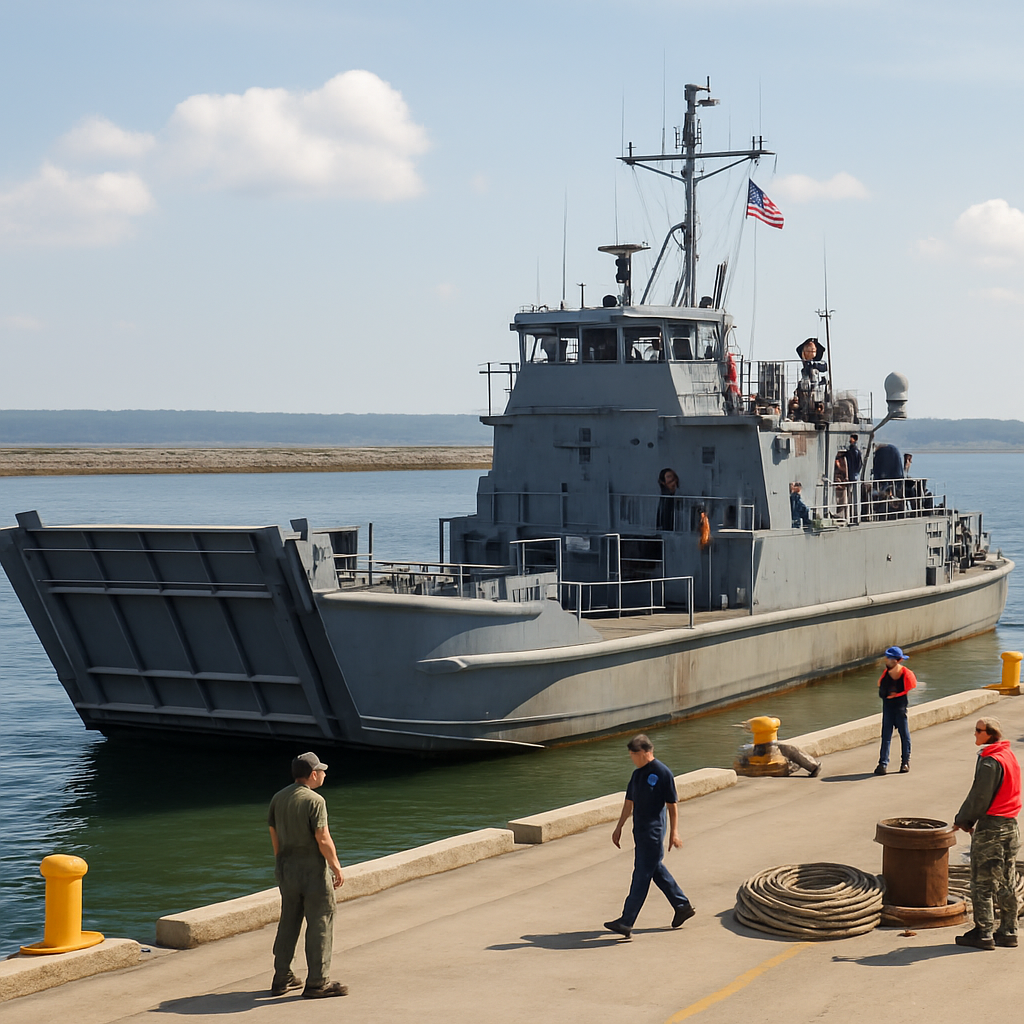
The US Navy and Marine Corps are shaking up their amphibious vessel deployment strategy to boost efficiency, with Adm. Daryl Caudle aiming to overhaul the current 36-month cycle to get more bang for their buck. By streamlining their approach, they may be able to fit in two deployments within a longer 50-month cycle.
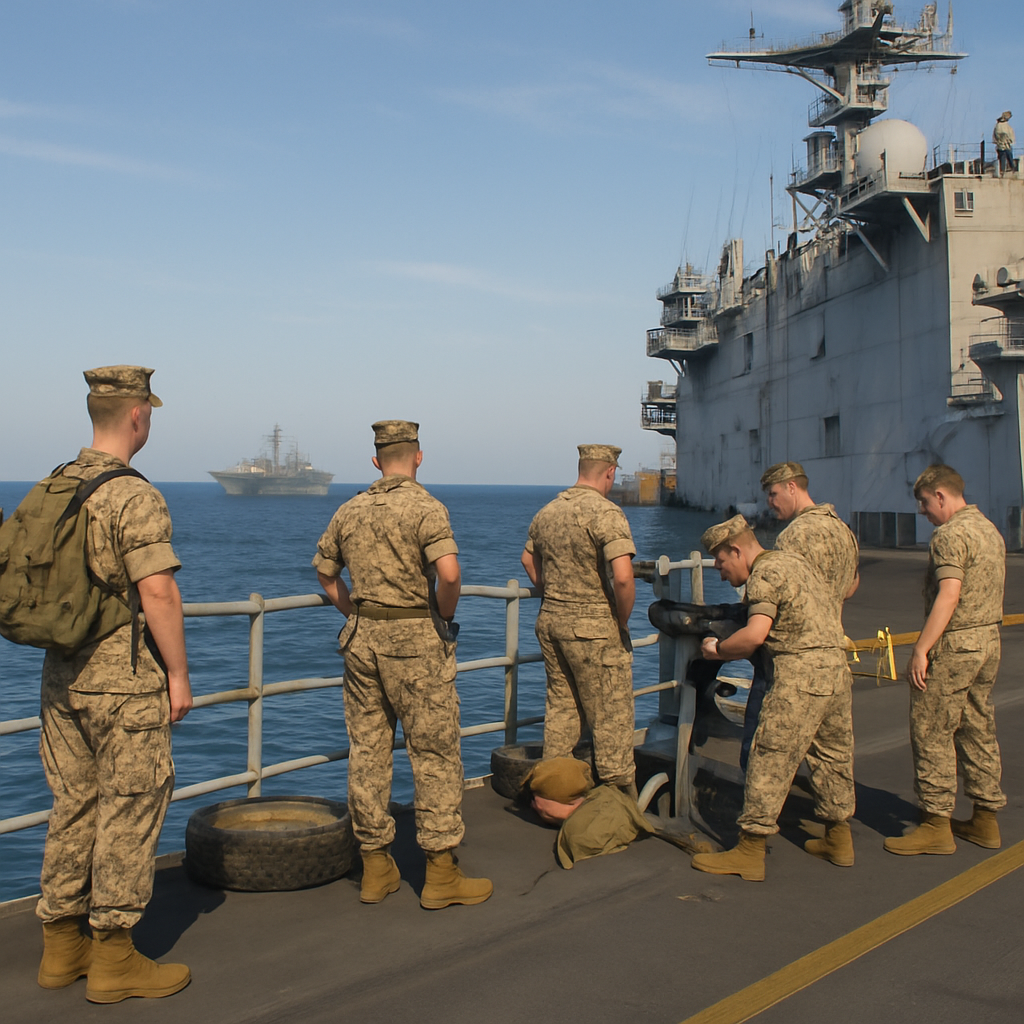
The US Marine Corps is facing a pressing challenge: a significant shortage of amphibious ships to meet the demands of combatant commanders. Every commander, from Central to Africa and Southern Commands, is requesting an amphibious ready group with a Marine Expeditionary Unit - a number that far exceeds the Corps' current capacity of three.

As China's influence grows in the Indo-Pacific, regional states face a daunting dilemma: balancing economic opportunities with sovereignty and security concerns, making it increasingly likely they'll hedge their bets rather than fully commit to either side. This strategic tightrope walk will be especially challenging for Pacific island countries under strain from China's more aggressive pursuit of port access and maritime influence.

In a major breakthrough, the US has extradited a 34-year-old Chinese hacker, Xu Zewei, who allegedly carried out cyber intrusions under the direction of China's Ministry of State Security, showing that distance and state protection no longer guarantee immunity from consequences. This move sends a strong message that cybercrime will be pursued globally, no matter where the perpetrators are hiding.

The FBI has struck a major blow against China's notorious hacker-for-hire ecosystem, disrupting a vast network of private tech companies and contractors secretly working for the Chinese government. This bold move exposes a brazen operation that prioritized profit by exploiting vulnerable computers and selling sensitive information to the highest bidder.

Six months after the historic Saudi-Pakistan Strategic Mutual Defence Agreement was signed, its true test has come in the form of Operation Epic Fury, which has dramatically reshaped the Gulf security landscape. The pact, aimed at tackling threats from Iranian drones and missiles, is being put to the ultimate test - can it live up to its promise?