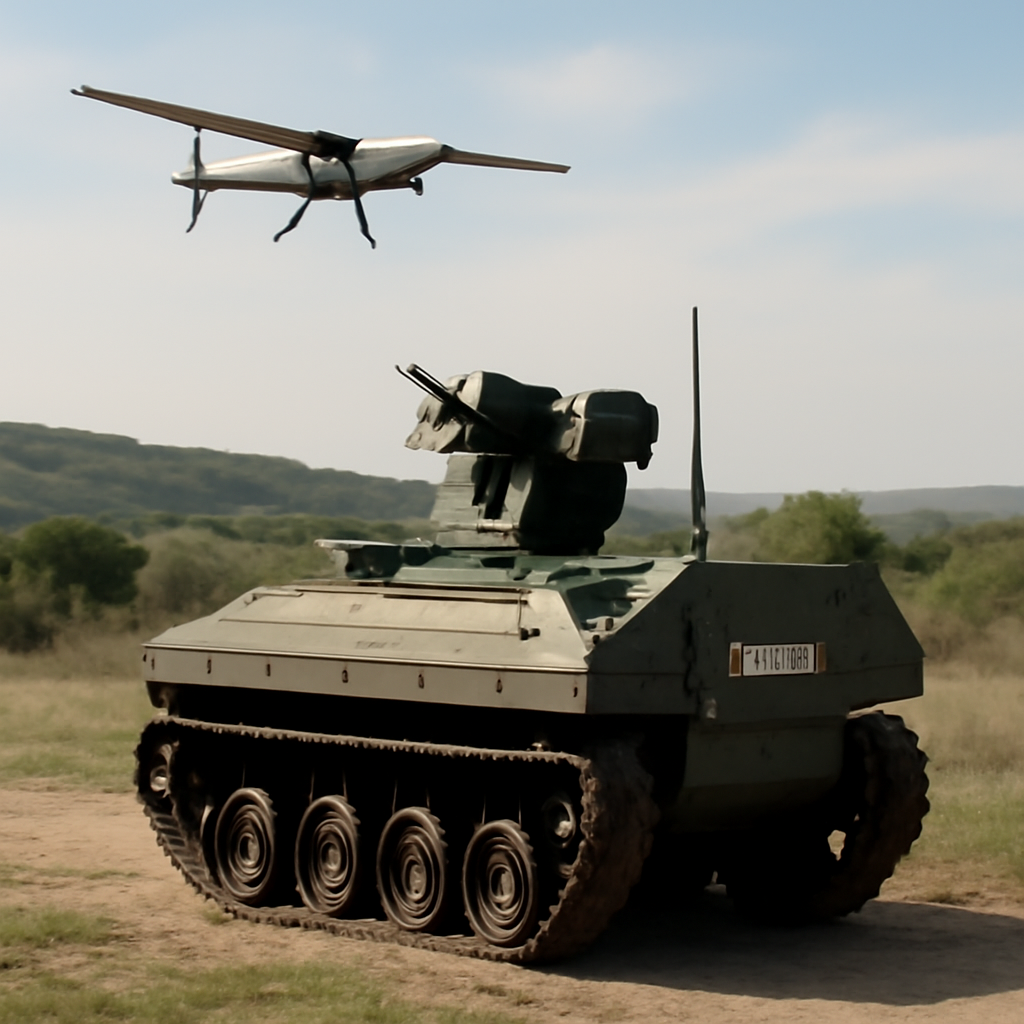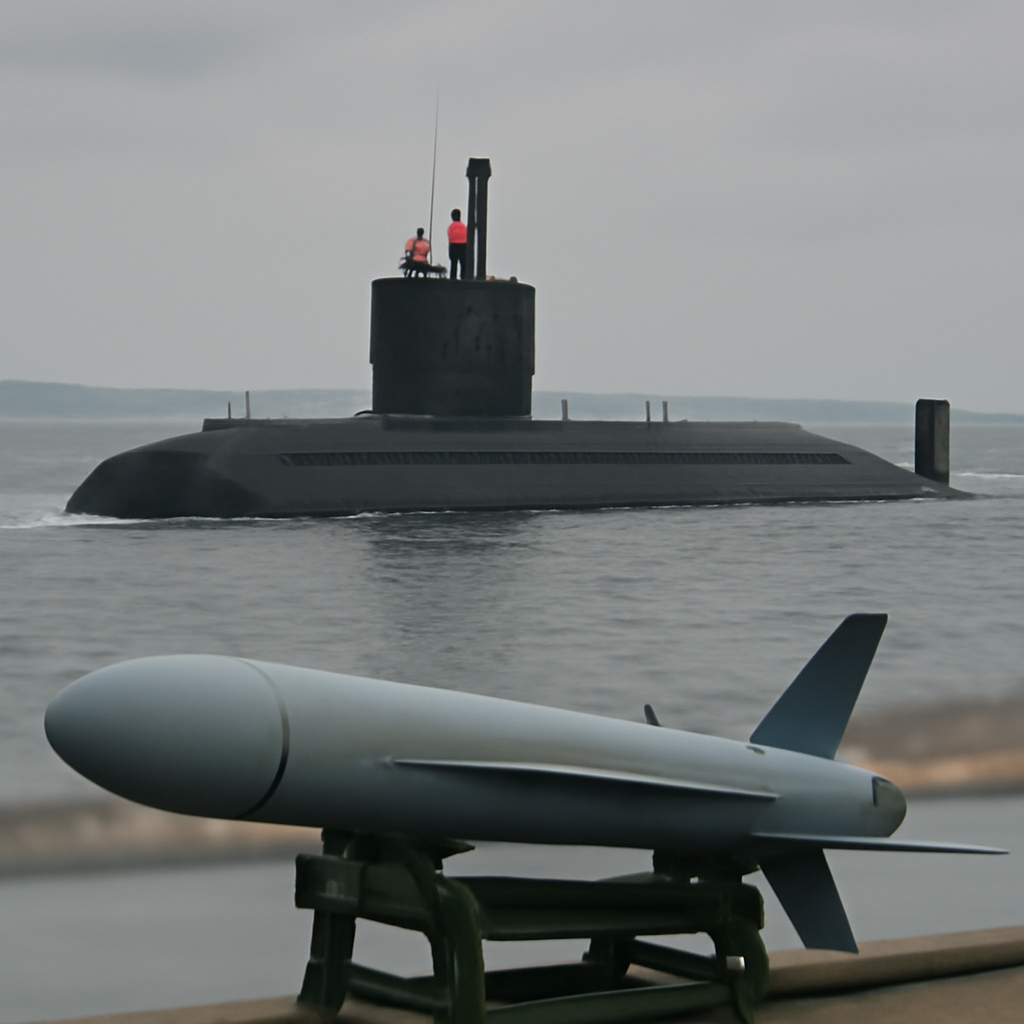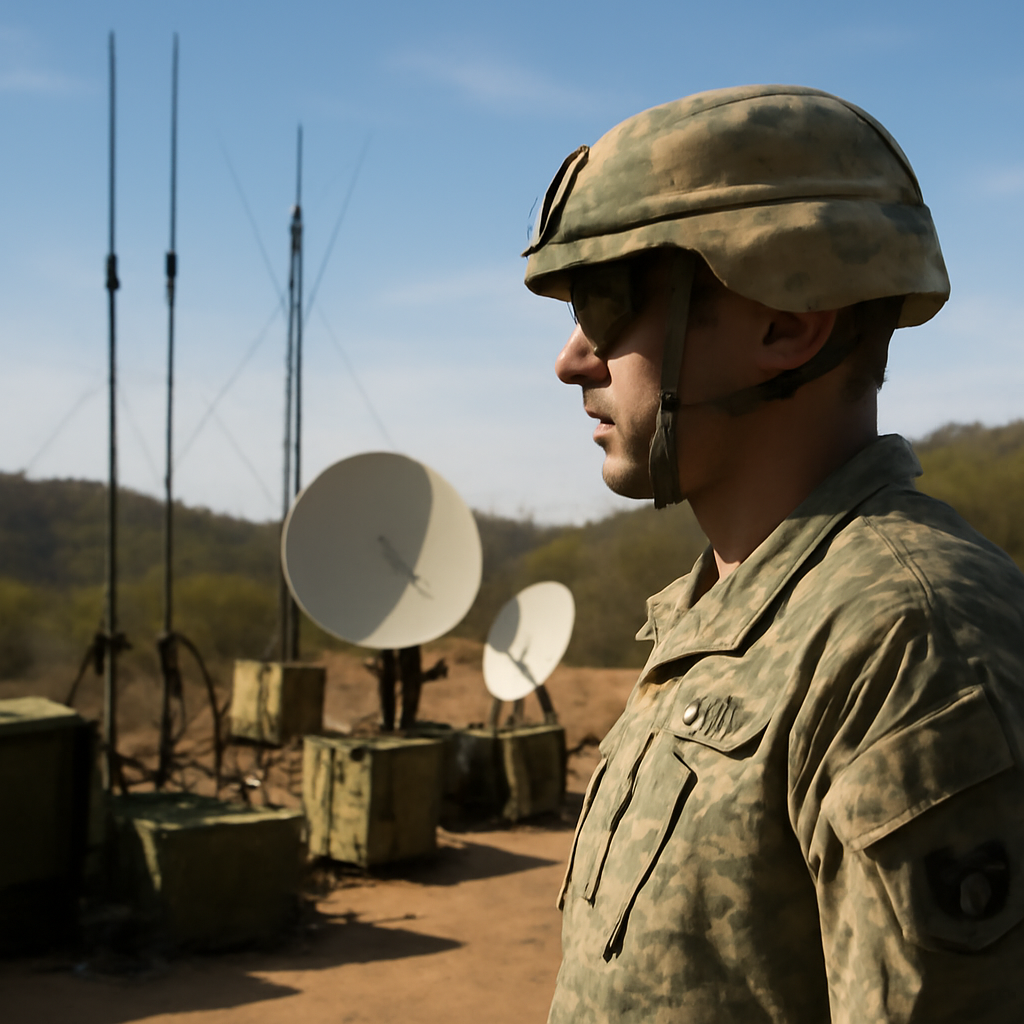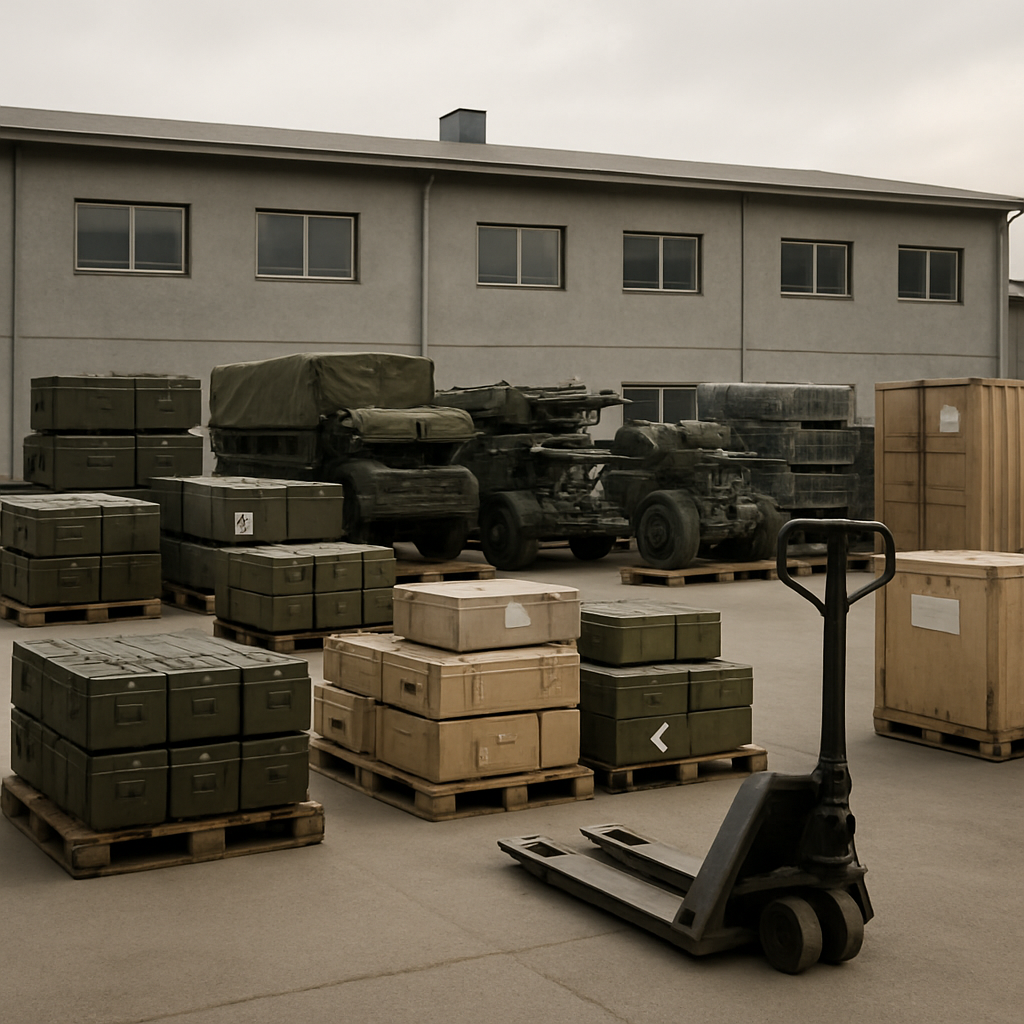
"Norway has been contacted by US authorities, who have informed that delays may occur, but it is emphasized that no decision has been made," Brage Berglund, a spokesperson for Norway's ministry, wrote in an email to Breaking Defense.
Norway told to expect possible US delivery delays
Oslo has received an explicit notification from Washington that deliveries of American-made weapons may be delayed, according to the ministry spokesperson’s message to Breaking Defense. Norwegian officials declined to specify which weapon systems might be affected or to provide any timeline for possible delays. The ministry’s language stressed that, at least for now, "no decision has been made."
Regional pattern: warnings to Nordic and Baltic partners
The Norwegian notice aligns with similar warnings reported across the Nordic and Baltic region. The EU's High Representative for Foreign Affairs and Security Policy, Kaja Kallas, said after a Nordic-Baltic foreign ministers’ meeting in Kuressaare, Estonia, that "US weapons deliveries to Nordic and Baltic countries face delays" and linked the problem to secondary consequences of instability in the Strait of Hormuz and higher oil prices.
Kallas did not specify which countries were affected or whether all Nordic and Baltic states were included, and Breaking Defense reports it received no follow-up clarification to that statement.

This site is the portfolio.
OSINTSights runs on Cloudflare Workers, D1, R2, and Vectorize, with an AI pipeline on Hetzner ARM. Nubivance designed, built, and operates it. We do the same for clients.
See what we buildFinland and Estonia have already acknowledged disruptions
Helsinki and Tallinn have publicly acknowledged delays linked to the war in the Middle East. Finnish President Alexander Stubb told Reuters that "some US stockpiles are being delivered elsewhere," while adding that he did not view those reassignments as alarming for Finland. Estonia has reported earlier setbacks, particularly in the delivery of US-made HIMARS systems — with mid-April reporting focused on delays to ammunition for that rocket-launcher system, some of which was scheduled to arrive this year.
Sweden and Denmark: mixed signals and silence
Sweden has told Breaking Defense it has received no similar notification. In an April 9 interview in Washington, Sweden’s Defense Minister Pål Jonson said Stockholm had received no notification from the United States about possible delays under the Foreign Military Sales program. In response to an April 21 follow-up email, the minister reiterated that Sweden had "not received any notification of delivery delays" for FMS programs. A further follow-up to the Swedish ministry produced no additional comment beyond what was already provided.
Denmark's Ministry of Defense declined to comment when asked by Breaking Defense one week ago and did not respond to a subsequent follow-up question.
How Norwegian procurement officials, Finnish and Estonian planners, and Nordic political leaders are likely to react
- Northern procurement officials (Norway): Expect heightened demand for clarity from US authorities — and internal reviews of inventory and schedules — because Norwegian officials have not been given system- or timeline-specific details.
- Finnish and Estonian military planners: Will track the status of ammunition and launcher deliveries closely; Estonia has already reported HIMARS-related ammunition delays scheduled for this year, while Finland has been told some US stockpiles are being diverted elsewhere.
- Nordic and Baltic political leaders: Face an immediate communications task — Kaja Kallas publicly linked the delays to the regional picture, but did not identify which countries are affected, leaving ministers to manage domestic expectations and defense timelines.
The thread running through these statements is uncertainty. US authorities have notified at least one allied government that delays "may occur," several capitals have confirmed disruptions or said they have been informed by partners, while others say they have not received notice. It is also unclear which additional countries may be affected and which systems — beyond Estonia’s reported HIMARS ammunition issue — might see slowed deliveries.
One clear political consequence is visible in the reporting itself: a potential slowdown of arms, "especially arms that have already been paid for," is described in the source as likely to sit uneasily with Nordic and Baltic allies who increased defense spending at Washington’s request and rely on US equipment to bolster security amid heightened tensions in Europe.
For now, the immediate facts are narrow: Norway has been told delays may occur; Helsinki and Tallinn have acknowledged disruptions; Estonia has specific HIMARS-related ammunition setbacks reported in mid-April; Sweden reports no FMS delay notifications as of April 21; Denmark declined comment. The deeper fiscal and operational consequences for national defense plans will depend on the scope of any formal US decision — a step that, according to Norway’s spokesperson, has not been taken.