"This decision follows a thorough review of the Department’s force posture in Europe and is in recognition of theater requirements and conditions on the ground,” Chief Pentagon Spokesman Sean Parnell wrote. “We expect the withdrawal to be completed over the next six to twelve months.”
The withdrawal order and the timeline
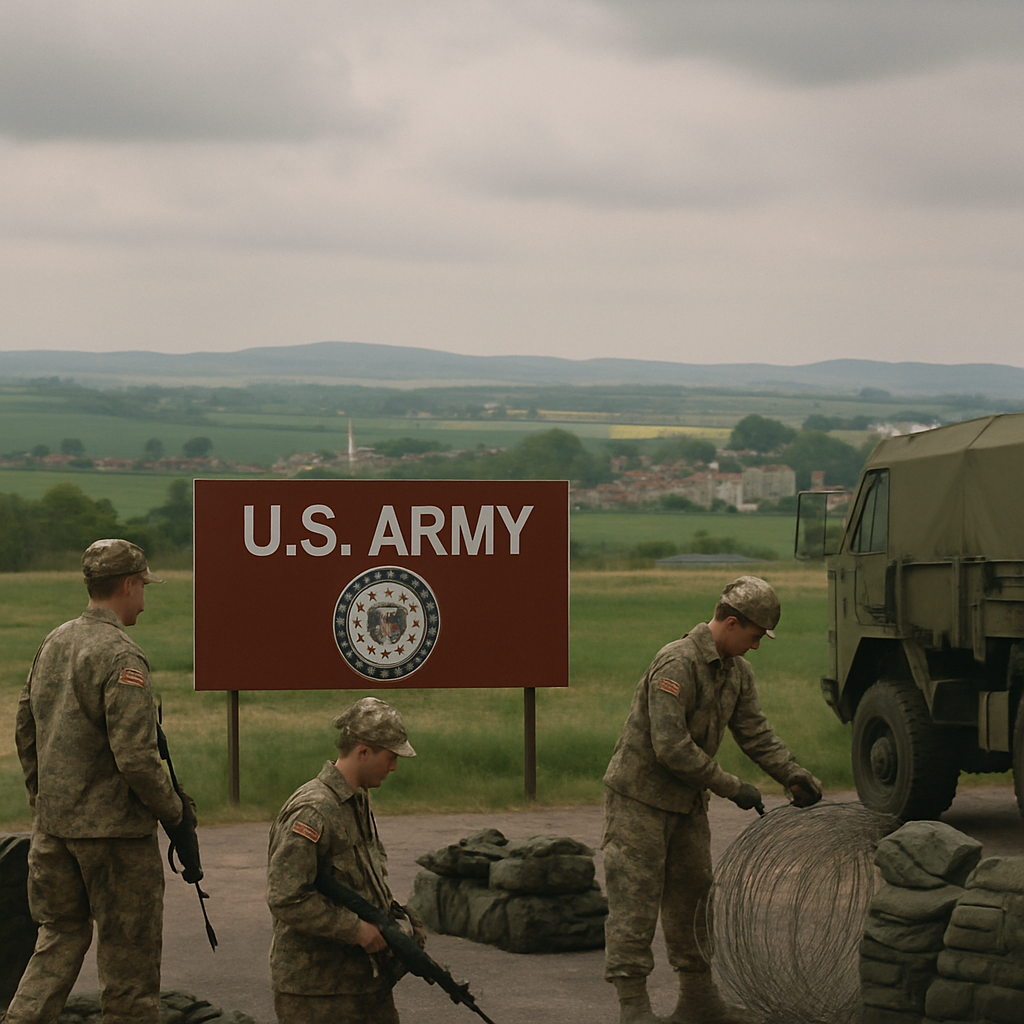
Defense Secretary Pete Hegseth has ordered the withdrawal of roughly 5,000 U.S. troops from Germany over the next year, a Pentagon spokesman confirmed to Breaking Defense. The Department of Defense statement, issued by Chief Pentagon Spokesman Sean Parnell, framed the move as the result of a “thorough review” of U.S. force posture in Europe and tied the decision to “theater requirements and conditions on the ground.” The withdrawal is expected to be completed within six to twelve months.
What remains unaddressed: the 30,000 troops and wider logistics
The Pentagon did not answer follow-up questions about the disposition or plans for the roughly 30,000 U.S. troops that will remain in Germany, nor did it say whether the decision will affect U.S. forces stationed in other NATO countries. Those omissions leave the logistics and strategic basing implications of the 5,000-person drawdown unresolved in the department's public remarks.

Audit-ready is a season. It shouldn't be.
Evidence in spreadsheets, controls drifting between audits, frameworks multiplying on flat headcount. Nubivance runs continuous compliance on Rapid7 Cyber GRC - SOC 2, HIPAA, ISO 27001, PCI, CMMC.
End the scrambleHow the announcement landed amid broader transatlantic tensions
The announcement comes in the context of months of friction between the United States and NATO partners. Breaking Defense notes a string of bilateral disputes — including President Donald Trump’s highly publicized threat to invade Greenland, broader tariff disagreements, and recent U.S.-Israel military operations against Iran — that have contributed to a strained atmosphere with allies. Reuters posted the decision on X this evening.
Maritime and regional security pressures: Iran, mines, and blockades
Breaking Defense reports that, while Iran and the U.S. are “technically in a ceasefire,” both nations are conducting a blockade of vessels through the Strait of Hormuz. The item also recounts that President Trump has “flip-flopped” on calls from NATO allies to assist in intervening to clear potential mines in those waters, a detail that ties the new European posture decision to active operational concerns in the Middle East.
What this means for NATO allies, U.S. military planners, and the German government
- NATO allies: Allies in Europe will be watching for clarification on whether the withdrawal is a localized redeployment from Germany or part of broader shifts affecting forces in Spain, the U.K., or other NATO states. The Pentagon did not say whether the move will affect U.S. troops in other NATO countries.
- U.S. military planners: Implementing a drawdown of roughly 5,000 personnel over six to twelve months will require specific logistical decisions that the Pentagon has not publicly detailed — including timelines for unit moves, equipment transfers, and host‑nation coordination.
- The German government: Berlin will be monitoring both the immediate force change and the political tenor of recent exchanges with Washington, which have included public barbs between leaders. Breaking Defense notes German Chancellor Friedrich Merz said Iran has “humiliated” Washington; President Trump responded by suggesting a troop withdrawal could be on the horizon.
The Pentagon’s public line is concise and procedural: a review produced a decision and the pullback will finish within six to twelve months. What remains unanswered — and consequential for governments and military planners alike — is the disposition of the roughly 30,000 U.S. troops staying in Germany and whether this is a narrowly focused adjustment or a harbinger of wider posture changes across NATO. The department's silence on those particulars leaves a brief but meaningful policy window that allies and planners will now watch closely.
Source: Breaking Defense — Hegseth orders 5,000 US troops to withdraw from Germany



