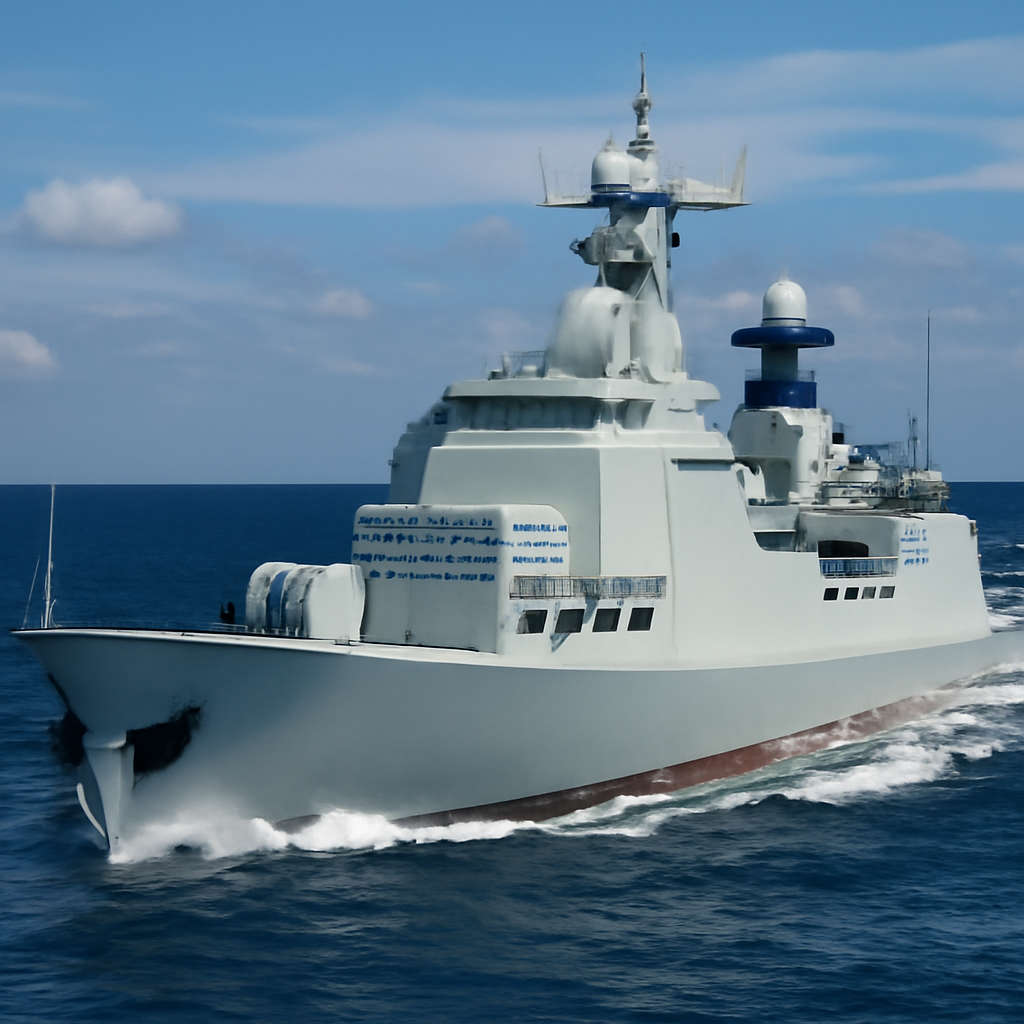
"If China continues to accelerate, regional states are more likely to hedge rather than fully align with either side, balancing economic opportunity against sovereignty and security concerns," the article warns — a compact statement of the strategic dilemma now confronting the Indo‑Pacific.
Pacific island countries under strain
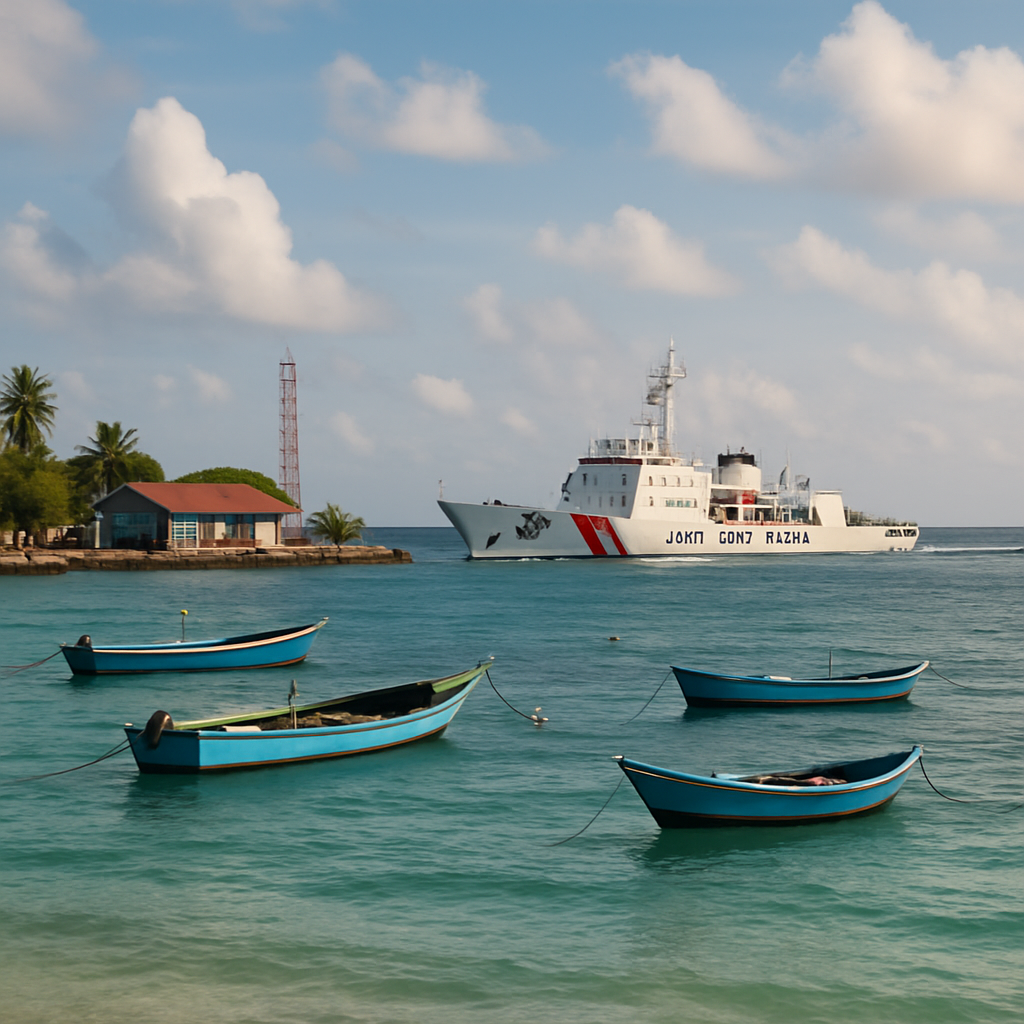
Under a faster Chinese push, the article lays out how Beijing would pursue port access and logistics agreements more aggressively in the Southwest Pacific, including dual‑use arrangements and hubs capable of sustaining persistent operations. At the same time, an intensified buildup of China Coast Guard and maritime militia activity would raise pressure in fisheries and maritime zones, expanding access while testing sovereignty boundaries.
Those dynamics, the piece says, would put Pacific island countries under significant strain. Some states — the article cites Solomon Islands by name — might deepen partnerships with Beijing; others would try to leverage heightened competition to extract greater benefits from external partners, risking regional fragmentation. To avoid fractures, many island countries could tighten management of external partners, turn inward to preserve cohesion, or consolidate security cooperation through the Pacific Islands Forum and deeper engagement with Australia and New Zealand. The trade‑offs are stark: tighter regional unity could mean constrained engagement with partners such as the US and Japan, reflecting difficult choices to maintain cohesion.
Australia’s maritime approaches and operational risk
Closer to home, a faster tempo of Chinese operations would bring "capable naval flotillas, survey vessels and intelligence ships closer to critical infrastructure and shipping routes," the article says, probing Australian and allied response times and signalling China’s capacity to operate persistently near areas of strategic importance to Canberra. Intensified live‑fire exercises, seabed survey activity and grey‑zone operations would add strain to Australian Defence Force readiness.
To preserve credible deterrence, the article argues, Australia would need to strengthen its sea surveillance, broader intelligence and surveillance capabilities, and northward deployment of forces. Greater emphasis on partnerships with middle powers and regional states is also flagged as critical, particularly if US regional engagement fluctuates. As activity increases on both sides, so too will friction: domestic resilience, political resolve and alliance settings will be tested, and Canberra’s own expanded presence and exercises would contribute to a more complex and crowded operating environment.

This site is the portfolio.
OSINTSights runs on Cloudflare Workers, D1, R2, and Vectorize, with an AI pipeline on Hetzner ARM. Nubivance designed, built, and operates it. We do the same for clients.
See what we buildIndian Ocean chokepoints: Djibouti, Sri Lanka and Pakistan
The accelerated scenario extends into the Indian Ocean, where Chinese naval activity would focus on key sea lanes and chokepoints. The article points to an expansion of China’s base in Djibouti and greater access to ports in Sri Lanka and Pakistan to support a more persistent presence. That operational proximity to India, Australia and other regional actors, the piece says, would likely drive deeper cooperation through intelligence sharing, joint exercises and undersea surveillance.
But such proximity comes with acute risks. Encounters between submarines, surface vessels and surveillance aircraft in busy chokepoints carry inherent dangers: misinterpretation, close manoeuvring or signalling of resolve could escalate quickly. Efforts to maintain freedom of movement might therefore generate a reinforcing cycle of action and response across vital maritime corridors.
China testing allied thresholds and the policy response
Beyond presence, the article highlights Beijing’s interest in testing allied responses. By varying the tempo and intensity of activity, China could assess thresholds, probe alliance cohesion and identify gaps in regional resilience. These moves might stop short of provoking conflict yet would raise operational risk and the likelihood of miscalculation.
Significantly, the article notes, China’s most recent five‑year plan reinforces this trajectory: despite fiscal pressures, defence and security objectives remain a priority, suggesting a larger and more persistent Chinese presence is likely. For Australia and its partners, deterrence will remain necessary but insufficient. The recommended complements are partnership building, domestic resilience and sustained regional engagement — persistent presence, intelligence sharing, joint exercises and operational interoperability.
What this means for Australia, Pacific island countries, and middle powers
- Australia: strengthen maritime surveillance and intelligence capabilities, increase northward deployments, and deepen interoperability with partners to manage escalation risks and preserve deterrence.
- Pacific island countries: balance economic engagement with sovereignty concerns; some may deepen ties with Beijing while others leverage competition to extract benefits, or consolidate through regional institutions to avoid fragmentation.
- Middle powers and regional states: expand intelligence sharing, joint exercises and undersea surveillance to mitigate proximity challenges and reduce the chance that routine encounters produce miscalculation.
The piece closes with a clear challenge: "The challenge for Australia and its partners is not to prevent Chinese presence, but to shape the strategic environment in which that presence operates, managing risk, reinforcing partnerships and reducing the likelihood that intensifying competition tips into crisis." That framing captures the narrow policy margin available — not to stop change, but to manage how it unfolds.