Why the Air Force says additional money is required
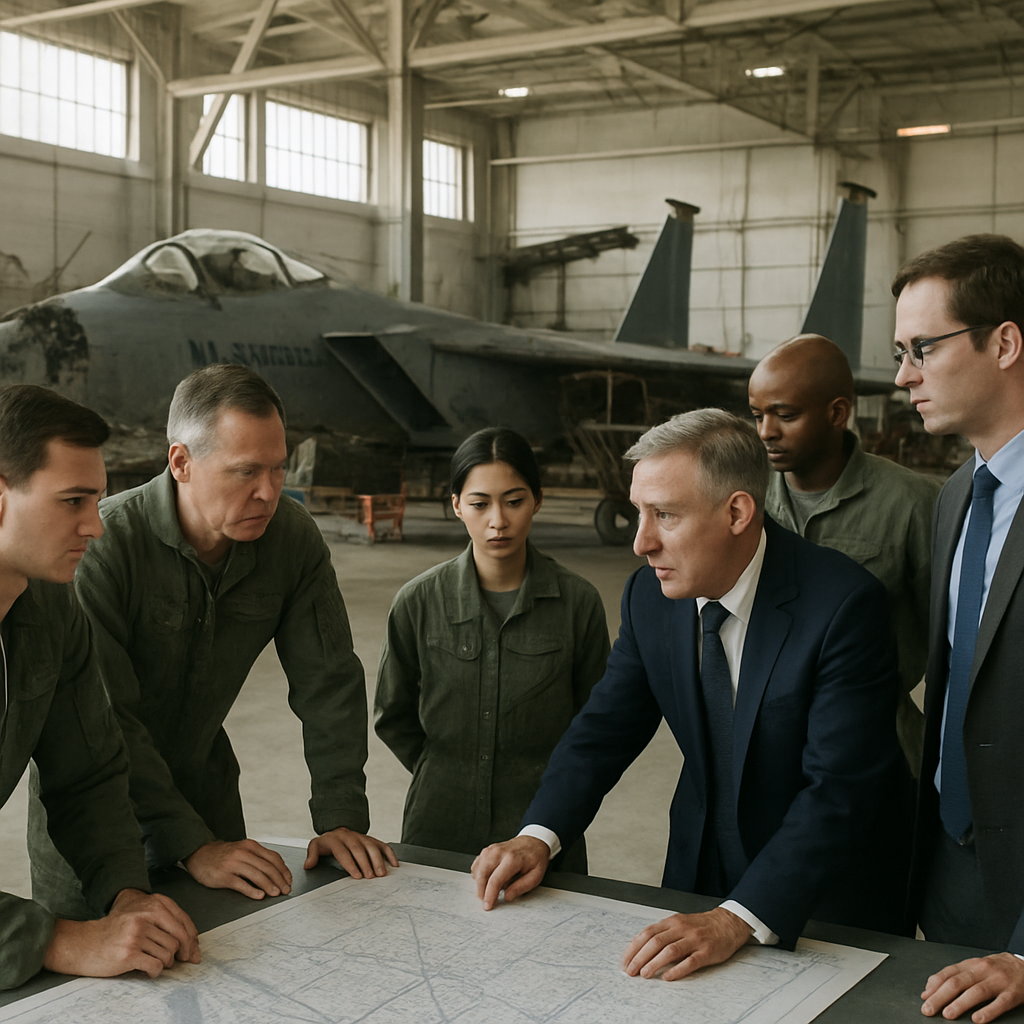
Gen. Wilsbach, the Air Force’s top uniformed leader, told lawmakers that the service’s 2027 budget request — including a historic $1.5 trillion defense topline — was developed before “dozens” of aircraft were damaged or destroyed after Operation Epic Fury began in late February. Because the budget was set prior to those losses, Wilsbach said Congress will need to provide supplemental funding to replace aircraft lost in the ongoing conflict with Iran and to replenish future procurement plans intended to expand the fighter, bomber and tanker fleets.
The scale and cost of the damage cited by officials
Key U.S. Air Force assets singled out in testimony and open-source tallies include a $500 million E-3 Sentry airborne warning-and-control aircraft and four F-15E fighter jets. According to a tally of open-source reporting compiled by The War Zone and cited in testimony, nearly 40 U.S. aircraft have been destroyed and roughly 10 more damaged since operations began.
Jules W. Hurst III, who is performing the duties of the Pentagon comptroller and chief financial officer, told reporters earlier in April that the Department of Defense has spent an estimated $25 billion during the two months of Iran war operations — a figure that Hurst said does not fully account for base and aircraft damage and that others at the hearing described as too low. Rep. Ro Khanna, D-Calif., said the $25 billion figure appeared to be “totally off.”

Audit-ready is a season. It shouldn't be.
Evidence in spreadsheets, controls drifting between audits, frameworks multiplying on flat headcount. Nubivance runs continuous compliance on Rapid7 Cyber GRC - SOC 2, HIPAA, ISO 27001, PCI, CMMC.
End the scrambleBudget pathways: supplemental funding versus reconciliation
The administration has been seeking supplemental funding to cover ongoing operations and replenishment, with public figures ranging from $98 billion to more than $200 billion for an Iran war supplemental. A supplemental appropriation carries different political and oversight implications than reconciliation funding: a supplemental would require broader Congressional buy-in and conventional appropriations procedures and oversight, whereas reconciliation spending can be approved by simple majority vote.
Lawmakers pointed to those procedural differences during the hearing. Rep. Ken Calvert, the defense appropriations subcommittee chairman, told Air and Space Force leaders that congressional offices have not yet received details on a supplemental request related to the Iran conflict and said it remained “unclear how we plan to replenish stocks and address losses we’ve taken in our Air Force inventory.” Rep. Betty McCollum, the ranking member of the defense appropriations subcommittee, argued that a supplemental is preferable to reconciliation funds because it allows clearer tracking of where money is going — she referenced concerns following the passage of the prior administration’s One Big Beautiful Bill Act.
How the Air Force, Congress, and the comptroller are positioned
- Air Force leadership: Gen. Wilsbach framed a supplemental as necessary to address immediate replacement of aircraft lost and to allow the 2027 procurement plan to increase the number of airframes across fighters, bombers and tankers.
- Pentagon financial office: Jules W. Hurst III characterized the $1.5 trillion topline as having been formulated “before we went into conflict with Iran,” and provided an initial DOD estimate of roughly $25 billion spent in the first two months of operations, while acknowledging further accounting for damage could raise that number.
- Congressional appropriators: Chairman Ken Calvert emphasized the absence of a formal supplemental request to review, and Rep. Betty McCollum emphasized the importance of tracking funds through a supplemental rather than reconciliation to preserve oversight.
What remains unsettled as lawmakers press for details
The Air Force has identified specific equipment losses and called for a supplemental to restore capability, but congressional appropriators say they have not yet seen the requested supplemental documentation that would outline costs, timelines, and procurement plans. The administration’s publicly reported range for supplemental needs — $98 billion to more than $200 billion — provides a sense of scale but not the program-level detail appropriators say they need to judge replenishment and accountability. With the $1.5 trillion 2027 request built before the Iran conflict, officials on both sides of the aisle signaled the gap between program plans and wartime losses remains a live budgeting and oversight issue.
Link to the original story: Air Force’s top general: Supplemental funding needed to replace US aircraft lost in Iran



