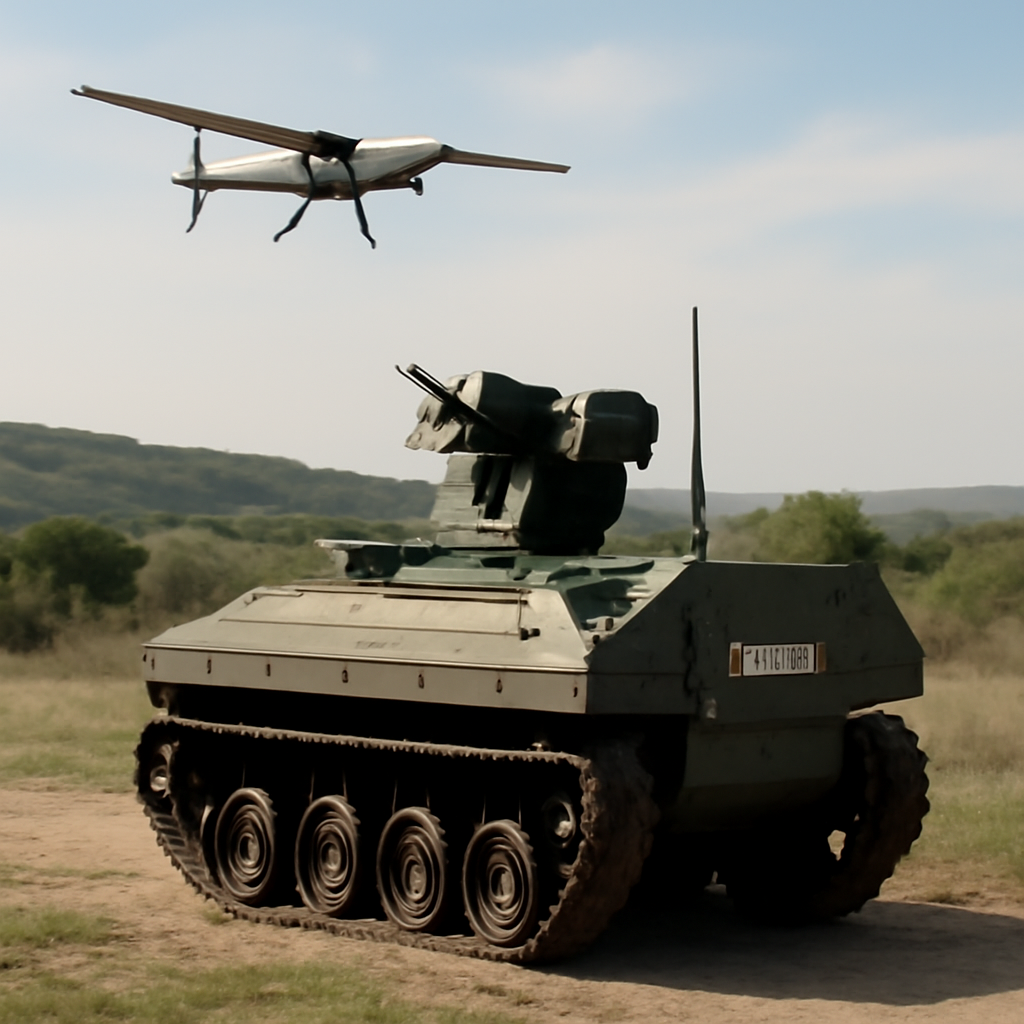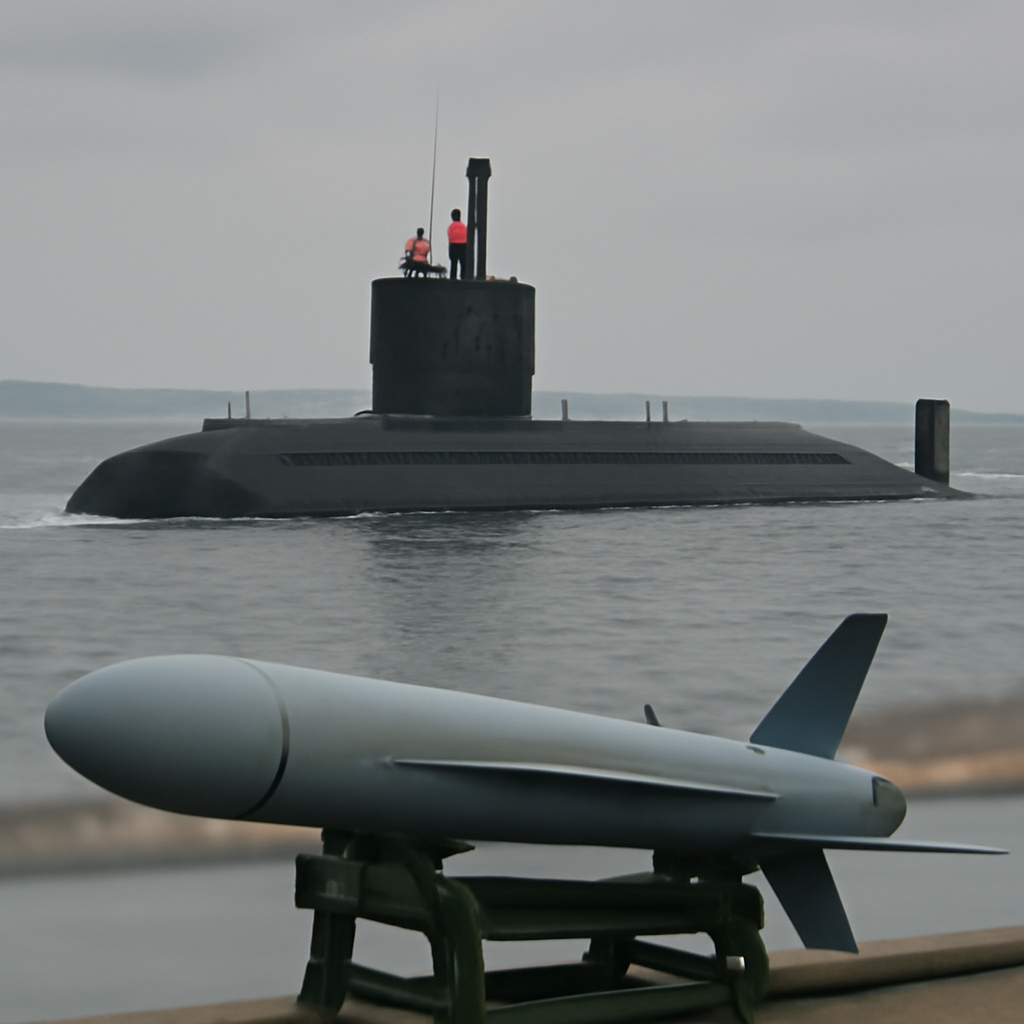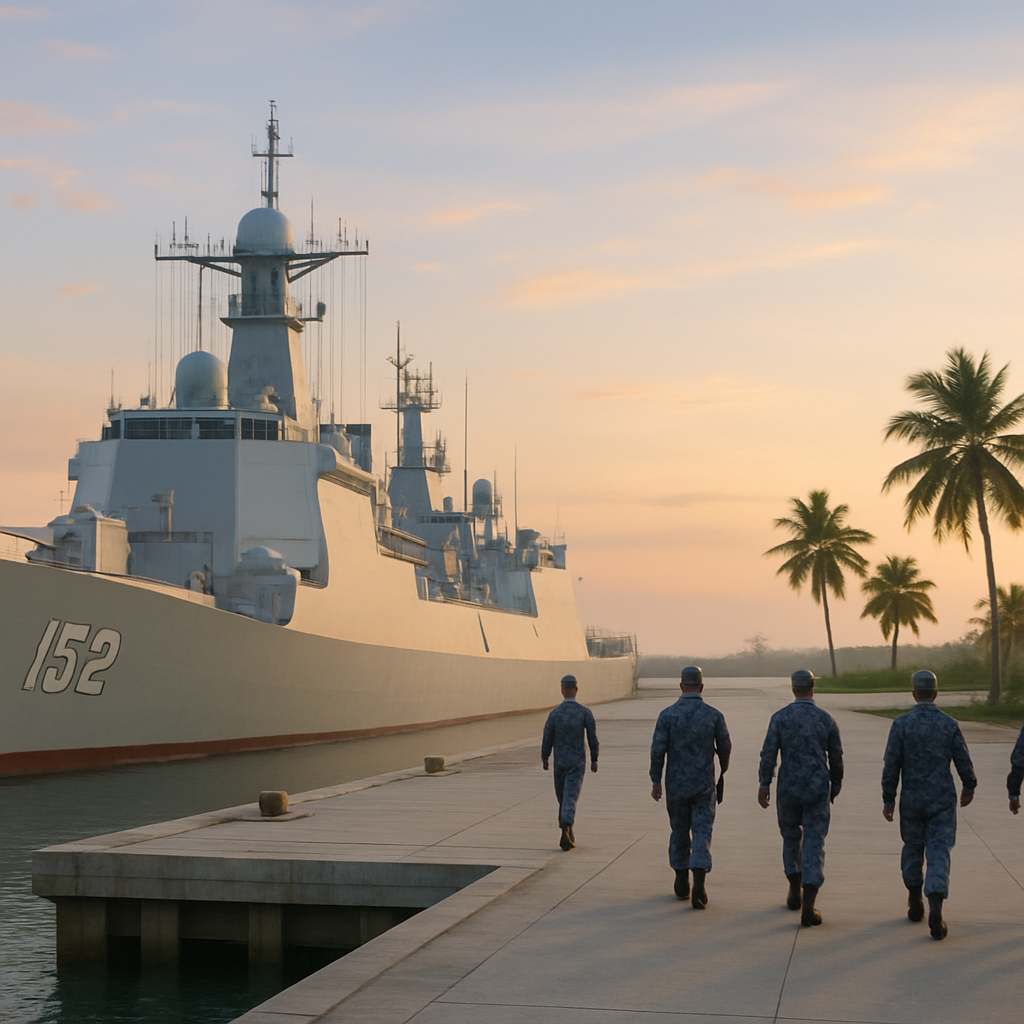
"China’s defense and security presence beyond the Western Pacific is set to intensify over the next decade, expanding its access, influence, and operational reach across the Indo‑Pacific," ASPI concluded.
ASPI war games and the two futures they sketched
The Australian Strategic Policy Institute (ASPI) ran wargames in March that form the basis for the judgments summarized here. The exercises examined two pathways for Beijing’s outreach out to 2036: one in which activity grew steadily over time, and another where expansion accelerated in response to opportunity or crisis. The scenarios do not assume sudden military breakthroughs or dramatic shows of force; instead, both envision a deliberate, long‑term strategy of persistence and incremental advantage.
Naval modernization plus a layered toolkit
Over the past two decades, China’s navy has evolved "from a largely near‑seas force into a highly sophisticated navy capable of sustained blue‑water operations," the source reports. Regular deployments into the Indian Ocean — for counter‑piracy missions, long‑range task group operations and increasingly complex exercises — underpin Beijing’s ability to operate far from home.
But naval power is only one element. The China Coast Guard, described as now the world’s largest, plays a central role in projecting presence under a law‑enforcement narrative. Maritime militia vessels, research ships and survey ships also extend reach; many of their missions are difficult to classify strictly as civilian or military. Taken together, these instruments allow Beijing to mix military, paramilitary and civilian activities in ways that expand presence while retaining plausible deniability.

The cyber insurance questionnaire just landed. Now what?
SOC 2, HIPAA, insurance renewals - someone has to own security strategy. Nubivance provides fractional CISO leadership without the full-time salary.
Get a security leadSouthwest Pacific through 2031: access by accumulation
ASPI’s wargame suggests China will focus in the Southwest Pacific on building access and influence through security cooperation, infrastructure development and a more regularized presence. Port visits, training programs and maritime enforcement cooperation will be framed as responses to local needs — disaster relief, fisheries protection and capacity building. Over time, these routine activities can create the conditions for more consistent access, including the storage of supplies and rotational deployments so that "one ship or another will always be present."
Indian Ocean and Australia’s maritime approaches: permanence and familiarity
Across the Indian Ocean, Beijing’s priority will remain protecting sea lines of communication, especially routes for oil and gas from the Middle East. ASPI notes a network of port access arrangements, logistics hubs and strategic partnerships is "gradually emerging, from Djibouti to Pakistan and potentially beyond." Even when facilities are framed as commercial or dual‑use, they provide the foundation for sustained naval operations and an increasingly enduring footprint.
Australia’s maritime approaches are a different but related focus. There the emphasis is on operational familiarity and signaling: naval flotillas, intelligence collection vessels and survey ships operating more frequently to Australia’s north and west. These deployments let Beijing map seabed infrastructure, monitor communications routes and observe Australian and allied responses — and, crucially, can often be carried out "within the bounds of international law," enabling pressure without crossing clear red lines.
What this means for Australia, Pacific Island states, and the United States and its allies
- Australia: will face more frequent, capable and strategically purposeful activity in its northern and western approaches, requiring attention to seabed mapping, communications monitoring, and patterns of routine naval presence.
- Pacific Island states: can expect offers framed as capacity building, disaster relief and fisheries cooperation that may generate increased port visits, infrastructure projects and opportunities for rotational logistics and supply storage.
- The United States and its allies: will be confronted less by abrupt coercion than by a gray‑zone competition of accumulated access and influence, prompting focus on how discrete activities add up to sustained presence.
ASPI’s assessment underscores a calculated approach: avoid actions likely to trigger a unified or forceful response and instead operate below crisis thresholds, using ambiguity and legal framing to manage perceptions. The result is strategic competition that is incremental and cumulative. The next installment in this series will examine how such activity could become normalized by 2036; ASPI will also outline China’s likely actions and regional responses on the next iteration of the Pressure Points website, to be released in June 2026.