Tag: national security
2618 articles
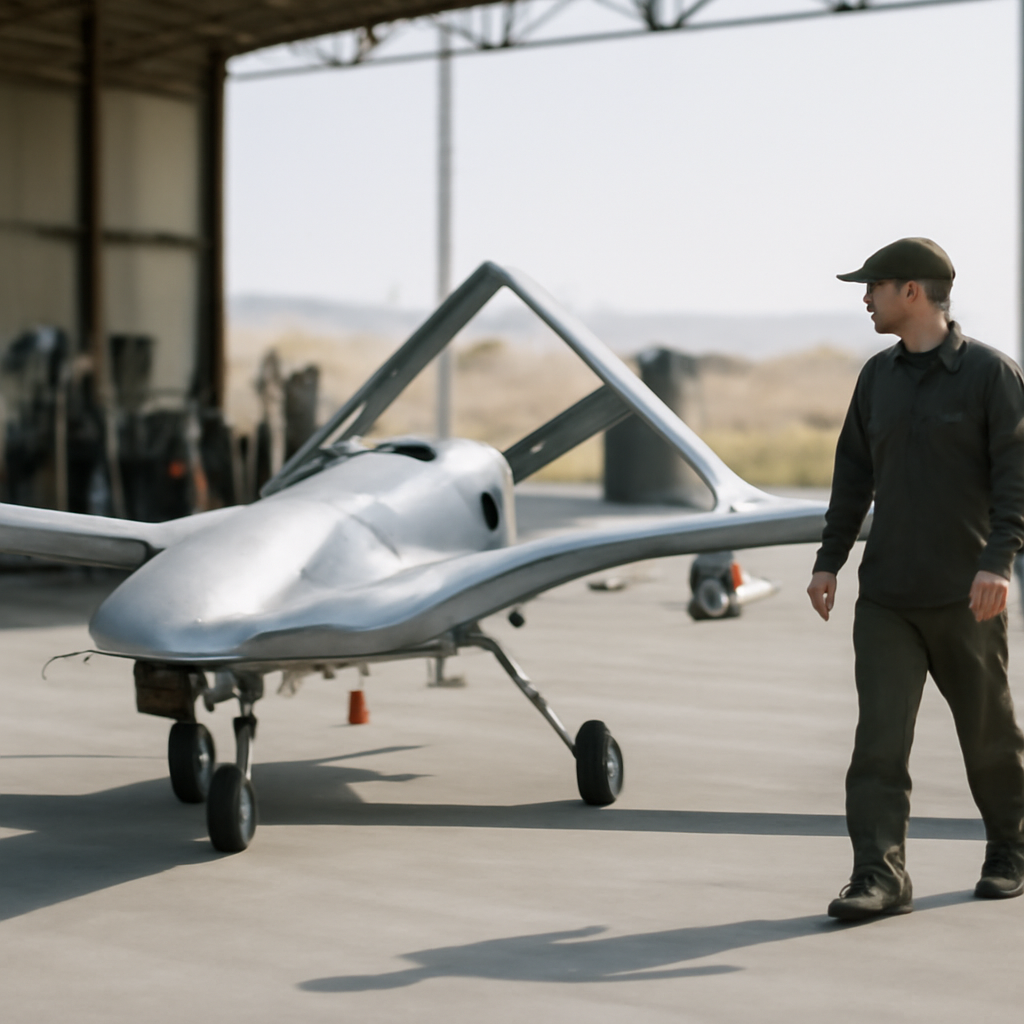
Central Asia Turns to Local Drone Development to Curb Foreign Security Dependency
Central Asian countries are ditching foreign security solutions and turning to local drone development to break free from dependency on external suppliers. Kyrgyzstan's recent procurement spree on Turkish drones, however, only serves to highlight the risks of new foreign entanglements.
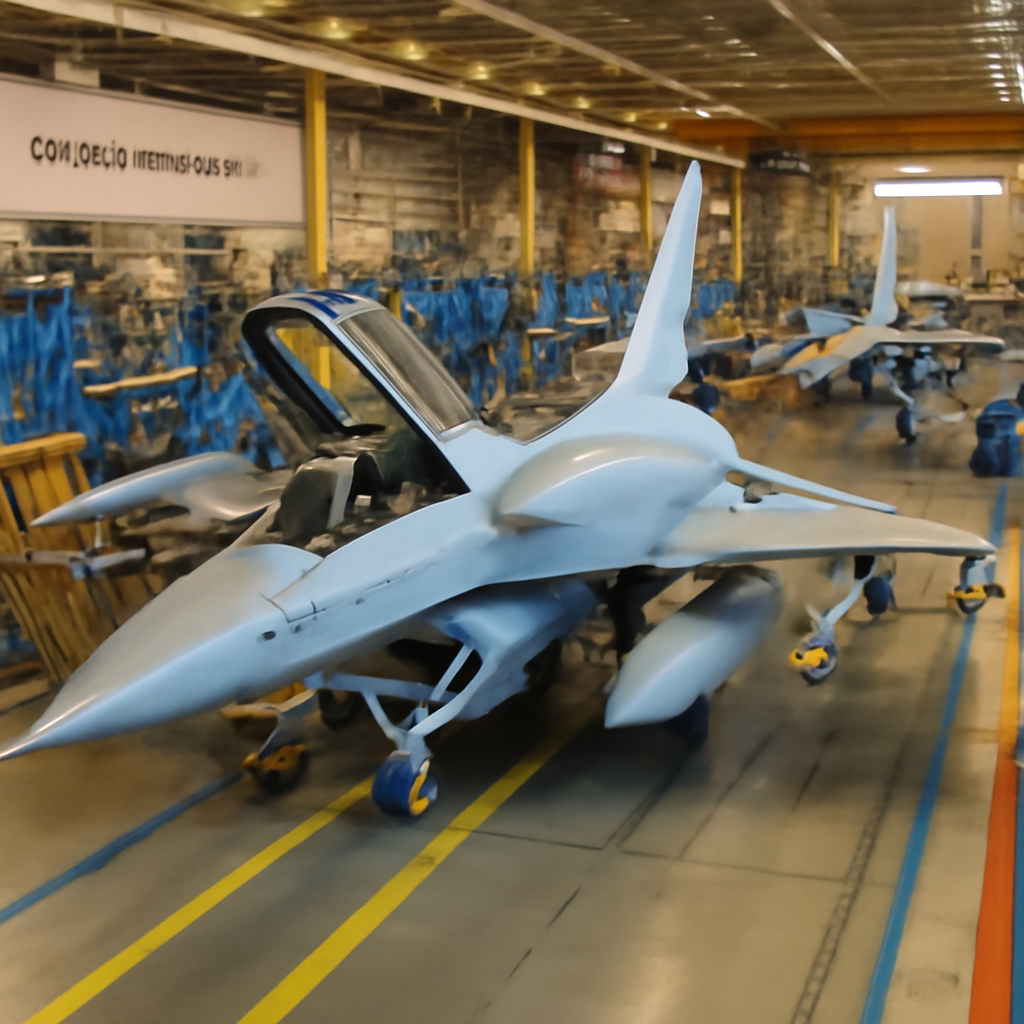
USAF Weighs Reviving F-16 Production Amid Fighter Shortfall
The US Air Force is considering reviving F-16 production to address a fighter shortfall, with Lockheed Martin pitching an enhanced F-16G model featuring advanced capabilities like conformal fuel tanks and an infrared search-and-track system.

Australia Urges Faster Defence with Commercial Providers
Australia can accelerate its defence capabilities by months, not years, by leveraging commercial providers - a crucial strategic choice in today's fast-paced security landscape. By adopting commercially owned, commercially operated models, the government can rapidly acquire cutting-edge solutions without the hefty upfront costs.
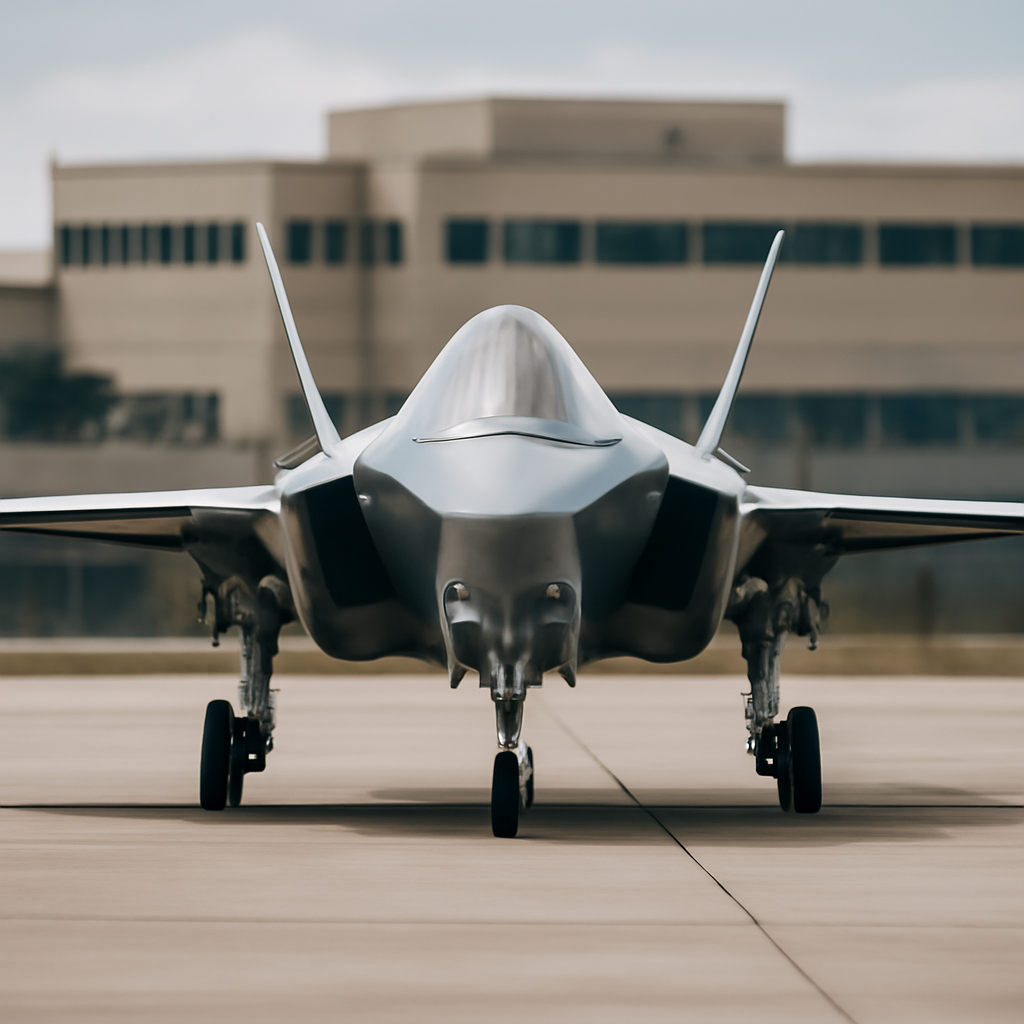
US Clears $24B F-35 Sale to Saudi Arabia
The US has greenlit a massive $24.3 billion deal for Saudi Arabia to purchase up to 48 F-35A aircraft, strengthening the countries' security partnership. The sale, which now heads to Congress for review, aims to bolster long-term cooperation and stability in the region.
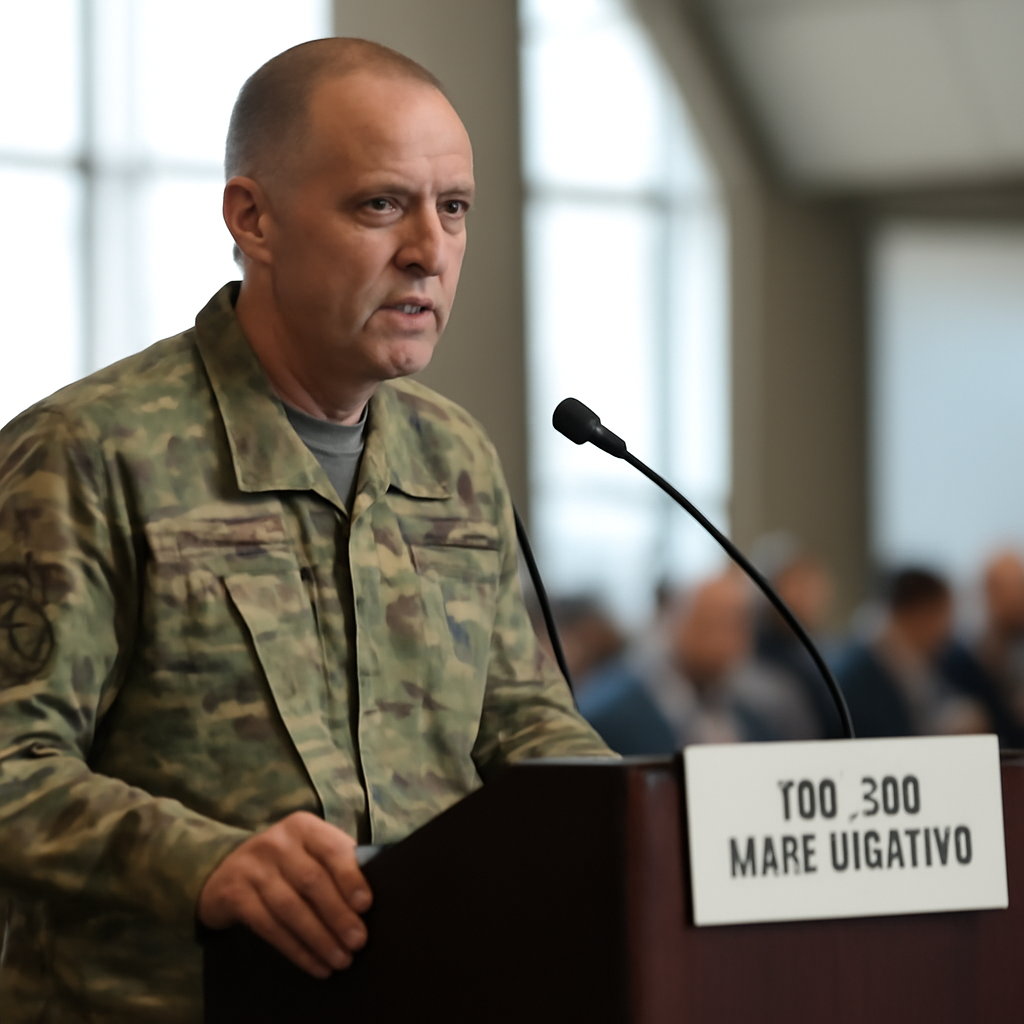
Air Force Pursues Rapid Tech Integration Amid Safety Focus
The Air Force is speeding up tech integration while prioritizing safety, with a focus on balancing urgency with caution to avoid unnecessary risks. Brig. Gen. Mark Massaro emphasizes that safety always comes first, especially given the potentially hazardous nature of their work.
US Approves $24 Billion F-35 Sale to Saudi Arabia
The US has greenlit a massive $24 billion deal to sell 48 F-35 fighter jets to Saudi Arabia, a move that will bolster the security of a key ally in the Gulf region and support US foreign policy goals. This sale will help Saudi Arabia continue to promote stability and economic growth in the area.
Air Force Explores Autonomous Tanker Options
The Air Force is rethinking its next-generation tanker strategy, with Lt. Gen. Daniel Tulley suggesting that a future air-refueling solution doesn't necessarily need to be manned. This opens the door to exploring autonomous tanker options that prioritize connectivity and self-defense.

Northrop, Lockheed Pursue Munitions Deals Amid Budget Uncertainty
Northrop Grumman is seizing the opportunity to collaborate with new partners and showcase its cutting-edge munitions products, aiming to secure a larger share of the market. The company is in active discussions with major contractors on around 10 agreements covering eight key weapons systems.
USMC Deploys Expeditionary Advanced Base Operations in Combat for First Time
The US Marine Corps has marked a major milestone, deploying Expeditionary Advanced Base Operations in combat for the very first time, validating a concept that's been years in the making. This breakthrough deployment was successfully executed by the 31st Marine Expeditionary Unit during its recent six-month mission.
US Space Force Deploys to Counter Growing Threats in Orbit
The US Space Force has taken a bold step to safeguard American and allied space systems by deploying "space control weapons" to counter the growing threats from China and Russia. For over two decades, these rival nations have been developing tools to disrupt, degrade, or destroy satellites, and recent conflicts in Ukraine and the Middle East have shown how these space-enabled threats can have a direct impact on events on Earth.

Space Force Modernization Efforts Hit Snag Amid Funding Hold
The Space Force's ambitious modernization plans have hit a roadblock due to a funding hold, with a continuing resolution pausing new program starts until a full-year appropriation is passed. This delay comes as the service is gearing up for a major ramp-up in its efforts to dominate the critical space domain.

IBM, Astraeus Form Venture to Accelerate Defense Tech Adoption
Astraeus Operations and IBM Federal Consulting have joined forces to revolutionize defense tech adoption through their new joint venture, Mission Defense Technologies, LLC, combining expertise to deliver high-impact solutions to the federal government. This powerful partnership pairs a mission-first approach with cutting-edge technology capabilities.

US Takeover Exposes Venezuela to Chinese AI Surveillance Risks
Venezuela is on the brink of becoming a major hub for Chinese AI surveillance, with a new generation of advanced AI systems set to supercharge the country's existing surveillance state. This move raises alarming concerns about digital authoritarianism, according to a recent report by the Australian Strategic Policy Institute.
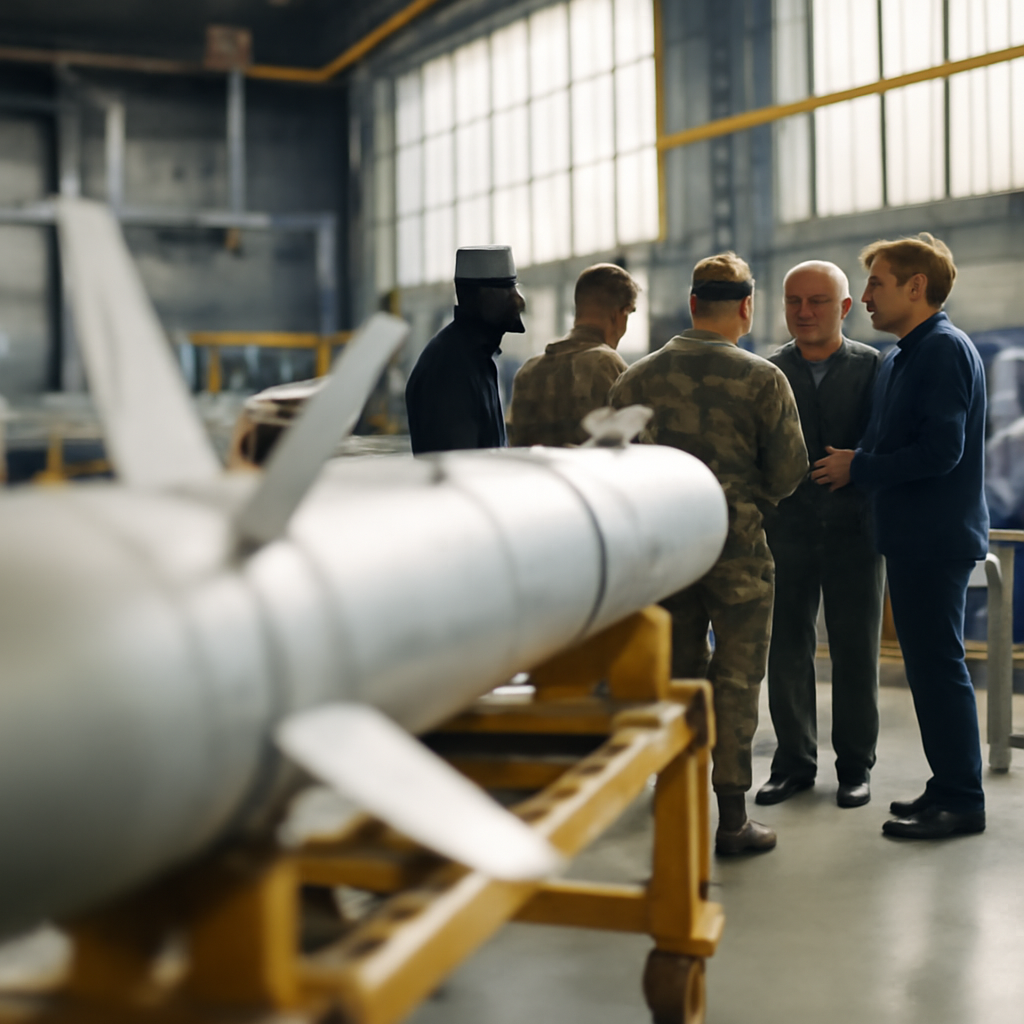
Pentagon Accelerates AIM-260 Missile Production Amid China Threat
The Pentagon is ramping up production of the AIM-260 missile to stay ahead of China's growing threat, with a new framework agreement with Lockheed Martin aimed at ensuring a stable and efficient supply chain. This move is part of a broader effort to accelerate development of cutting-edge air dominance weapons.
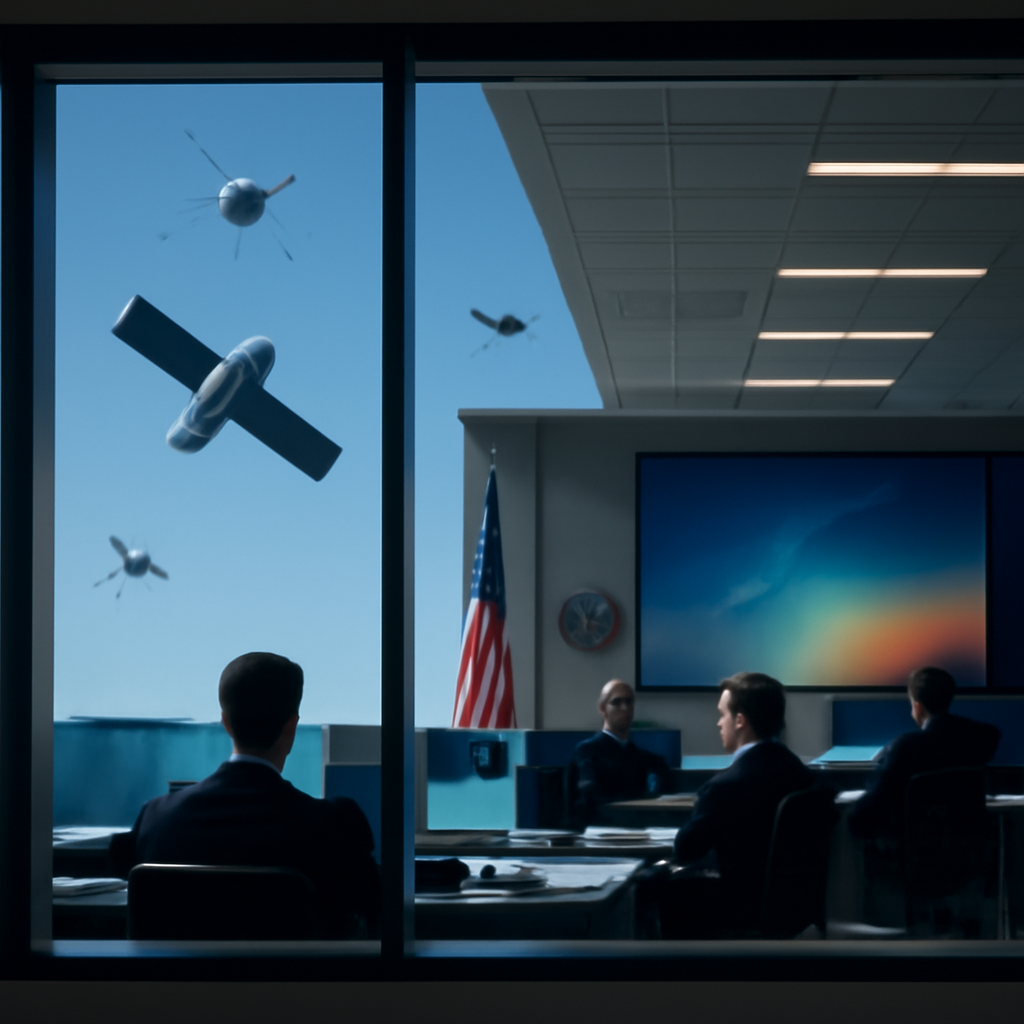
US Unveils Space Control Weapons Amid Escalating Global Arms Race
The US has just taken a giant leap in the global arms race, deploying space control weapons into orbit to shield its forces from hostile attacks. These cutting-edge tools mark a new era in space defense, as the US bolsters its national security in an increasingly contested domain.
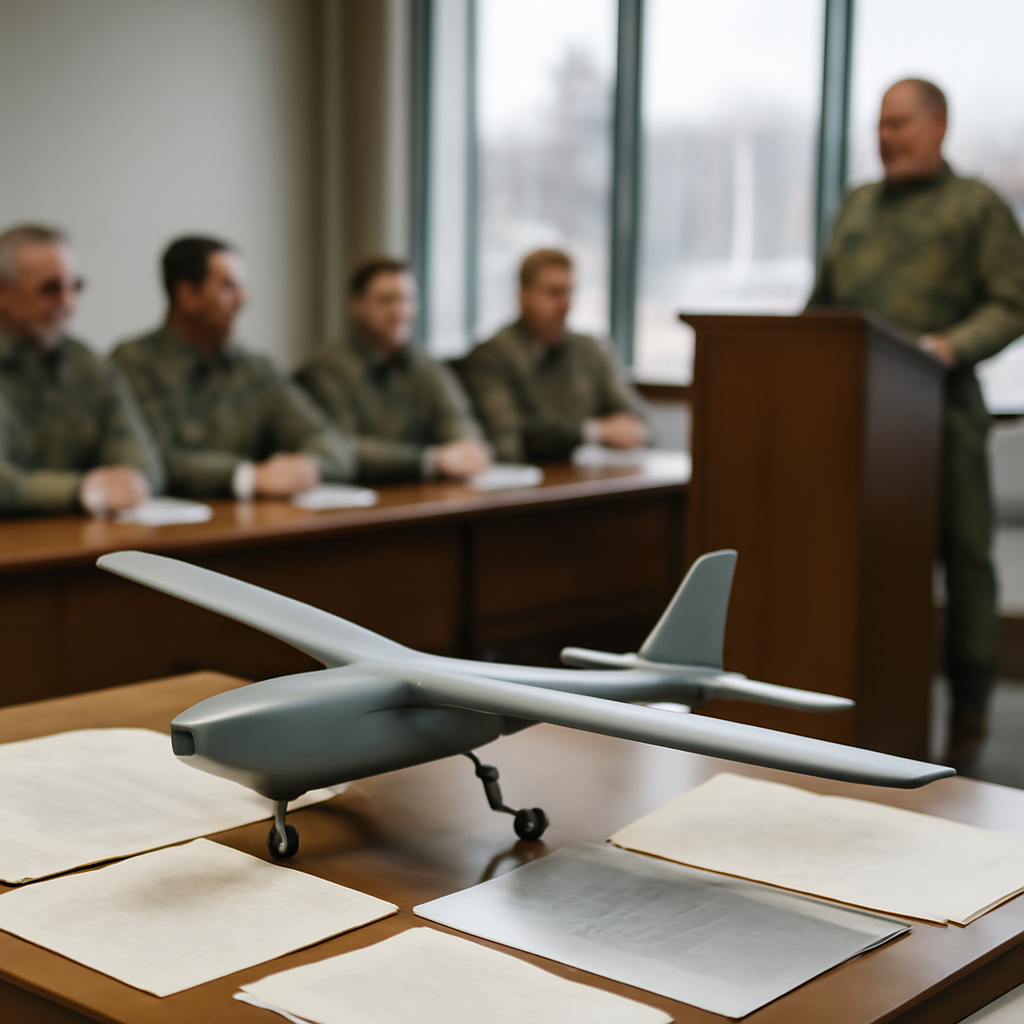
USAF Courts European Allies for Collaborative Combat Aircraft Program
The US Air Force is gearing up for a game-changing fleet of collaborative combat aircraft, with a goal of 500 in service by 2032. Top leaders are now rallying European allies to join forces in this innovative program.

Asia-Pacific Defense Budgets Rise Amid Regional Tensions
The Asia-Pacific region is witnessing a significant surge in defense budgets, driven by rising tensions and a growing need for enhanced security measures. Japan's defence ministry has just submitted a staggering ¥8.8 trillion (A$79 billion) preliminary request, with a strong focus on bolstering its maritime capabilities.
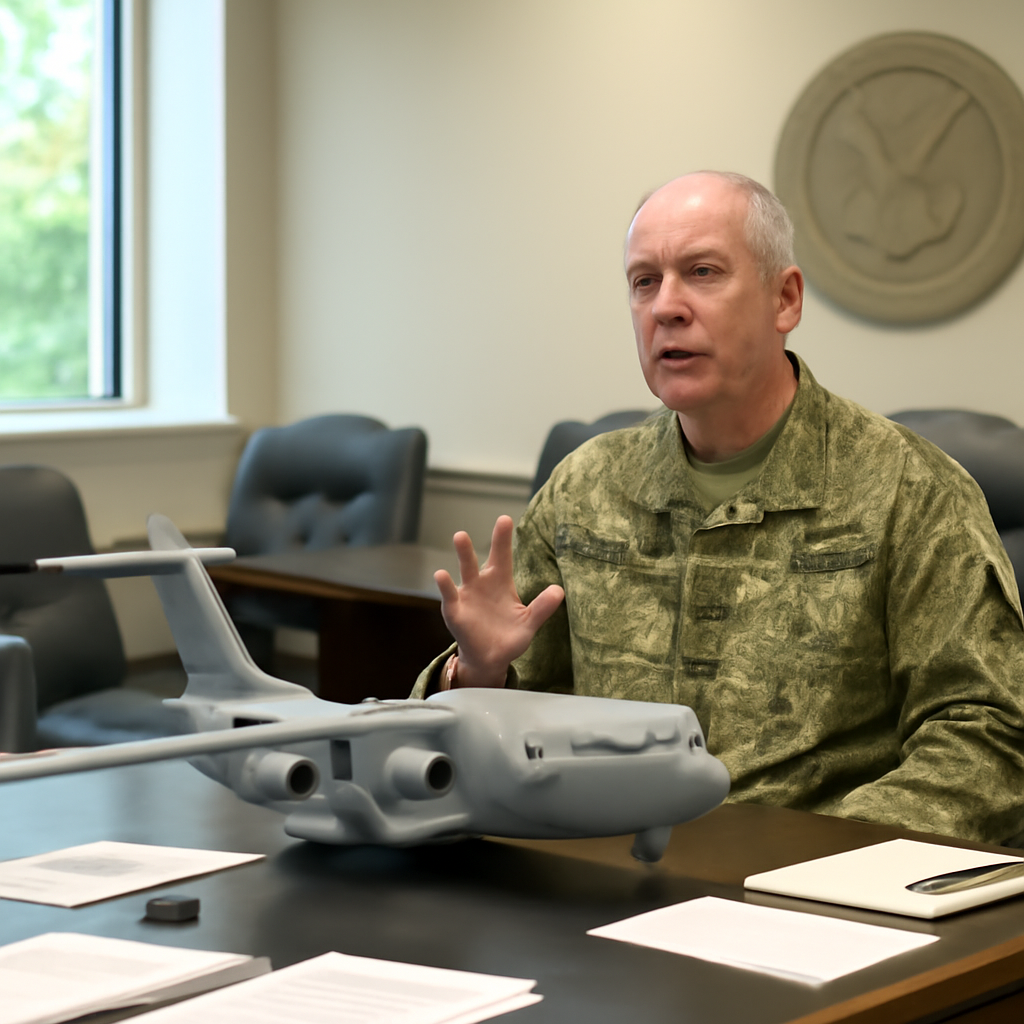
USAF Weighs Restarting C-17 Production Amid Airlift Revamp
The US Air Force is seriously considering reviving C-17 production as part of a major overhaul of its airlift capabilities, with a key decision expected after an upcoming Analysis of Alternatives. All options, including restarting C-17 production, are on the table as the Air Force weighs its next move.

Defense Firms Showcase Cutting-Edge Tech at AFA Conference
Top defense firms, including Northrop Grumman with its innovative Raid Hunter counter-drone system, are showcasing cutting-edge tech solutions for base protection and security at the AFA conference, actively pitching to U.S. military services.
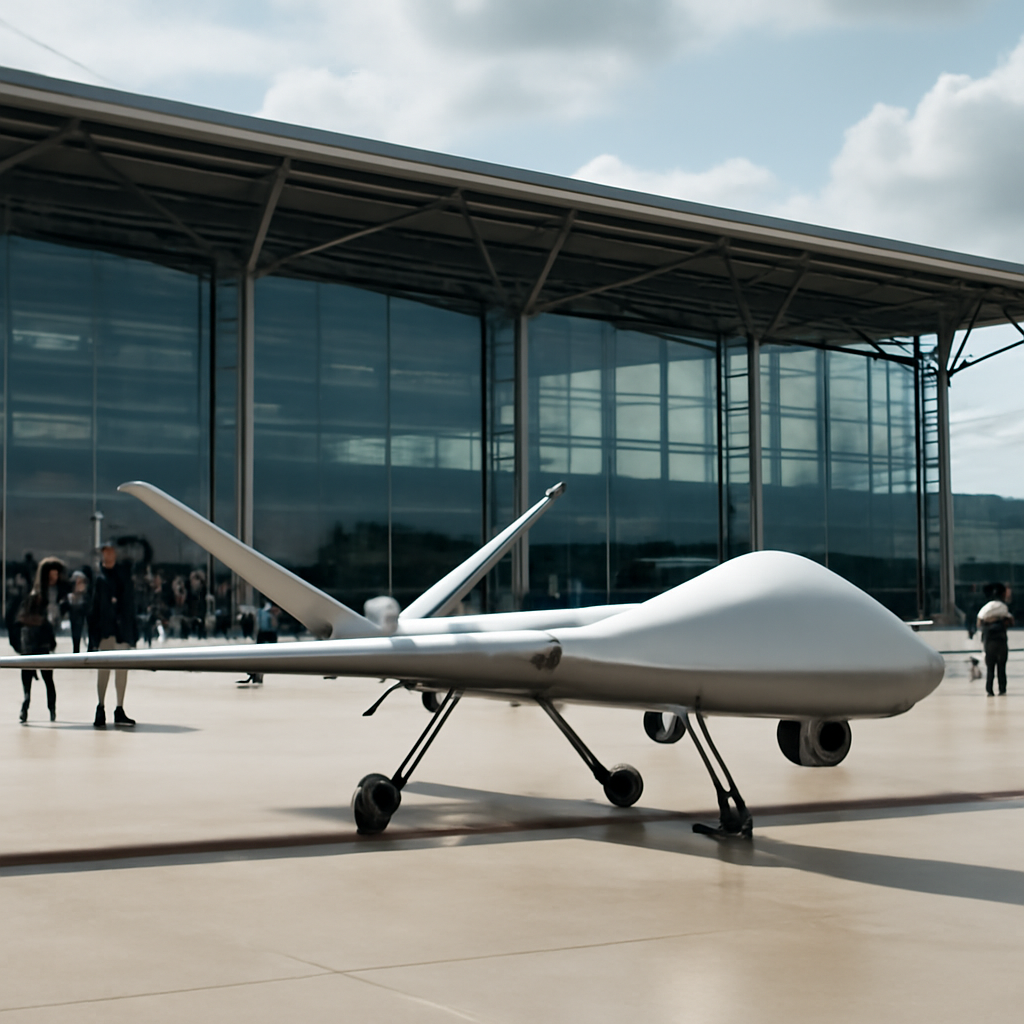
Germany's Hybrid Threats Lesson: Underreaction Invites Sustained Coercion
Can democracies afford to sit back and let state-backed coercion, interference, and sabotage become the new normal - or will they take a stand and build the tools to detect, attribute, and respond to these threats before it's too late? Germany's recent experience with a foiled drone attack at Halle airport serves as a stark reminder that underreaction can invite sustained aggression.

Joint Chiefs Chairman Highlights AI's Growing Role in Combat Operations
The pace of decision-making in combat has accelerated dramatically, from weeks to days to mere seconds, and Air Force Gen. Dan Caine credits artificial intelligence for revolutionizing the speed and effectiveness of military operations. With AI, troops are now able to respond faster and smarter, as seen in recent events like the rescue of an Apache helicopter crew and the deployment of new AI-enabled tactics in Ukraine.
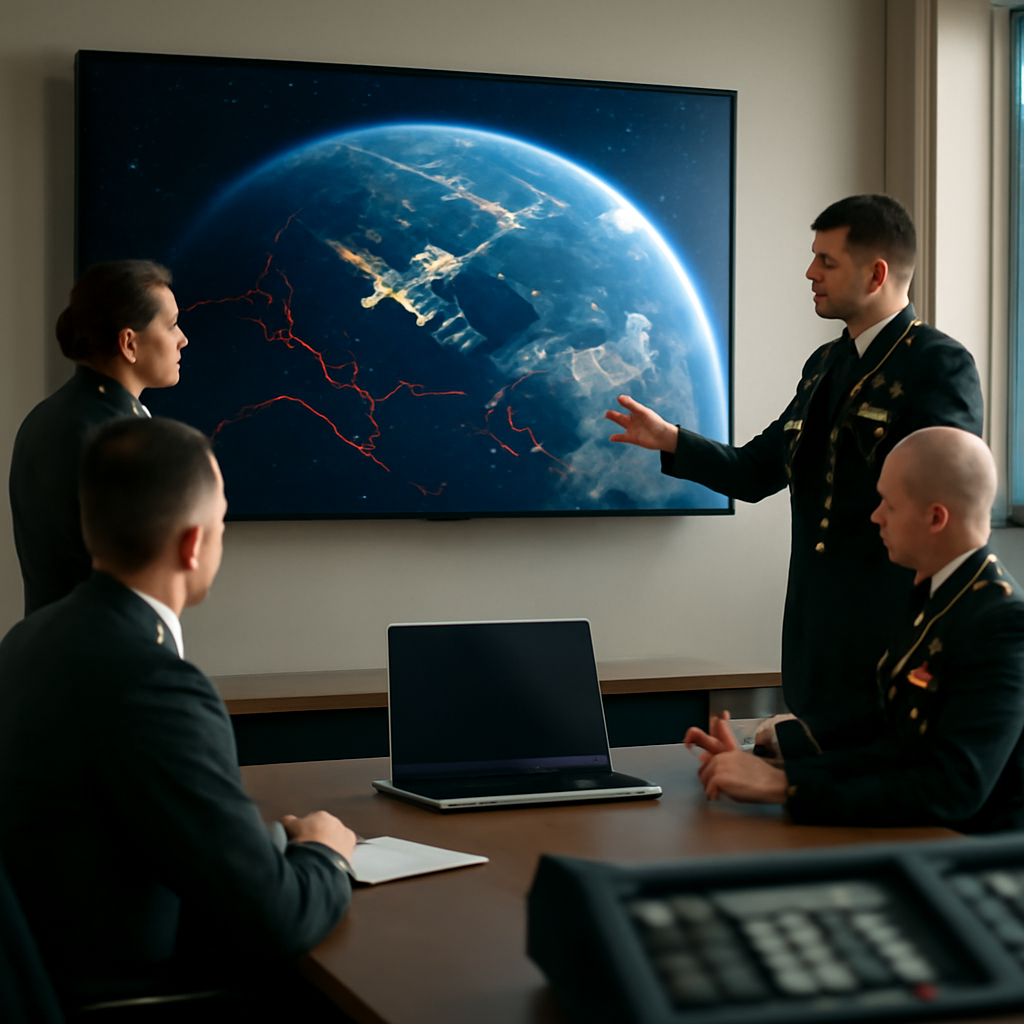
US Space Command Targets Enhancements to Counter Space Adversaries
US Space Command is on a mission to boost its capabilities to counter threats in space, with Commander Gen. Stephen Whiting emphasizing the need to detect, track, and target adversary space systems. The command currently faces limitations in targeting, with Whiting describing its capabilities as "maturing" but still a work in progress.
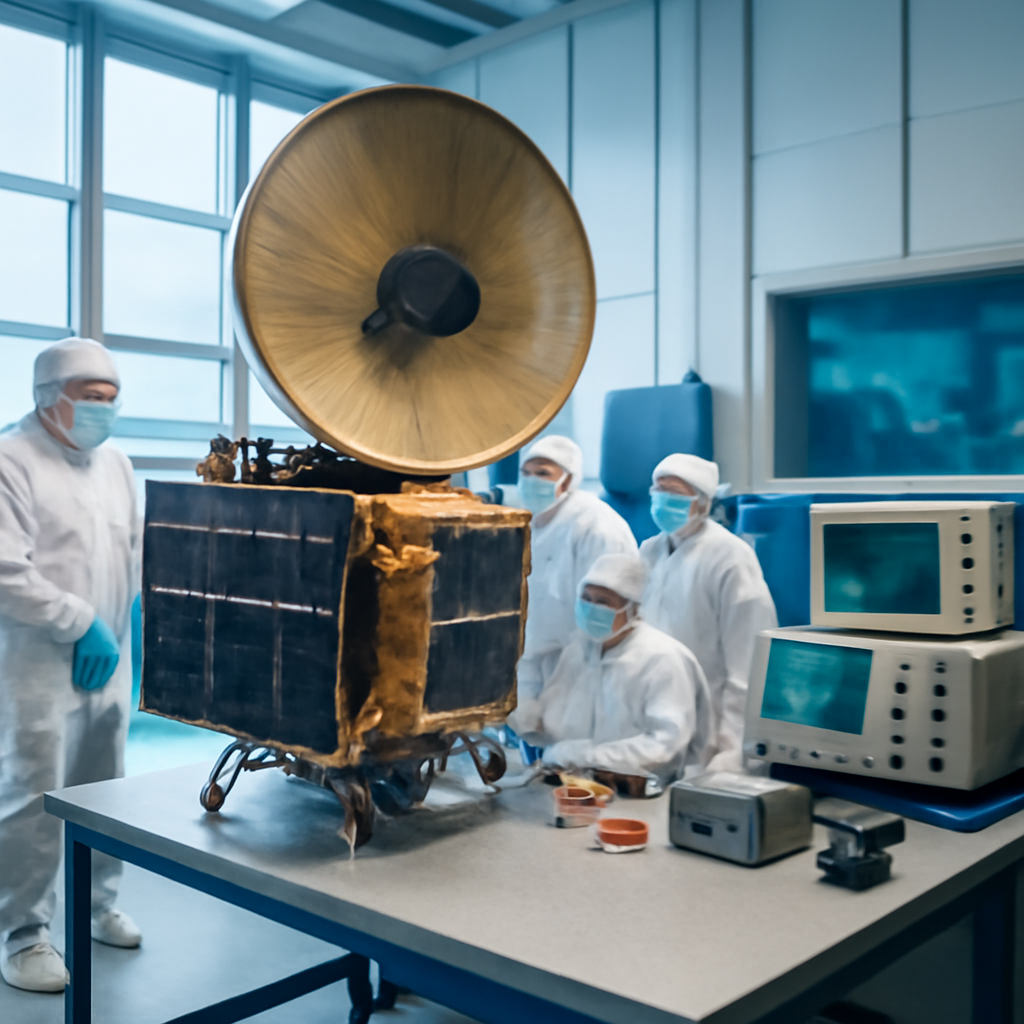
Space Force Launches Resilient Radar System for Ground Target Tracking
Get ready for a game-changer in space technology: the US Space Force is launching a cutting-edge Resilient Radar System, set to revolutionize ground target tracking within the next two years. This innovative system, led by Northrop Grumman, will enable the military to detect and track moving targets on the ground from space.

AFA 2026 Highlights Cislunar Ops Push, Future Airlift Developments
Get the inside scoop on the hottest topics from AFA 2026, including Chairman Caine's key remarks on cislunar operations and the future of airlift developments. Top takeaways from the conference's final day are shedding light on the latest advancements in these critical areas.