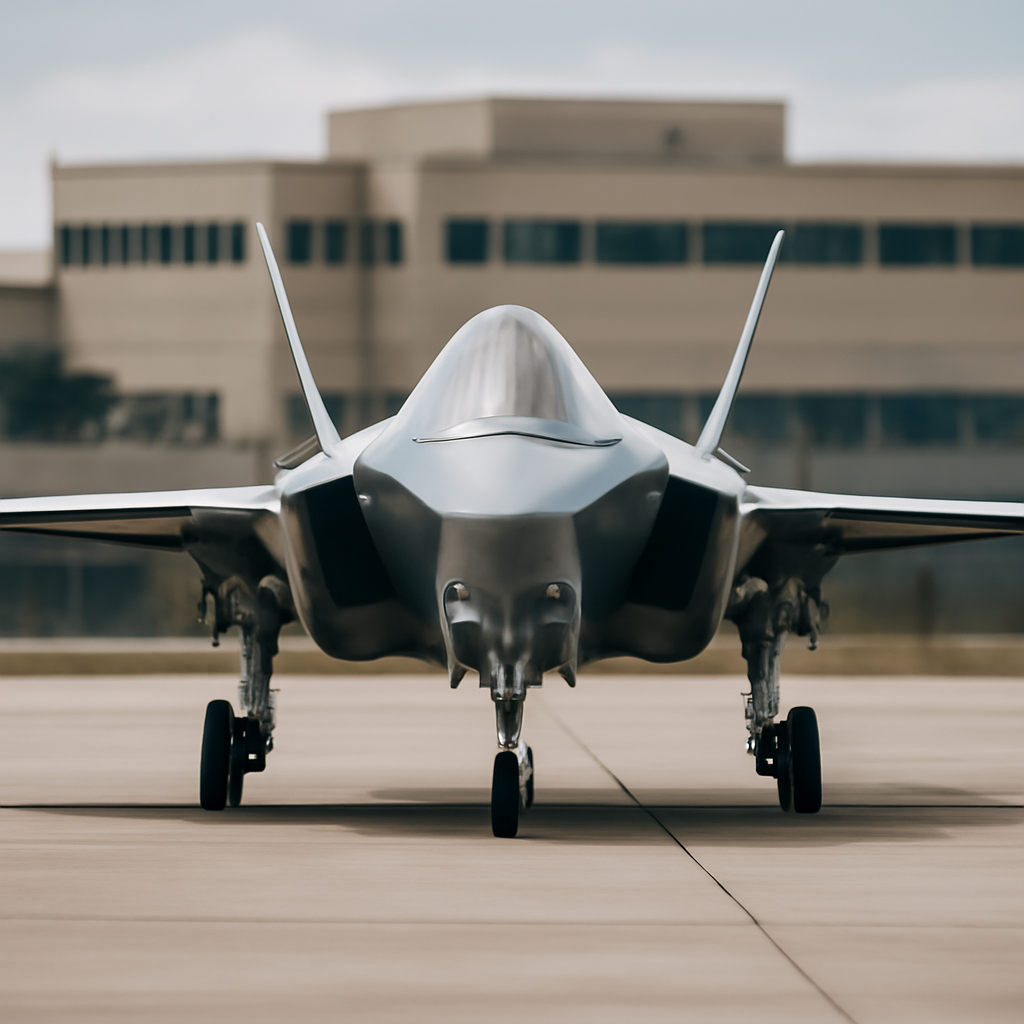
The strategic choice is stark: deliver capability in months through commercial services, or wait years for government-owned systems and risk having that capability arrive too late for today’s demands.
The COCO model in plain terms
The article argues Australia should expand use of commercially owned, commercially operated (COCO) models so government buys operational outcomes as a service rather than every piece of equipment. Under COCO, industry finances, owns, maintains and operates systems while government sets requirements, retains tasking authority, and oversees performance, security and risk. The attraction includes faster delivery, lower upfront expenditure and the ability for commercial operators to spread costs and redeploy assets across multiple customers.
Why speed, not just size of budget, matters now
The 2024 National Defence Strategy is cited as recognising a shift toward a whole-of-government and whole-of-nation approach that mobilises industry, technology and infrastructure alongside military power. The article says Defence debate often focuses on future programs, larger budgets and acquisition reform, but many key capabilities remain years away while the strategic environment deteriorates. “The choice is not between government-owned capability and commercial capability but between capability available now and capability arriving too late,” the piece warns.

Audit-ready is a season. It shouldn't be.
Evidence in spreadsheets, controls drifting between audits, frameworks multiplying on flat headcount. Nubivance runs continuous compliance on Rapid7 Cyber GRC - SOC 2, HIPAA, ISO 27001, PCI, CMMC.
End the scrambleWhere COCO can be applied today: maritime surveillance, logistics and autonomy
Private companies are described as already able to provide persistent maritime surveillance, operate autonomous logistics networks and deploy and control uncrewed systems from operations centres many thousands of kilometres from operations. The maritime domain is singled out as particularly well suited: companies are investing heavily in autonomous surface and underwater craft, artificial intelligence, advanced sensors and remote operations, and in many cases technology development cycles move substantially faster than traditional defence procurement.
Concrete precedents and players named in the piece
Australia already uses COCO-style delivery in non-defence contexts: the Australian Border Force operates one of the world’s largest civil maritime surveillance programmes through industry partnerships, surveilling Australia’s exclusive economic zone without government ownership of every aircraft and sensor. The article names commercial firms active in Australia’s market: Metrea, Leidos, Ocius and Ocean Infinity, and notes Metrea won an Australian Border Force surveillance contract in May. It also notes the author works for Ocean Infinity.
Allied experimentation and acquisition lessons
The article points to allied examples as reinforcement: the Royal Navy’s Atlantic Net concept seeks to use private capital, commercially operated autonomous systems and service-based delivery models to accelerate capability, and the New Zealand Defence Force is examining COCO solutions for persistent air surveillance. It also references the US Government Accountability Office, noting commercial vendors save time through iterative development, continuous user engagement and overlapping design, testing and production activities—practices COCO can translate into faster capability delivery.
What this means for Defence, industry, and Australia’s allies
- Defence: Officials could gain near-term, operational capability without buying and sustaining every major platform, retaining mission control and information oversight while contracting for services.
- Industry: Companies can offer operational outcomes, spread sustainment and upgrade costs across customers, and apply lessons from other market segments to Defence problems.
- Allies and partners (Royal Navy, New Zealand Defence Force): Their experimentation with similar service-based models creates opportunities for interoperability and shared approaches to persistent surveillance and autonomous operations.
The article acknowledges that not every mission is suitable for COCO—high-end combat operations that require government-owned military capabilities remain outside its reach—but it insists many non-combat tasks across surveillance, logistics support, infrastructure monitoring and autonomous system operations could be delivered today through service-based models. The net argument: in a shrinking strategic warning time, procurement timelines that span years or decades create risk; capability delayed is capability denied. The piece concludes by urging Canberra to explore COCO more aggressively as a pragmatic route to deliver capability now.
https://www.aspistrategist.org.au/for-fast-defence-capability-look-to-commercial-providers/