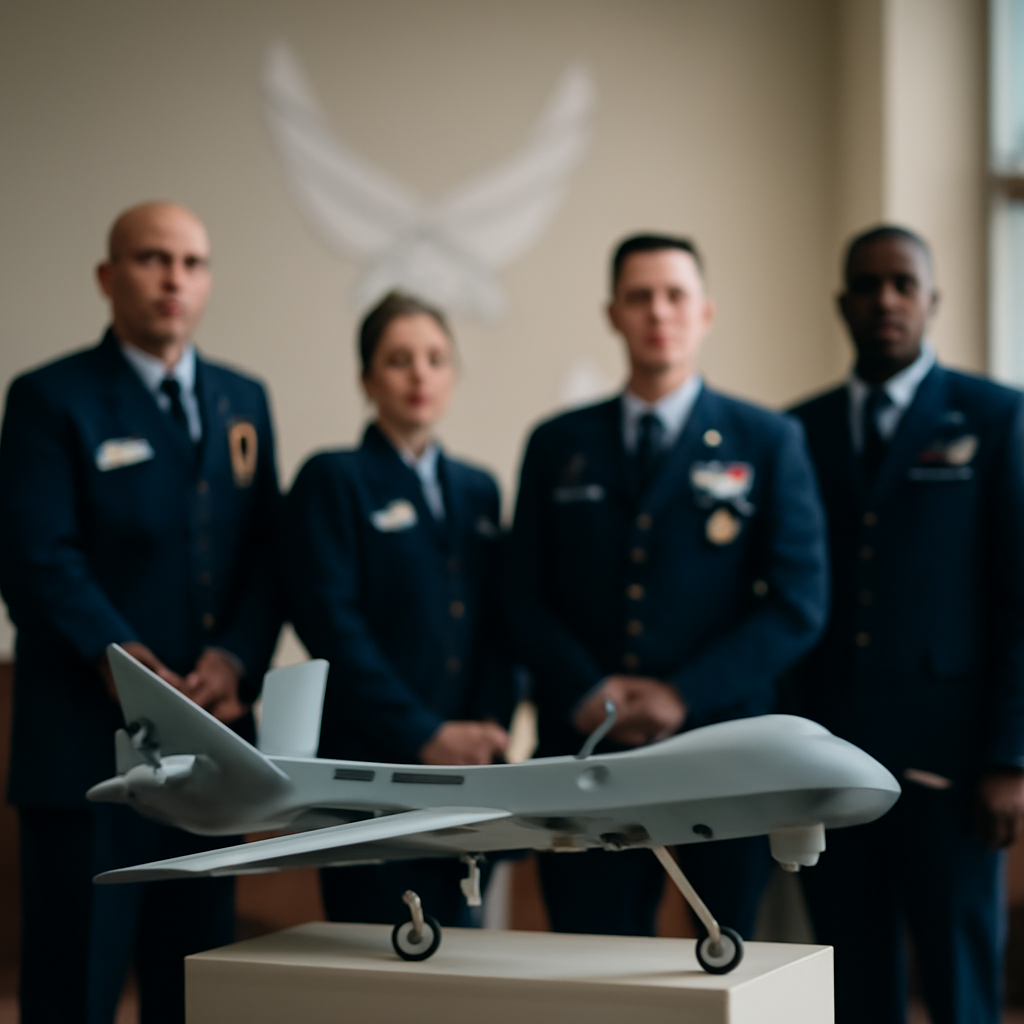
"The U.S. has lost 45 MQ-9 Reaper tactical UAVs, 25 percent of its fleet, since the start of the campaign."
Kyrgyz procurement: from TB2s to Akinci and Aksungur
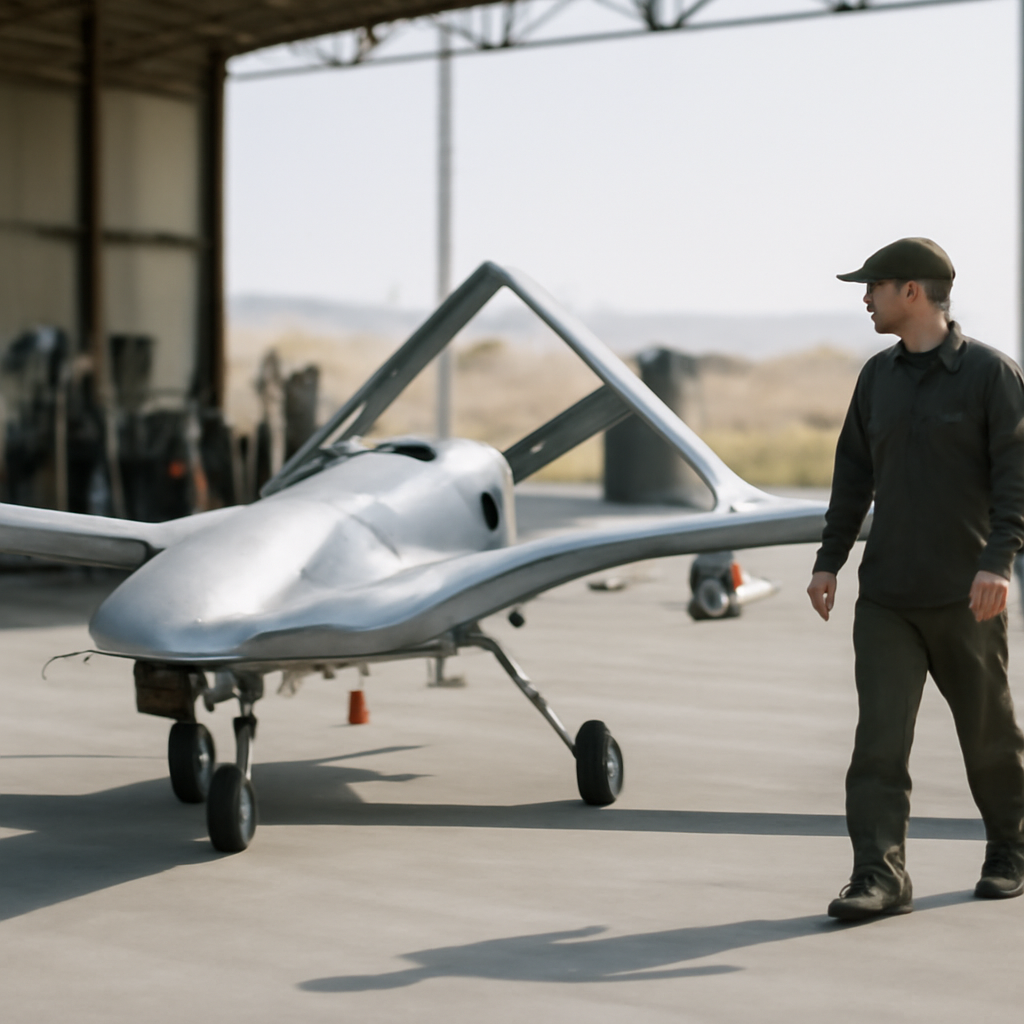
After the 2022 border clash with Tajikistan, Kyrgyzstan expanded purchases of Turkish unmanned aerial vehicles. The source reports Bishkek ordered additional Baykar Bayraktar TB2s and Anka (from TAI), and later placed orders for Aksungur (from TAI) and Akinci (from Baykar). Those procurements came with immediate tradeoffs: civil servants took a pay hit to fund the acquisitions, and the purchases committed the state to long-term sustainment needs—spare parts, ammunition, and sensors—from suppliers abroad.
The broader worry the source raises is dependency: Central Asian states that reduce reliance on Russian security suppliers may simply be trading one concentrated supplier relationship for another, with Turkiye emerging as a single prominent source of UAV platforms.
Tajik efforts with Iran’s Ababil-2 and political turbulence
Around 2022, Tajikistan reportedly reached an agreement to produce—likely assemble—Iranian Ababil-2 drones in-country. The signing involved Iranian Major General Mohammad Bagheri and Tajik Defense Minister Sherali Mirzo. Bagheri was killed in Israeli air strikes in 2025, and Mirzo was shuffled out of office the same year. The source says it is unclear how much progress the Tajik facility made and suggests that, even if the project advanced, producing drones for Tehran risked banking and dollar restrictions from Washington, making such ventures both a security risk and a potential financial loser. The source judges the result as roughly four years with only minimal progress on Tajik UAV capabilities.

This site is the portfolio.
OSINTSights runs on Cloudflare Workers, D1, R2, and Vectorize, with an AI pipeline on Hetzner ARM. Nubivance designed, built, and operates it. We do the same for clients.
See what we buildLessons from Russia, Ukraine, and the Iran–U.S. campaign
The source traces a pattern: early reliance on foreign inventory gives way to local production and iterative improvements. Moscow initially received Iranian Shahed-136s, then set up domestic manufacturing and upgraded the design into versions like the Geran-4/5. Kyiv moved from Chinese DJI Mavics, Turkish TB2s, and American Switchblades to in-country manufacturing and front-line-driven development to adapt rapidly to countermeasures. And the current Iran–U.S. War showed the vulnerability of UAVs in a contested environment—illustrated by the loss of 45 U.S. MQ-9 Reapers, equal to 25 percent of that fleet—prompting consideration of different systems or doctrines.
The implication for Central Asia, per the source, is clear: relying solely on imported platforms risks supply interruptions, sustainment bottlenecks, and exposure to diplomatic shifts in supplier countries. The source points to Turkiye’s “mercurial defense policy,” noting Turkiye sought F-35s, acquired Russian S-400s, has been reported to try reselling those S-400s to the UAE, and is seeking to rejoin F-35 talks—facts the source uses to illustrate supplier unpredictability.
Domestic innovation: Nanospace, Shunqor-8, and joint education networks
The source highlights nascent local efforts. In May 2026, Kyrgyz company Nanospace announced plans to open a UAV institute in Tash-Dobo, outside Bishkek, aimed at training operators and developing networking for numerous small drones. In late summer 2026 an exhibit in Uzbekistan showcased a Shunqor-8 drone interceptor from the Center for Innovative Technologies as a potentially cheap alternative to traditional missile defenses.
The source also notes regional educational strengths: international students attend institutions such as the University of Central Asia, American University of Central Asia, and Kazakhstan hosts branch campuses of Cardiff and Woosong plus homegrown universities like Al Farabi and Eurasian National. Those academic networks, the source argues, create opportunities to build human capital that could support domestic UAV R&D and production.
Russian legacy defenses, CIS ADS, and manufacturing capacity
Russian systems still dominate many regional air defenses. The source records Kyrgyzstan demonstrating S-300PS and Tor-M2KM systems and Tajikistan receiving deliveries from Russia. Central Asian states remain connected to the legacy CIS Joint Air Defense System (ADS); boilerplate statements in 2026 suggested “modernizing” the ADS and advancing cooperation, with at least one mention of AI being integrated. The source observes that quantities being delivered are likely insufficient for any prolonged conflict and notes existing joint-venture manufacturing experience in Uzbekistan and Kazakhstan as evidence that local production is feasible.
What this means for technologists, policymakers, and regional militaries
- Technologists and security teams: invest in scalable, locally tailored payloads—cameras and navigation systems mapped to the local environment—and in networking small drones rather than relying solely on high-end foreign electro-optical/infrared suppliers.
- Policymakers and procurement leaders: weigh sustainment costs and contingent political risks from concentrated foreign suppliers; the source emphasizes that local R&D investment and licensed domestic production can reduce long-term vulnerabilities.
- Regional militaries and border security planners: consider one-way attack (OWA) drones and small UAV networks as tools to reduce indiscriminate fire and civilian casualties while addressing transnational threats like smuggling and environmental monitoring.
The region faces a practical choice framed throughout the source: continue swapping one external dependency for another, or invest in domestic R&D, training, and joint production. The source’s final admonition is stark and specific—if Central Asian leaders wait until the next regional conflict to act, “it may be too late.”