"This was the first time we were able to implement EABO in combat operations since the concept was created for the force," Capt. Steven J. Keenan told TWZ.
Col. Chris P. Niedziocha and the 31st MEU deployment
Col. Chris P. Niedziocha, who commanded the 31st Marine Expeditionary Unit (31st MEU) during its Middle East deployment and now leads the USMC Expeditionary Warfare School, framed the mission as a validation of a years‑old concept. The 31st MEU’s six‑month deployment began in January in the Pacific, the unit was ordered to the Middle East in March, and returned to Okinawa, Japan, in July; Niedziocha said the unit was back in Okinawa on July 22nd. The MEU was embarked aboard the Tripoli Amphibious Ready Group (ARG), which included the amphibious assault ship USS Tripoli, the amphibious transport dock USS New Orleans, and the dock landing ship USS Rushmore.
Forward arming and refueling points (FARPs) in action
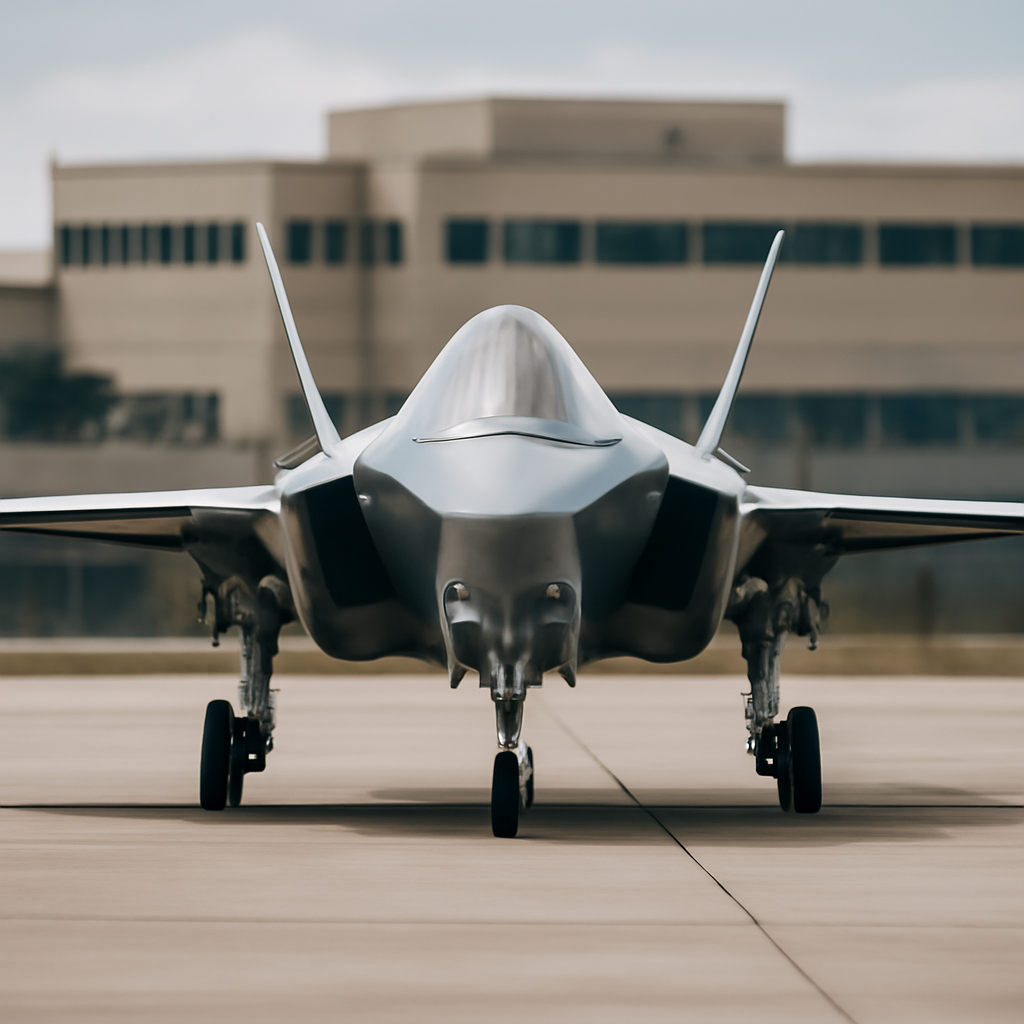
Niedziocha and Marine spokespeople described the deployment’s FARPs as a central EABO application: small, forward sites used to refuel and rearm aircraft from the MEU and the joint force. The effort reduced reliance on the Marines’ KC‑130 aerial refuelers and served as jumping‑off points for F‑35B Lightning II fighters. The Marines reported the FARPs were used not only by F‑35Bs and Marine aircraft but also by Army helicopters; imagery and Pentagon photos showed U.S. Army Gray Eagle drones and MV‑22B Osprey tiltrotor aircraft operating from forward sites. During the deployment the units refueled more than 300 aircraft ashore and underway and accumulated over 1,600 mishap‑free flight hours of combat aviation missions.

This site is the portfolio.
OSINTSights runs on Cloudflare Workers, D1, R2, and Vectorize, with an AI pipeline on Hetzner ARM. Nubivance designed, built, and operates it. We do the same for clients.
See what we buildSensor expeditionary advanced bases (SEABs) and maritime sensing
The Marines said a sensing expeditionary advanced base (SEAB) "brings together coastal surveillance radars, electronic sensors, and Marines ashore to extend maritime domain awareness, complementing the radars and sensors already at work aboard naval ships off the coast." When SEAB systems identify surface vessels, small unmanned aircraft system (sUAS) operators launch platforms to visually identify and track contacts; sensor data and imagery are transmitted in real time across the blue‑green command network to decision‑makers. Niedziocha described SEABs and forward sensors as part of the broader playbook that supported joint operations and combat power sustainment.
Interdictions, boardings, and sustainment numbers
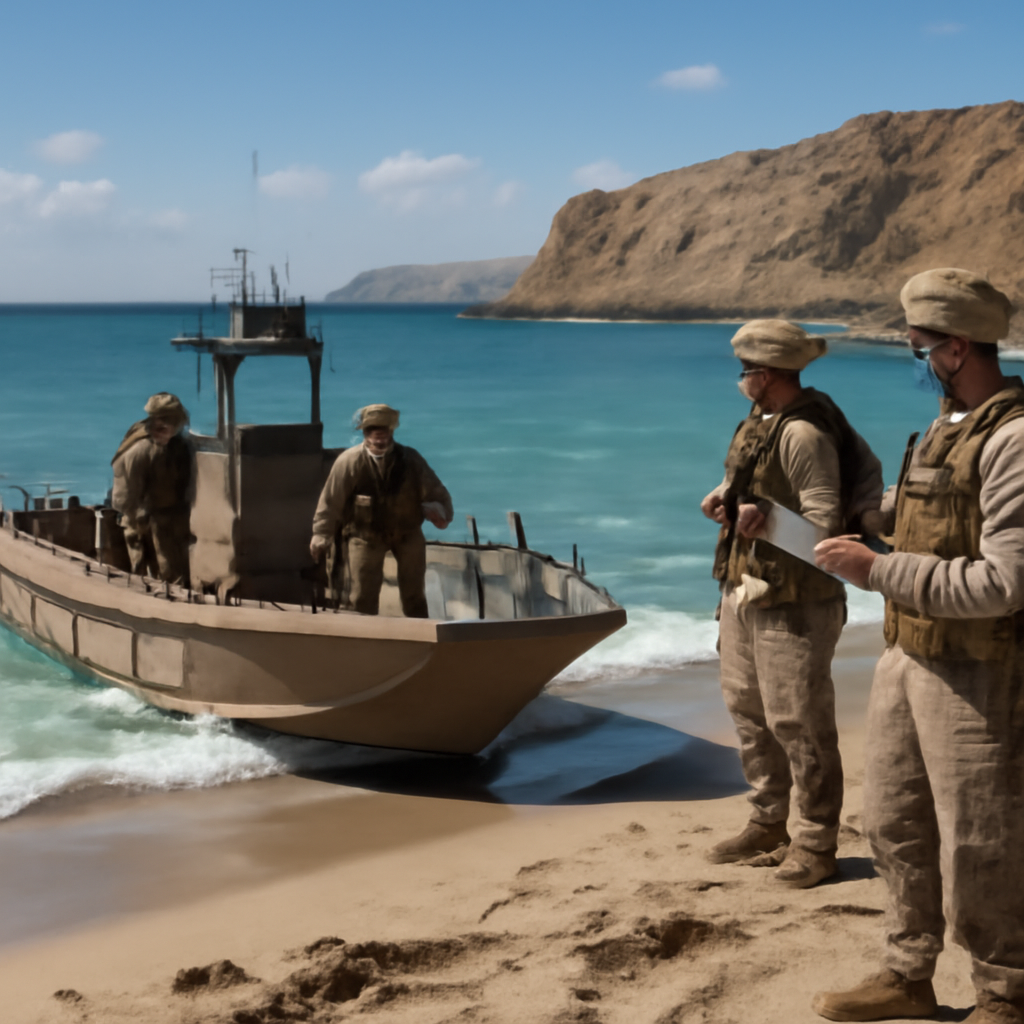
The 31st MEU interdicted four vessels during the deployment, three of which led to boardings. Marines boarded the MV Touska on April 19, the MV Blue Star III on April 28, and the MT Celestial Sea on May 19. The Touska was boarded after USS Spruance fired multiple 5‑inch rounds targeting the engine room and disabling propulsion; the vessel’s crew was retained for about two weeks before being repatriated. Niedziocha said none of the crews offered resistance. Operational outputs for the ARG/MEU during the deployment included transporting 800,000 pounds of cargo, moving 5,000 personnel, and providing sustained combat support to joint force operations—elements Niedziocha highlighted as proof that an agile Marine Air‑Ground Task Force can sustain itself in contested maritime environments.
What this means for the 31st MEU, joint aviators, and regional maritime forces
- 31st MEU: The unit has returned to Okinawa and, according to Niedziocha, resumed an accelerated workup cycle to be "on the water in early January" for training and crisis response missions, indicating the service plans to institutionalize lessons learned from Epic Fury into future deployments.
- Joint aviators: FARPs proved useful to extend operational reach and reduce tanker demand; Army helicopters and unmanned systems used the sites alongside F‑35Bs, underscoring the joint nature of expeditionary sustainment and the logistics trade‑offs Niedziocha described.
- Regional maritime forces: SEABs and forward sensors provided a way to extend maritime domain awareness and track surface contacts—capabilities that could be applied to monitoring small boats that have harassed shipping and larger vessels in regional sea lanes.
Niedziocha characterized the deployment as a milestone: the EABO concept—first introduced in 2020 as part of Force Design 2030 and originally designed with small Pacific islands in mind—was no longer just an experimental exercise but had been "validated" in a contested environment. By putting forward FARPs and SEABs into practice during a campaign that included interdictions, strikes, and sustainment in the face of regional missile and drone attacks, the 31st MEU demonstrated the practical logistics and operational trade‑offs of expeditionary advanced basing. Back in Okinawa, the ARG/MEU is preparing for another cycle of training and crisis response, carrying those lessons forward.