What is at stake is whether democracies will allow sustained, state-backed coercion, interference and sabotage to become normalised — and whether they will build the tools to detect, attribute and respond before that happens.
The Halle airport incident and Berlin’s public attribution
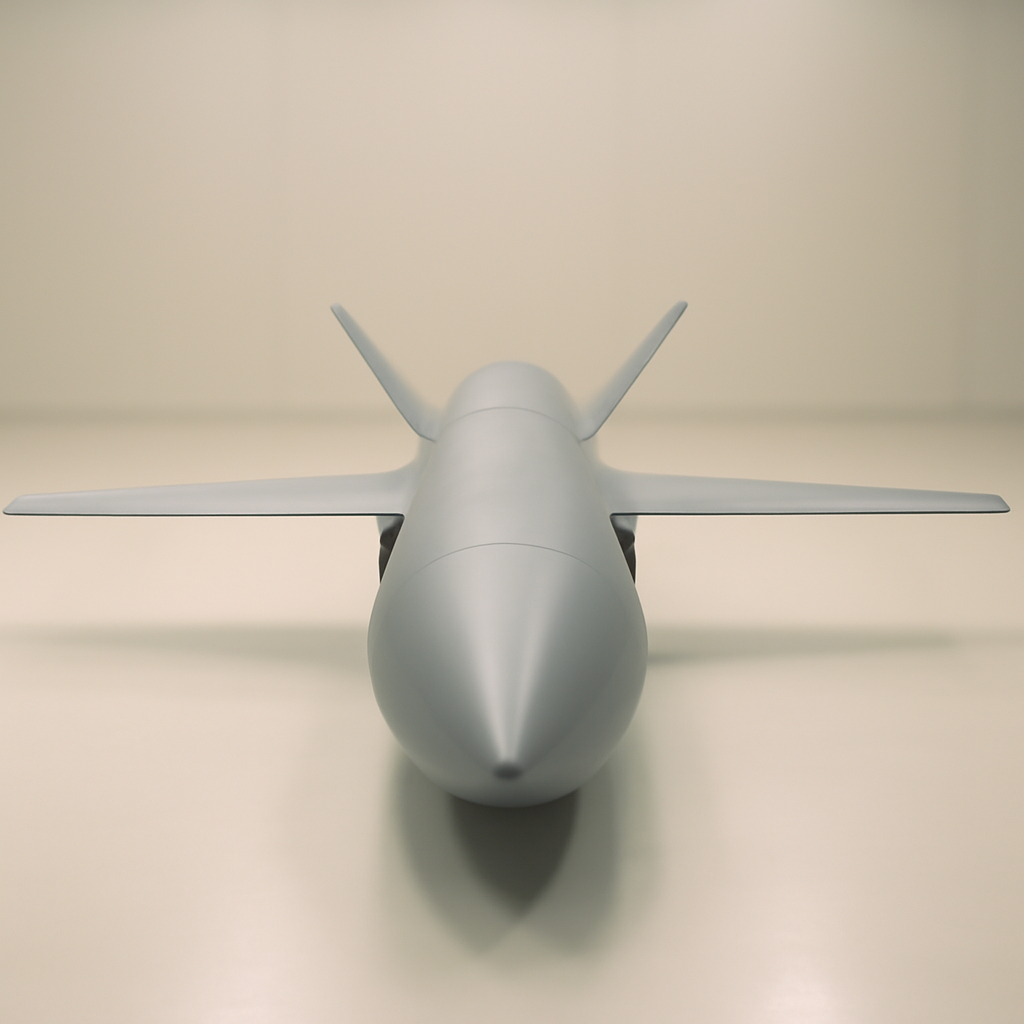
In August, three drones carrying explosives were found at Halle airport in Leipzig, a major hub for military supplies to Ukraine. A month later the German government concluded that Russia was responsible, assessing that the operation bore the hallmarks of “Moscow’s hybrid playbook” seen elsewhere in Europe.
That public attribution was a departure from earlier caution. Germany responded by summoning the Russian ambassador, closing Russia’s consulate-general in Bonn, terminating the lease of the Russian cultural centre in Berlin and signalling it would seek additional EU sanctions, including tighter travel controls for Russian nationals and stronger action against the shadow fleet.
Germany’s domestic moves: laws, the Joint Centre and a shift in posture
Berlin’s reaction was not only diplomatic. The government has begun amending intelligence and counter‑espionage laws so agencies can take protective measures against hybrid activity. It has also established the Joint Centre for Countering Hybrid Threats, which brings federal and state intelligence, security and law‑enforcement authorities together for joint analysis and coordinated responses.
The calculus changed because, the assessment concludes, individual acts of hostility had long been treated as isolated incidents rather than parts of coordinated campaigns. Hesitation stemmed in part from concerns about escalation and from Germany’s “historical, economic and political ties with Russia.” The recent response signals an effort to close that gap.

Audit-ready is a season. It shouldn't be.
Evidence in spreadsheets, controls drifting between audits, frameworks multiplying on flat headcount. Nubivance runs continuous compliance on Rapid7 Cyber GRC - SOC 2, HIPAA, ISO 27001, PCI, CMMC.
End the scrambleDeterrence tools between diplomacy and war
The German case highlights the limits of repeated diplomatic and economic measures. The source notes that EU sanctions “have imposed costs on Moscow but seem not to have changed its behaviour,” and argues that attribution alone does not create deterrence.
That leaves a spectrum of options that are neither inaction nor military escalation. The piece highlights military signalling — for example NATO’s air activity in the Baltic region, including an unannounced exercise around the Russian enclave of Kaliningrad in August — as a way to demonstrate escalation options and collective resolve. It also lists non‑kinetic, law‑based instruments: exposing proxy networks, pursuing criminal prosecutions and coordinating sector‑specific responses in cyber, infrastructure security and economic coercion. The central aim is to raise the cost of hostile activity in lawful, proportionate ways.
The Indo‑Pacific gap and Australia’s role
The Indo‑Pacific, the analysis warns, faces the same kinds of hostile activities but lacks Europe’s cohesive security architecture. The EU and NATO provide established mechanisms for information‑sharing, political coordination, collective signalling and coordinated assistance; nothing comparable exists across the Indo‑Pacific. Regional countries have “widely different threat perceptions, institutional capacities and relationships with major powers,” and many are reluctant even to use the term “hybrid threats” for fear it might imply geopolitical alignment.
Australia, the piece says, already has “the intelligence, law‑enforcement, diplomatic and defence capabilities to identify attackers and their tactics.” The challenge is to connect those capabilities into a coherent response framework and to help regional partners develop complementary mechanisms so that hostile activity is detected, attributed and met with proportionate responses before campaign‑style operations become entrenched.
What this means for technologists, ASIO, and policymakers
- Technologists and security teams: Expect a push toward coordinated, sector‑specific responses — particularly in cyber and infrastructure security — that are lawful and proportionate and that rely on joint analysis across agencies and states.
- The Australian Security Intelligence Organisation (ASIO): Public threat assessment products, the piece notes, contribute to the practice of identifying attackers; the implication is that these assessments are part of the signalling toolkit that makes coercive behaviour visible and costly.
- Policymakers and regulators: The lesson is to ensure statutes and counter‑intelligence frameworks remain fit for purpose, and to widen the menu of credible options between sanctions and military force — including prosecutorial, expositional and targeted sectoral measures.
Germany’s hurried shift from caution to coordinated defence offers a clear cautionary lesson: persistent, multi‑domain operations by a hostile state can erode democratic choices if they are allowed to accumulate unchecked. The priority, the source argues, is to build resilience, clarify attribution thresholds and expand credible response options at home — and to do so in partnership across regions that lack the institutional scaffolding Europe now has. For Australia and its Indo‑Pacific partners, the time to assemble those tools is before the next campaign becomes routine, not after it has been entrenched.