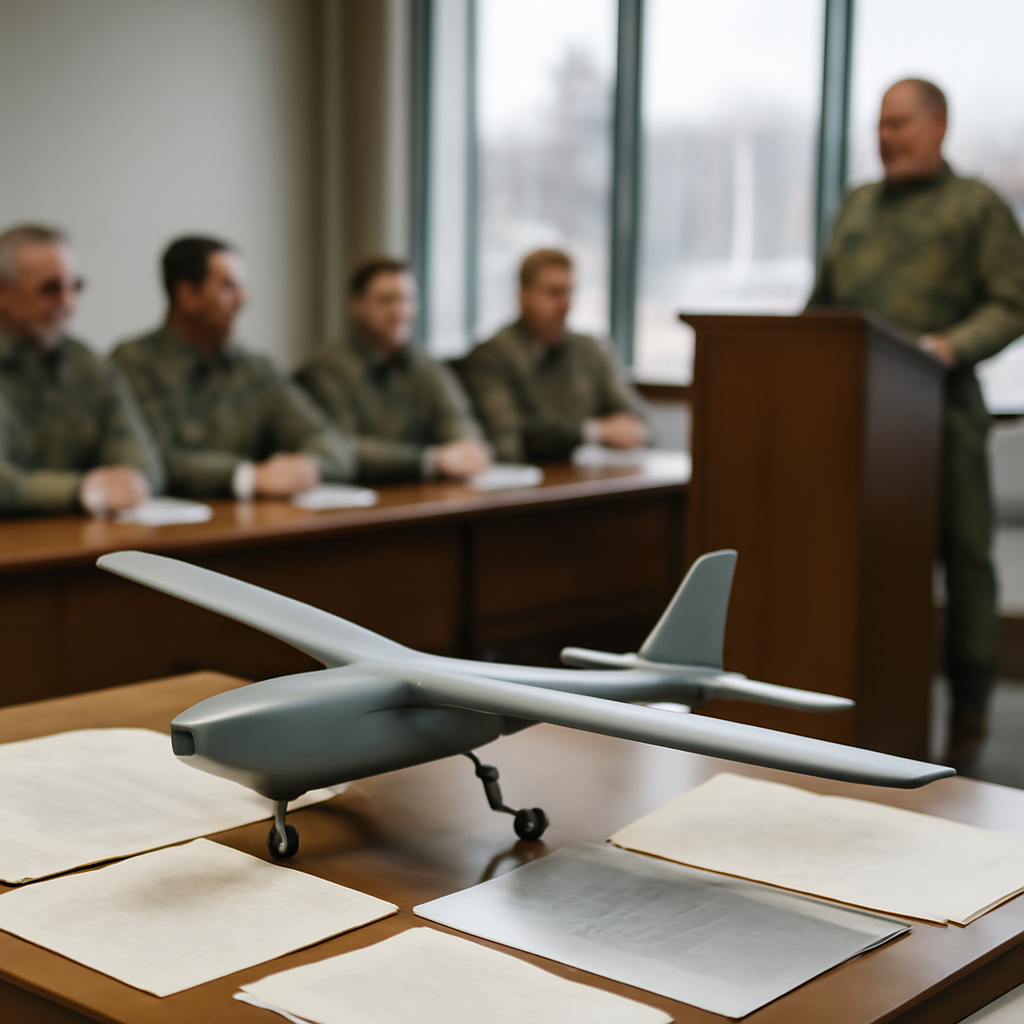
USAFE leadership: Hinds and Wiener preparing Europe for CCAs
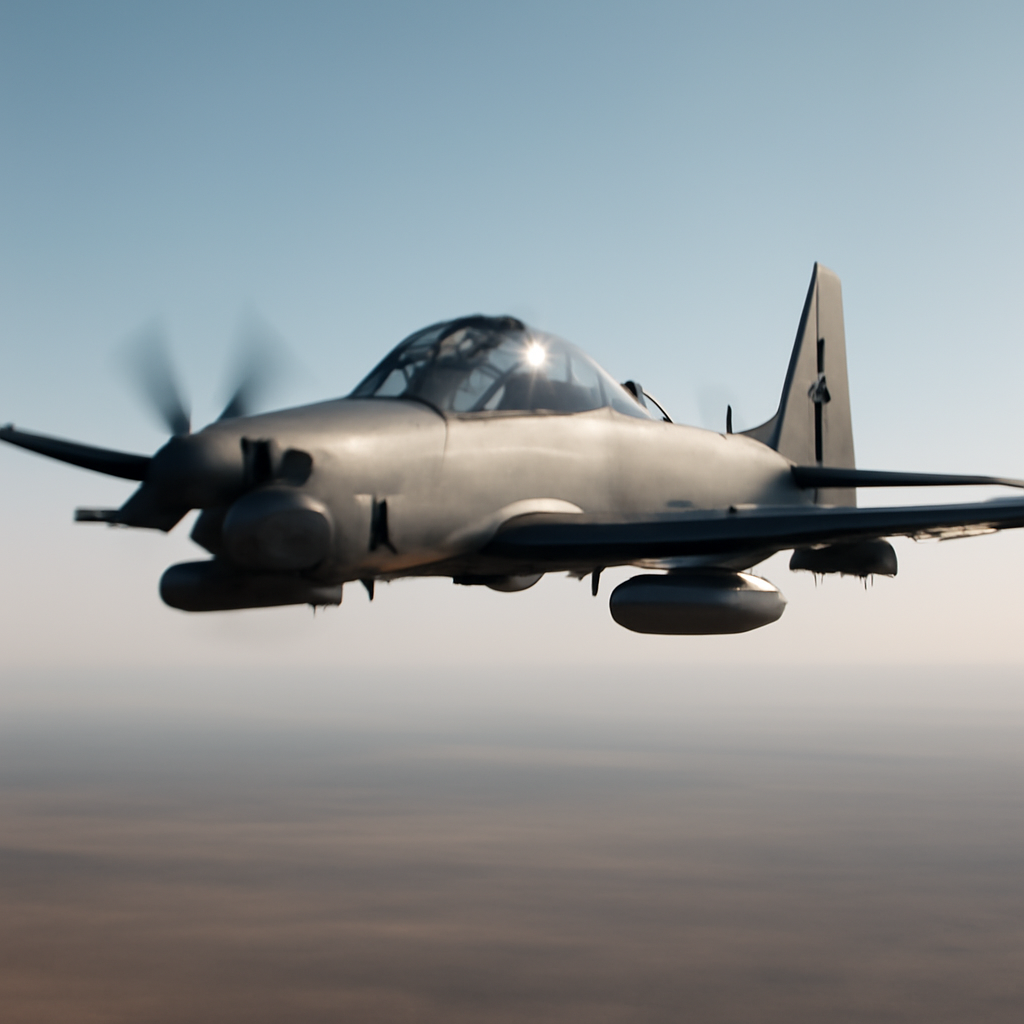
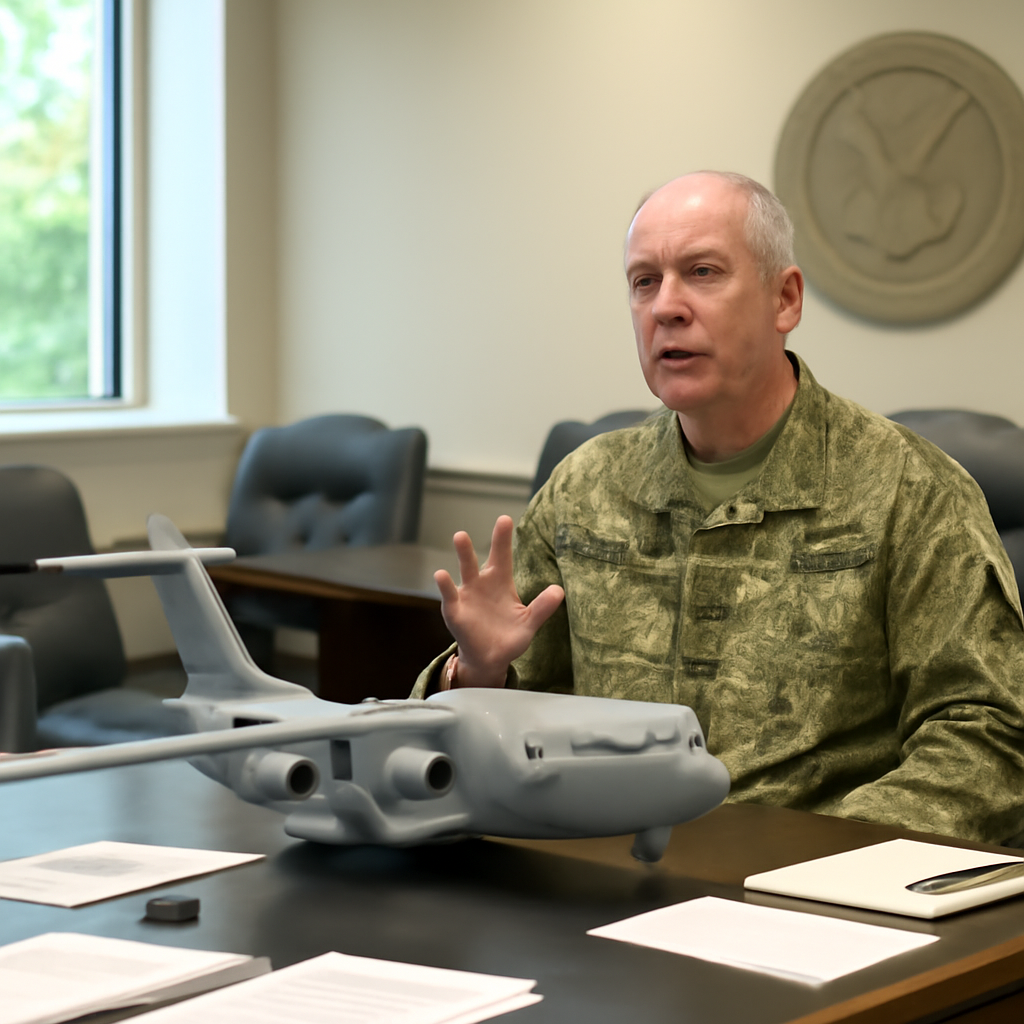
At the Air & Space Forces Air, Space and Cyber Symposium, Lt. Gen. Jason T. Hinds, commander of U.S. Air Forces in Europe, U.S. Air Forces Africa, and NATO’s Allied Air Command, and Chief Master Sgt. Joshua J. Wiener discussed how USAFE is positioning for an eventual European role in a planned fleet of hundreds of CCAs. USAFE operates far fewer fighters in Europe than during the Cold War, even as NATO allies face shrinking fleets of crewed combat aircraft; senior leaders view autonomous wingmen as a way to add combat mass without permanently increasing the number of crewed aircraft and personnel based in Europe.
Joint Air Power Competence Center study and NATO experimentation
Wiener pointed to a study by the Joint Air Power Competence Center, NATO’s airpower think tank in Kalkar, Germany, that examines modular employment of CCAs — including sustainment, training, and exercises. Initial experimentation is expected to take place in the United States, but European experimentation could follow, including by Sweden and potentially other NATO members. That NATO-level work responds to allied interest in incorporating CCAs into both defensive and offensive mission sets.

Audit-ready is a season. It shouldn't be.
Evidence in spreadsheets, controls drifting between audits, frameworks multiplying on flat headcount. Nubivance runs continuous compliance on Rapid7 Cyber GRC - SOC 2, HIPAA, ISO 27001, PCI, CMMC.
End the scrambleNational efforts: Storm Fighter, GCAP, Saab A3, Anduril, and national loyal-wingman programs
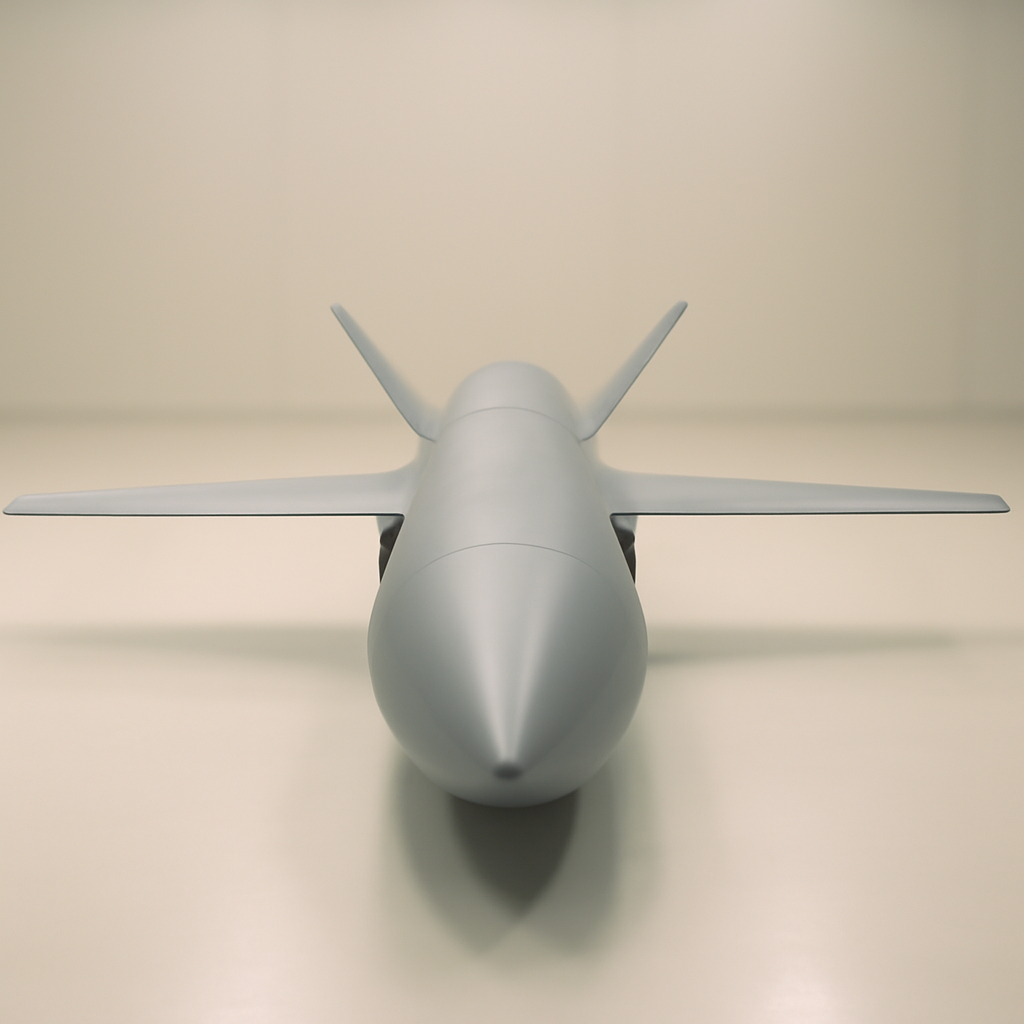
European countries are pursuing multiple national CCA and associated programs rather than waiting for a single U.S. platform. The United Kingdom has launched a Storm Fighter CCA program; Germany is pursuing a loyal‑wingman effort; and the United Kingdom, Italy, and Japan are jointly embarked on the Global Combat Air Program (GCAP), intended to produce the Tempest next‑generation crewed fighter and associated uncrewed systems. Sweden unveiled a concept for a high‑end, stealthy CCA‑type drone, and Saab produced a full‑scale concept model of a future uncrewed combat air system known as aircraft A3. The Netherlands and Scandinavian countries also show growing interest, and Germany was described as “heavily involved.”
Interoperability by design, commonality, and the Keystone case
USAFE’s response to proliferating national systems is to push for commonality where possible and “interoperability by design” where common equipment is not feasible. Wiener said: “The first and foremost thing is we want to strive for commonality. Commonality means we don’t even have to worry about interoperability.” He stressed embedding NATO data standards and other requirements before a system enters service rather than retrofitting them later. NATO’s existing experience with common standards — across tactics, procedures, communications, datalinks, and weapons employment — provides a foundation for that approach.
USAFE leaders also described architectures in which sensor, command‑and‑control, and weapons elements need not come from the same country. Wiener described a kill chain in which an F‑35 detects a target, passes the information to another node in the network, and a ground‑based system operated by another NATO country launches the weapon. An operational example cited in the discussion: Dutch F‑35s operating in Europe have used a data‑exchange system to transmit targeting coordinates to Israeli‑made PULS (Precise and Universal Launch System) rocket artillery. The system developed by Lockheed Martin is known as Keystone.
Weapons, logistics, and cross‑servicing advances
USAFE is pursuing “significant advances” in cross‑servicing, cross‑loading, and cross‑flying allied aircraft to make multinational operations more seamless, Wiener said. He added that the command wants “to have all the fires, right? Whether it’s U.S. built or built inside European nations,” noting growing European domestic production of missiles, drones, and other weapons alongside national aircraft programs. That co‑manufacturing and co‑production discussion was described as expanding the transatlantic defense‑industrial base rather than replacing U.S. systems; Sweden’s continued production of Gripen fighters and their lease to Hungary were cited as an example of equipment already operating within NATO.
What this means for USAFE planners, European defense ministries, and manufacturers
- USAFE planners: Expect to prioritize networking, weapons integration, logistics, and baseline command‑and‑control architectures so allied CCAs can be managed and shared across the battlespace once platforms come online.
- European defense ministries: Will need to decide whether to pursue common equipment or build interoperability into national systems from the outset — a choice that affects sustainment costs, training, and the need for future modifications.
- Manufacturers and co‑producers (Anduril, Saab, BAE Systems, Lockheed Martin): Face demand for platforms and components that can plug into shared architectures, and for evidence that systems can meet NATO data‑exchange and weapons‑integration requirements before fielding.
USAFE’s strategy is pragmatic: accept parallel national programs but insist that those systems can plug into a common architecture — sharing data, receiving targeting information, drawing on logistics networks, and contributing weapons effects across national boundaries. Initial experimentation in the United States, NATO study work in Kalkar, and signs of industry prototypes and weaponized demonstrators such as Anduril’s YFQ‑44A Fury suggest the technical and organizational pieces are moving into place. The central question that remains — and that USAFE is actively trying to answer — is whether the alliance can translate interoperability by design and NATO standards into fielded, multinational CCAs before hundreds of autonomous wingmen begin operating across Europe.