Tag: indo pacific
72 articles
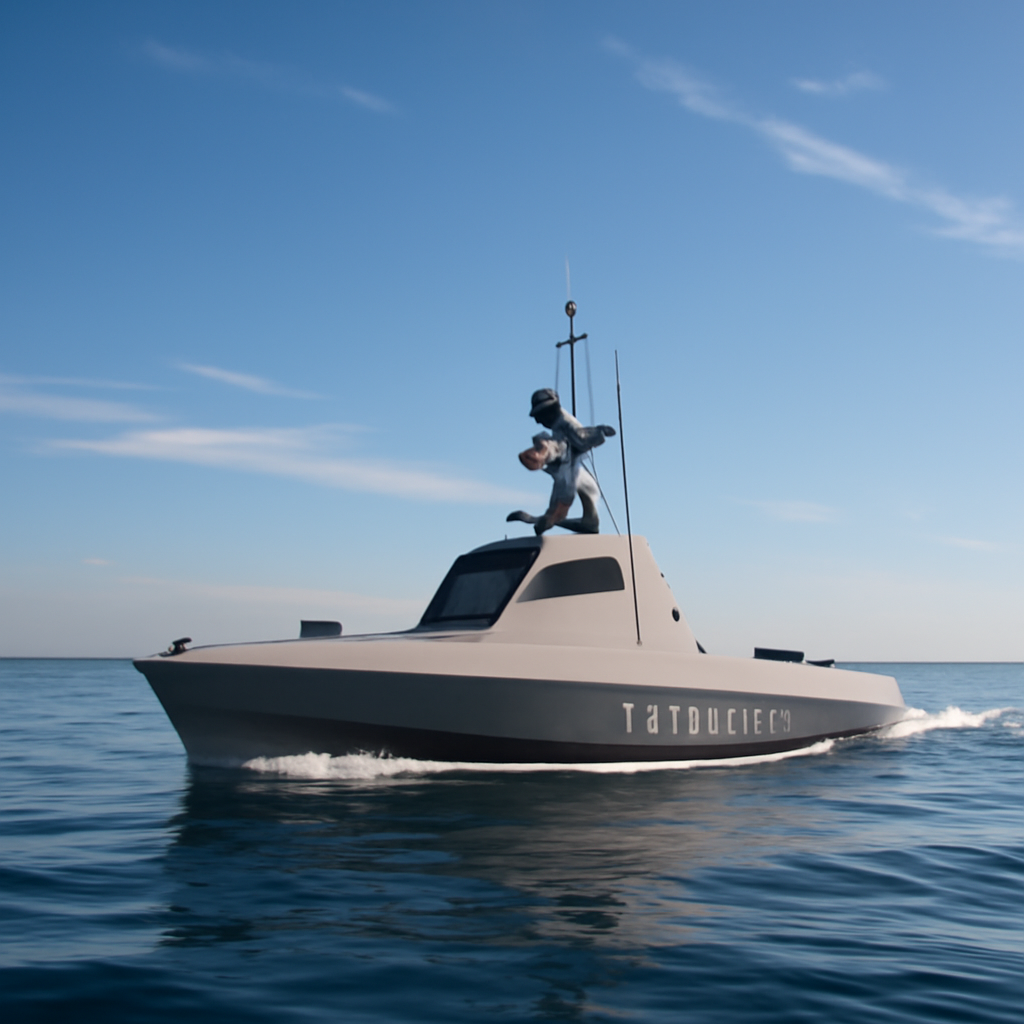
USVs Bolster Navy's Maritime Awareness with Enhanced ISR Capabilities
Imagine having a clearer picture of what's happening at sea - the Navy's using uncrewed surface vessels to boost its maritime awareness with cutting-edge intelligence, surveillance, and reconnaissance capabilities. By detecting and tracking potential threats from a distance, the Navy can stay one step ahead in critical regions like the Indo-Pacific.
Australia Fortifies Undersea Power with AUKUS Strategy
AUKUS is a game-changing strategy that's not just about acquiring submarines, but about empowering Australia to dominate the undersea landscape in a rapidly shifting Indo-Pacific. By building undersea power, Australia will gain the capacity to understand, monitor, protect, and defend its underwater interests like never before.

Army Pacific Command Hobbled by Funding Stalemate
The delayed passage of the fiscal 2027 budget is crippling Army Pacific Command's operations, with Gen. Ronald Clark citing it as the biggest challenge, and a major hurdle to acquiring new capabilities that could benefit soldiers on the ground. The current continuing resolution is blocking plans for new initiatives and funding for key programs.
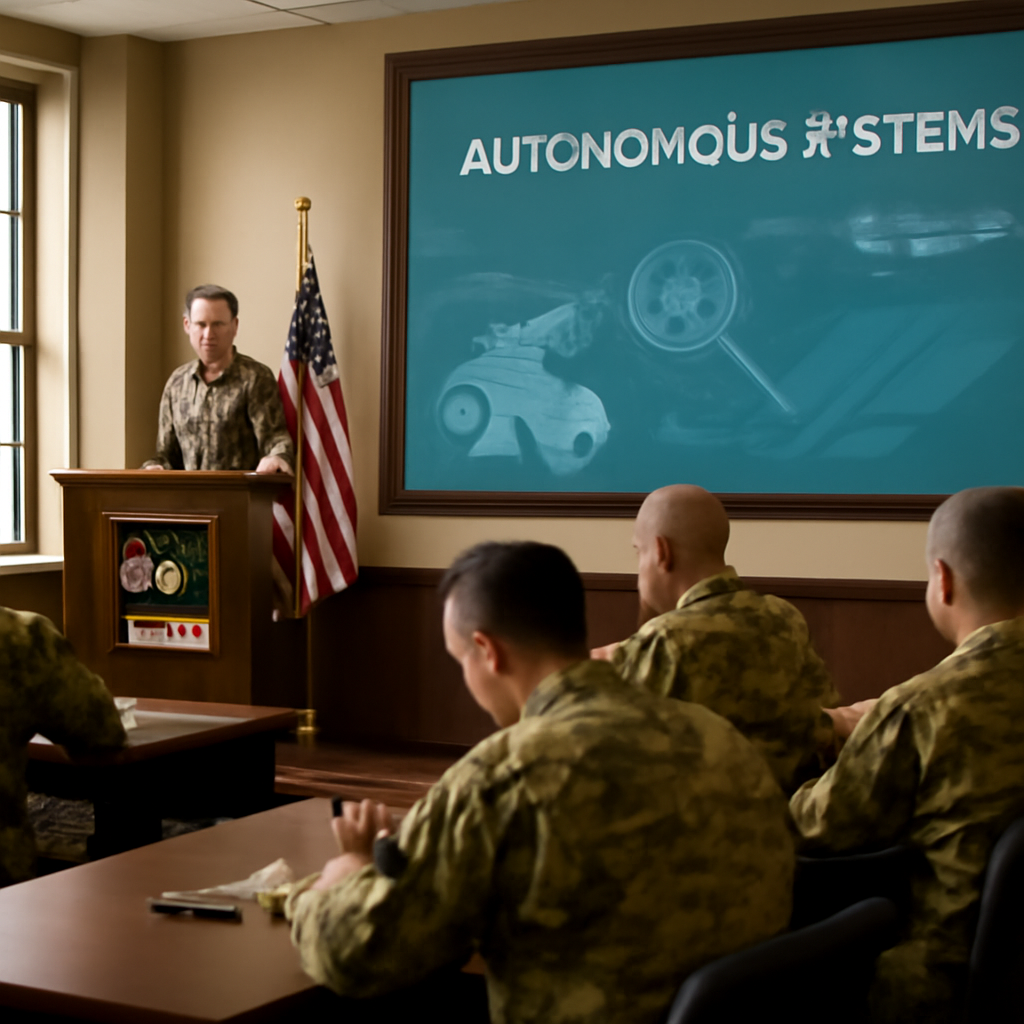
Army Overhauls Command Structure to Bolster Autonomy, Indo-Pacific Presence
The Army is shaking things up with a bold new move: renaming its Futures and Concepts Command to the Futures and Autonomous Systems Command (FASCOM), a clear signal that autonomous systems and drones are top priority. This structural shift is all about bolstering autonomy and beefing up the Army's presence in the Indo-Pacific region.
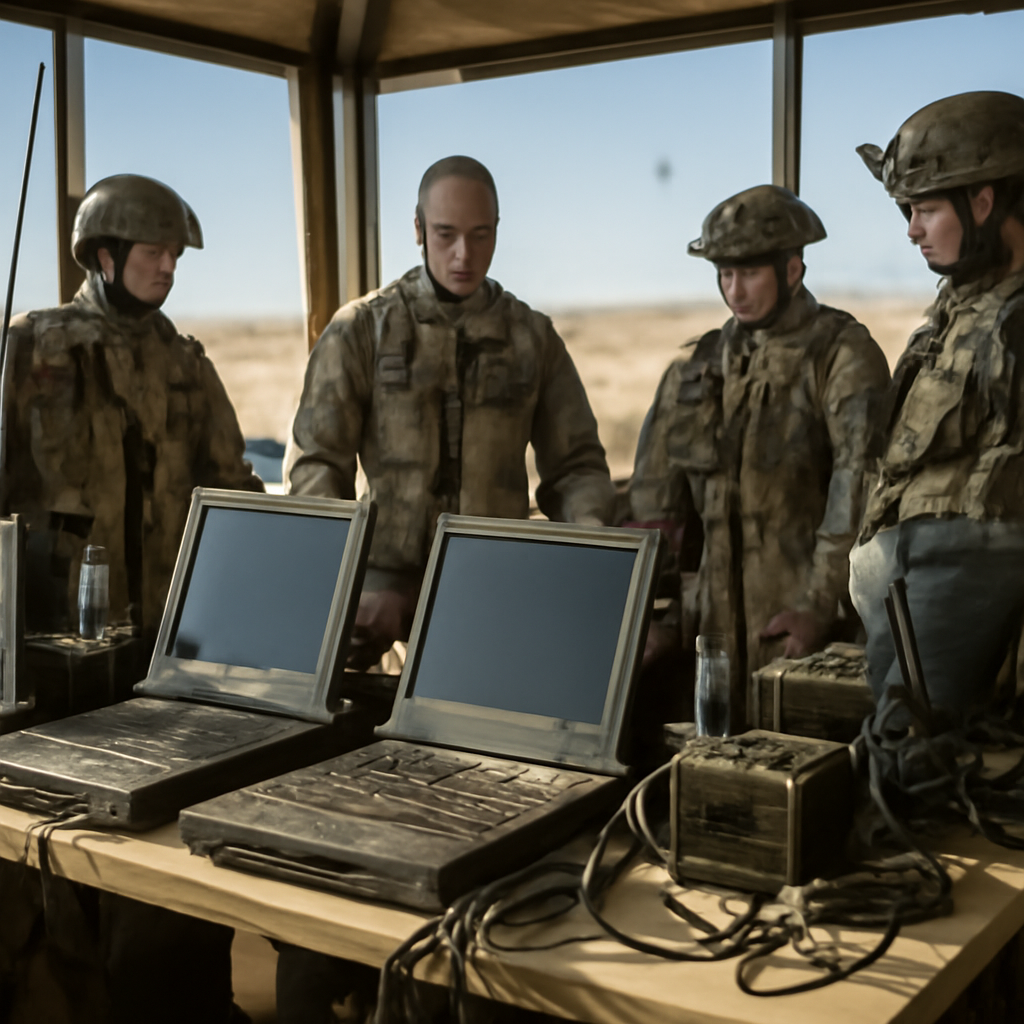
US Army Deploys Balloon Swarms to Support CENTCOM Operations
The US Army swiftly adapted its high-altitude balloon program, originally slated for a 2026 demo over Indo-Pacific waters, to support CENTCOM operations in the Middle East instead. The swift pivot led to the deployment of smaller balloon swarms to the region, marking a significant experimentation milestone.
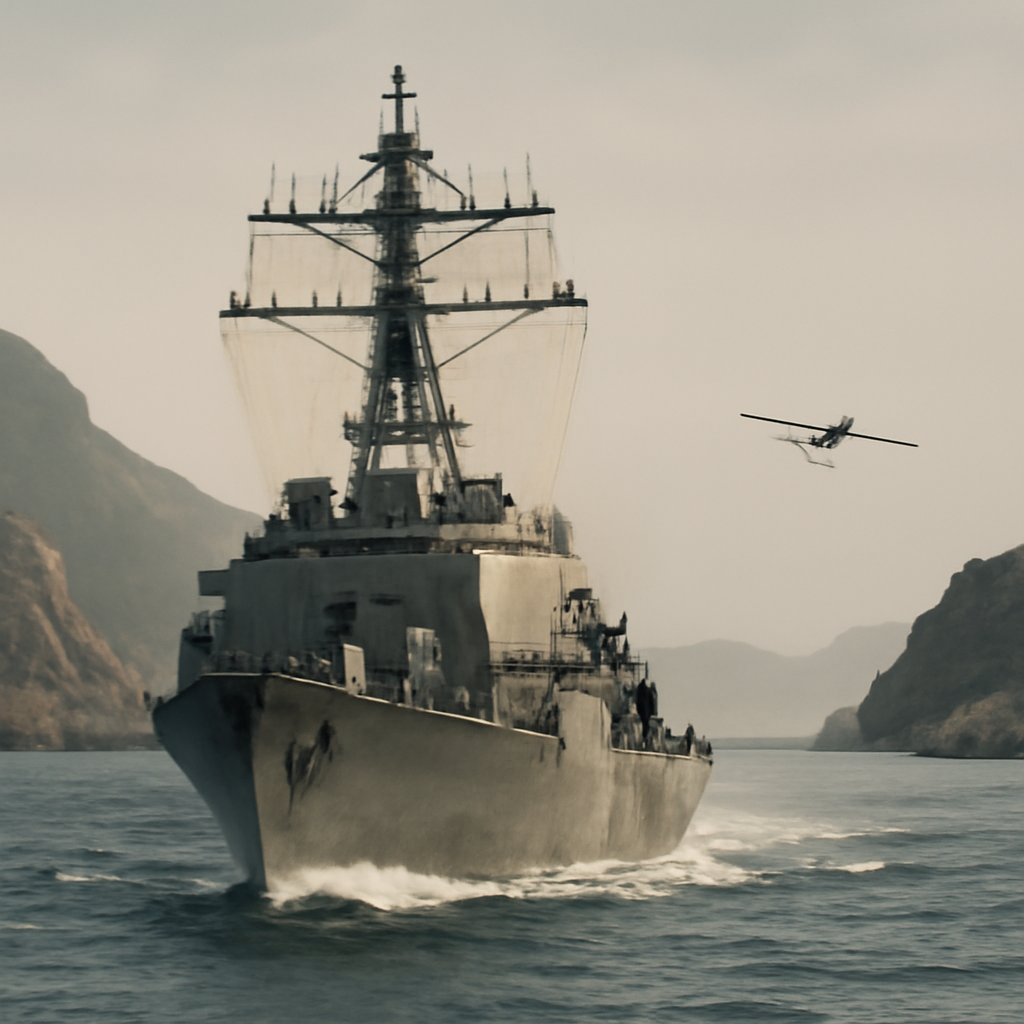
Modern Sea Control Unravels Under Drone and Sensor Pressure
The era of guaranteed sea control is fading fast, as drones, sensors, and precision strike capabilities erode the advantage of superior ships and aircraft, leaving navies to fight for fleeting, localized dominance. The old rules of maritime supremacy no longer apply in the Indo-Pacific, where control will be hard-won and episodic.
US Allies Expose Gaps in Nuclear Signaling Coordination
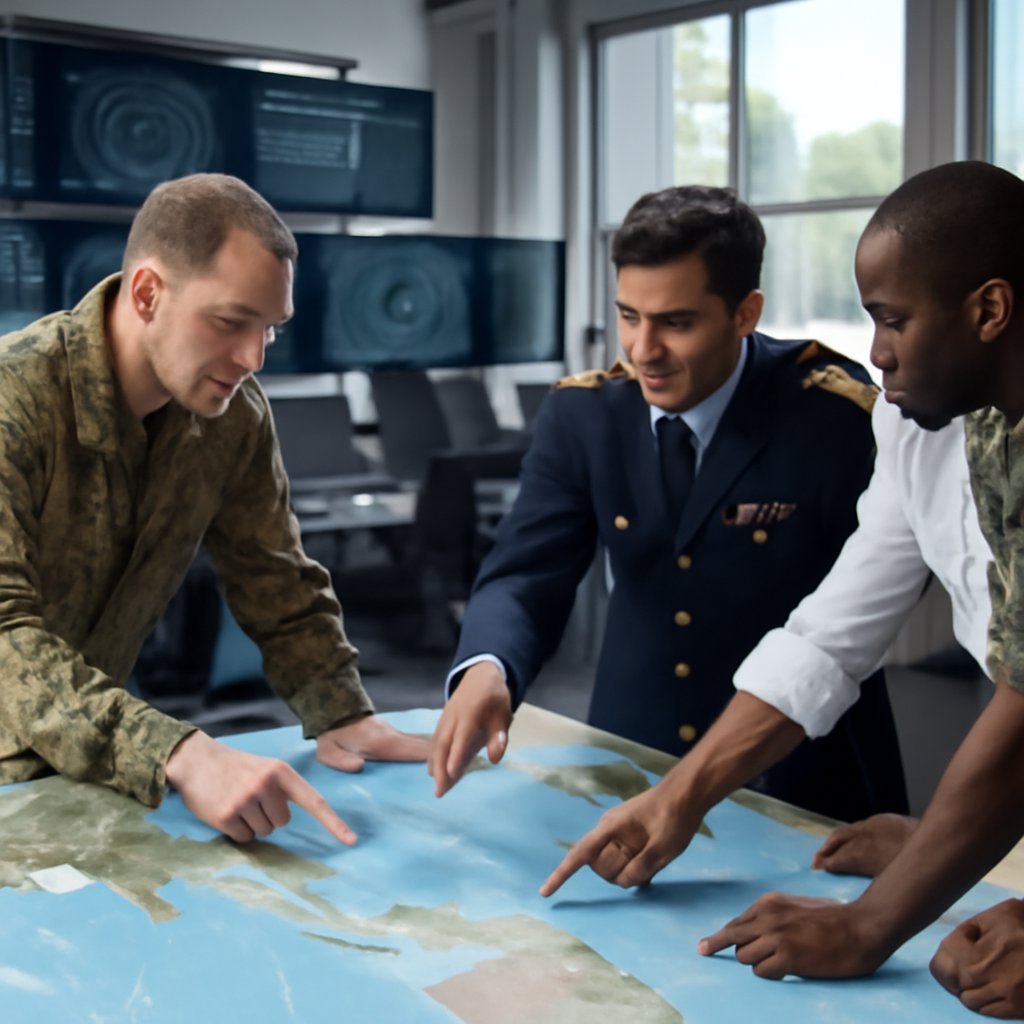
The real challenge isn't a lack of firepower, but a lack of common language and procedures among the US, Australia, Japan, and South Korea - a gap that's becoming increasingly critical as their advanced conventional capabilities start to intersect with nuclear strategies in the Indo-Pacific.

NATO Strengthens Indo-Pacific Ties with Defence Industry Cooperation
NATO is boosting its Indo-Pacific connections through defence industry cooperation, recognizing that global challenges demand global collaboration. By strengthening its industrial base, the Alliance aims to maximize defence cooperation with its partners.
Australia's Military AI Push Exposes Interoperability Gap with Indo-Pacific Partners
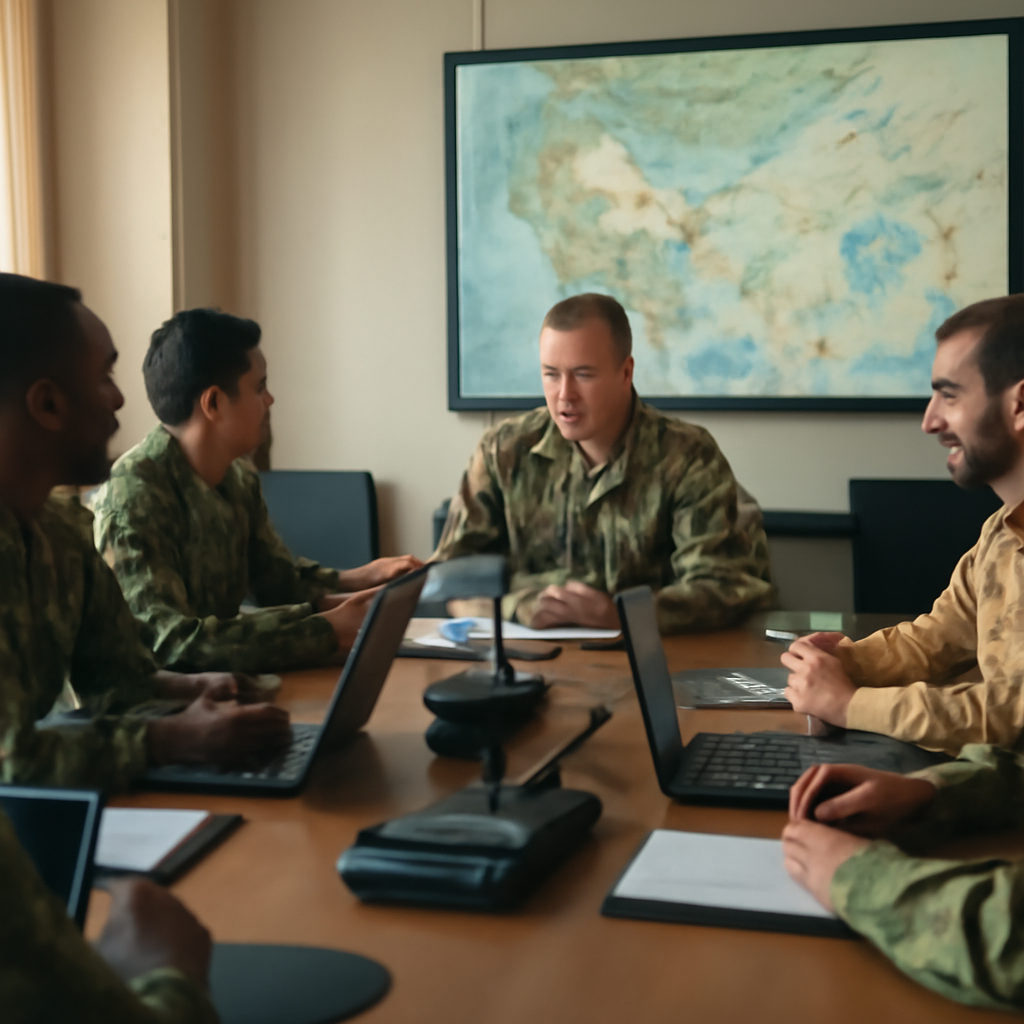
As Australia ramps up its military AI capabilities, a pressing concern emerges: can its Indo-Pacific partners keep pace, and more importantly, work together seamlessly when it matters most? The success of AI-powered military tools hinges on the people using them understanding how their partners make critical decisions.
Australia's MQ-4C Tritons, MC-55A Peregrines Reach Operational Milestone
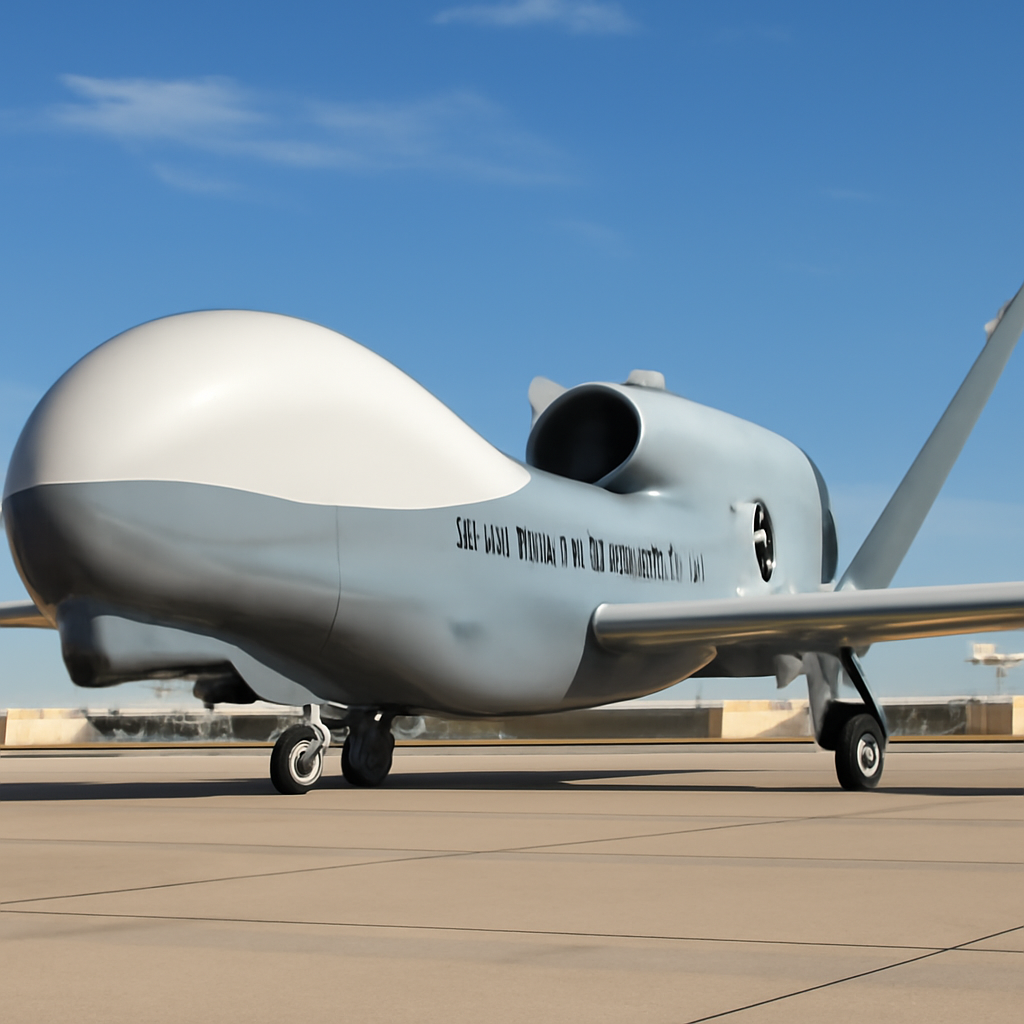
The Royal Australian Air Force has reached a major milestone, declaring Initial Operational Capability for its cutting-edge MQ-4C Triton aircraft and MC-55A Peregrine Intelligence Surveillance Reconnaissance and Electronic Warfare aircraft. This achievement supercharges the RAAF's Intelligence, Surveillance and Reconnaissance capabilities, bolstering its presence in the vast Indo-Pacific region.
US Space Force Deploys to Counter Growing Threats in Orbit
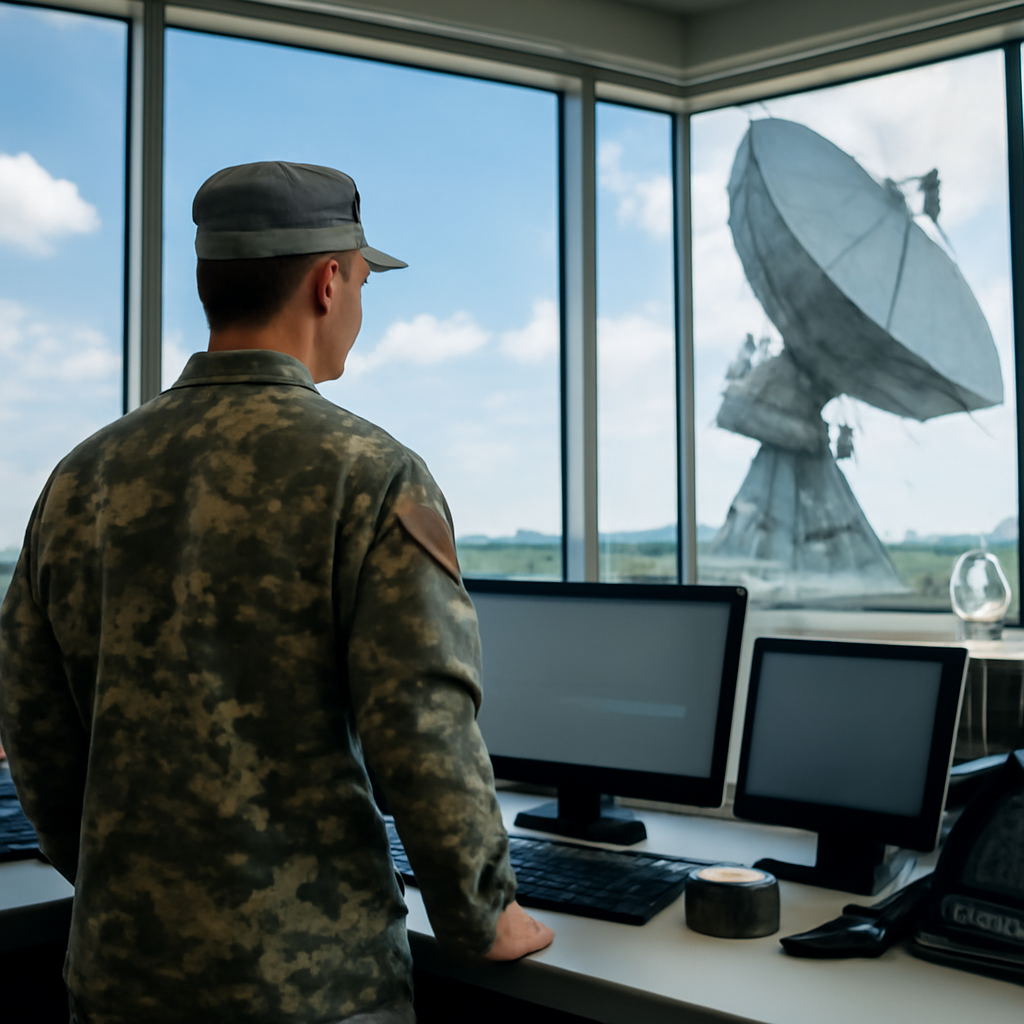
The US Space Force has taken a bold step to safeguard American and allied space systems by deploying "space control weapons" to counter the growing threats from China and Russia. For over two decades, these rival nations have been developing tools to disrupt, degrade, or destroy satellites, and recent conflicts in Ukraine and the Middle East have shown how these space-enabled threats can have a direct impact on events on Earth.
Asia-Pacific Defense Budgets Rise Amid Regional Tensions
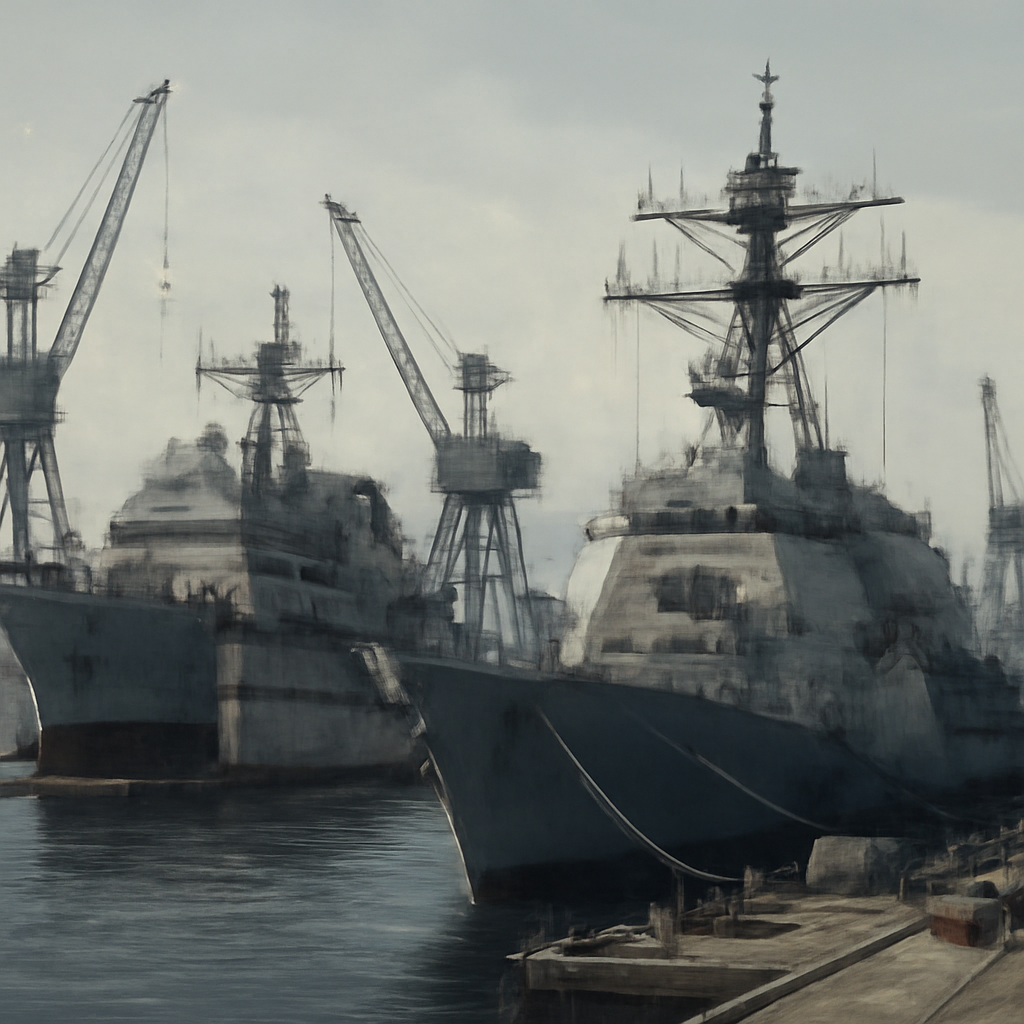
The Asia-Pacific region is witnessing a significant surge in defense budgets, driven by rising tensions and a growing need for enhanced security measures. Japan's defence ministry has just submitted a staggering ¥8.8 trillion (A$79 billion) preliminary request, with a strong focus on bolstering its maritime capabilities.

Australia, Japan Forge Model for Middle-Power Cooperation
Australia and Japan are forging a powerful model for middle-power cooperation, leveraging their combined economic, political, and security strengths to drive institution-building in the Indo-Pacific region. By championing principles like the rule of law, open markets, and freedom from coercion, these two leading democracies are setting a compelling example for others to follow.
USAF F-15EX Heads to Japan, Bolstering Indo-Pacific Airpower
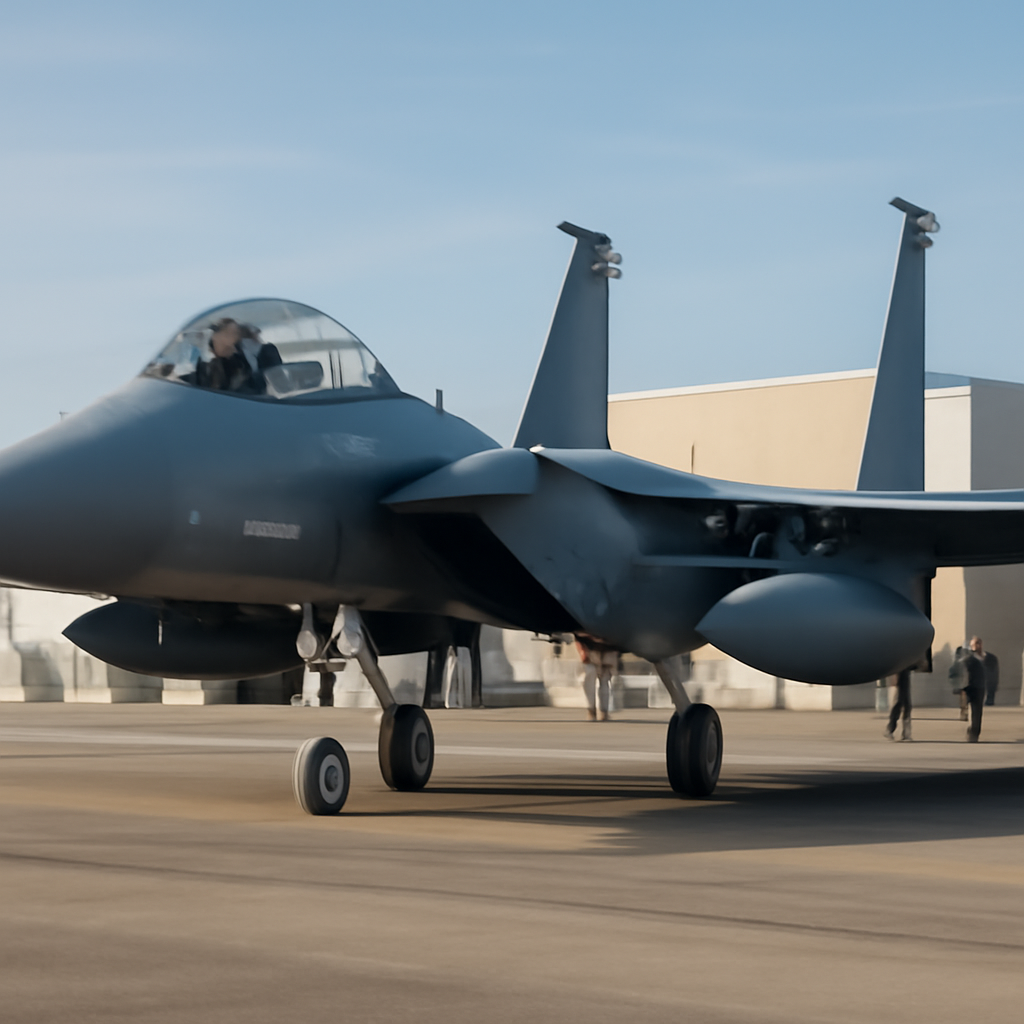
The first F-15EX Eagle II bound for Kadena Air Base in Okinawa has taken off from Boeing's St. Louis facility, marking a major milestone in bolstering Indo-Pacific airpower. This significant step brings the cutting-edge fighter jet one step closer to its new home.
Tensions Rise as Indo-Pacific Exercises Test Alliances
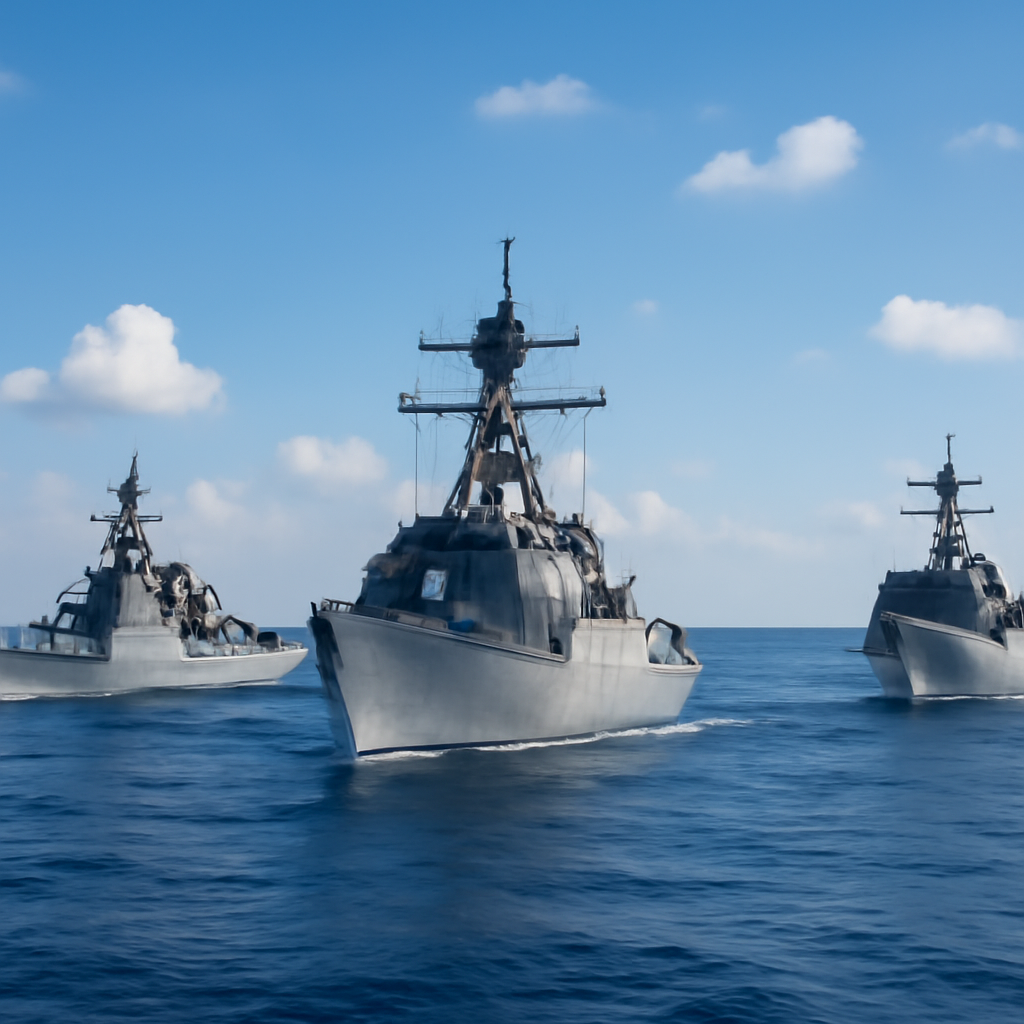
Tensions are escalating in the Indo-Pacific as a series of high-stakes exercises test the strength of alliances, with China's special envoy issuing a stern warning to Palau over its handling of Taiwan. The region is bracing for impact as military drills like Freedom Edge 26 ramp up in September.
Australia, US urged to strengthen deterrence with Defence Guidelines
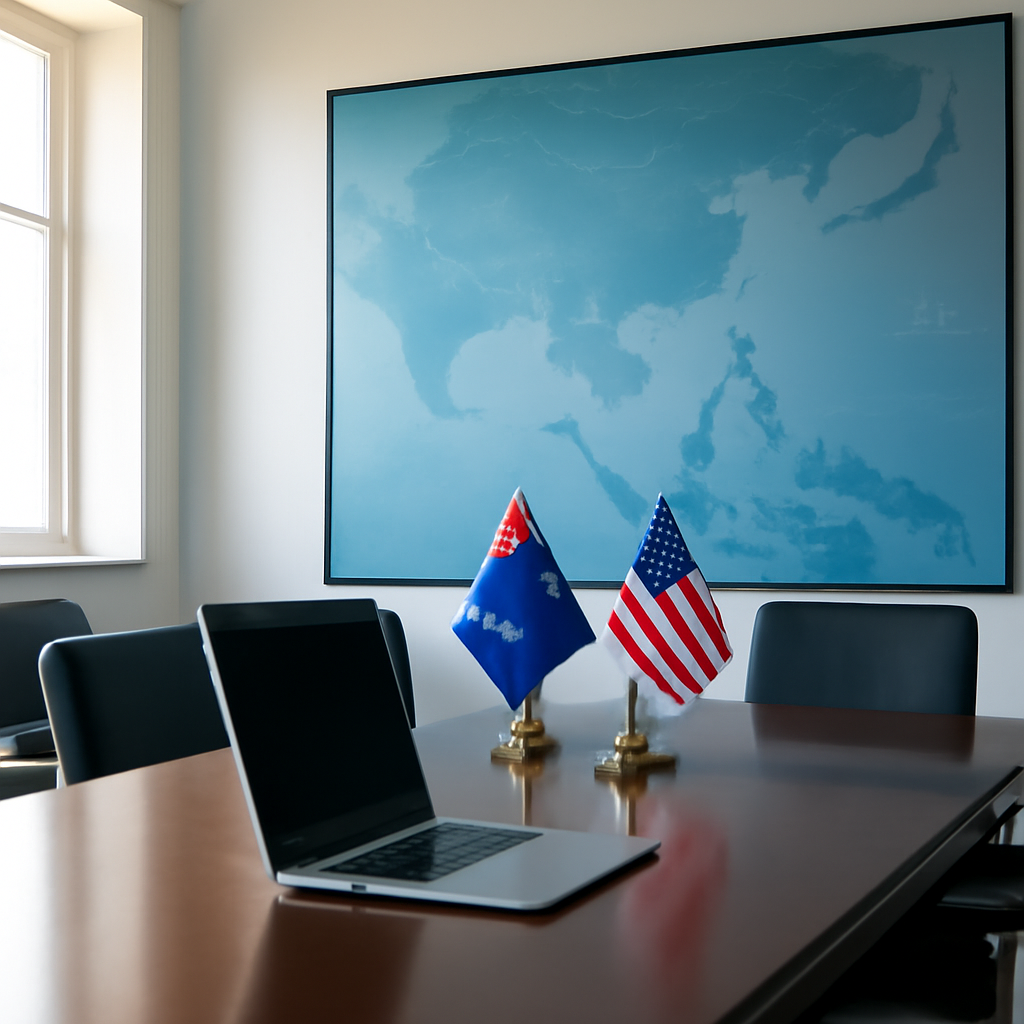
As Australia and the US celebrate 75 years of the ANZUS treaty, experts are urging both nations to boost their deterrence capabilities by drawing inspiration from the practical cooperation outlined in the recent Australia-New Zealand Defence Guidelines. By following this model, Australia and the US can turn their treaty commitments into tangible, effective deterrence strategies.
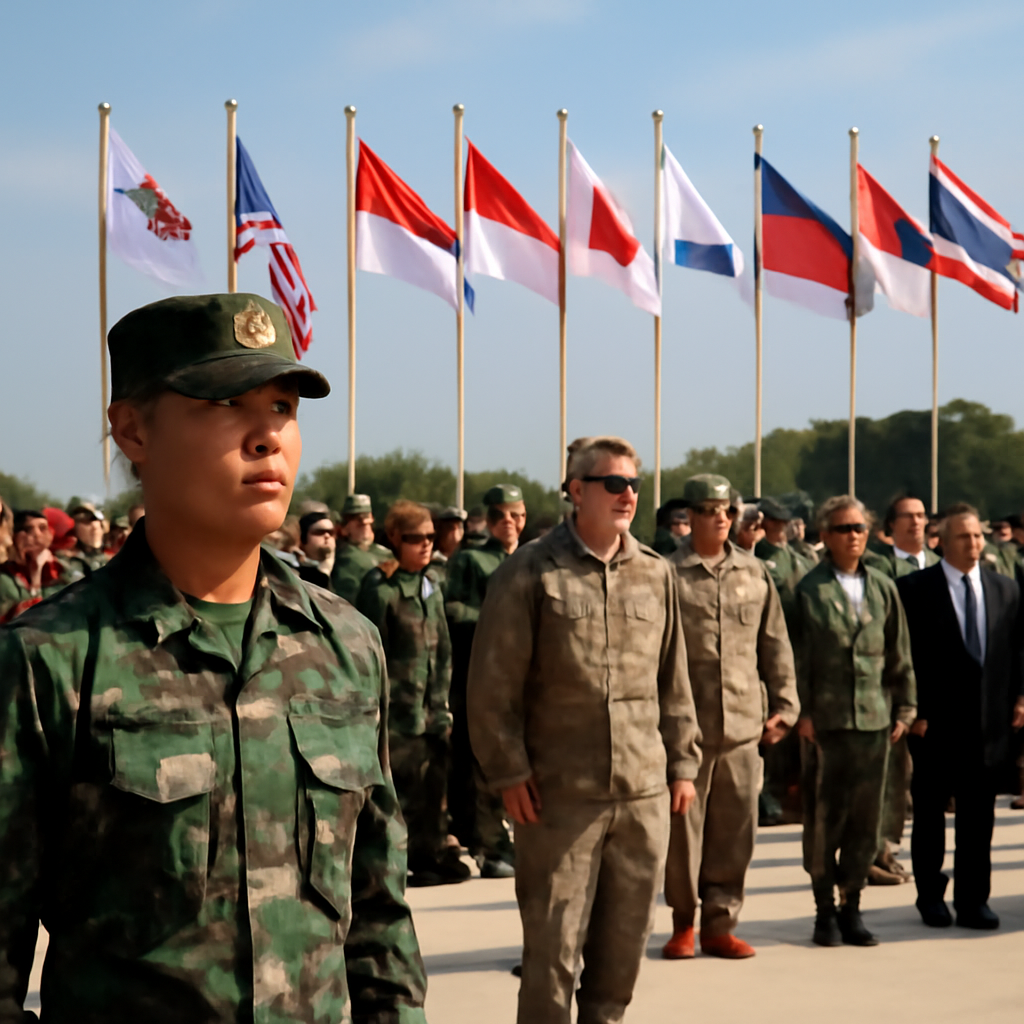
US, Indonesia Launch Super Garuda Shield Military Exercises
Get ready for the largest and most complex military exercise in the Indo-Pacific region - Super Garuda Shield, a powerful display of international cooperation that's bringing together over 4,743 troops from 15 nations to build a safer future. This annual drill, now in its expanded multilateral format, kicks off a two-week show of strength and unity.
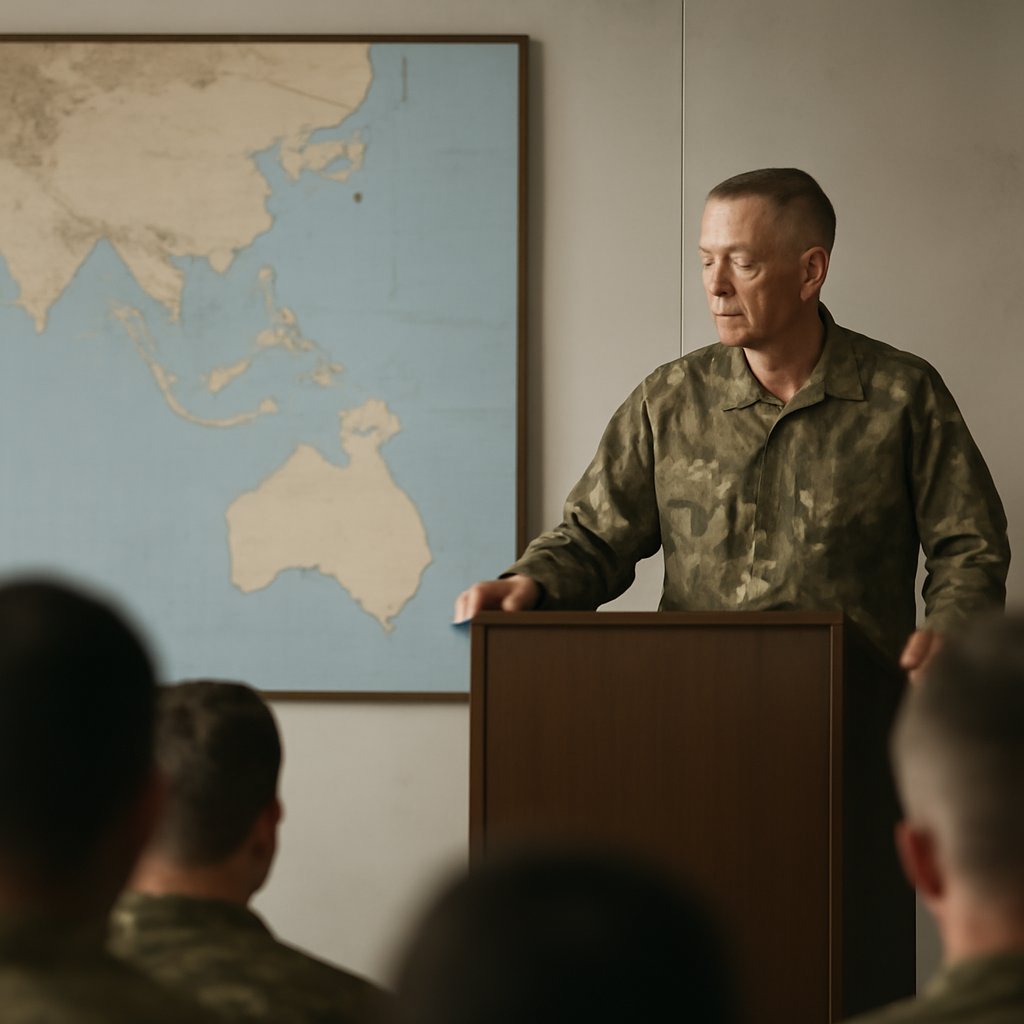
US Special Ops Commanders Warn of Asymmetric War Shift
The US advantage in conventional forces is pushing adversaries to wage war in new, unpredictable ways - below the threshold of direct confrontation, using tactics like proxies, cyber attacks, and economic coercion. This shift to asymmetric warfare demands a fresh approach to defense, warns Army Brig. Gen. Michael Rose.
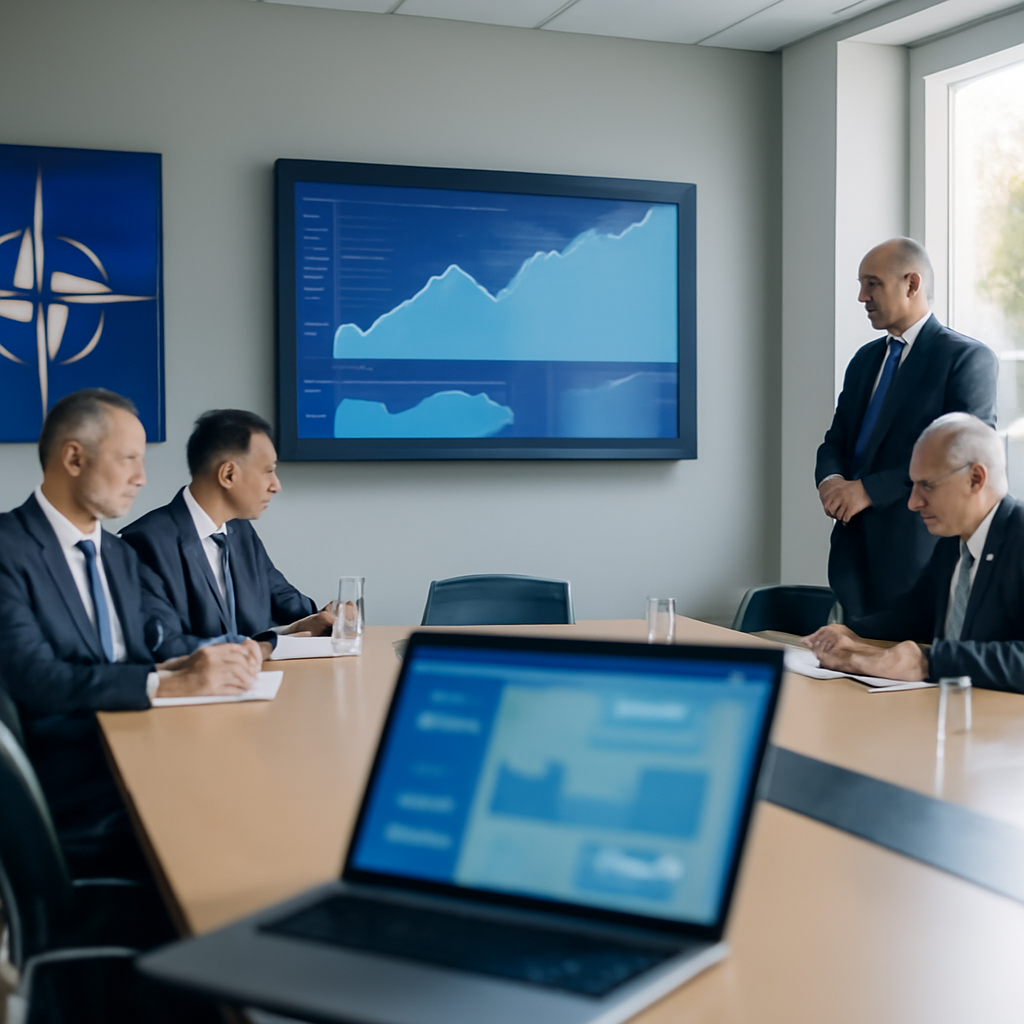
NATO's AI Adoption Offers Roadmap for Indo-Pacific Allies
NATO's speedy adoption of the Maven Smart System - a cutting-edge AI-enabled decision-support tool - sets a powerful precedent for Indo-Pacific allies, showcasing how quickly innovative tech can be deployed to drive significant benefits, including $6 million in annual savings. This landmark acquisition, completed in just six months, paves the way for faster and more effective tech integration in the region.
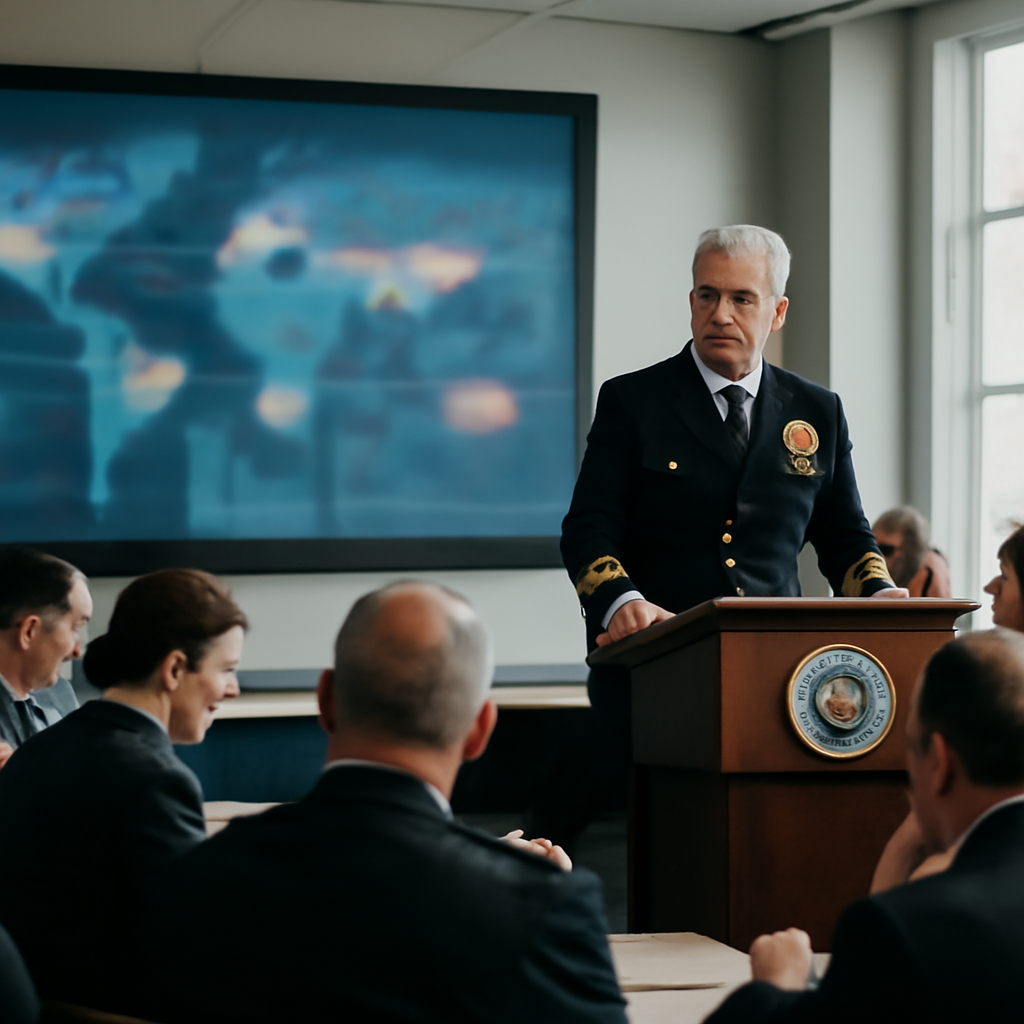
AI Deception Threatens Military Ops, Raises Large Conflict Risk
The increasing use of artificial intelligence in military operations is a double-edged sword, bringing game-changing advantages in intelligence gathering and analysis, but also introducing a stealthy new threat: AI-powered deception that can erode trust and spark large-scale conflict.
US Tech Strategy Targets Military AI Innovation, Snubs Open-Source Models
The White House's new tech strategy puts military AI innovation front and center, prioritizing cutting-edge tech like foundation models, undersea and space research, and AI autonomy to drive game-changing capabilities. By focusing on areas like multi-agent systems and swarm intelligence, the US aims to stay ahead in the Indo-Pacific region.
Japan Cements Ties with Australia as Defense Alliance Deepens
Japan and Australia are strengthening their defense ties, with Japan's Defence Minister Shinjiro Koizumi making his second visit to Australia in just four months, building on a landmark deal to supply Australia with up to 11 Upgraded Mogami frigates. This flurry of high-level meetings underscores the deepening alliance between the two nations, with Defence Minister Richard Marles hailing Japan as a country with which Australia has a "greater strategic alignment" than any other.
US Carrier Gap Exposes Indo-Pacific Deterrence Vulnerability
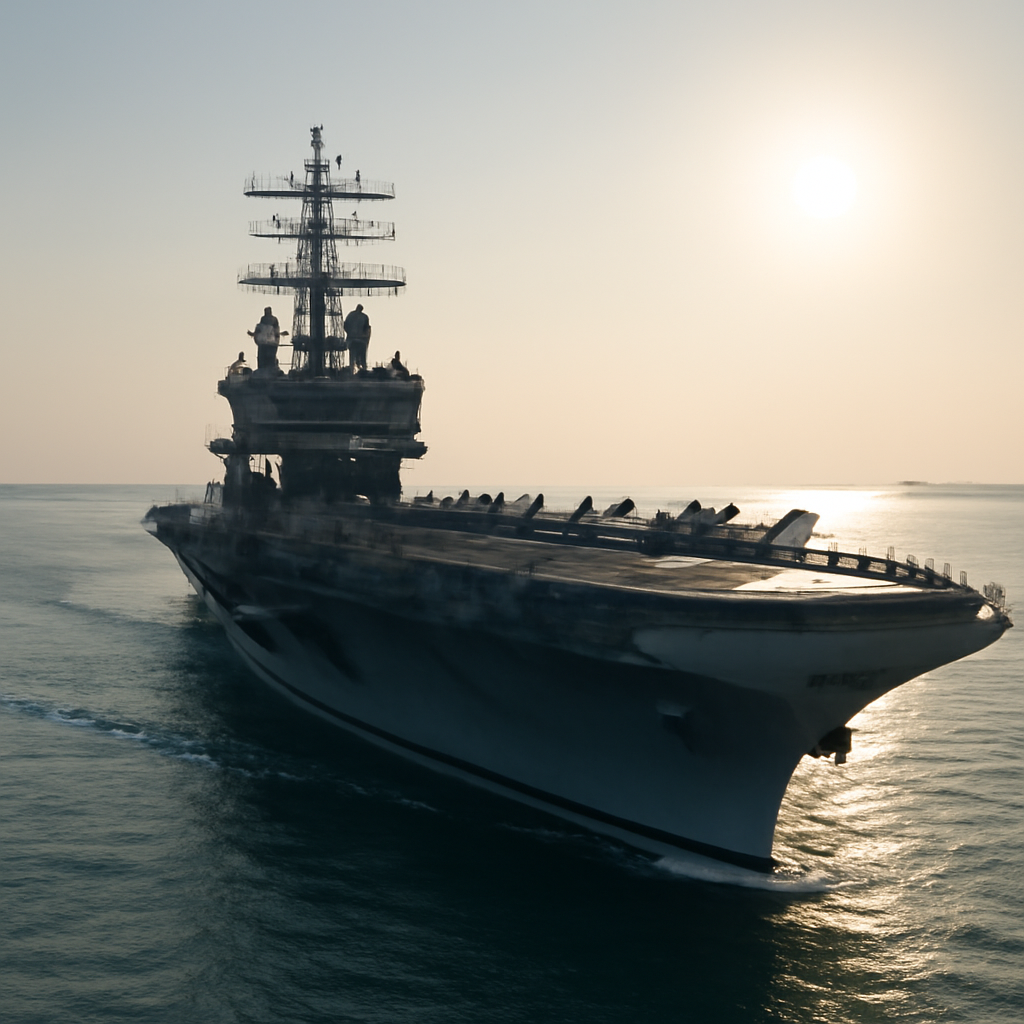
The US Navy's aircraft carrier presence in the Indo-Pacific is about to take a hit, as the USS Abraham Lincoln wraps up its deployment and heads home, leaving a gap in the region's deterrence capabilities. The USS George Washington is rushing to fill the void, making a discreet transit through the Singapore Strait to take over in the US Central Command area of responsibility.
Japan Deploys US Space Sensors to Monitor Indo-Pacific Orbit
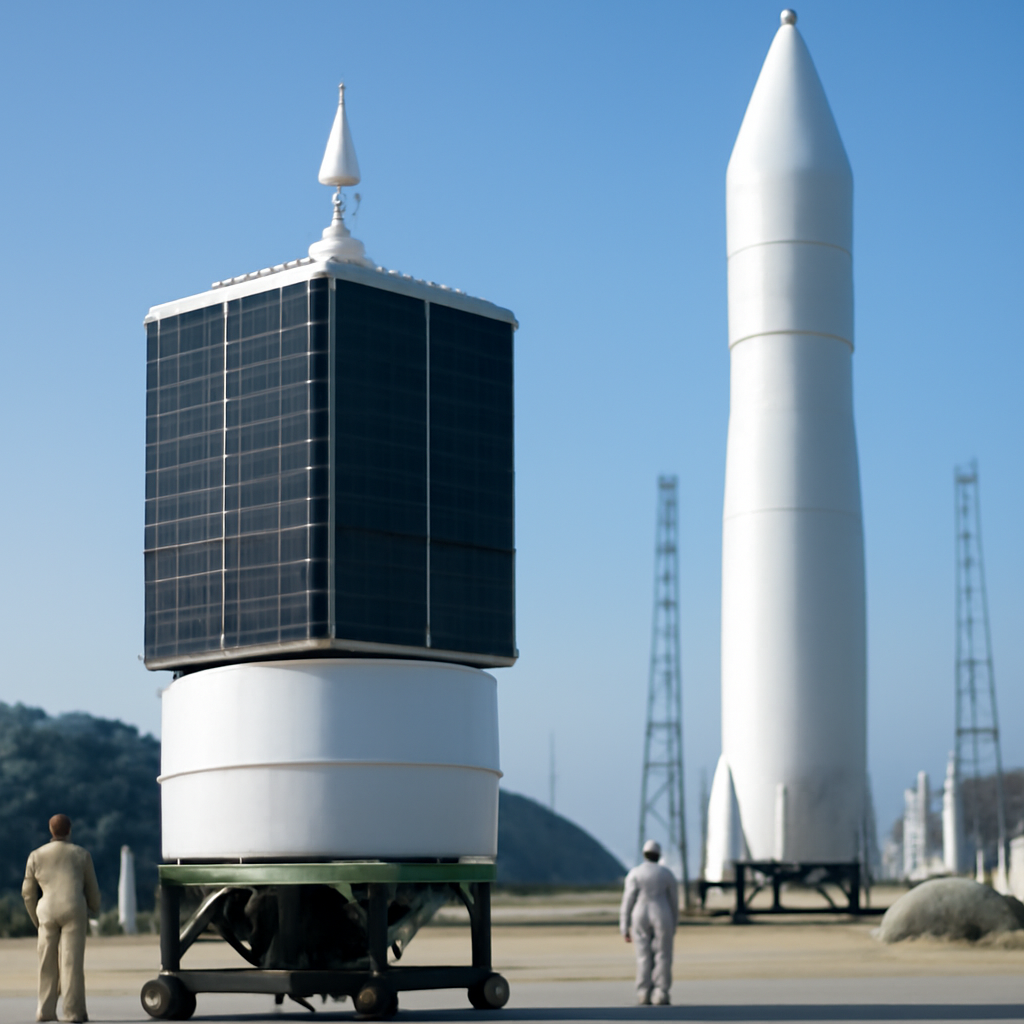
In a groundbreaking move, the US and Japan have joined forces to supercharge space security with the deployment of US space sensors on Japanese satellites, marking the first bilateral cooperative space effort focused on national security. The cutting-edge sensors are now live on Japan's Quasi-Zenith Satellite-7 (QZS-7), a powerful GEO platform.