RIMPAC 2026 runs June 24–July 31 and, by one measure of emphasis, features five submarines this year compared with three at RIMPAC 2024 — a concrete sign that undersea operations are front and center in an exercise whose theme is “Partners: Integrated and Prepared.”
Strengthening undersea warfare against PLAN carrier formations
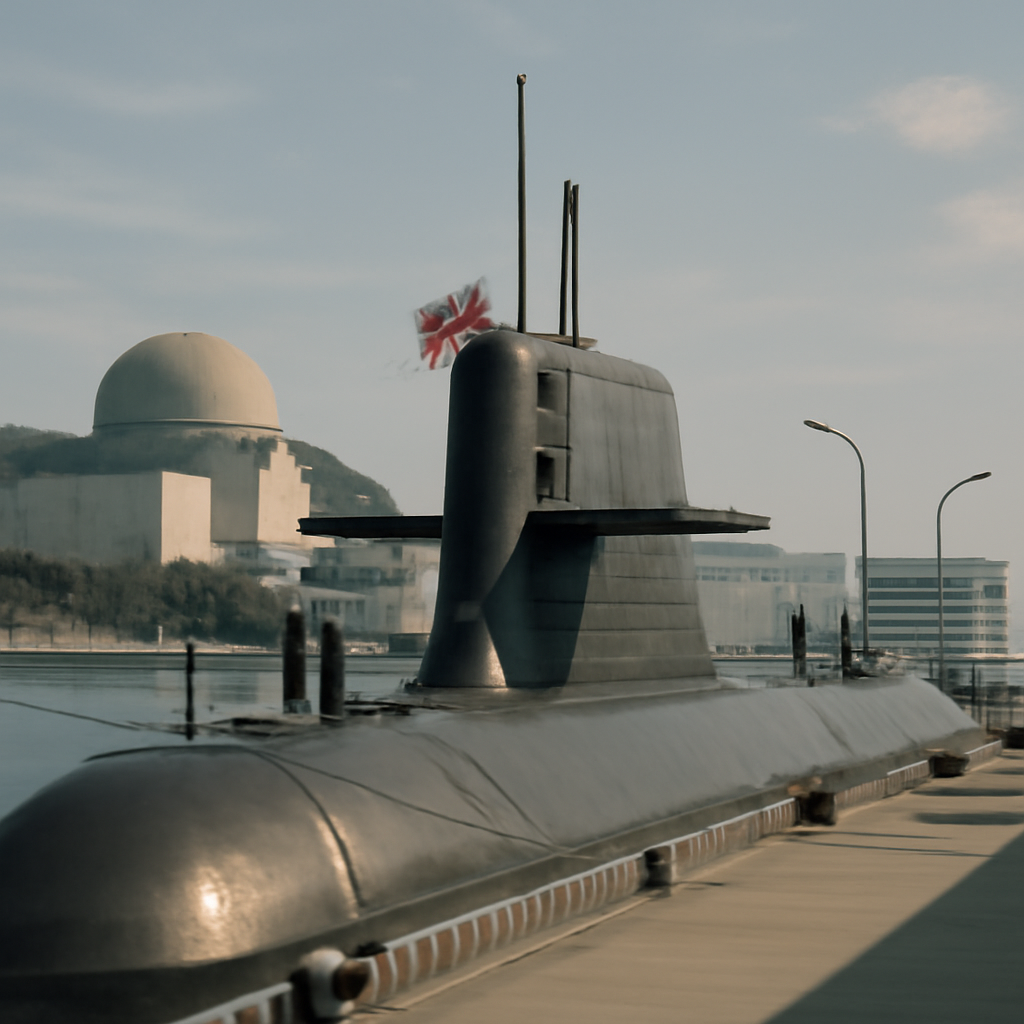
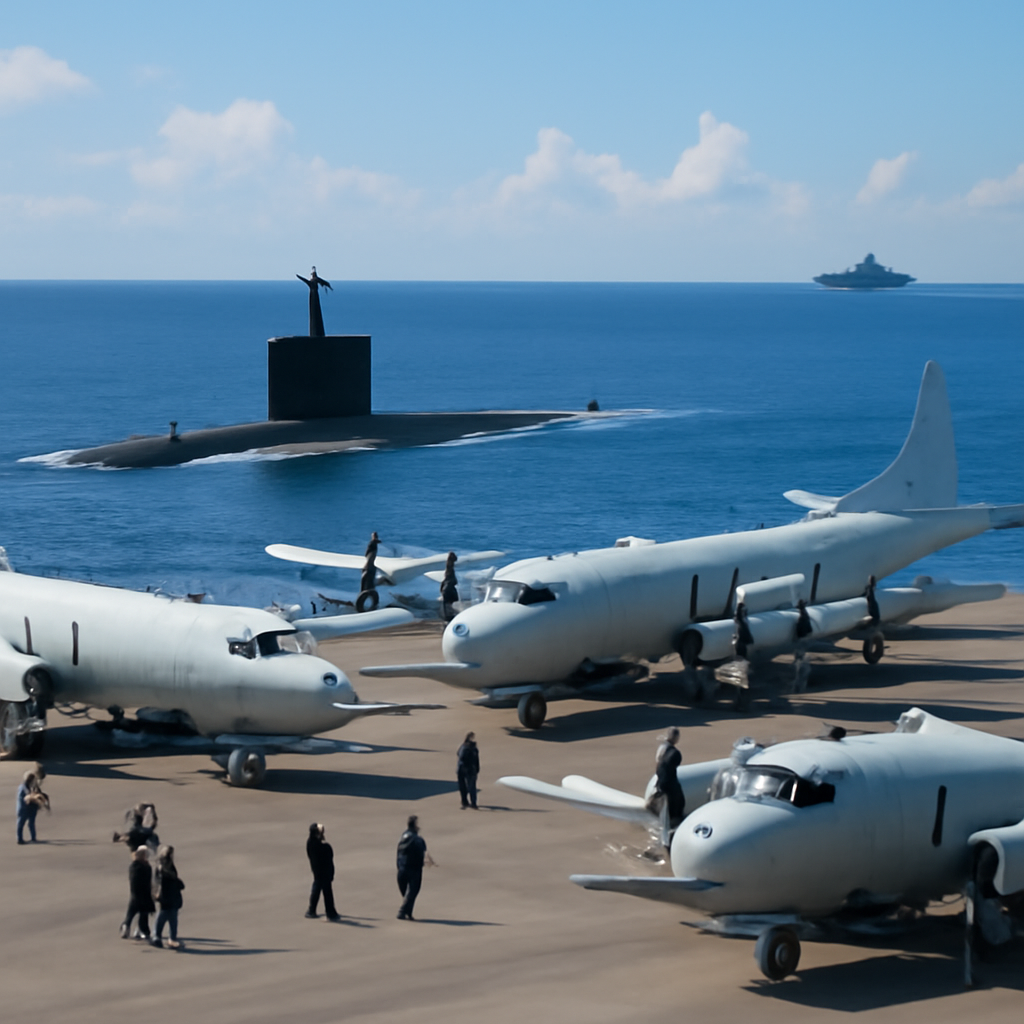
RIMPAC 2026 places a pronounced focus on submarines and anti-submarine warfare aircraft, reflecting concern about expanding carrier and undersea capabilities of the People’s Liberation Army Navy (PLAN). The exercise is explicitly designed to integrate operational mechanisms, command procedures, and military systems among the United States and partner forces. Since RIMPAC 2024, the source reports, China’s carrier development and operations have accelerated: newer variants of the J-15 and the J-35 have been introduced, the Liaoning has repeatedly trained takeoff and landing in the East China Sea and the Western Pacific, and two-carrier operations beyond the First Island Chain in 2025 reached deeper into the Pacific. Against that backdrop, the more survivable, stealthy attributes of submarines make undersea attack a key option for threatening carrier strike groups, and integrating undersea forces for operations against PLAN carrier formations is one of this year’s training priorities.
Learning from recent U.S. combat experience in the Middle East
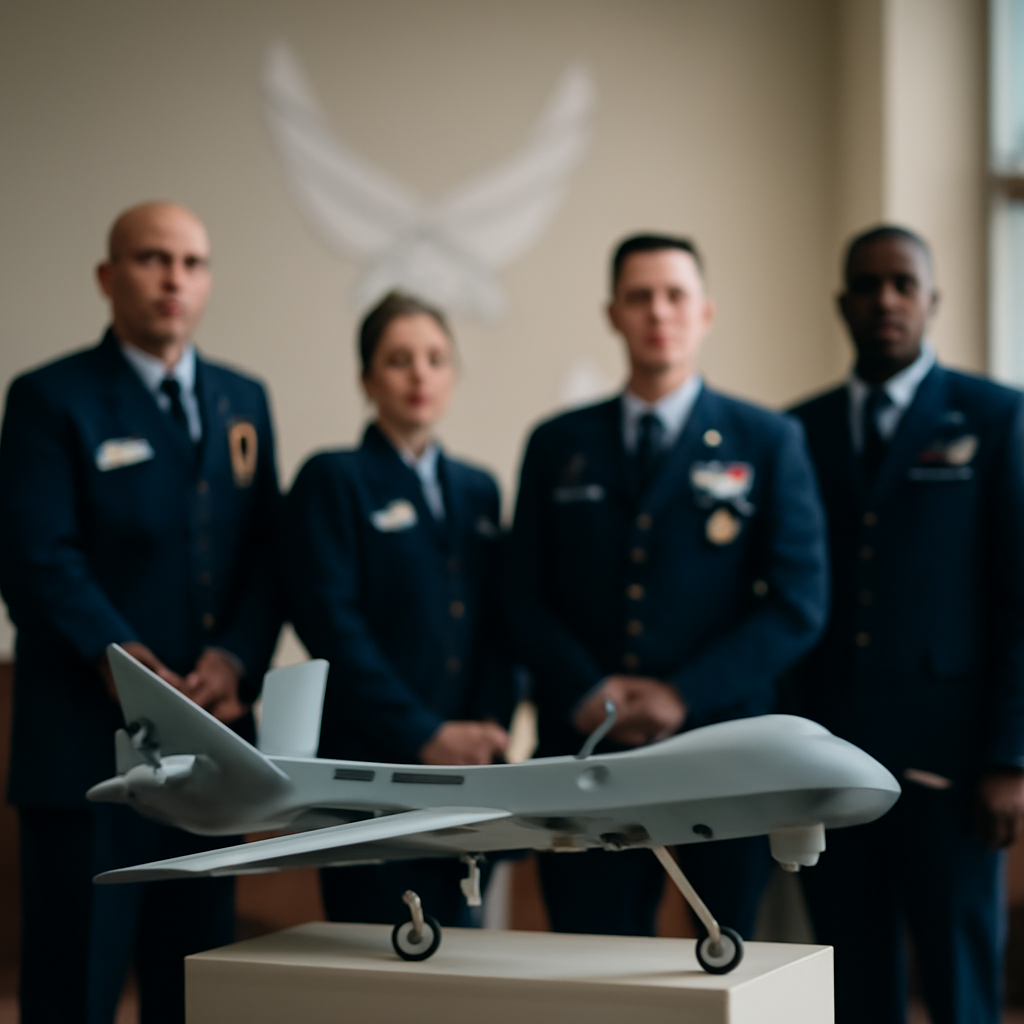
Participants at RIMPAC 2026 will also draw lessons from U.S. operational experience in the Middle East, where recent campaigns highlighted new stressors on traditional air-defense systems. The most pressing aerial threat identified in the source is increasingly composed of large numbers of low-cost unmanned systems — both aerial drones and unmanned surface vessels. Those battlefield encounters are portrayed as valuable lessons for allied forces, especially for air defense, counter-drone operations, and responses to unmanned surface vessels. For roughly 30 participating countries, RIMPAC offers not only a venue to rehearse doctrine and test new equipment but also a deliberate chance to absorb hard-won tactics and adaptation from U.S. combat operations.

Audit-ready is a season. It shouldn't be.
Evidence in spreadsheets, controls drifting between audits, frameworks multiplying on flat headcount. Nubivance runs continuous compliance on Rapid7 Cyber GRC - SOC 2, HIPAA, ISO 27001, PCI, CMMC.
End the scrambleSINKEX: live-fire testing against Peleliu and Mobile Bay
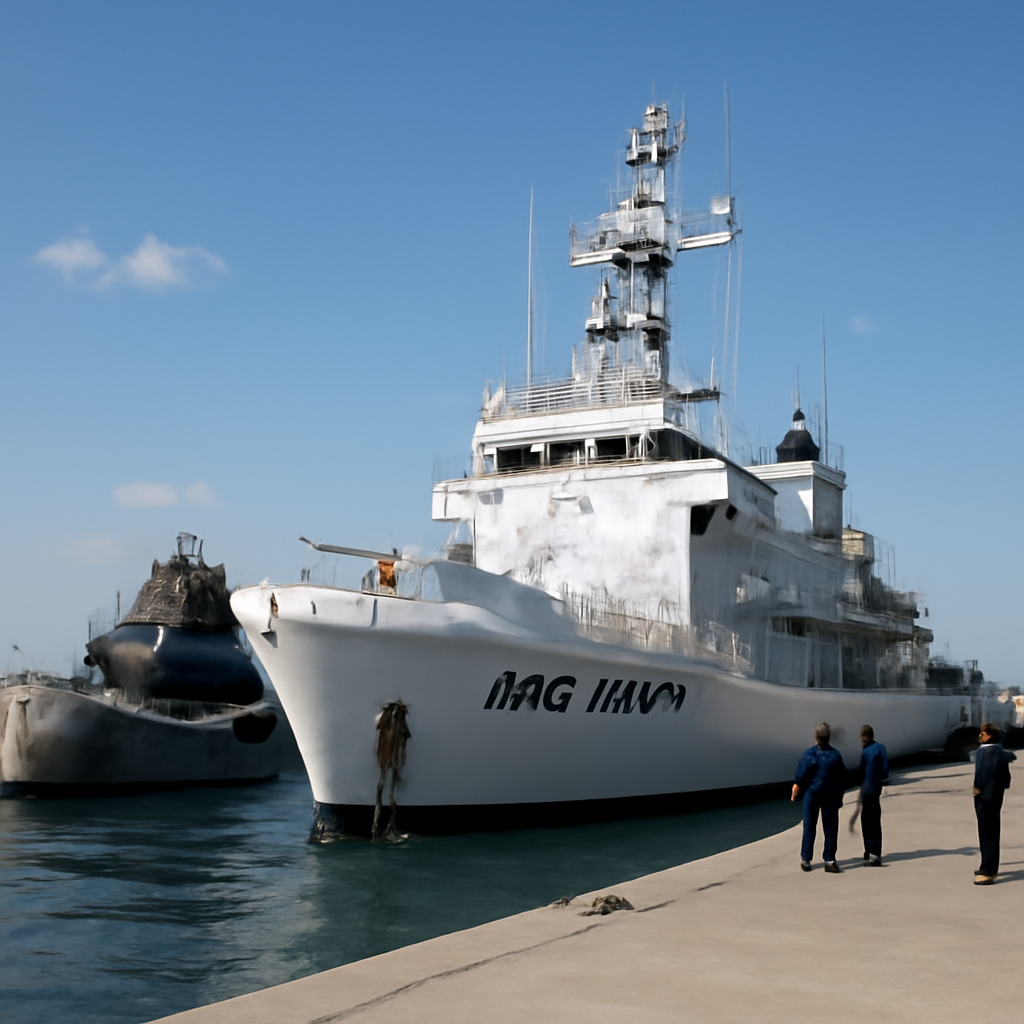
RIMPAC 2026 includes a multinational live-fire sinking exercise (SINKEX) that will test strike coordination, weapons integration, and command-and-control across land, sea, and air. Reported target vessels include the decommissioned amphibious assault ship Peleliu and the former Aegis cruiser Mobile Bay. Participating forces will conduct live-fire attacks after rehearsing maritime replenishment and joint logistics. Beyond experiential training, SINKEX permits empirical assessment: how many munitions are required to disable particular hull types, where strikes inflict decisive damage, and how different weapons perform against real naval targets. The two target ships — a large amphibious assault ship and a roughly 10,000-ton-class cruiser — are singled out in the source as resembling, in general operational terms, vessels the PLAN is developing, including the Type 075 and Type 076 amphibious assault ships and the Type 055 large destroyer, making the exercise a functional rehearsal for similar future threats.
Implications for Taiwan’s defense posture and observation priorities
Although Taiwan cannot send military forces to take part in RIMPAC 2026, the exercise remains relevant to its defense thinking. The source frames Taiwan’s defense posture as centered on island defense, which differs from RIMPAC’s emphasis on large-scale maritime and air operations across the open ocean. For Taiwan the principal value of observing RIMPAC lies in system-level lessons: how participating militaries integrate sensors, platforms, weapons, command networks, and allied forces into coherent operational systems. Tactical innovations, command interoperability, and platform connectivity demonstrated at RIMPAC may not translate directly into Taiwan’s island-defense focus, but they do offer a window into how emerging technologies are reshaping allied operational concepts.
What this means for the United States, Taiwan, and participating countries
- The United States — will use RIMPAC to exercise multinational command-and-control integration, undersea warfare tactics, and to export combat-tested adaptations in air defense and countering unmanned systems.
- Taiwan — cannot participate directly but will observe RIMPAC to study integration of command systems, multi-domain connectivity, and the operational consequences of new technologies for defensive planning.
- Participating countries — roughly 30 in number — will leverage RIMPAC as a platform for system integration, live-fire testing, and combined personnel training to align doctrines and practice across differing platforms and services.
RIMPAC 2026, concluding July 31, is therefore both a practical training ground and a diagnostic lab: submarines and anti-submarine warfare are being prioritized to confront carrier formations; U.S. combat experience with unmanned systems is being exported as lessons learned; and SINKEX is being used to test effects against ships that approximate the types of high-value units now appearing in regional fleets. How well allied forces integrate undersea assets and adapt air defenses to massed unmanned threats will be among the clearest, measurable outcomes when the exercise wraps.