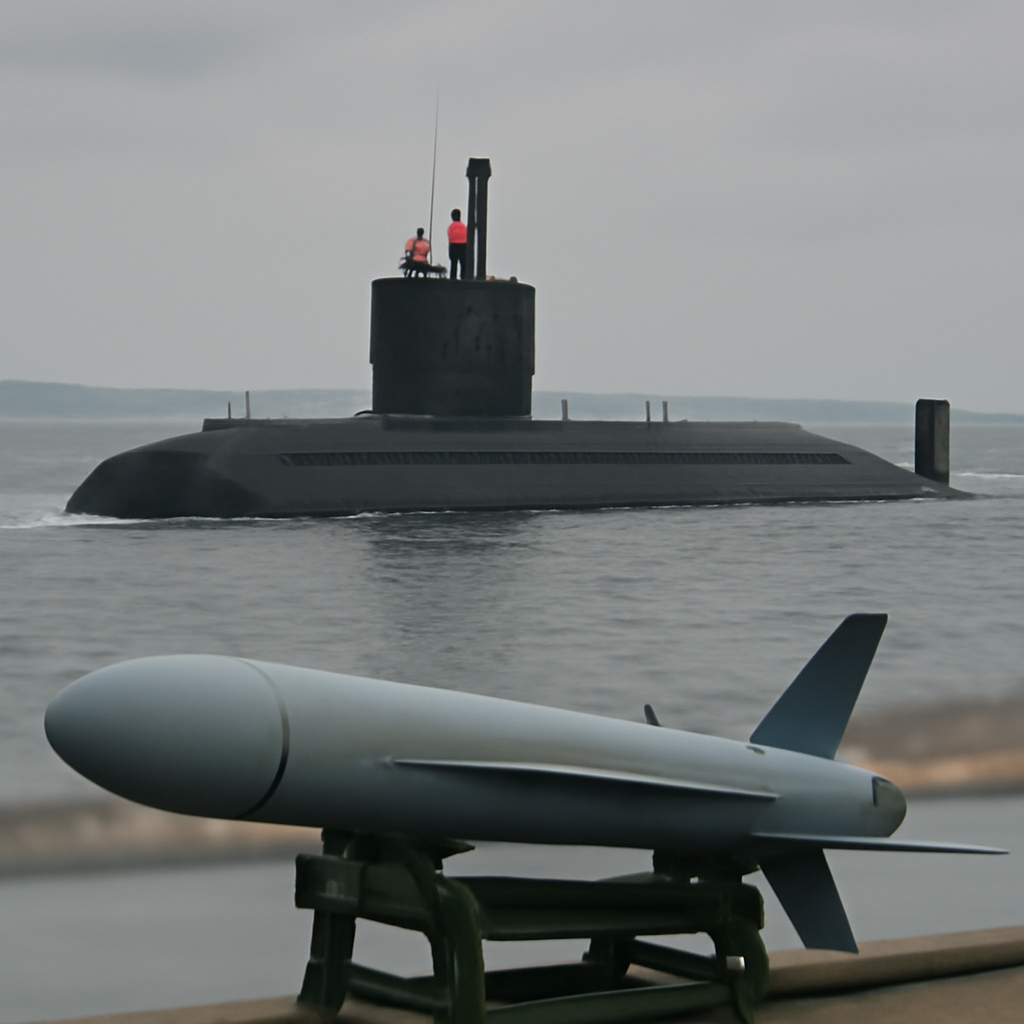
On 6 July, China conducted a missile test directed towards the South Pacific — "the sort of thing big powers do," the source observes — and that action "did not win friends." The test is one concrete signal in a wider regional recalculation: states across the Indo-Pacific are increasingly hedging, seeking security not only through the United States but also through one another.
US administration actions, tariffs, and the Indo‑Pacific nomenclature
The source records a marked change in regional perception driven by the current US administration’s conduct. It says "the shift in US international conduct during President Donald Trump’s second term has severely affected the region." Two rounds of US tariffs have hurt most countries in the region, and the war in Iran has inflated fuel costs. The administration "has left US alliance structures in East Asia alone," the source adds, and there are worries that President Trump’s "scorn for NATO could be replicated towards allies in this region" or that he "could be attracted towards some form of power‑sharing arrangement with China."
The signals extend to nomenclature. The term "Indo‑Pacific" — adopted by the US during the Trump administration’s first term and reflected in the 2018 renaming of US Pacific Command to Indo‑Pacific Command — has been deemphasised. In June, the Pacific Command "dropped its ‘Indo’ prefix," a symbolic move the source says matters because "nomenclature and symbols count, perhaps even more so when they are changed or removed."
India and the erosion of the US–India strategic momentum
The source charts how the US–India relationship, elevated earlier in the century and anchored in part by a 2008 treaty allowing India to import nuclear fuel and technology for peaceful purposes, has frayed since 2025. "Since 2025, things have gone bad between the US and India," the narrative states: two rounds of tariffs harmed India, and after clashes between India and Pakistan in May 2025 India perceived a US tilt towards Pakistan.
Those strains have dulled multilateral formats built around Washington. The Quad — the US, India, Japan and Australia grouping — "is still meeting at foreign minister level, but it has lost its mojo," the source reports, reflecting diminished momentum in Washington‑led security cooperation in parts of the Indian Ocean region.

Audit-ready is a season. It shouldn't be.
Evidence in spreadsheets, controls drifting between audits, frameworks multiplying on flat headcount. Nubivance runs continuous compliance on Rapid7 Cyber GRC - SOC 2, HIPAA, ISO 27001, PCI, CMMC.
End the scrambleJapan, India and Australia stepping up bilateral defence and investment ties
Regional powers are responding by expanding bilateral cooperation. Japan's diplomatic reach is noted as strong: surveys show it is "the country that’s most respected in Southeast Asia," and the source highlights Japanese Prime Minister Sanae Takaichi’s July visit to India, which "emphasised Japan’s intent to invest in the country and pursue defence and technology cooperation." Takaichi’s May visit to Australia focused on defence issues, energy security and supply chain resilience.
India likewise is giving substance to its outreach. The source says India no longer talks of "looking east" but of "acting east." Narendra Modi’s July visit to Indonesia produced an agreement to sell Indian missile systems. Modi’s July visit to Australia yielded an agreement on the export of uranium to India and a joint declaration on defence and security.
Australia’s new regional security architecture: Indonesia, PNG, and Pacific partners
Australia itself is described as "looking more to the region for answers to our strategic quandaries." The source details multiple recent steps: Australia’s Keating‑era Agreement on Maintaining Security with Indonesia — abrogated in 1999 — "was in practice revived in February as the Australia–Indonesia Treaty on Common Security." In October 2025, Australia and Papua New Guinea signed a mutual defence treaty. "In the past month," Australia signed two treaties with Fiji and an agreement with Vanuatu. These follow earlier agreements with Tuvalu and Nauru, and future arrangements are "foreshadowed with the Solomons, Tonga and Samoa."
What this means for Australia, Japan, and India
- Australia: The country is actively building bilateral security and defence pacts across its neighbourhood — reviving ties with Indonesia, signing a mutual defence treaty with Papua New Guinea, and expanding agreements with Pacific island states — as part of a broader regional hedging strategy.
- Japan: With a strong diplomatic system and high respect in Southeast Asia, Japan is using visits and investment pledges — including defence and technology cooperation with India — to fill gaps left by uneven US engagement.
- India: Moving from "looking east" to "acting east," India is deepening defence exports and partnerships, exemplified by missile sales to Indonesia and a uranium export agreement with Australia, signaling a more operational regional role.
Taken together, the developments the source chronicles amount to double hedging: regional states are balancing against both China’s regional ambitions and "the Trump administration’s perceived unreliability" — and they are also addressing "an uncertainty about what comes after Trump." Australia is explicitly part of this process, pursuing bilateral treaties and closer defence ties with neighbours as it turns increasingly to the region for security.