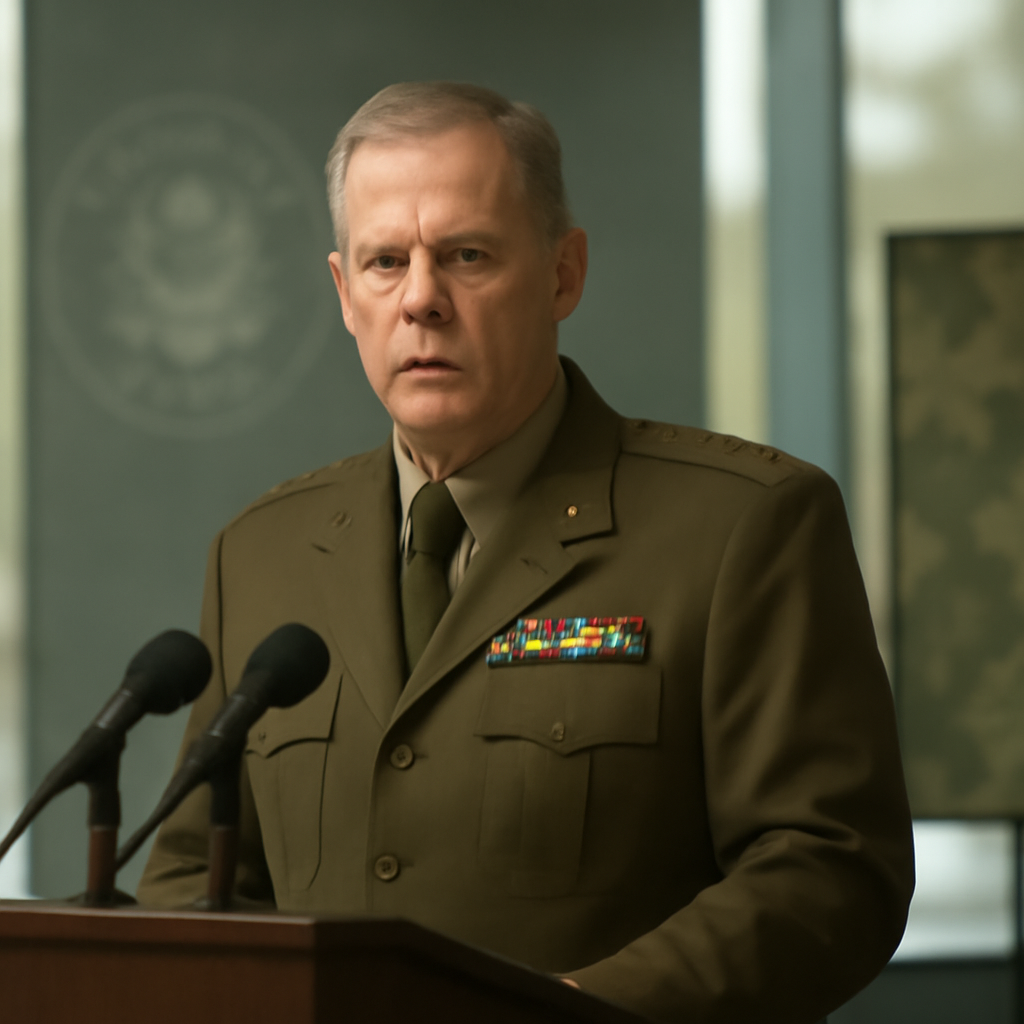
"building the human architecture that keeps the Indo-Pacific safe," said Major General Patrick Ellis as he opened the expanded Super Garuda Shield exercises — a phrase that captures why Jakarta and Washington are deepening routine military ties even as Indonesia maintains a broad portfolio of defense partners.
Scope and scale of Super Garuda Shield
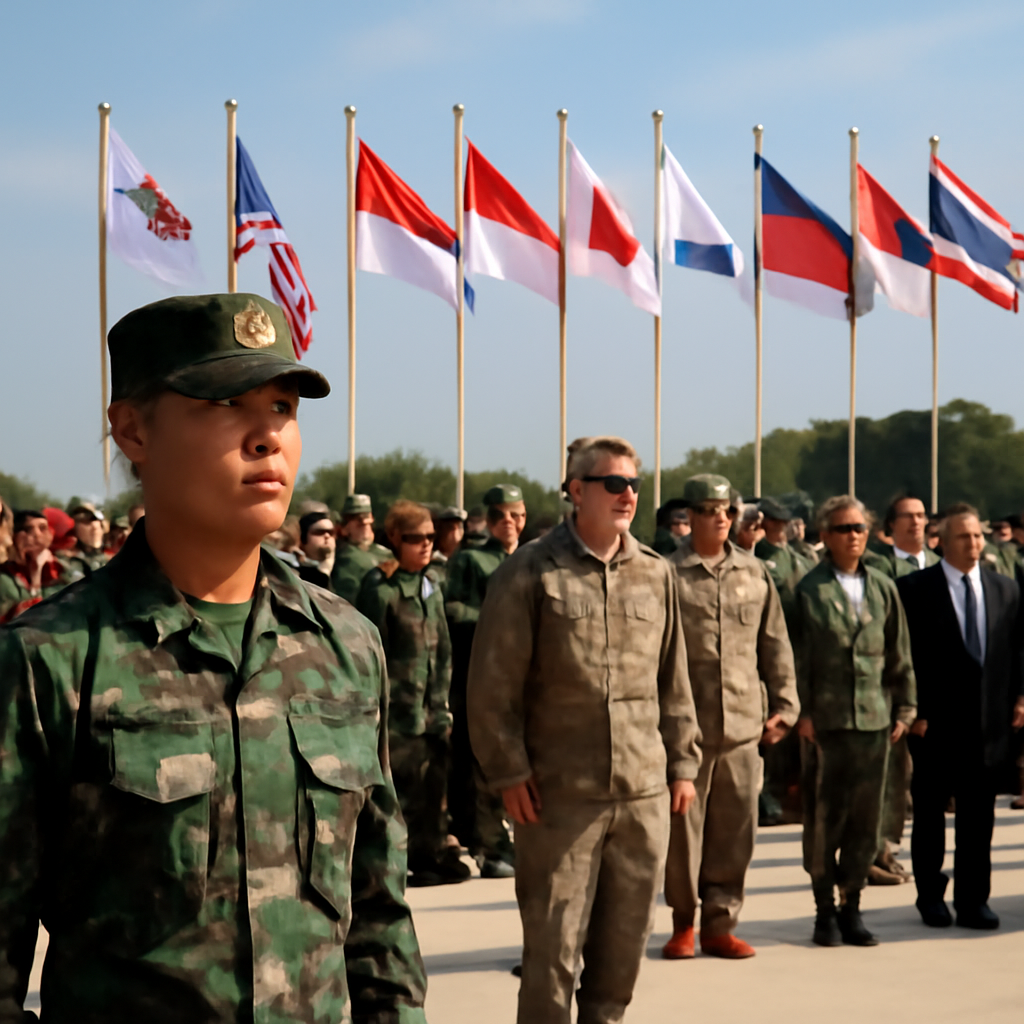
Super Garuda Shield launched yesterday and will run through a concluding event in Jakarta on September 11. The annual exercise, established between the United States and Indonesia in 2007 and expanded to a multilateral format in 2022 when "Super" was added to the name, this year involves more than 4,743 personnel from 13 other countries, with an additional eight nations attending as observers. While the total number of troops is slightly down from last year’s record of 5,400 participants, the exercise now includes more participating nations than ever, and India is taking part as an observer for the first time.
Where and how the drills will be conducted
Training is dispersed across multiple Indonesian locations: Bandung, Lampung, Kalimantan, and the Indonesian Army’s Baturaja Combat Training Center in South Sumatra, before the September 11 conclusion in Jakarta. The U.S. Army summarized the program as including a joint staff exercise, cyber exercise, airborne operations, jungle training, and an amphibious exercise. U.S. Navy and U.S. Coast Guard personnel will conduct coordinated maritime training serials with the Indonesian Navy in adjacent waters to "strengthen joint interoperability at sea."

This site is the portfolio.
OSINTSights runs on Cloudflare Workers, D1, R2, and Vectorize, with an AI pipeline on Hetzner ARM. Nubivance designed, built, and operates it. We do the same for clients.
See what we buildWhat participants will practice
Beyond conventional combined-arms and amphibious work, participating forces will undertake special forces infiltration drills and cyber defense exercises, fire Stinger missiles, and rehearse humanitarian assistance and disaster relief operations. The mix of kinetic, cyber, special operations, and maritime training underscores the exercise’s dual emphasis on tactical interoperability and noncombat readiness such as disaster response.
Major Defense Cooperation Partnership and political context
This expanded iteration is the first to take place since Indonesia and the United States established a new defense cooperation pact in April called the Major Defense Cooperation Partnership (MDCP). According to the pact’s description in the source material, the MDCP is intended to bolster cooperation in Indonesian military modernization and to increase training, joint exercises, and professional military education with the aim of "maintaining peace and stability" in Asia. Indonesian Defense Minister Sjafrie Sjamsoeddin and U.S. Secretary of War Pete Hegseth said at the time that they "have also committed to enhance joint special forces training," and to expand existing multilateral exercises, including Super Garuda Shield.
Indonesia’s diplomatic balancing with China and Russia
Officials in Jakarta continue to emphasize diplomacy first. TNI Commander General Agus Subiyanto said the exercise’s purpose is "first, diplomacy, and then cooperation through the exchange of capabilities." That posture is reflected in parallel engagements: on the same day the MDCP was signed, President Prabowo Subianto was hosted at the Kremlin by Russian President Vladimir Putin, and last month Indonesia agreed to boost military ties with China during a visit by China’s foreign and defense ministers. The two sides agreed to increase joint exercises and officer exchanges and discussed a joint munitions factory in Indonesia with a possible transfer of technology. In August, an Indonesian frigate conducted a joint navigation exercise with China’s People’s Liberation Army Navy in waters east of Taiwan — the first time China had exercised with a foreign military in that area — and later this year China and Indonesia are scheduled to hold their Heping Garuda joint military exercises, which earlier focused mainly on humanitarian aid and disaster relief.
What this means for U.S. forces, the Indonesian military, and regional observers
- U.S. forces: The exercises provide opportunities to practice maritime interoperability, cyber defense, airborne and amphibious operations, and joint special forces work at scale, aligning with the MDCP’s emphasis on increased training and professional military education.
- Indonesian National Armed Forces (TNI): Hosting distributed exercises across Bandung, Lampung, Kalimantan, and South Sumatra enables the TNI to showcase diplomacy through defense engagement while exercising capability exchanges, disaster relief procedures, and joint operations with multiple partners.
- Regional observers (including first-time observer India): Observing a larger multilateral Super Garuda Shield gives military and diplomatic delegations direct exposure to combined staff work, cyber and maritime serials, and the operational effects of the MDCP as it is implemented.
The expanded Super Garuda Shield this year is a visible enactment of the MDCP and of Indonesia’s deliberate balancing act: enlarging interoperability with the United States while sustaining and deepening separate security engagements with China and Russia. The exercise’s geographic spread, the inclusion of new observers, and the mix of kinetic and non-kinetic training raise immediate practical questions about sustaining interoperability across many partners and about how the MDCP will shape longer-term modernization — questions set to be tested as the drills conclude in Jakarta on September 11.