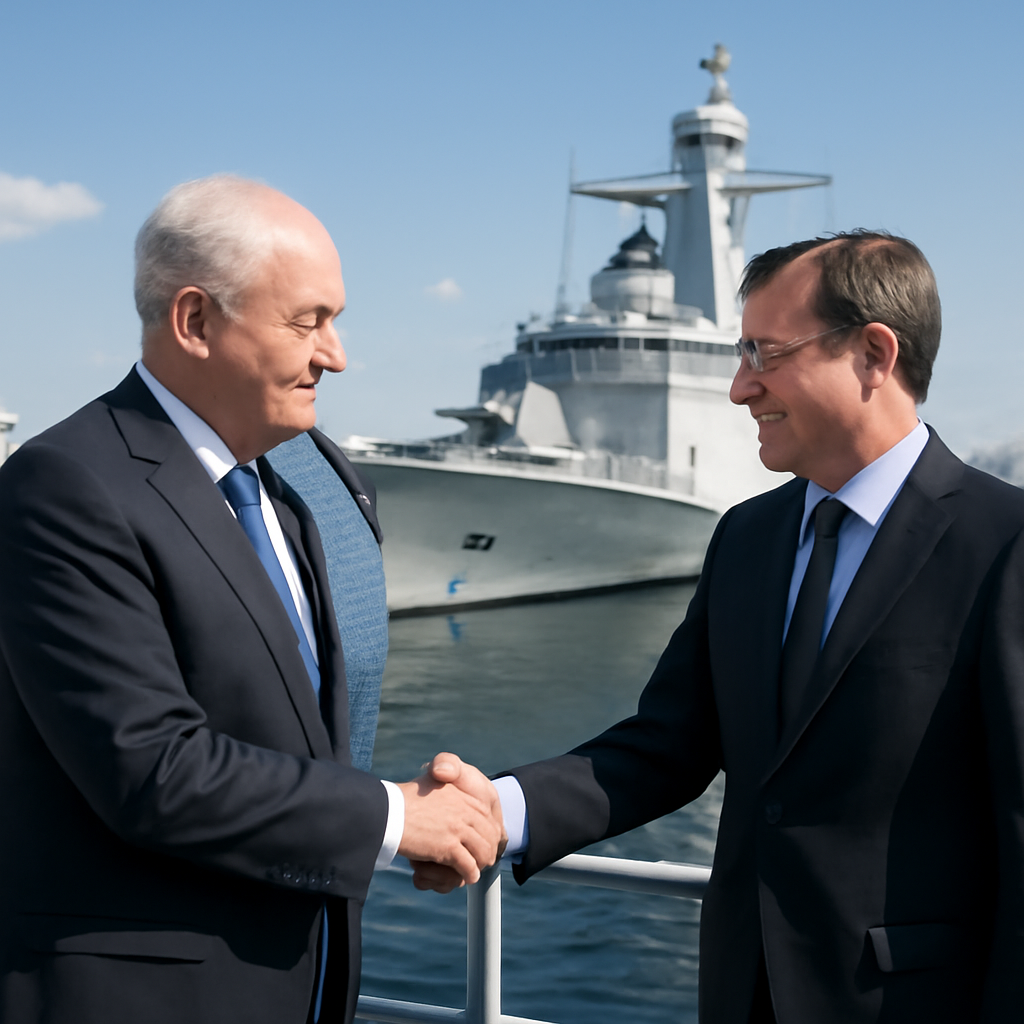
Eight months: that was the interval between Australia’s announcement on 5 August 2025 that it had chosen Japan’s Upgraded Mogami-class frigate for its next program and the signing, on 18 April, of the Mogami memorandum aboard the JS Kumano — a pace the source describes as “a testament to the hard work and shared focus of ministers, officials and businesspeople in both countries.” The memorandum and the contract signed the same day with Mitsubishi Heavy Industries set the first ship to arrive in 2029 and committed both governments to delivering the first three frigates in record time.
The Mogami memorandum and what rapid delivery signalled
The signing aboard JS Kumano by defence ministers Richard Marles and Shinjiro Koizumi crystallised a will to move quickly from announcement to execution. The source stresses that such programs usually move more slowly, and holds up the Mogami process as a catalyst: a concrete example both governments can point to as proof the relationship can deliver tangible defence-industrial results on compressed timelines. That momentum is now being pitched as the starting gun for broader, strategic cooperation.
Propulsion and guided weapons: engines and rocket motors
One immediate industrial opportunity identified in the source is propulsion components. Japan’s IHI rocket motors and Kawasaki Heavy Industries’ KJ-series small jet engines are named as potential inputs to Australia’s domestic production ambitions under its Guided Weapons and Explosive Ordnance program. The framing is pragmatic: both countries operate “in the same strategic environment” and “use the same US system of weaponry,” making industrial linkages in propulsion and guided weapons a logical next step.

This site is the portfolio.
OSINTSights runs on Cloudflare Workers, D1, R2, and Vectorize, with an AI pipeline on Hetzner ARM. Nubivance designed, built, and operates it. We do the same for clients.
See what we buildGCAP and air combat collaboration
The Global Combat Air Programme (GCAP) — Japan, Britain and Italy’s effort to develop a sixth‑generation fighter — is identified as another avenue for Australia-Japan engagement. The source notes an opening: Australia “may already be watching it closely,” and flags that Canada became a formal GCAP observer nation in July. Bringing Australia into GCAP, the piece argues, would be a way to deepen high-end aerospace cooperation beyond shipbuilding.
AI, quantum and science linkages
Artificial intelligence and quantum technology emerge as dual pillars for deeper cooperation. The source cites Japanese AI firms as being “at the cutting edge,” and specifically notes that the CEO of Sakana AI participated alongside leaders from US companies such as Anthropic in a G7 roundtable on the safe adoption of AI attended by Prime Minister Sanae Takaichi. Australia is presented as an attractive partner because of its geography, resources and appeal to skilled workers. A July agreement signed in Sydney by science ministers Tim Ayres and Kimi Onoda is already followed by industry-academic cooperation: Fujitsu agreed to work with Monash University and the Commonwealth Scientific and Industrial Research Organisation on quantum technologies.
Drones, munitions models and supply‑chain security
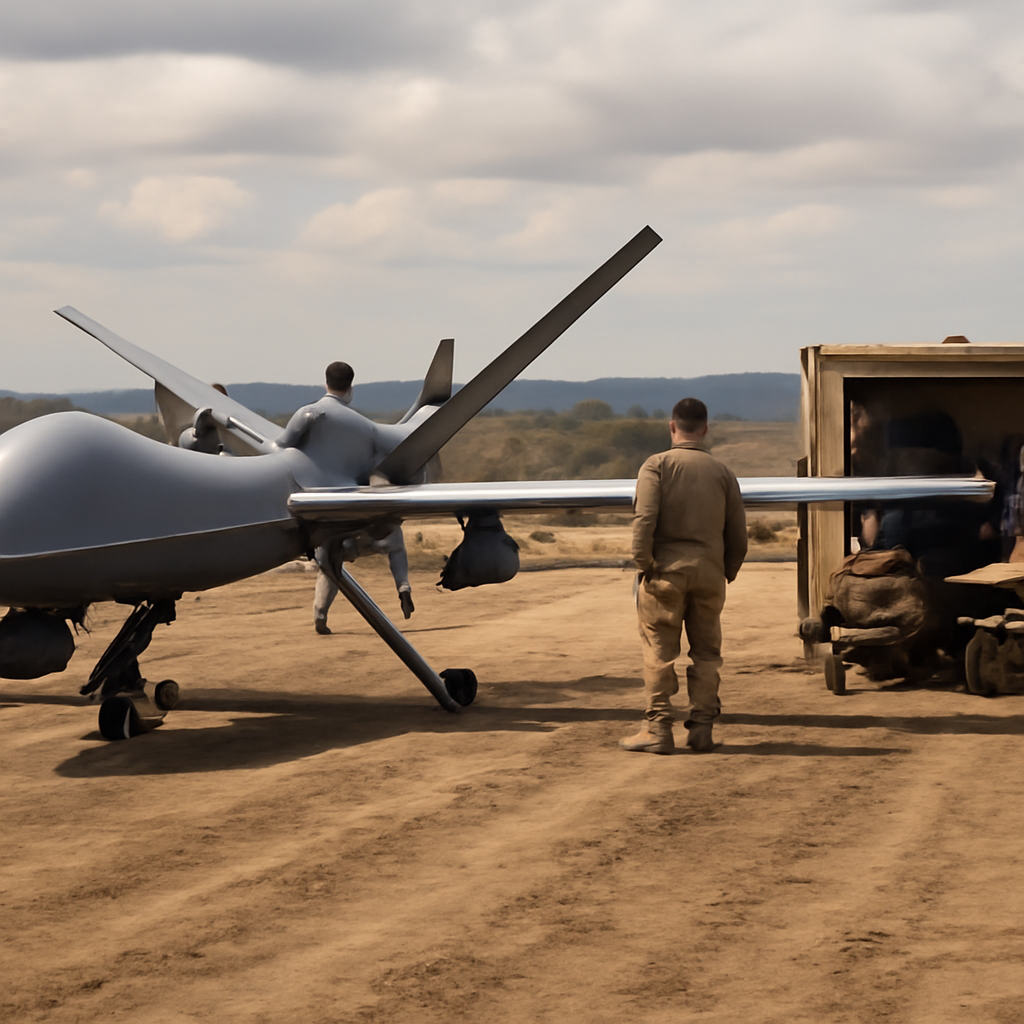
The source lays out several linked priorities: collaborative work on the MQ-28 Ghost Bat — noted in April as the subject of a new framework for joint activities — plus Japanese interest in Australian low-cost loitering munitions (Innovaero) and counter-drone systems. On munitions, Tokyo’s desire to strengthen supply chains dovetails with two Australian ownership models: a government-owned, contractor-operated (GOCO) approach under development with Thales and Nioa for ammunition production, and a company-owned, company-operated (COCO) model embodied in the Rheinmetall Nioa Munitions joint venture for artillery shells. Finally, supply-chain security is foregrounded: Australia is identified as a major supplier of critical minerals that Japanese defence companies could use in producing equipment for both countries.
The source recommends that Australia and Japan publicly identify some or all of these areas as priorities to “inform, galvanise and incentivise defence industry,” and urges fast-track systems to facilitate the sharing of classified information between defence industries in both countries. It links these proposals to the leaders’ statement from the May summit in which Prime Minister Anthony Albanese and Prime Minister Takaichi pledged to deepen cooperation and spoke of bilateral “strategic depth.”
For policymakers and procurement leaders, the immediate task outlined by the source is program alignment: use Mogami as a template for contracts, timelines and shared industrial roles. For technologists and industry executives, the source points to concrete partnership openings — engines and rocket motors, GCAP observation and participation, AI and quantum joint ventures, drone systems and munitions manufacturing arrangements — each with procurement and security implications. For defence forces, the practical payoff described is enhanced deterrence and more reliable access to weapons and components at a time when US resupply is constrained by conflicts in Ukraine and the Persian Gulf.
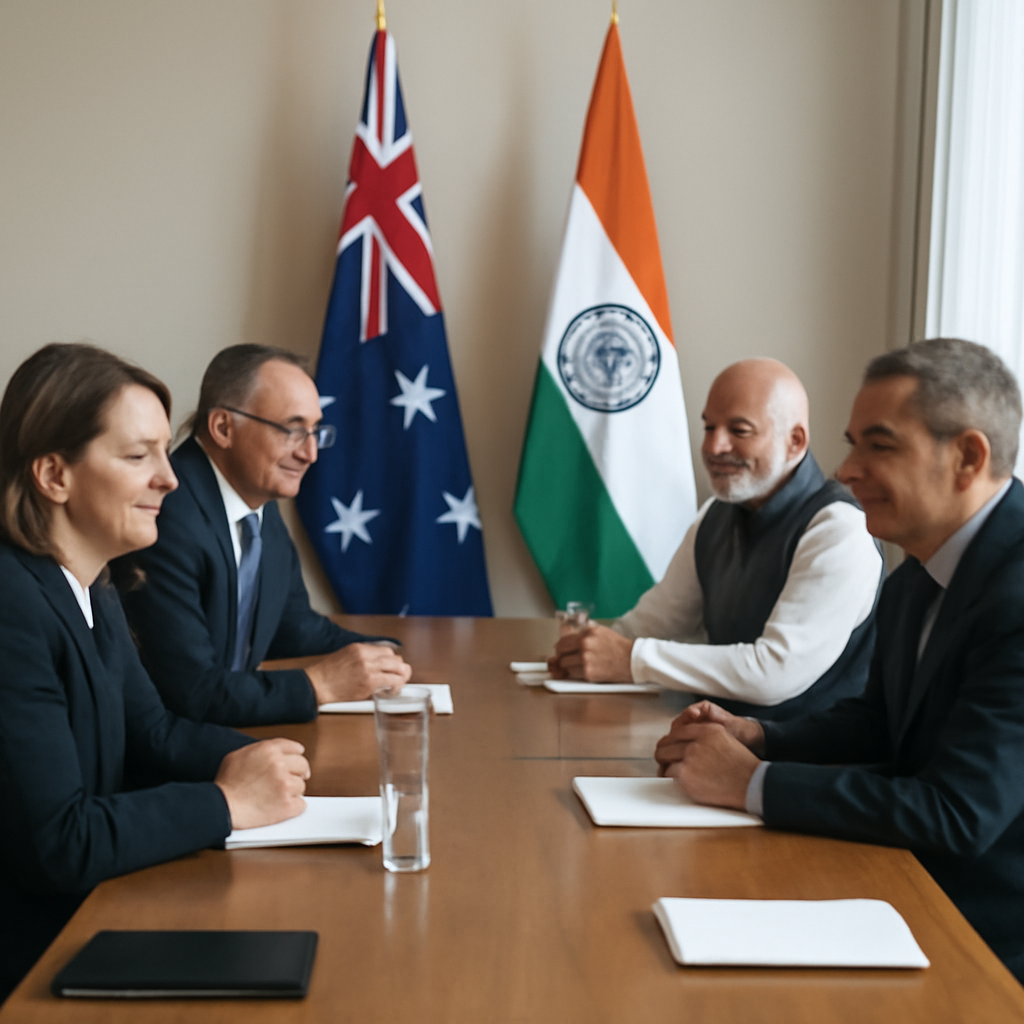
The meeting in Canberra between Marles and Koizumi is presented in the source not as a standalone event but as the next deliberate step: an opportunity to convert momentum from Mogami into a defined set of industrial commitments across propulsion, air combat, AI, drones, munitions and supply chains — and to build the “strategic depth” the leaders endorsed in May.