“Current rates project only 14 publicly reported transits for the entirety of Trump 2.0,” the authors note — a steep drop from 28 under the first Trump administration and 32 under the Biden administration.
Transit counts: 28, 32, and a projected 14
Data compiled from official statements, news reports, US naval press releases and existing databases — including the Taiwan Security Monitor — show a sharp decline in publicly declared US naval transits through the Taiwan Strait. The analysis tracked 28 transits during the first Trump administration and 32 during the Biden administration. By contrast, the present pace projects only 14 publicly reported transits across the entirety of the second Trump administration, roughly a 50–56 percent decline versus the previous two administrations.
December 2025 exercises: a mock comprehensive blockade
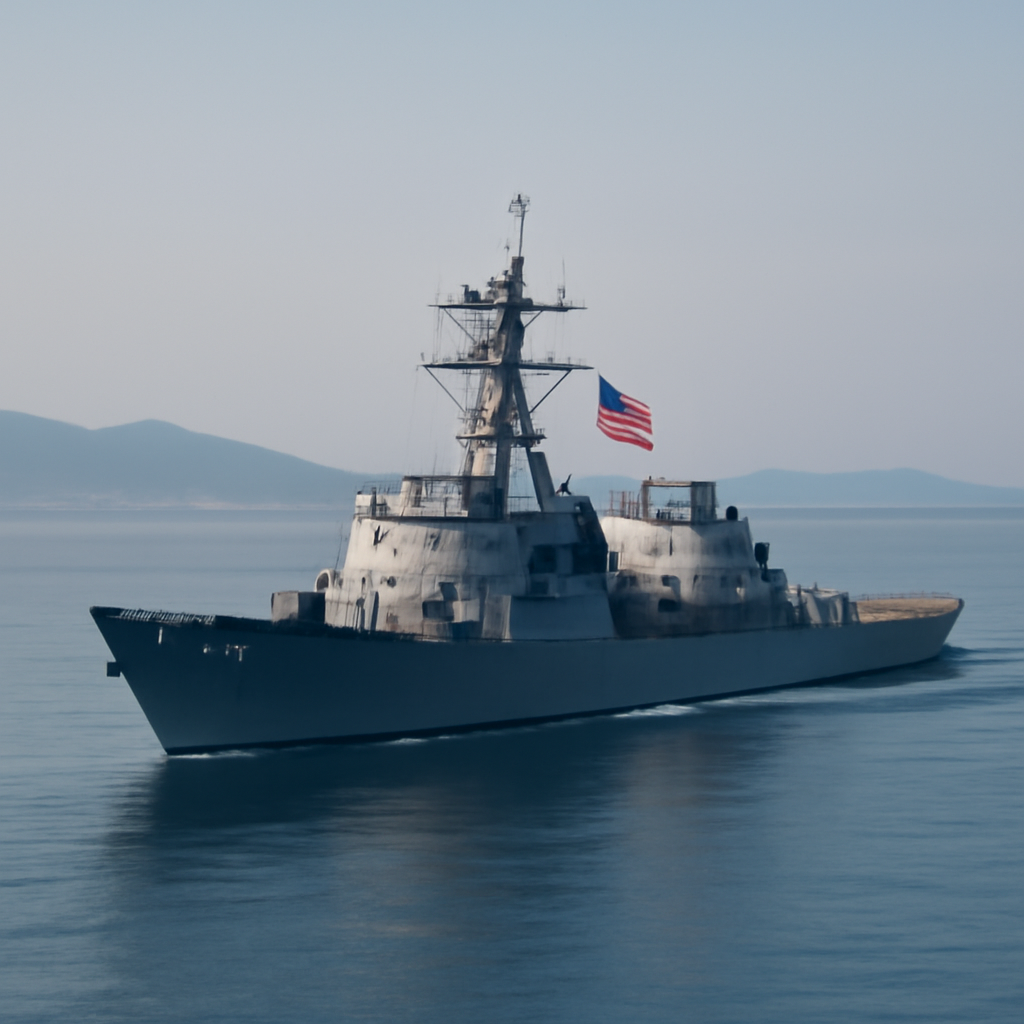
In December 2025, Chinese military exercises around Taiwan included, for the first time, a mock comprehensive air and naval blockade of the island. Weeks later, a pair of US naval vessels conducted what the source describes as the first naval transit of 2026. Those two facts — a Chinese rehearsal of blockade tactics and a lone publicly announced US transit — frame the current operational moment in the Strait.

Audit-ready is a season. It shouldn't be.
Evidence in spreadsheets, controls drifting between audits, frameworks multiplying on flat headcount. Nubivance runs continuous compliance on Rapid7 Cyber GRC - SOC 2, HIPAA, ISO 27001, PCI, CMMC.
End the scrambleOperational effects and the risk to experience
Transits serve two practical purposes in the source’s account: they contest Beijing’s unilateral maritime claims and provide the US Navy with operating experience navigating the Strait. The report warns that a prolonged decline in publicly announced transits could deprive Washington of that experience and “possibly embolden Beijing to pursue coercive, illegal and destabilizing military activities with greater confidence.”
The Department of Defense’s 2025 China Military Report is cited as finding that China’s maritime activity around Taiwan has set “successive yearly highs,” including “daily activity around the island, near weekly joint combat patrols, and response exercises conducted during periods of heightened political tensions.” The article also states that on any given day “roughly five or six warships surround Taiwan at all times,” reinforcing the claim that Chinese forces have become routine fixtures in the area.
Silent transits, public signaling, and allied perceptions
Analysts interviewed for the piece offer competing interpretations. Some posit that the drop in publicly advertised transits stems from an increase in “silent transits,” where the Pentagon declines to publicize passages to dampen tensions with Beijing. The article points to a September 2025 transit by the USS Higgins and HMS Richmond that “was not publicly advertised but later confirmed through a Pentagon official,” noting no US Navy press release accompanied that passage.
But the authors emphasize that publicly declared operations carry a different strategic weight: they are visible, routine signals of non-recognition of Beijing’s unilateral claims. Taiwan’s Ministry of Foreign Affairs lauded a joint US-Canadian transit in October 2024 as demonstrating “concrete actions to safeguard Taiwan Strait peace,” and described that passage as “the fourth joint transit in under two years.” The article argues that a sudden drop in public transits risks degrading perceptions of American priorities and credibility among allies and partners.
What this means for Taipei, the Pentagon, and Beijing
- Taipei: Taiwan’s Ministry of Foreign Affairs publicly praised joint transits in 2024 as “concrete actions to safeguard Taiwan Strait peace,” indicating that visible US naval activity is a diplomatic reassurance to Taiwan.
- The Pentagon: The source warns the Pentagon could lose operating experience if public transits decline and urges a return “to the standard tempo of publicly announced routine transits established across the last two administrations.” The analysis also notes that fewer public transits could invite misinterpretation of US strategy.
- Beijing: The article references China’s public denunciations of transits and its complaint that Washington creates “public hype,” and suggests that a decline in visible transits, when paired with the Trump administration’s expanded receptivity to diplomatic and economic cooperation with Beijing, could be read by Beijing as reduced US resolve.
The record assembled in the piece is stark: Chinese forces have increased daily pressure around Taiwan while publicly declared US transits have fallen by half or more. Whether that pattern reflects a deliberate shift toward quieter operations or an actual retreat in visible presence has strategic consequences the authors say Washington should treat seriously. The recommendation is explicit — the Pentagon should return to the prior tempo of routine, publicly announced transits — leaving a clear question for policymakers: will public signaling of navigational rights resume, or will silence become the new norm?