Darwin and Pitch Black: a visible theatre for deeper ties
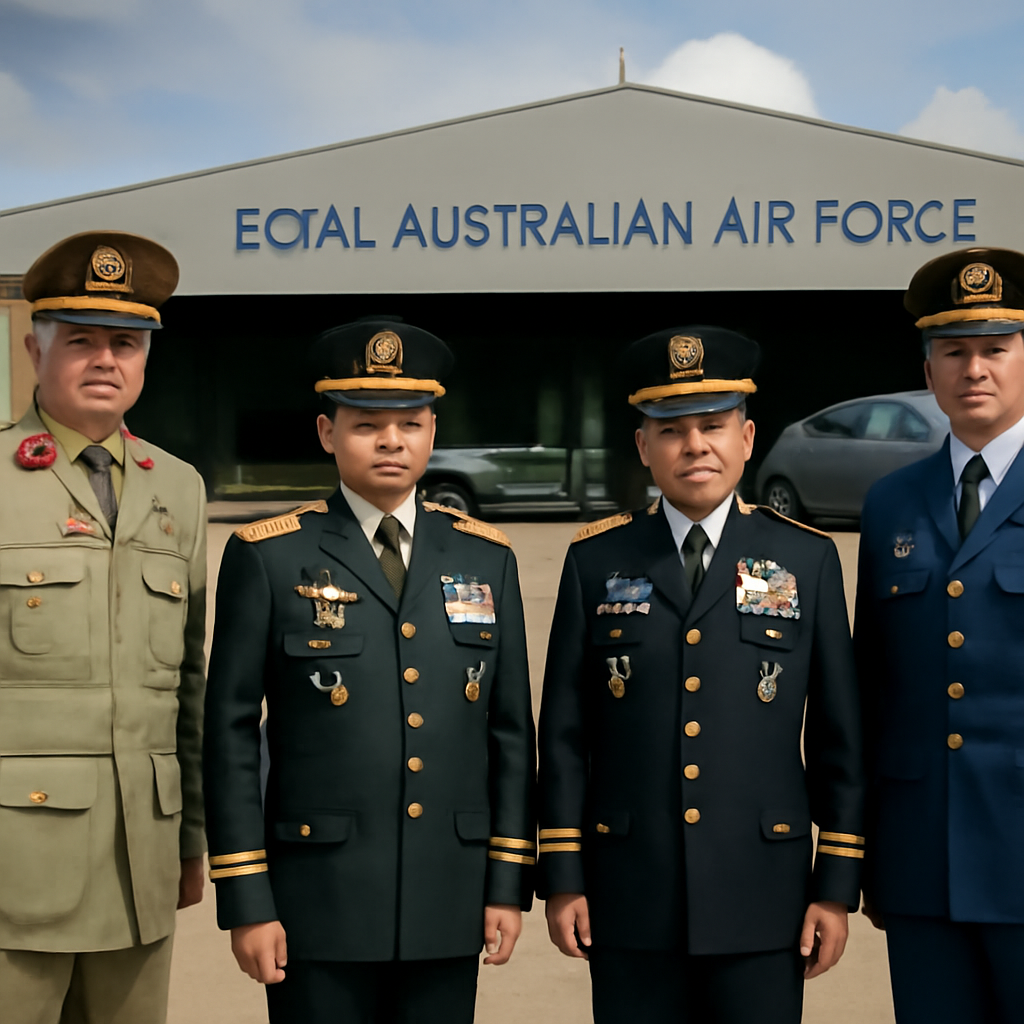
Teodoro visited Darwin on 6–7 August 2026 at the tail end of Exercise Pitch Black 2026, where Australia hosted 21 nations. His meetings with Marles used that setting to showcase northern Australia as a growing hub for engagement with Southeast Asian partners. ASPI senior analyst Gatra Priyandita argued the visit let Canberra "display the role it covets" — not only as a bilateral partner but as "an organiser of collective capability." The meeting, timed on the margins of a large multilateral exercise, underscored how Australia is positioning itself as a focal point for multilateral activity that deference to ASEAN-led mechanisms such as the upcoming ADMM-Plus maritime security activity in September.
From increased tempo to routine interoperability
Since Canberra and Manila upgraded relations to a Strategic Partnership in 2023, Fitriani, a senior analyst at ASPI, noted a rising tempo and complexity in joint exercises, maritime cooperative activities and personnel exchanges. That increasing frequency, she said, now needs to be translated into routine interoperability: logistics, access, information-sharing, joint planning and incident response. Teodoro emphasised convergence beyond defence — including humanitarian assistance and disaster relief — which Fitriani singled out as an avenue to extend cooperation into maritime security, cyber resilience and critical infrastructure.

Audit-ready is a season. It shouldn't be.
Evidence in spreadsheets, controls drifting between audits, frameworks multiplying on flat headcount. Nubivance runs continuous compliance on Rapid7 Cyber GRC - SOC 2, HIPAA, ISO 27001, PCI, CMMC.
End the scrambleCollective maritime deterrence and UNCLOS
David Dutton highlighted the visit against a backdrop of recent incidents between Chinese and Philippine vessels in the South China Sea. The ministers’ joint statement characterised China’s actions as "aggressive, destabilising and dangerous," and reiterated support for freedom of navigation and the 2016 arbitral award. More concretely, Dutton pointed to progress on collective mechanisms: terms signed on 29 May set out an expanded four-country arrangement — the Philippines, Australia, Japan and the United States — under the Indo‑Pacific Chiefs of Defense Cooperation Council to conduct "multilateral maritime activities to sustain persistent, deterrence-reinforcing presence," including within the Philippine exclusive economic zone.
Taiwan, baselines, and a looming Defence Cooperation Agreement
Rachel Vandenbrink observed that Taiwan received limited public attention in the joint messaging; the statement only "cautiously affirmed the ‘importance of peace and stability across the Taiwan Strait’" and neither minister mentioned Taiwan at the press conference. Yet the analysts also cautioned that the militaries are practicing closer coordination across air, land and sea in ways that would matter in a Taiwan contingency. Both ministers expect a Defence Cooperation Agreement by year-end: Marles called it "transformative," while Teodoro said it would allow the two sides to work in "broader areas." Those steps — infrastructure support to Philippine bases and deeper operational coordination — are likely to shape the practical contours of any future crisis response.
What this means for the Philippines, Australia, and regional partners
- The Philippines: Domestic opinion tilts toward cooperation — a June survey found 86 percent of Filipinos agreed the government should defend the South China Sea with like-minded countries — and Manila is diversifying ties while preserving channels with Beijing. ASPI visiting fellow Eric Frecon warned Canberra not to mistake convergence for full alignment.
- Australia: Canberra gains a forward operating role and a "thickener" of regional architecture, leveraging Darwin, joint exercises and support for Philippine bases to sustain persistent presence and collective deterrence.
- Regional partners (Japan, United States): The 29 May terms for expanded four‑party coordination provide a formal mechanism for recurring multilateral maritime activities; ADMM‑Plus activities in September offer another institutional avenue for collective action under ASEAN-led structures.
Teodoro’s short visit to Darwin consolidated steps already underway — upgraded Strategic Partnership, new multilateral terms signed on 29 May, expectation of a Defence Cooperation Agreement by year-end, and an ADMM-Plus maritime activity in September — turning diplomatic language about shared rules and presence into tangible programs and plans. If the joint statement’s invocation of UNCLOS is to mean more than words, the coming months will show whether routine interoperability, base infrastructure and formal agreements translate into the "persistent, deterrence-reinforcing presence" the ministers described.