"North Korea’s naval modernisation is still in its early stages," observed the analysis — and yet the picture that emerges is not of a navy aiming to win a blue‑water war so much as one designed to complicate and consume allied attention.
Choe Hyon‑class destroyers: visible symbols, uncertain combat power
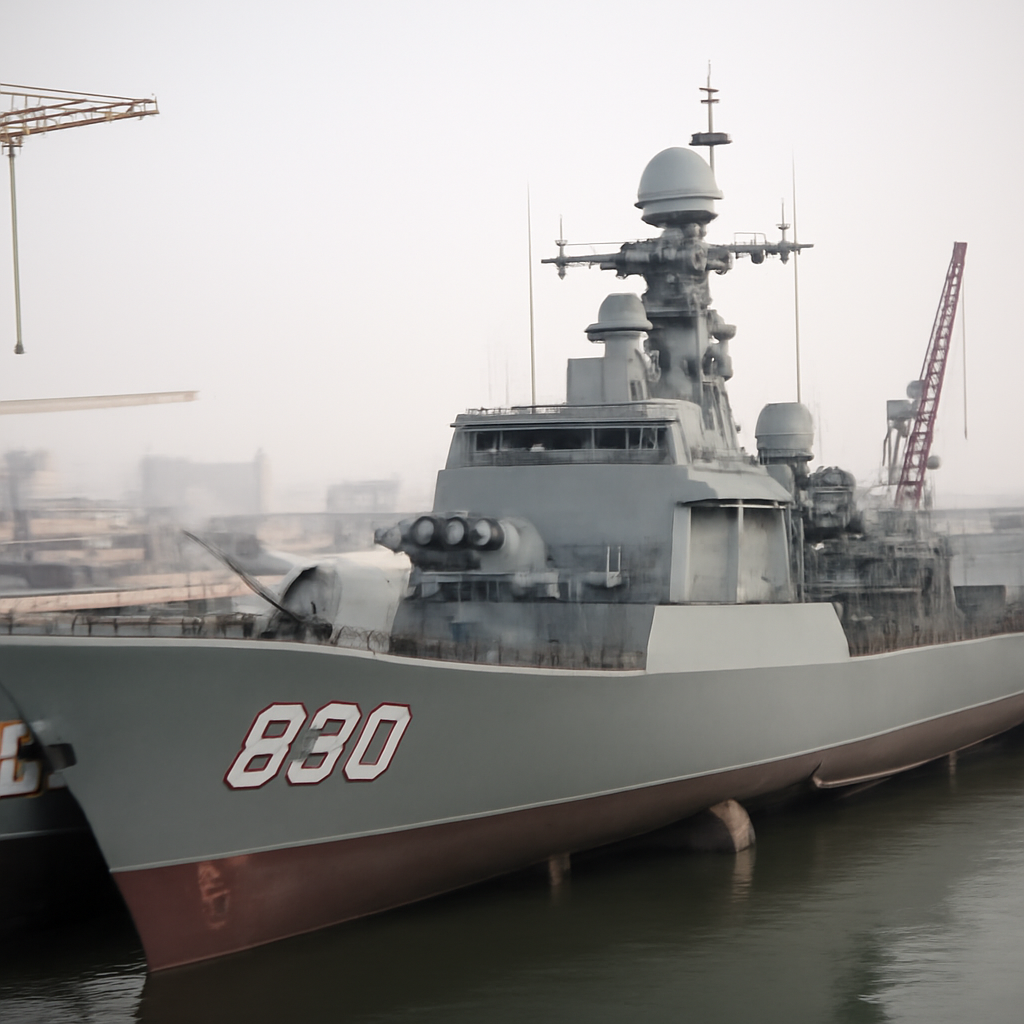
Pyongyang’s most visible naval step is the 5,000‑tonne Choe Hyon‑class destroyer series, first unveiled in 2024. The article records that the first of these destroyers was successfully launched in April 2025, while an accident during the launch of the second vessel exposed persistent weaknesses in North Korea’s shipbuilding capacity. The ships are presented as multi‑role platforms that North Korea says can carry anti‑air, anti‑ship, anti‑submarine and land‑attack weapons — potentially including nuclear missiles.
Those capabilities, if true, would make the destroyers useful beyond their survivability. Even vulnerable surface ships can force allies to divert intelligence, surveillance and targeting resources during a crisis; their value to Pyongyang may be measured as much in attention and operational friction as in combat endurance.
Undersea effort: an aging fleet, a new tactical nuclear‑attack boat, and uncertain SLBM work
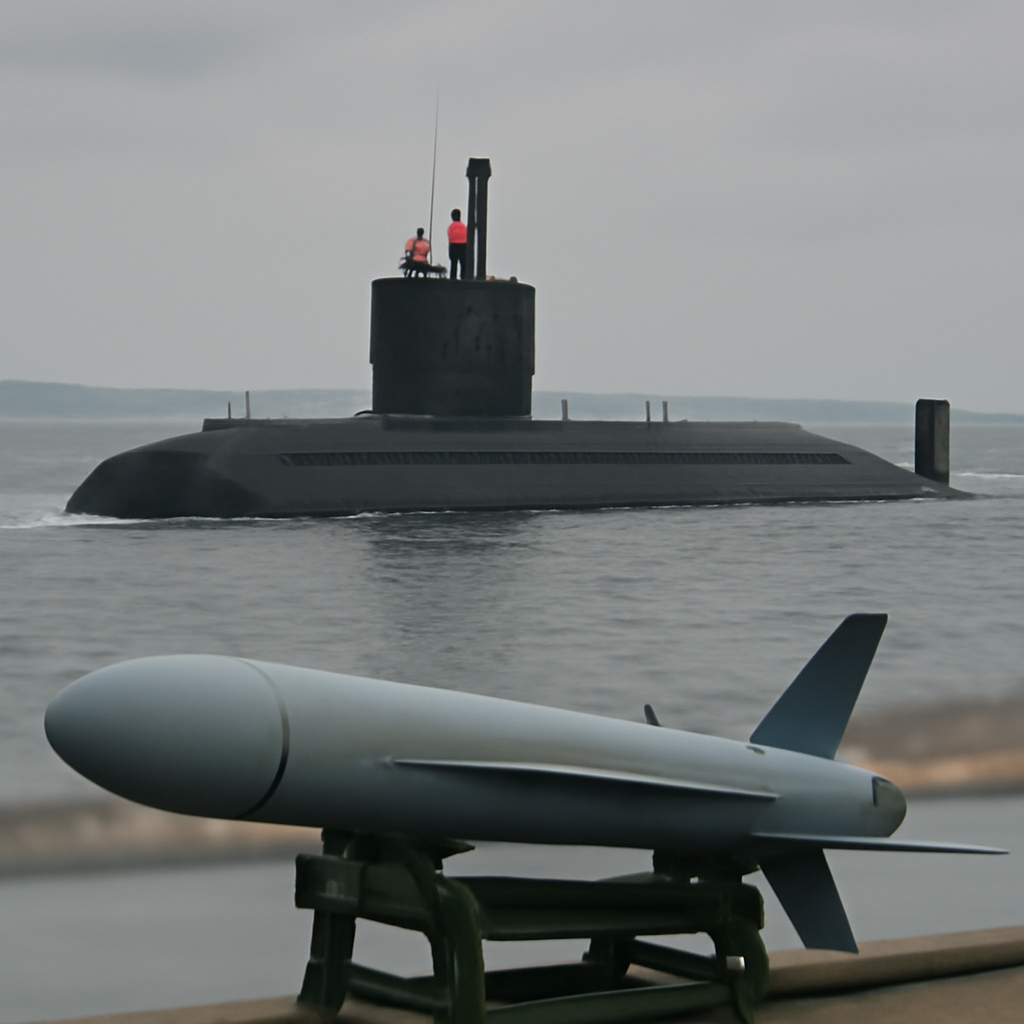
The review notes that Pyongyang operates a large but mostly obsolete submarine fleet while also pursuing new undersea platforms. It has launched the diesel‑powered Hero Kim Kun Ok, described in the piece as a tactical nuclear‑attack submarine, and has continued work on both submarine‑launched ballistic and cruise missiles. The analysis also points to what North Korea displayed as a nuclear‑powered submarine under construction.
None of these programs is presented as a proven, reliable operational capability. Still, the thread running through the activity is unmistakable: an attempt to move part of North Korea’s nuclear force to sea, increasing survivability and creating less predictable avenues of attack.

Audit-ready is a season. It shouldn't be.
Evidence in spreadsheets, controls drifting between audits, frameworks multiplying on flat headcount. Nubivance runs continuous compliance on Rapid7 Cyber GRC - SOC 2, HIPAA, ISO 27001, PCI, CMMC.
End the scrambleLayered maritime coercion: mines, coastal missiles, unmanned systems and more
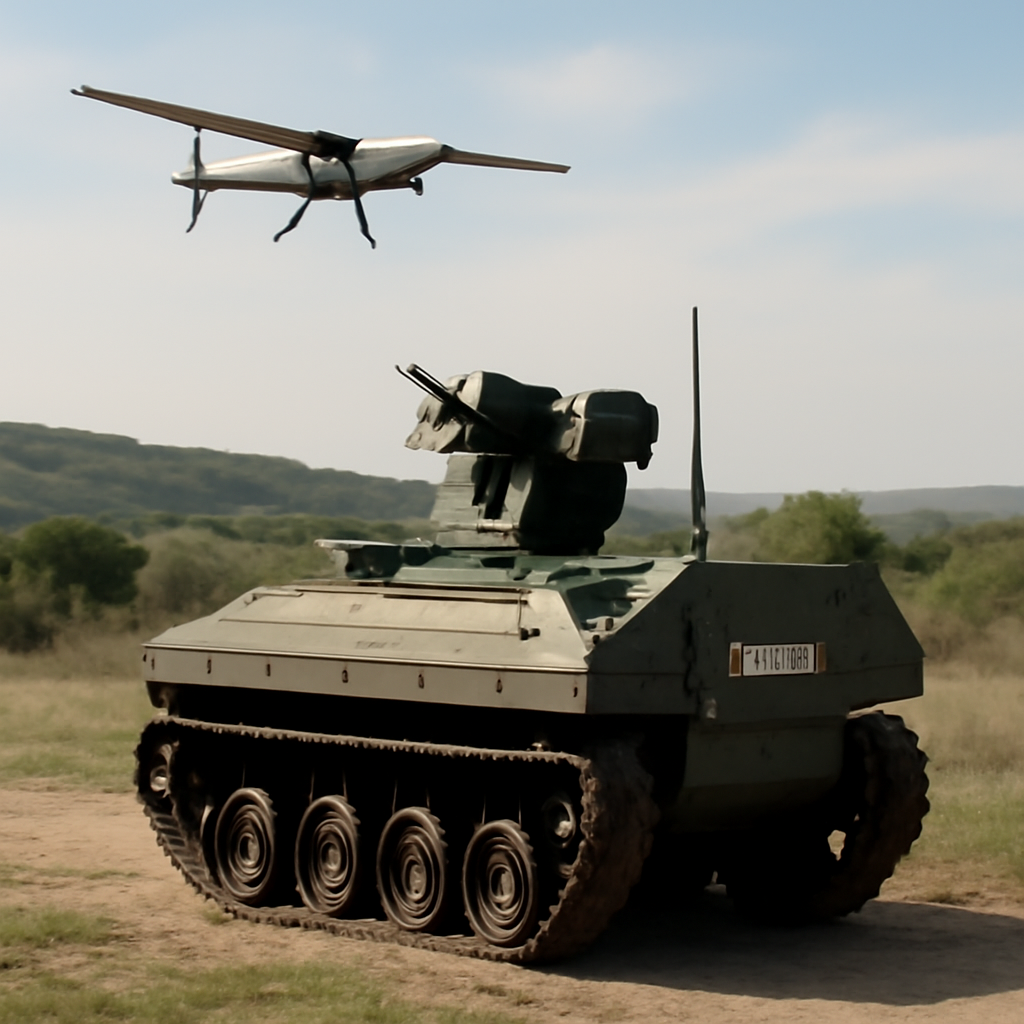
Rather than assembling a conventional blue‑water navy, North Korea appears to be constructing a layered maritime force. Missile‑armed destroyers, ballistic‑missile submarines, coastal anti‑ship missiles, sea mines, decoys and unmanned systems could be operated as interconnected parts of a broader coercive strategy. Used together, these systems could complicate allied access to ports, threaten reinforcement routes and delay naval operations near the peninsula.
The article stresses that individual platforms may remain vulnerable. But combined, they raise the operational cost and uncertainty for any force projecting power into waters near the Korean Peninsula.
Operational trade‑offs for allied planning
The strategic consequence is not just an incremental naval threat but a demand on allied surveillance and anti‑submarine warfare (ASW) assets. Allies would be pushed to monitor North Korean ports, shipyards, submarine bases and coastal operating areas continuously; additional maritime surveillance and ASW capabilities might be required to track potentially nuclear‑armed vessels.
Those demands grow most acute during simultaneous crises. The analysis lays out a scenario in which heightened activity on the Korean Peninsula coincides with a confrontation across the Taiwan Strait: increased North Korean submarine and surface activity could restrict the ability of the US and Japan to reallocate naval and surveillance assets elsewhere. Washington, the piece warns, would face hard choices about whether to retain scarce ASW and missile‑defence forces around the Koreas or to redirect them to a wider regional contingency — moves that would either weaken deterrence on the peninsula or reduce forces available for other contingencies.
What this means for Washington, South Korea, and Japan
- Washington: must weigh whether to hold ASW and missile‑defence assets in Northeast Asia or reassign them to other regional contingencies, accepting the attendant risks either way.
- South Korea: faces increased requirements for continuous monitoring of ports, shipyards and coastal operating areas to detect potentially mobile or seabased nuclear threats.
- Japan: shares the demand for expanded maritime surveillance and anti‑submarine capabilities to contend with a more distributed and ambiguous North Korean maritime posture.
The central paradox is clear in the analysis: Pyongyang may not need platforms that can defeat allied fleets. It needs systems that create uncertainty, complicate planning and broaden the ways nuclear escalation could be threatened. The naval transformation remains immature, uneven and technically fragile — but its potential to broaden the survivability and flexibility of North Korea’s nuclear arsenal argues against waiting until new ships and submarines are fully operational before adjusting allied strategy.