Tensions Rise as Indo-Pacific Exercises Test Alliances
Analyst 207||Source: ASPIStrategist
'“Consequences,” warned China's special envoy to the Pacific Islands, Qian Bo, over Palau's handling of Taiwan.' That single word, voiced in Koror last week, captures how routine diplomatic rhythms across the Indo‑Pacific are being sharpened into strategic signals.
Freedom Edge 26 and a reshaped exercise calendar
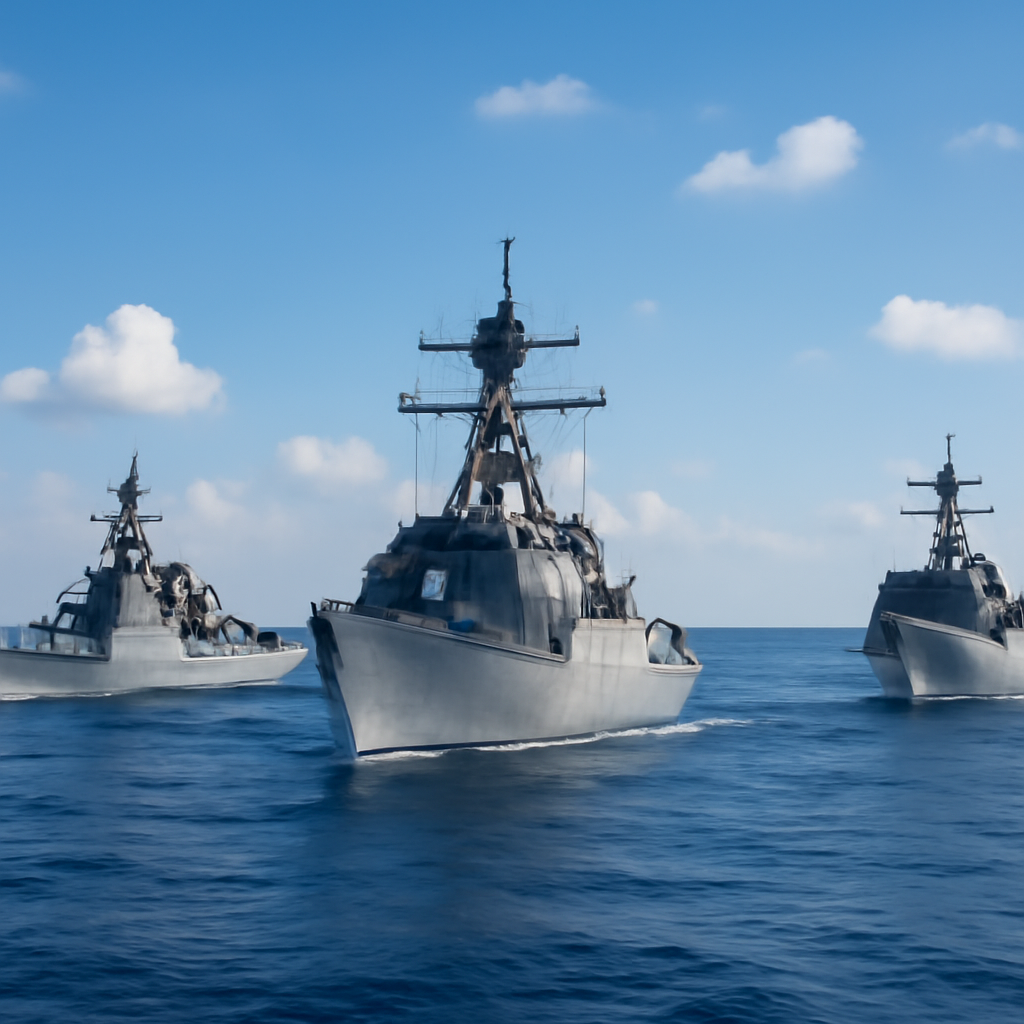
US Forces Japan says the combined US–Japan–South Korea multi‑domain exercise Freedom Edge 26 will proceed as planned in early September. Freedom Edge is smaller than Korea‑focused drills such as Ulchi Freedom Shield or the amphibious Ssang Yong exercise, but its remit is broad: practicing everything from defeating incoming ballistic missiles to anti‑surface warfare. ASPI notes that Freedom Edge builds interoperability across tasks that are as relevant to Korean‑peninsula contingencies as to hypothetical coalition operations elsewhere in the region. At the same time, other US and allied exercises this year—Rim of the Pacific and Balikatan among them—have run at unusually high tempo, signalling continued operational emphasis despite calendar changes elsewhere.
Ssang Yong cancelled as US assets were diverted to the Middle East
Seoul confirmed on 24 August that the biennial Ssang Yong amphibious exercise would be cancelled and, unconfirmed reports say, a national amphibious exercise may be substituted. The cancellation follows a directive from President Donald Trump that also saw this year’s Ulchi Freedom Shield cut short, ending on 21 August—six days early. ASPI reports the United States concluded in June that a prolonged commitment to the Iran conflict left them unable to spare forces expected for Ssang Yong. Units likely to have contributed—specifically the Okinawa‑based 31st Marine Expeditionary Unit and the USS Tripoli Amphibious Ready Group—were unexpectedly sent to the Middle East in March and only returned at the end of July, after what ASPI describes as a period in which “they saw a lot of action.”
[SPONSOREDNUBIVANCE]
The cyber insurance questionnaire just landed. Now what?
SOC 2, HIPAA, insurance renewals - someone has to own security strategy. Nubivance provides fractional CISO leadership without the full-time salary.
China’s South China Sea construction: Antelope Reef and Yagong (Ba Ba) Island
Satellite imagery in August shows extensive new work near the Paracels. Beijing appears to have completed first‑stage land reclamation at Antelope Reef—almost six square kilometres—making it the largest reclamation project in the South China Sea in recent years and roughly the size of Mischief Reef. Antelope Reef had deep‑water access and “room enough for a 3,000‑metre runway,” and ASPI notes “there are some signs that China’s already started building one.” About 16 km away, new construction on Yagong Island (Ba Ba Island to Vietnam, which has protested) includes installations that could be the beginnings of an early‑warning radar facility. ASPI frames these works as the biggest expansion of China’s military footprint in the South China Sea in a decade.
Indonesia’s diplomatic balancing and Super Garuda Shield
Indonesia continued to turn multiple diplomatic dials in the past fortnight. On 21 August its foreign and defence ministers met Chinese counterparts in Jakarta, agreeing to expand military training and exchanges and discussing defence technology transfers and joint munitions factories in Indonesia. On 26 August the same ministers met with Australia’s counterparts in Melbourne—Australia agreed to provide drones and coast‑guard training—and the three countries’ defence ministers held a surprise trilateral meeting with Japan’s defence minister joining online. The fortnight closed with the opening of exercise Super Garuda Shield on 31 August, a major multilateral exercise involving some 4,700 personnel from 13 countries. ASPI highlights Jakarta’s blend of security partnerships, energy ties with Russia, and industrial links with China as deliberate, pragmatic manoeuvring.
PIF in Palau: Taiwan’s high‑profile presence and Beijing’s pushback
The Pacific Islands Forum leaders meeting in Palau opened on 31 August with Taiwan’s foreign minister, Lin Chia‑lung, as a special guest—a step up from Taipei’s usual deputy‑level representation and the first ministerial appearance at a leaders meeting in a PIF host recognising Taiwan since 2019. Palau is one of three PIF members that maintain formal diplomatic ties with Taipei; ASPI quotes Palau’s president, Surangel Whipps Jr, saying Beijing was attempting to coerce his country over its recognition of Taiwan. China’s travel advisory urging caution for Palau visitors, and Qian Bo’s warning of “consequences,” are concrete levers Beijing could use. Attendance was lower than typical: Samoa, Vanuatu, New Caledonia and Fiji sent substitutes rather than heads of government; Kiribati sent its head of foreign service after a parliamentary vote to enshrine PRC recognition; Solomon Islands’ prime minister left abruptly to face a no‑confidence motion at home.
What this means for policymakers, militaries, and Pacific island governments
- Policymakers and defence planners: exercise calendars are now an indicator of capacity and political signalling. The cancellation of Ssang Yong and the curtailment of Ulchi Freedom Shield reflect both diverted US force commitments and diplomatic calculations in Seoul and Washington. Expect planners to treat exercise participation as a scarce resource tied to other crises.
- Militaries and interoperability teams: Freedom Edge and multilateral activities such as Super Garuda Shield are where technical and tactical cohesion is being preserved and advanced. Units returning from unexpected deployments—such as the 31st MEU and USS Tripoli group—will require time to reconstitute readiness for amphibious and landing operations.
- Pacific island governments: high‑visibility Taiwanese representation and Beijing’s vocal response in Palau underscore the political costs and benefits of recognition and engagement. Smaller states will continue to weigh economic ties—tourism and investment—against diplomatic choices that attract external pressure.
Conclusion
The fortnight ASPI surveyed shows a region in which diplomacy, force posture and infrastructure projects are reinforcing one another. Exercises are being kept where they sharpen interoperability for a range of contingencies; major reclamation and construction in the Paracels are reshaping maritime geometry; and small capitals like Palau are becoming focal points for geopolitical signalling. The immediate questions are concrete: will Freedom Edge proceed without further de‑scoping, will Antelope Reef’s apparent runway and Yagong’s new radar come online, and how will PIF members respond to Beijing’s warning? The answers will tell us which of these fault lines widen and which merely shimmer under pressure.
Source: ASPI — Fault Lines (21 August–3 September 2026)
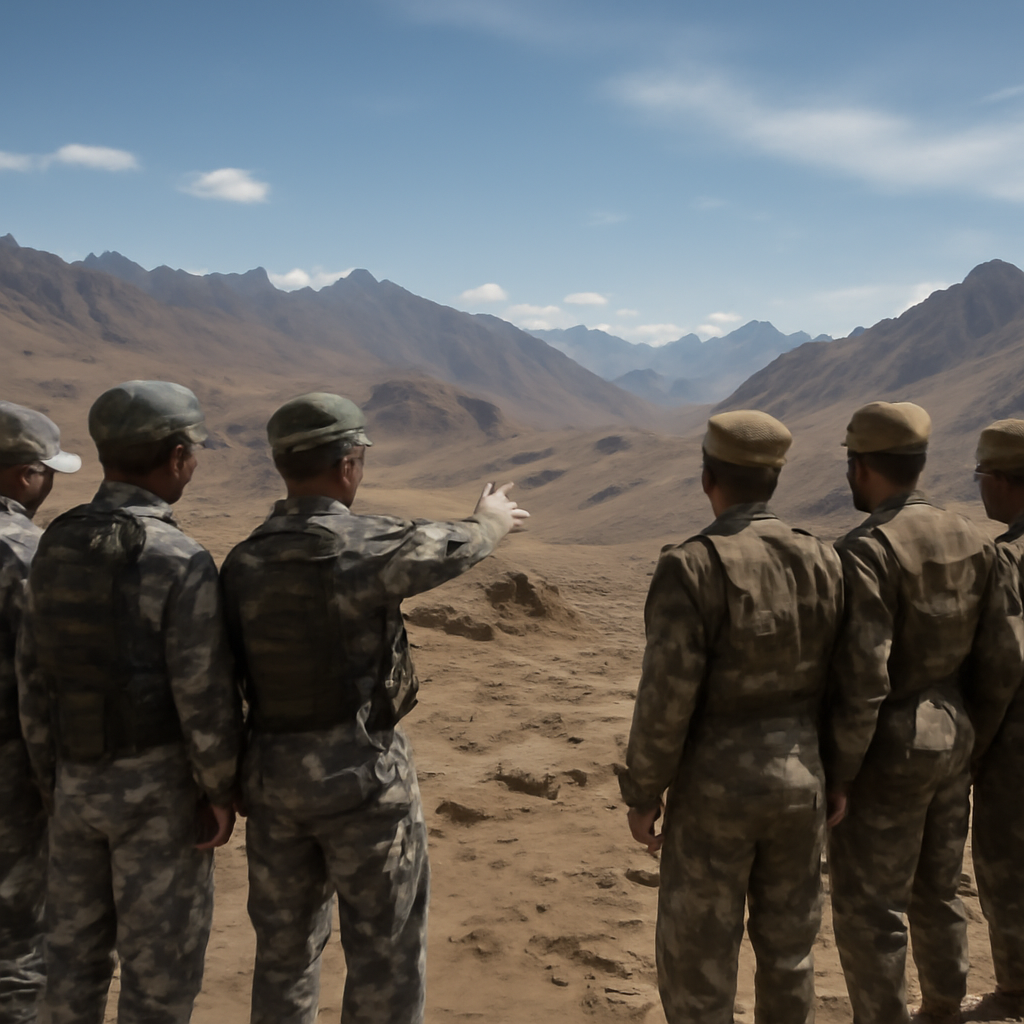
China and Pakistan are taking their military cooperation to the next level with Karakoram 2026, billed as the first-ever formal army-to-army ground exercise between the two nations, sparking concerns about increased surveillance and regional security.
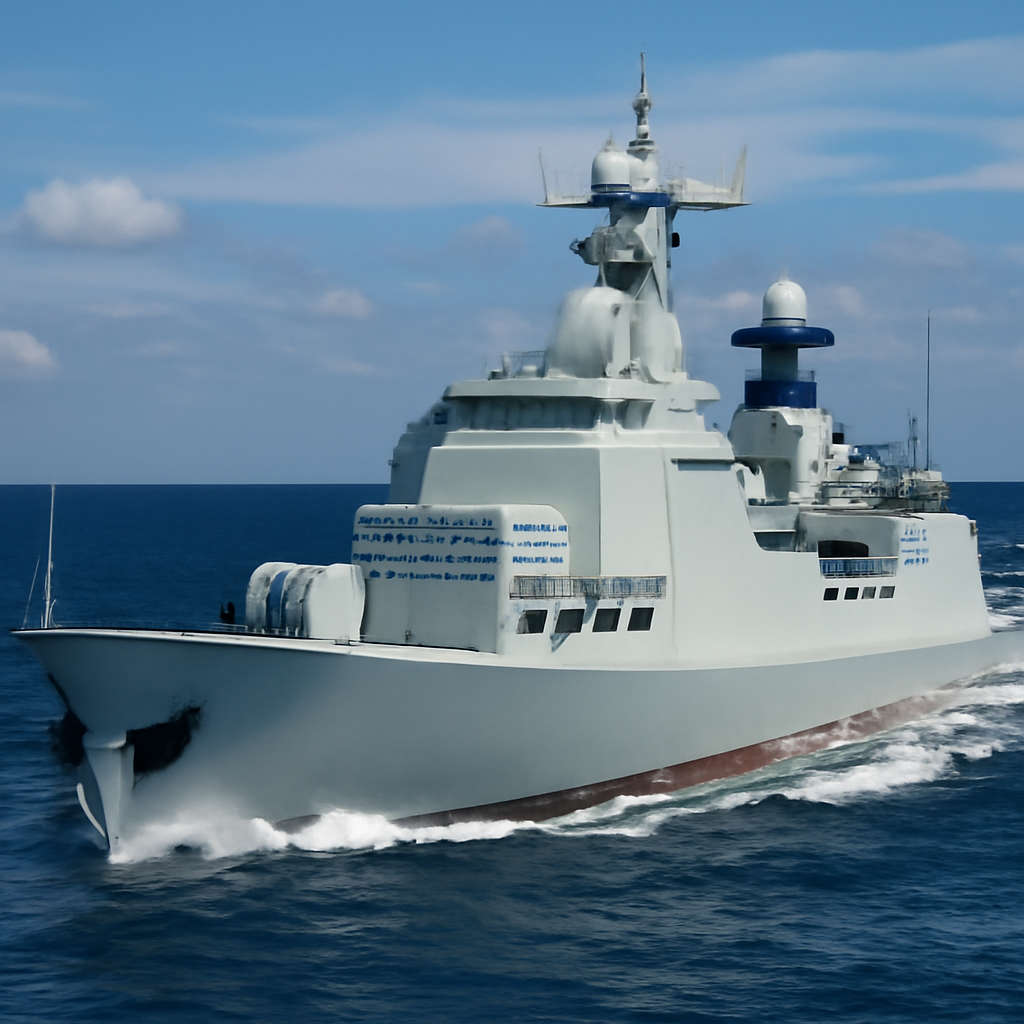
China is breathing new life into its naval fleet, and a recent photo of the Type 051C destroyer Shenyang at sea reveals some exciting upgrades that are leaving its legacy submarines in the dust. The Shenyang's makeover ditches its outdated S-300 system for four sleek HQ-10 short-range air-defense launchers.
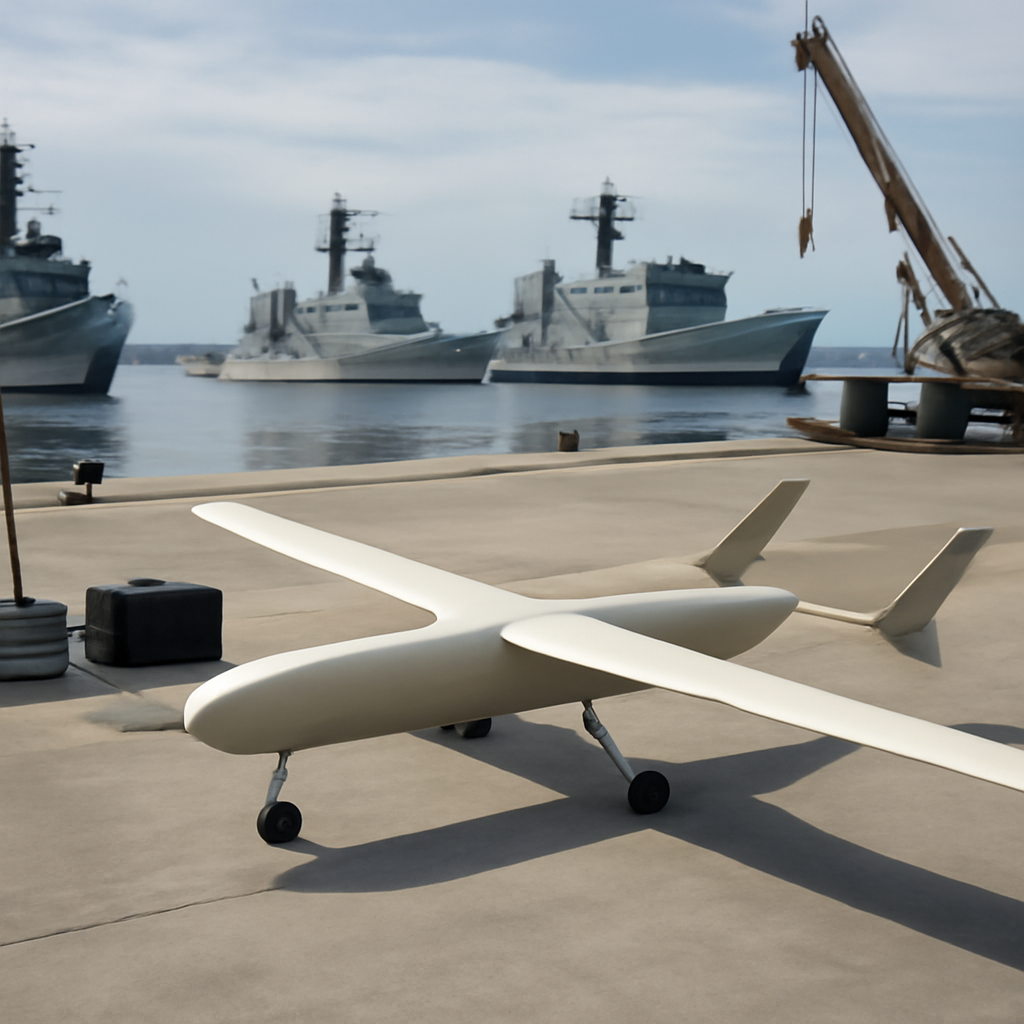
Pakistan is redefining its defence strategy, prioritizing cutting-edge capabilities like loitering munitions with mesh networking tech over mere numbers and platforms, as Admiral Naveed Ashraf steers the Navy towards a modernized, precision-driven approach. This shift is driven by fiscal constraints, making capability a key focus for the country's defence calculus.
The USS Abraham Lincoln has made history with a record-breaking 321-day deployment, sailing over 93,000 nautical miles and flying 14,037 sorties, including 4,000 combat missions, before returning home to a hero's welcome. This incredible feat cements the carrier's legacy as a powerful symbol of naval strength and endurance.