Tag: geopolitics
939 articles
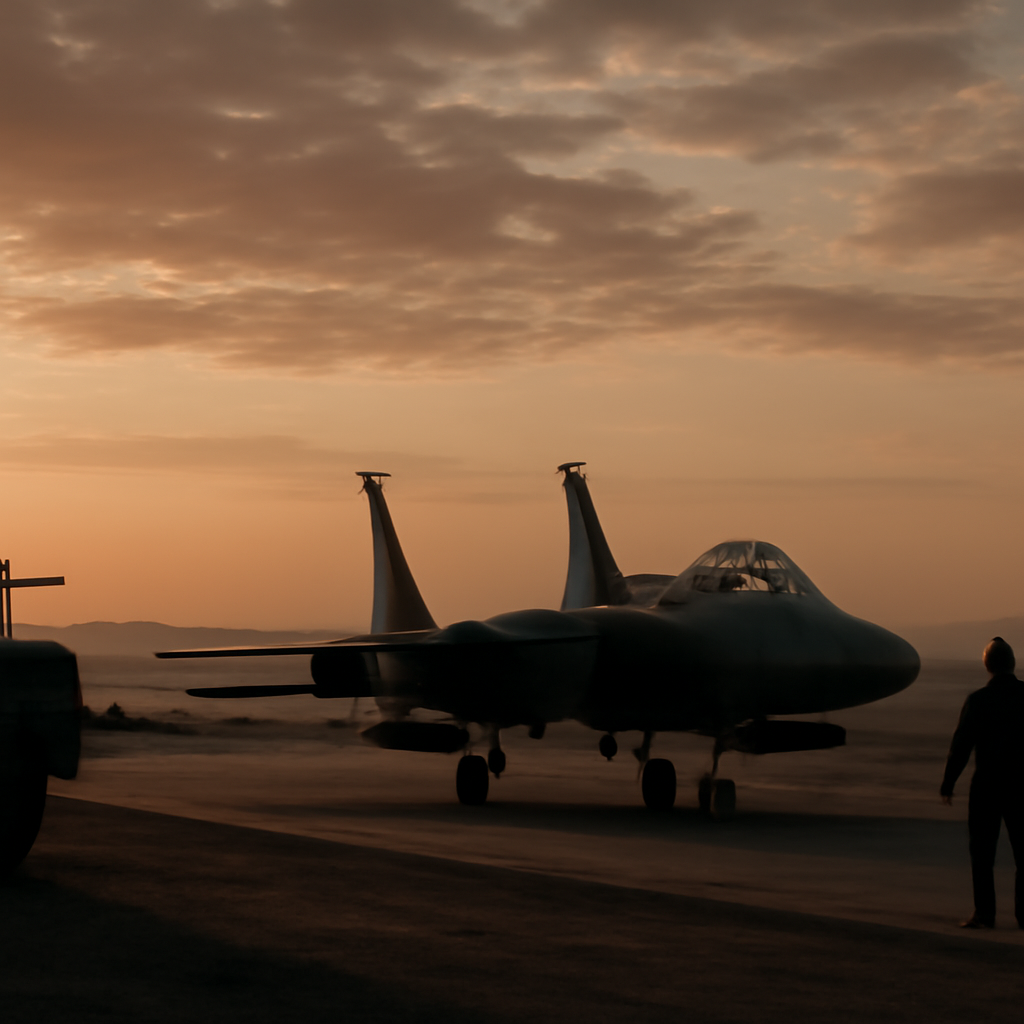
US and Saudis Strike Iraq in Response to Iranian Attacks
In a bold move, the US and Saudi Arabia launched a joint strike on Iran-aligned groups in Iraq, hours after foiling a surprise ballistic missile attack from Iran, with President Trump vowing to take a tough stance, saying the US would fight back with full force. Trump revealed that US forces had just minutes to shoot down the incoming missiles, successfully defending against the attack.

Iran-linked CyberAv3ngers targets US water systems
A coordinated cyberattack recently hit over 30 community water systems in Minnesota, prompting a swift response from state officials to ensure public health and safety. The Minnesota Department of Health is working closely with affected facilities to mitigate the impact and prevent any disruptions to drinking water supplies.

Quad Faces Industrial Capacity Test in Critical Minerals Push
The Quad faces a crucial test of its industrial capacity as it ramps up efforts to secure critical minerals, a challenge that requires more than just abundant resources. Can it catch up with China's strategic edge, built from decades of savvy investment in processing, markets, and integrated industrial policy?
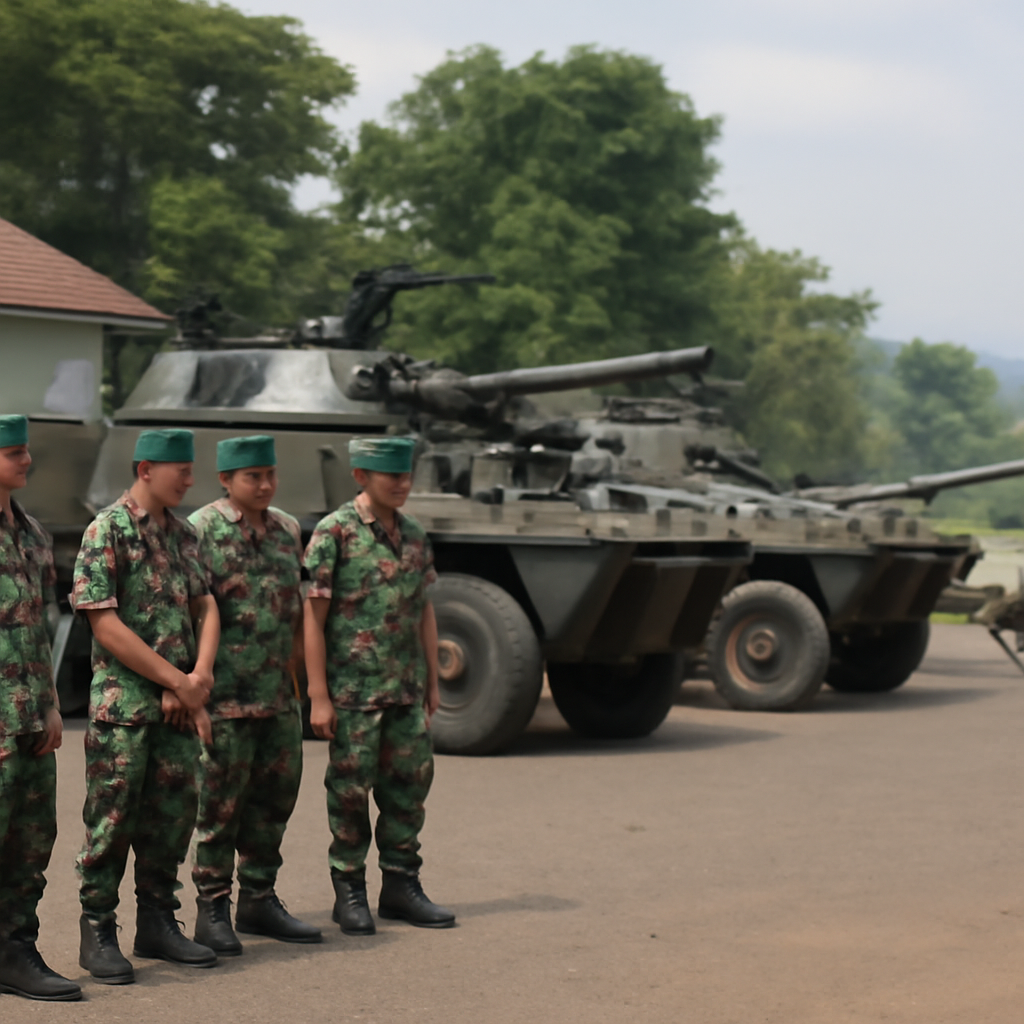
Indonesia's Military Shifts Inward, Testing Australia Defense Pact
Indonesia is shaking up its military strategy, ramping up domestic defenses and putting its Australia defense pact to the test. With plans to establish 750 new territorial development battalions, the country is signaling a significant shift inward.

AIA Chief Fanning Assesses US Defense Industry Health
At the Farnborough Airshow, Eric Fanning, AIA Chief, offered a candid assessment of the US defense industry's health, sharing his insights on the budget and its impact on America's defense landscape. With the roar of jets and aerial demos as a backdrop, Fanning's conversation with Breaking Defense Editor-in-Chief Aaron Mehta provided a unique glimpse into the sector's current state.
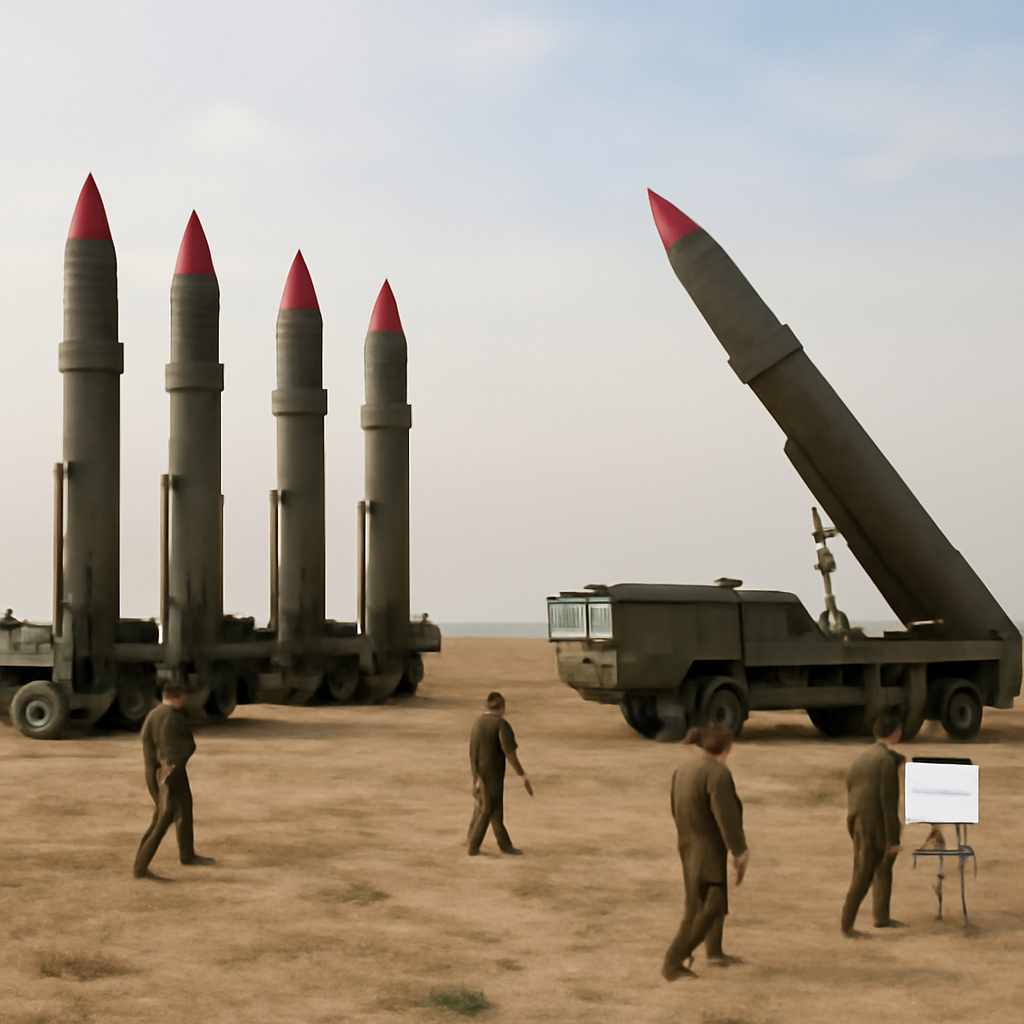
China Rapidly Expands Long-Range Nuclear Missile Arsenal
China is rapidly boosting its nuclear arsenal, with over 600 operational warheads stockpiled as of mid-2024, and is expected to surge past 1,000 by 2030, according to Pentagon estimates. This aggressive expansion is driven by the modernization of the People’s Liberation Army Rocket Force, described by the US Department of Defense as the world’s most active and diverse missile development program.

Australia Mourns Demise of Top Russia Expert Kyle Wilson
Australia is mourning the loss of Kyle Wilson, a renowned Russia expert who left an indelible mark on the country's diplomatic and intelligence landscape. With a career spanning over three decades, Wilson's legacy as a leading authority on Soviet and post-Soviet Russia will continue to inspire and inform.
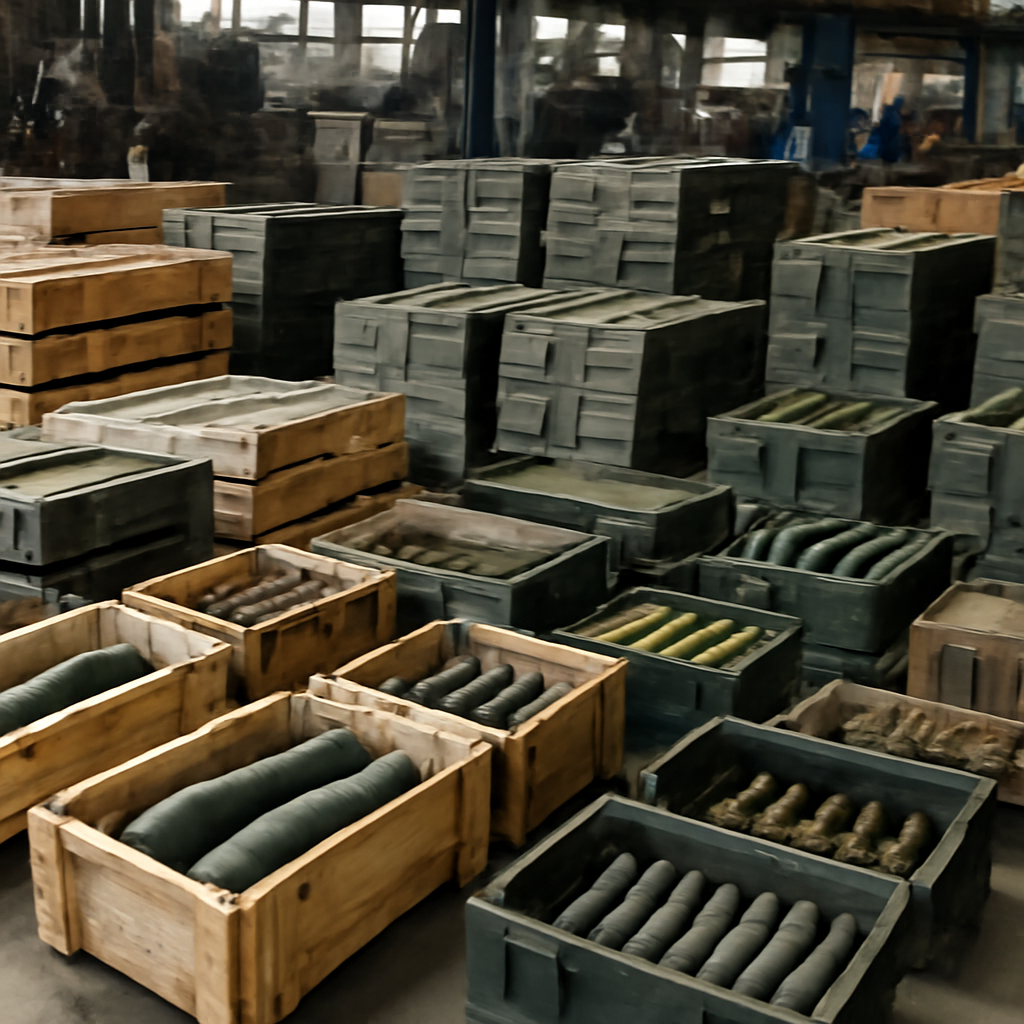
US Weighs Munitions Stockpiles as Iran Fighting Pauses
President Donald Trump brushed off concerns about dwindling high-end munitions, confidently asserting that the US has a substantial stockpile, with Trump adding that he'd like to have even more. The US is actively restocking and ramping up production to replenish its arsenal.
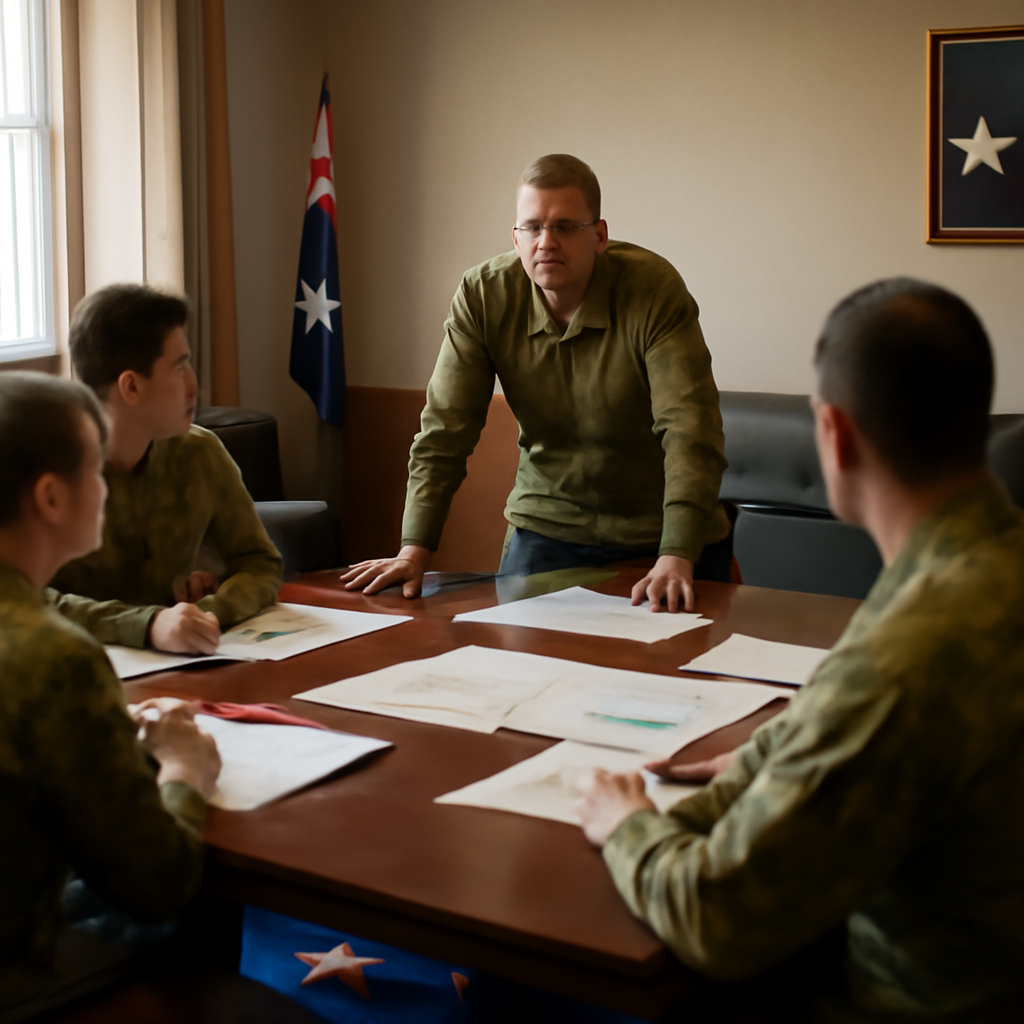
Australian Army Overhauls Professionalism Amid Great Power Competition
As Lieutenant General Simon Stuart steps down, he leaves behind a revitalized Australian Army, strengthened by a two-year review that aimed to boost professional discipline and accountability in the face of growing global competition. The review tackled key issues, including a decline in expertise and self-regulation, to prepare the army for the challenges of a rapidly changing world.

G7 Seeks Allies to Diversify Critical-Mineral Supply Chains
The G7 is rallying allies to join forces in securing critical minerals, aiming to reduce reliance on any single supplier to less than 60% by 2030. By diversifying supply chains and strengthening production, the group hopes to build a more resilient and secure global market.

Australia's Absence of Economic Security Minister Hampers Cooperation
As Japan's Minister for Science, Technology and Economic Security visits Australia, the two nations are set to strengthen their alliance with a quantum cooperation agreement, ensuring a reliable supply of critical minerals and propelling them to the forefront of technological innovation. This move comes at a time when global economic security is under scrutiny, and Australia's vacant Economic Security Minister position raises questions about its capacity for cooperation.

Ukraine's Defense Minister Ouster Exposes Rift in Zelenskyy Leadership
Ukraine's Defense Minister Mykhailo Fedorov has made a bold statement, refusing to take on any role other than Minister of Defense in order to tackle procurement corruption head-on. At just 35, Fedorov has already made a lasting impact, digitizing Ukraine's war effort and bringing transparency to government records.
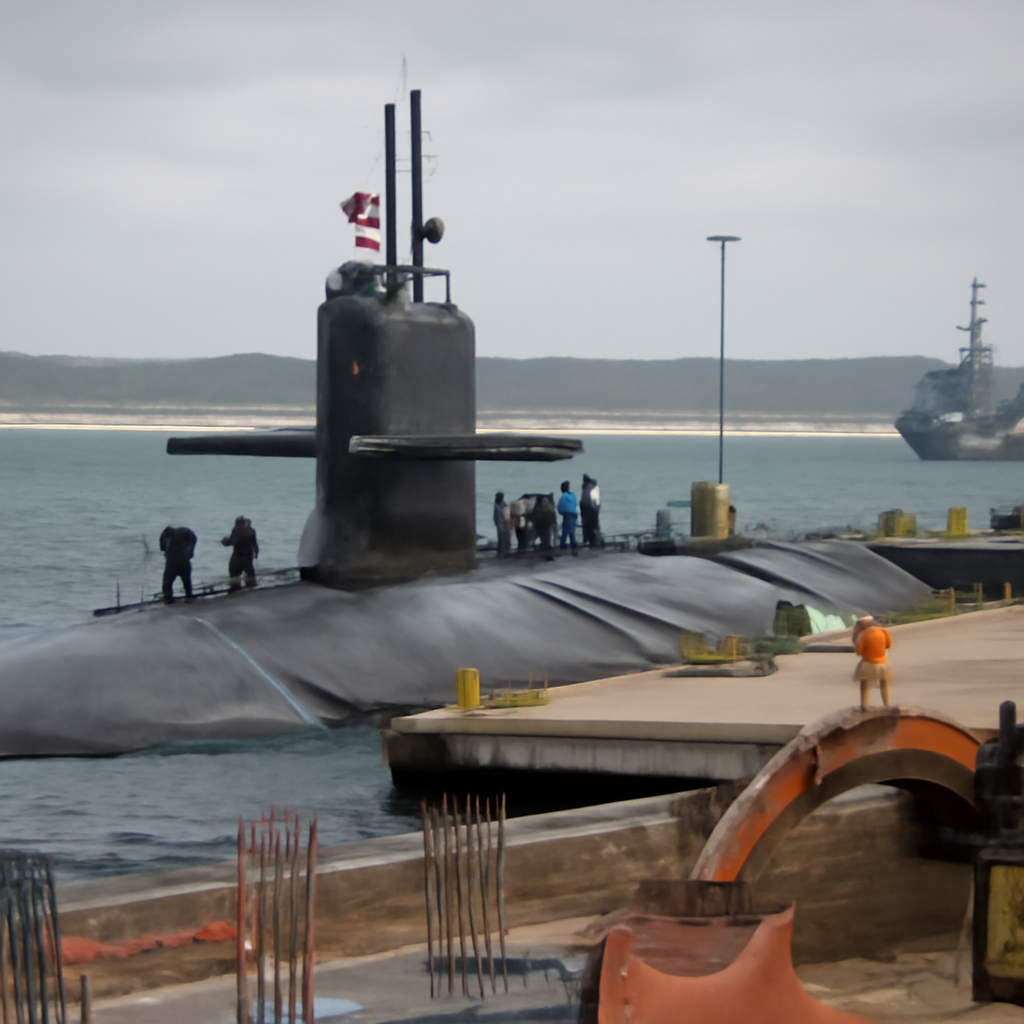
US Submarine Deployment Exposes Australia's War Planning Dilemma
Australia is set to host a powerful US submarine force at HMAS Stirling from 2027, raising crucial questions about how this combat squadron would be deployed in war and how it aligns with Australia's commitments. A US Submarine Rotational Force–West will be established, consisting of up to four attack submarines with supporting infrastructure and facilities.
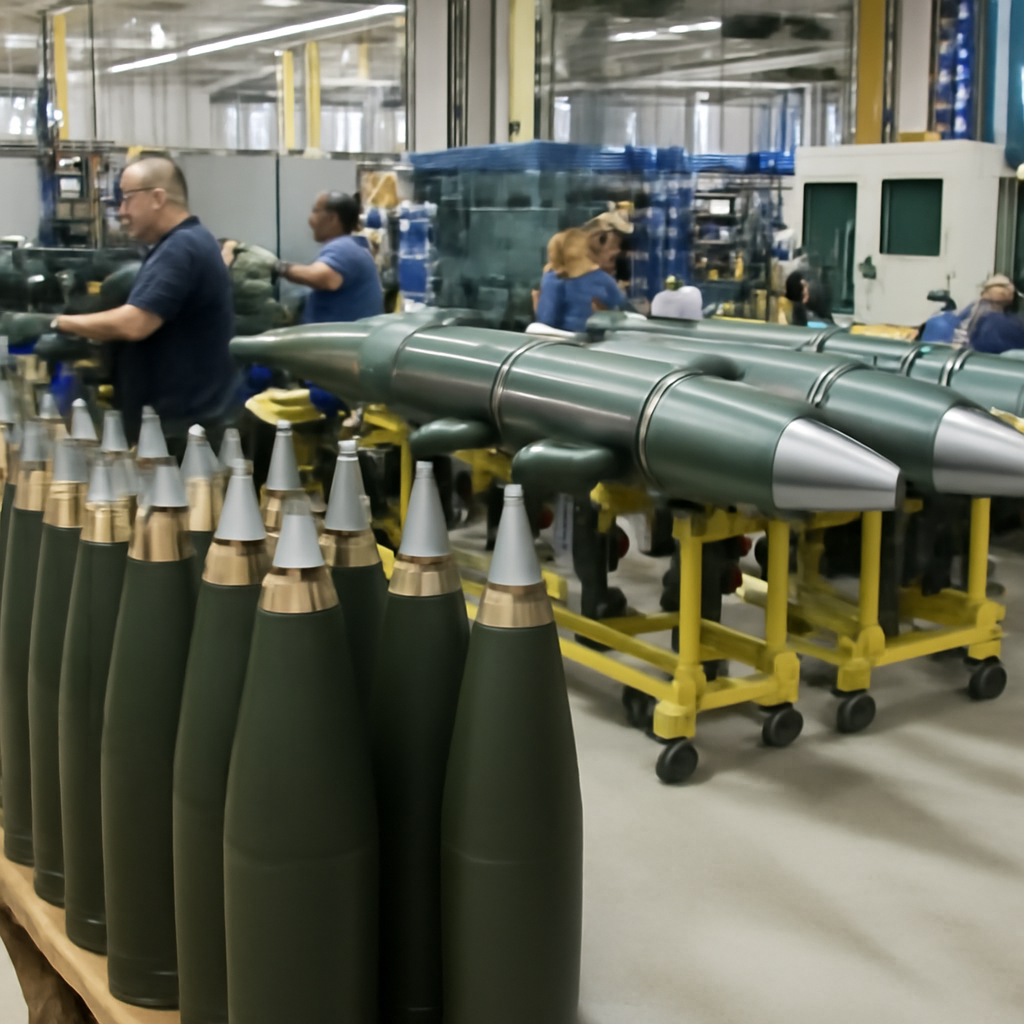
Pentagon Urged to Reassess Costs of Advanced Energetic Materials
The US military's critical munitions come with a hefty price tag - over $1 million each. Can the Pentagon afford to keep shelling out big bucks for these pricey explosives and propellants?
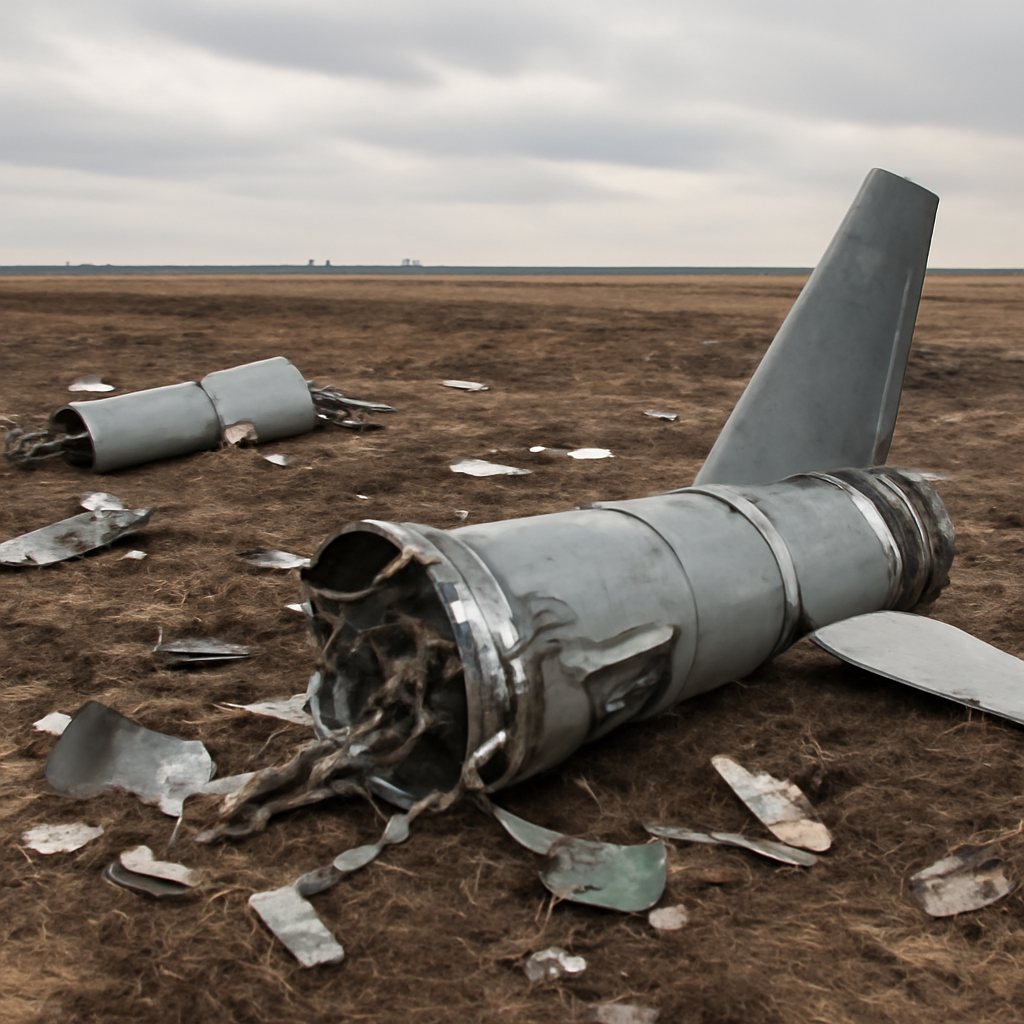
Ukraine Deploys Dutch-Made Ruta Block 1 Cruise Missiles in Operational Strike
Ukraine has taken a significant step in its military operations by deploying the Dutch-made Ruta Block 1 cruise missiles in a recent strike, as revealed by newly surfaced footage. The images, shared on Russian Telegram channels, show wreckage identified as the missile, sparking insights into its capabilities and use.

NATO's Indo-Pacific Ties Endure Beyond Summit Absences
Despite the high-profile absences at the recent NATO Summit, the alliance's ties with Indo-Pacific partners remain strong. For the second year in a row, leaders from Australia, Japan, New Zealand, and South Korea missed the summit, but the relationship endures.
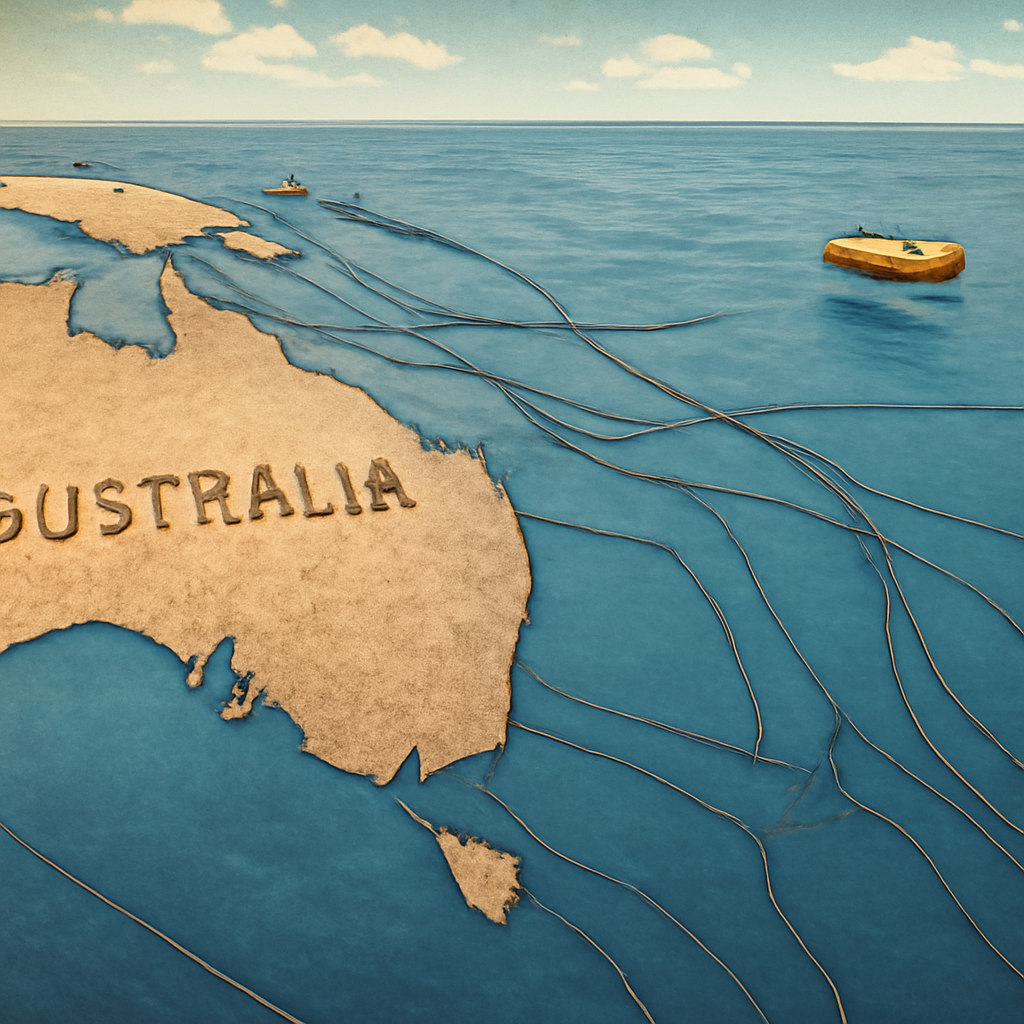
Australia's Defence Faces Urgent Test in Autonomous Systems Race
Australia's internet lifelines are under attack, with a growing number of subsea cable damages threatening the nation's digital infrastructure - and Defence Minister Richard Marles warns that the frequency and scale of these incidents is historically unprecedented. Roughly 99 percent of Australia's internet traffic relies on just 15 of these vulnerable cables.
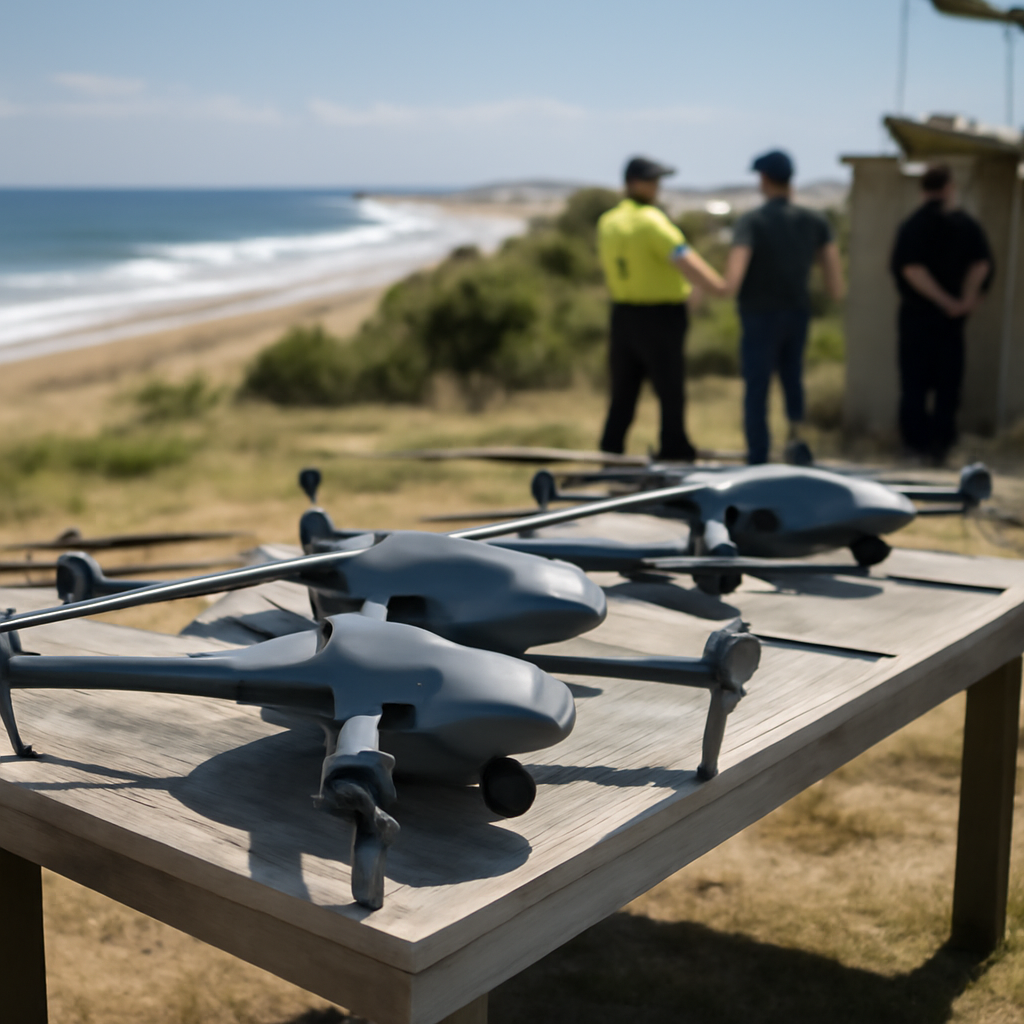
Australia's Drone Policy Exposes National Security Gap
Australia's foreign minister, Penny Wong, has made a bold commitment to the Philippines, vowing to provide surveillance drones built in Australia and the US, shunning cheaper Chinese alternatives in favour of trusted tech. This move comes as Australia's own drone policy reveals a concerning gap in national security.
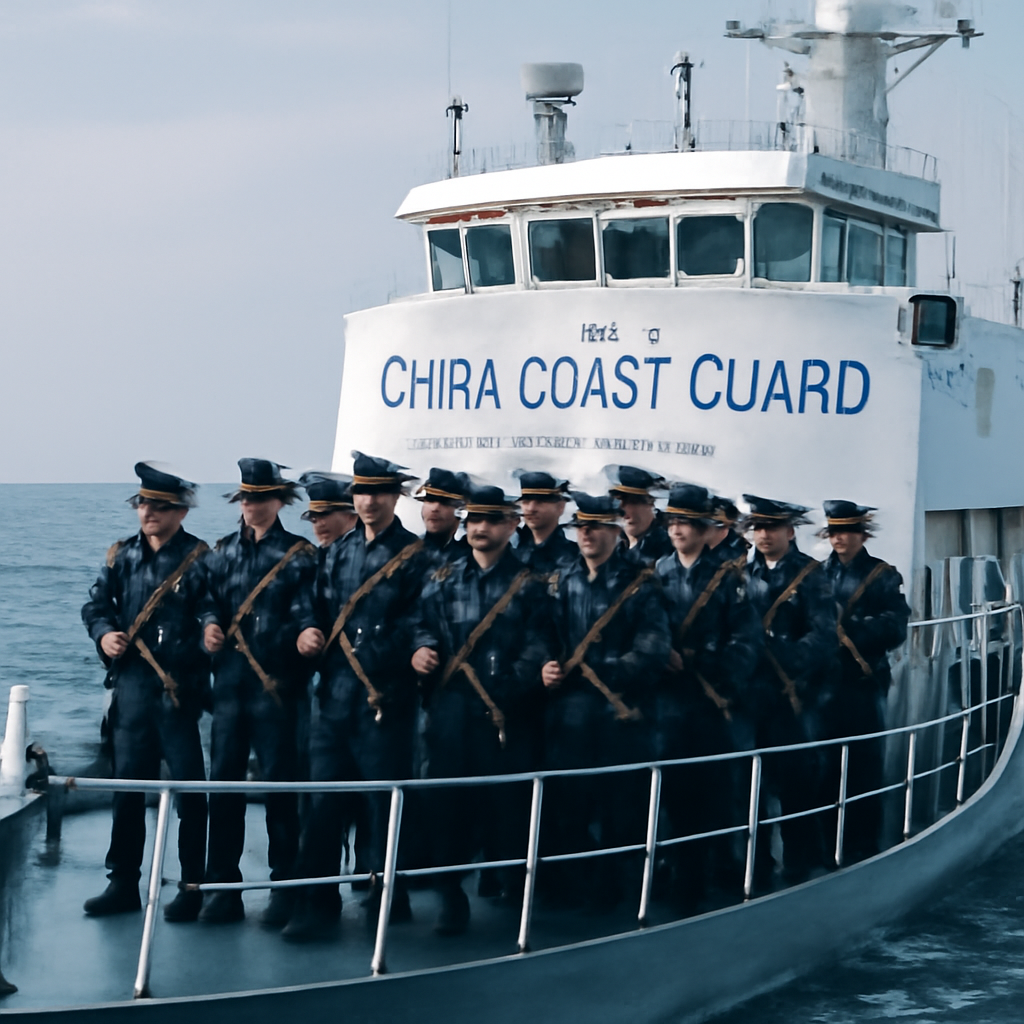
China Coast Guard Adopts Heavy Infantry Tactics for Naval Combat
The Chinese Coast Guard is ramping up its naval combat tactics by adopting a heavy infantry approach, essentially turning sea battles into land battles by using long pikes, tight ranks, and a wall of shields to hold ground. This phalanx-style strategy marks a significant shift in their doctrine and equipment.
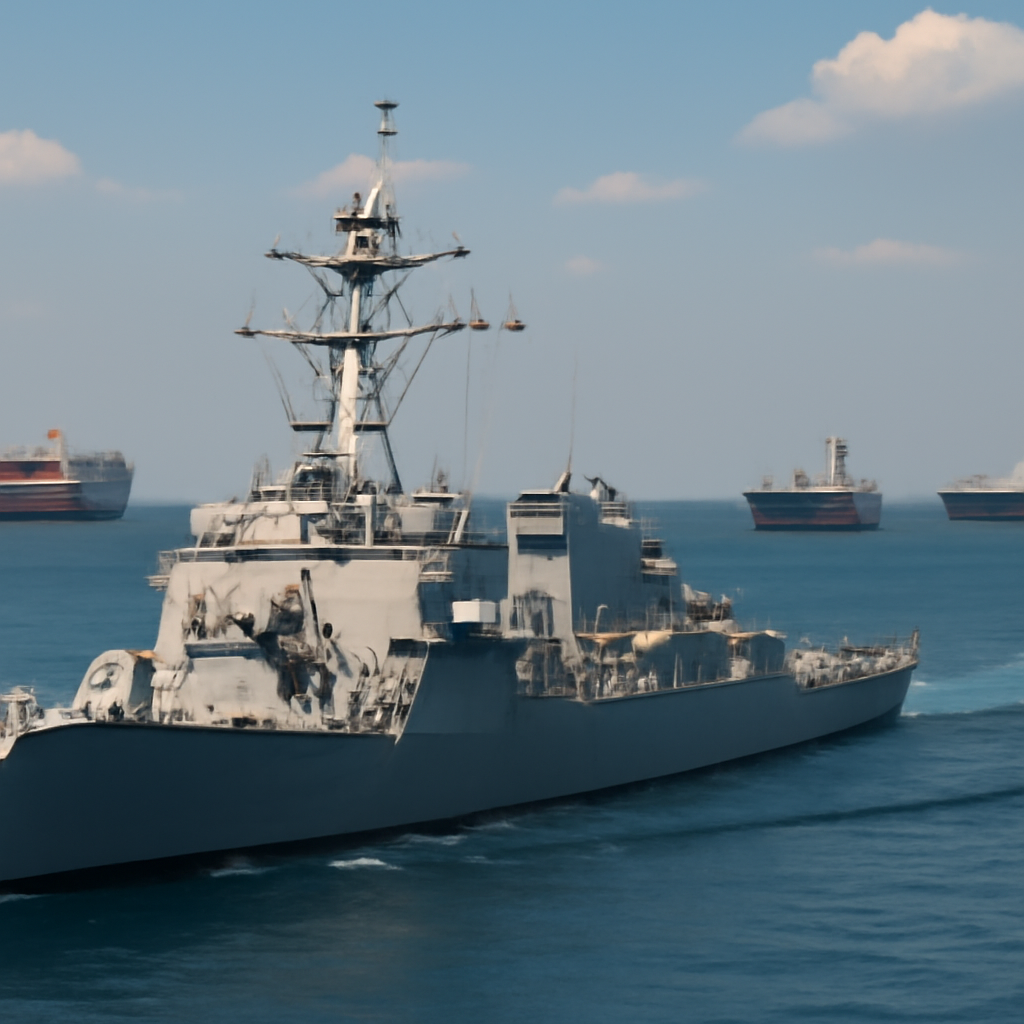
US Naval Operations in Strait of Hormuz Show Resilience Amid Escalating Tensions
Despite ongoing threats from Iranian forces, US naval operations in the Strait of Hormuz are proving resilient, with no US ships or aircraft lost and steady progress in putting pressure on Iran's economy. Traffic continues to flow through the strait, a testament to the effectiveness of the US effort.

Pentagon Chiefs Under Fire as Iran War Rationale Shifts
Defense Secretary Pete Hegseth faced intense scrutiny from senators over his claims about the US war on Iran, struggling to provide clear answers about the strategy and impact of the conflict. Hegseth made assertions about the devastating effects of US strikes on Iran's military and infrastructure, but also made partial admissions about Tehran's ongoing capabilities.

EU urged to speak out against China's Indo-Pacific aggression
The Solomon Islands' prime minister hit the nail on the head, saying "This is not something a friend does," as over a dozen Indo-Pacific governments, including Pacific island nations, united to condemn China's recent ballistic missile test launch. The test, which Beijing downplayed as "routine," sparked alarm across the region, with leaders like Australia's prime minister warning it undermined stability.

Pentagon Seeks Industry Cooperation on Critical Mineral Supply Chain Overhaul
The Pentagon is calling on industry partners to collaborate on a critical mineral supply chain overhaul, with a focus on friendshoring, domestic shoring, and supplier changes to reduce reliance on high-risk foreign sources. By presenting credible plans, contractors may be able to negotiate flexible timelines with the Pentagon, ahead of the 2027 deadline set by a new executive order.

Iran Threatens UK Air Base After US Bombers Launch Strikes
Iran has issued a stark warning to a UK air base, threatening it as a legitimate target if used to launch attacks on Iranian territory, after US bombers took off from the base to carry out strikes. The base, RAF Fairford in England, has also recently welcomed electronic warfare aircraft, heightening tensions.