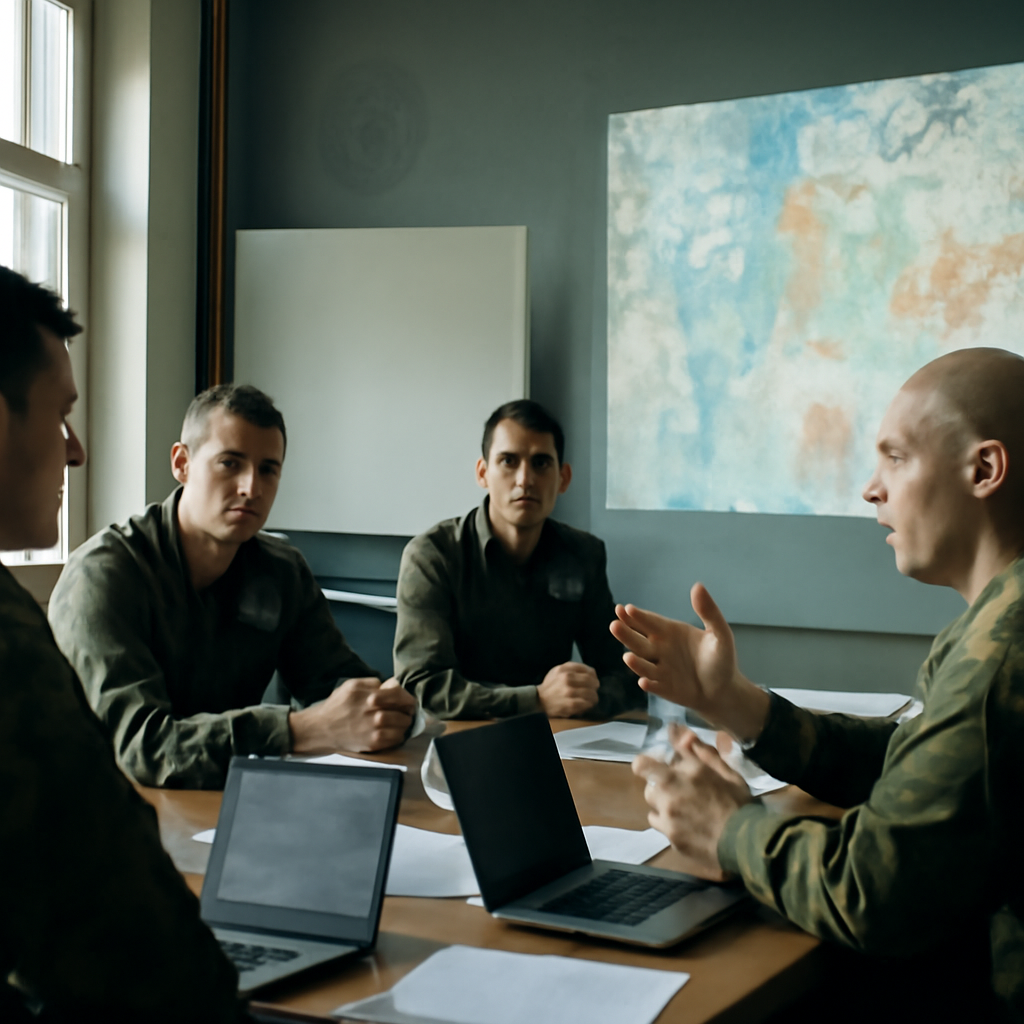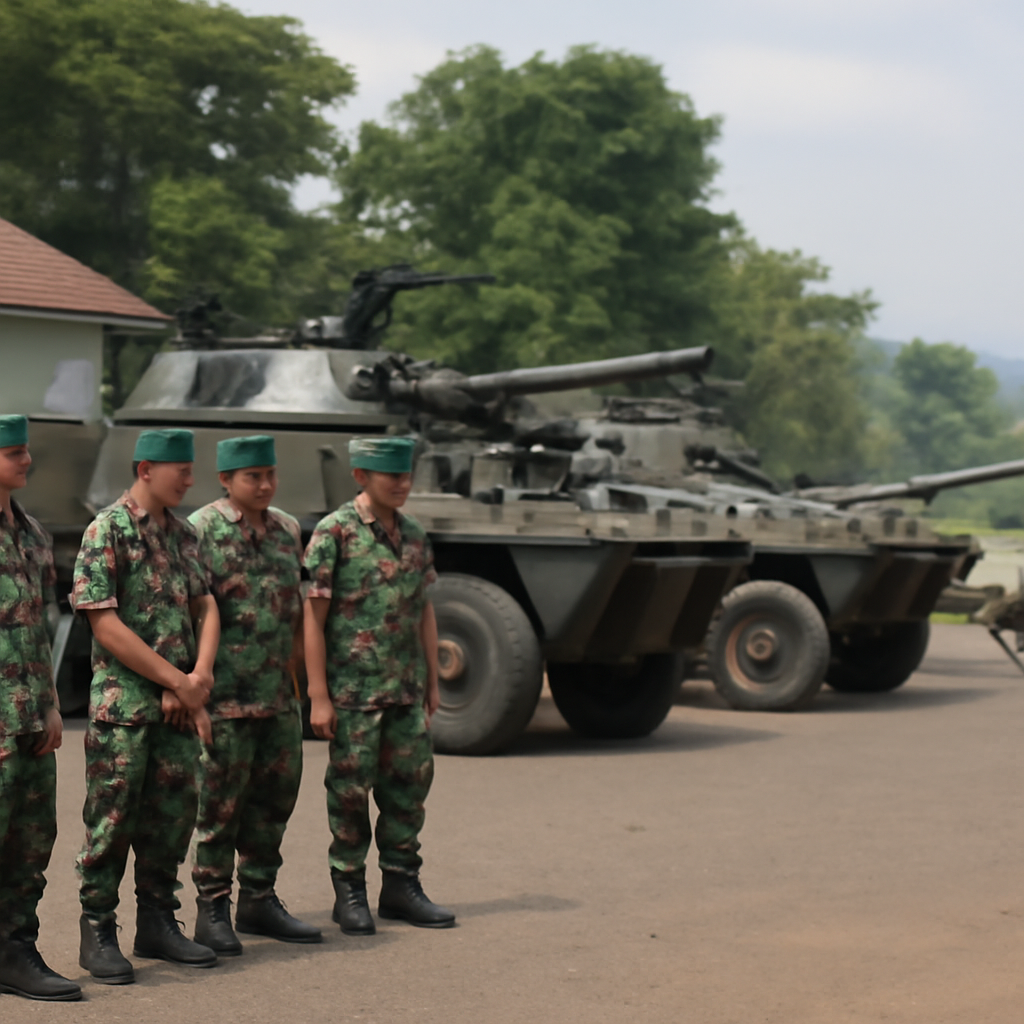
Indonesia is executing its proposal of establishing 750 new territorial development battalions between 2025 and 2029, each ideally given 1,000 members.
Prabowo’s outward defence diplomacy and high-profile procurements
Under President Prabowo, Indonesia’s defence engagement abroad has visibly accelerated. The government has doubled down on defence diplomacy, expanding training and international engagement. The bilateral Jakarta Treaty — formally the Australia–Indonesia Treaty on Common Security, signed in February — is singled out as a platform for deeper cooperation with Australia. Indonesia has also strengthened defence cooperation with the United States, an engagement described as centred on military modernisation and training, although the source notes that recent debate over airspace access has raised sovereignty concerns.
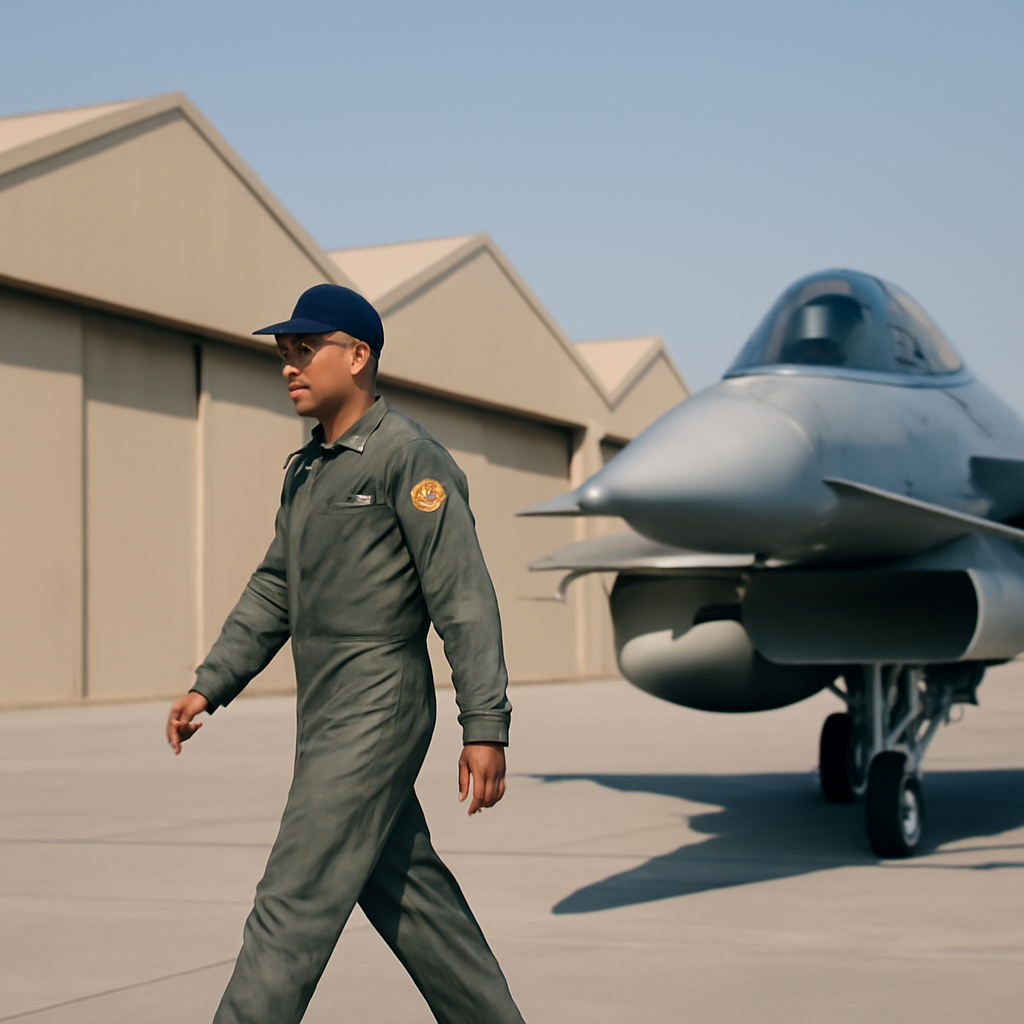
At the same time, Jakarta is pursuing a rapid, high-profile procurement program. The plans include acquiring the former Italian aircraft carrier Giuseppe Garibaldi, a deal to obtain Indian Brahmos supersonic cruise missiles, and a contract to buy 48 Kaan fighters from Turkish Aerospace Industries. The government is also pursuing a broader naval procurement plan. These purchases and diplomatic moves are presented in the source as signalling Prabowo’s ambition both to bolster Indonesia’s defence capabilities and to build “greater trust and reliability with key regional partners.”
Territorial development battalions and the military’s expanding domestic role
Domestically, the defence establishment is moving in a different direction. The Ministry of Defence is executing the plan for 750 territorial development battalions between 2025 and 2029. The source links this to Prabowo’s stated vision of self-reliance in food and agricultural security and to a broader narrative recasting the armed forces as a “strategic force” deployed in government priority programmes such as food security and resource governance.
The 2025 revision of military law, which the source highlights, expanded the armed forces’ role in civilian affairs. The reporting frames these battalions and legal changes as tangible priorities for the government — evidence that the military is increasingly functioning as an instrument to implement domestic policy where civilian bureaucracy is judged insufficient.

Audit-ready is a season. It shouldn't be.
Evidence in spreadsheets, controls drifting between audits, frameworks multiplying on flat headcount. Nubivance runs continuous compliance on Rapid7 Cyber GRC - SOC 2, HIPAA, ISO 27001, PCI, CMMC.
End the scrambleFiscal constraints: rupiah weakness and competing priorities
That outward-facing modernisation and inward-looking deployment coexist creates a structural tension. The source stresses that Jakarta’s state budget is under pressure amid Prabowo’s populist programmes and economic uncertainty, noting the rupiah “hitting its weakest historical level against the US dollar in June.” Under these fiscal constraints, the piece warns, Indonesia will find it difficult to achieve all its priorities simultaneously. Without clearer trade-offs, the argument runs, the defence agenda risks being stretched too widely, weakening overall planning and practical delivery.
Canberra’s choice: be specific and focus on maritime cooperation
The source frames a practical prescription for Australia: acknowledge Indonesia’s whole-of-government approach to security, but be realistic about what deeper defence ties will deliver. It cautions that “closer ties do not automatically translate into Indonesia becoming dependable for strengthening Australia’s northern defence environment and regional defence posture.”
Instead, Canberra is urged to capitalise on the Jakarta Treaty by narrowing cooperation to concrete, shared interests — notably securing the archipelagic sea lanes that connect Indonesia to Australia’s northern approaches. The recommended focus areas are practical capability-building measures: training and inter-force interoperability, and “developing integrated joint training focused on maritime surveillance, mobility, logistics and coordination across these waters.” The source presents this as an avenue where both countries have genuine, overlapping interests and where cooperative work would be immediately useful for defence and for securing strategic trade routes.
What this means for Australian defence planners, the Indonesian Ministry of Defence, and maritime trade
- Australian defence planners: Prioritise jointly defined, executable maritime training and surveillance projects that do not rely on Indonesia reallocating scarce forces away from domestic programmes.
- Indonesian Ministry of Defence: Balance procurement and diplomatic signalling with commitments to domestic battalion expansion; anticipate trade-offs in personnel and budget that will shape how much capacity can be contributed to international missions.
- Maritime trade and logistics actors: Watch for concrete improvements or gaps in maritime surveillance and coordination in archipelagic sea lanes, given competing government priorities that affect resource allocation.
Prabowo’s government is advancing two distinct defence logics at once: an outward push for modern equipment and regional engagement, and an inward reorientation of the armed forces toward domestic governance and development. Canberra can neither dictate Jakarta’s priorities nor assume that stronger ties automatically yield deeper regional capacity. The immediate task under the Jakarta Treaty, as the source puts it, is to be specific — to lock in cooperative work that matters for both parties, especially around maritime surveillance, mobility and logistics, before budget realities and domestic deployments dilute what can be achieved.