Tag: national security
2618 articles

US Research Security Strategy Unveils New Safeguards
The National Security Science and Technology Strategy introduces cutting-edge safeguards to shield America's research and innovation edge from evolving threats, ensuring the country's economic and military strength remains unmatched. By embracing novel security solutions, experts can safeguard the nation's science and technology ecosystem.

Trump Abruptly Curtails US-South Korea Military Drills
US President Donald Trump abruptly called off joint military drills with South Korea, citing their hefty price tag and what he deemed a hostile message. The surprise move came after Trump took to Truth Social to express his concerns.

India, Japan Pursue Defense Tech Cooperation With Eye on China-Free Supply Chain
Japanese Defense Minister Koizumi Shinjiro is pushing for a game-changing partnership with India: building a China-free supply chain for defense equipment to bolster resilience and break free from Beijing's grip. By joining forces, India and Japan can create a robust defense production capacity that serves as a powerful deterrent.

TikTok Reversal Sparks Mobile Security Concerns
TikTok's recent U.S. entity shift has done little to alleviate mobile security concerns, as its privacy policy still raises red flags about invasive data collection and usage. Expert Matt Stern warns that the app's practices remain a threat to user data.
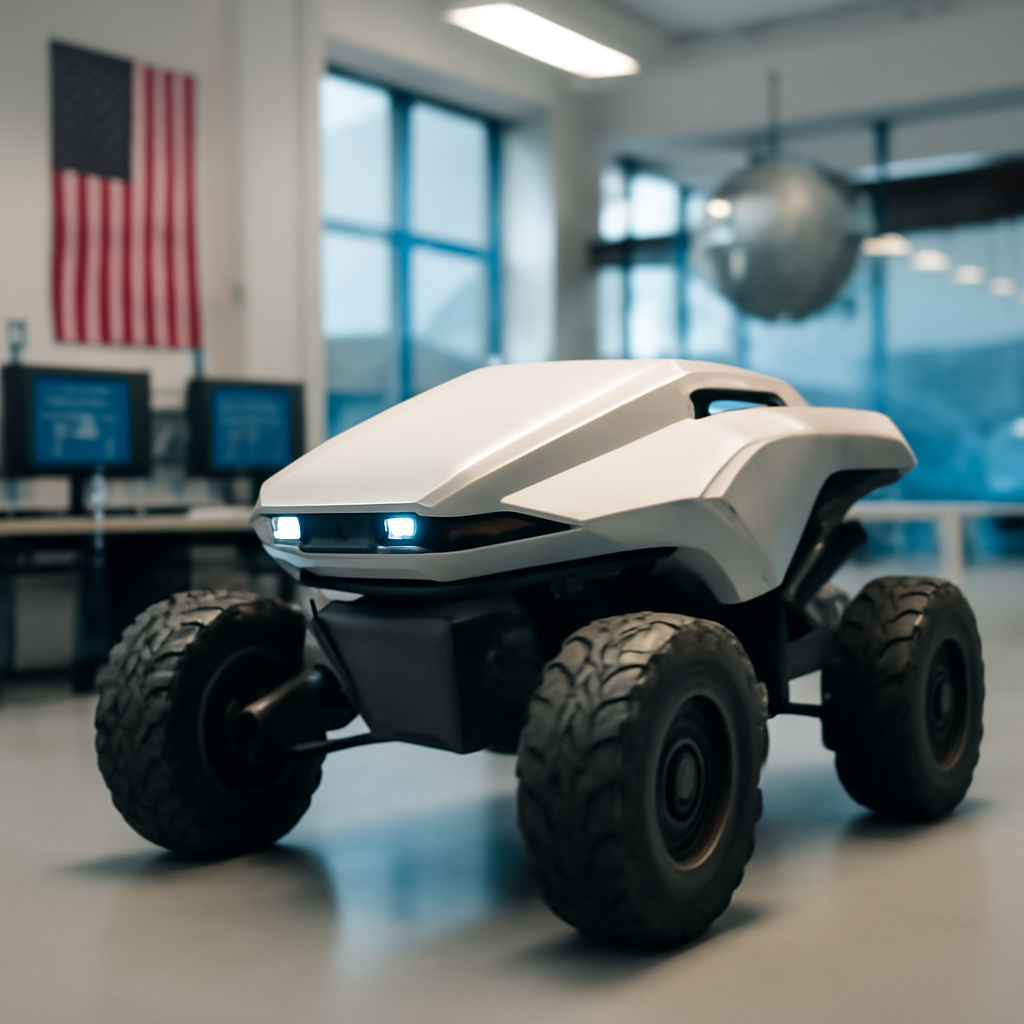
US Tech Strategy Targets Military AI Innovation, Snubs Open-Source Models
The White House's new tech strategy puts military AI innovation front and center, prioritizing cutting-edge tech like foundation models, undersea and space research, and AI autonomy to drive game-changing capabilities. By focusing on areas like multi-agent systems and swarm intelligence, the US aims to stay ahead in the Indo-Pacific region.

China's AI Ambitions Expose Global Influence
China's 2017 policy roadmap for AI revealed a bold vision: harnessing state coordination and open-source collaboration to catapult the nation to the forefront of a technology that could reshape national security, geopolitics, and society. This blended approach combines strategic direction with market-driven innovation, setting the stage for seismic global implications.

Israel Repositions Apaches to Bolster Northern Front Defenses
Get ready for a flurry of activity in Israel's skies as the Israeli Air Force's 190 "Magic Touch" Squadron makes a strategic move from Ramon Air Base to Ramat David Air Base, bolstering the country's northern defenses with a permanent presence of Apache helicopters. This planned relocation is part of the IAF's 2026 programs, and residents can expect to see increased air activity - but don't worry, it's all routine!

US-South Korea Alliance Must Counter North Korea's Battlefield Gains
With President Donald Trump's call to "substantially reduce" joint military exercises with South Korea, the US-South Korea alliance faces a critical juncture that could fundamentally change how the two nations prepare for future conflicts. This sudden shift comes at a particularly challenging time, with factors like cost, diplomatic tensions, and Trump's rapport with Kim Jong Un influencing the decision.

Army Seeks New Intel Tools with Guiding Document
The Army is shaking up its approach to intelligence gathering with a new guiding document that outlines key problems to be solved, and they're turning to industry for innovative solutions. This fresh "characteristics of need" approach is a deliberate departure from traditional requirement-driven methods, and a decision on its implementation is expected soon.
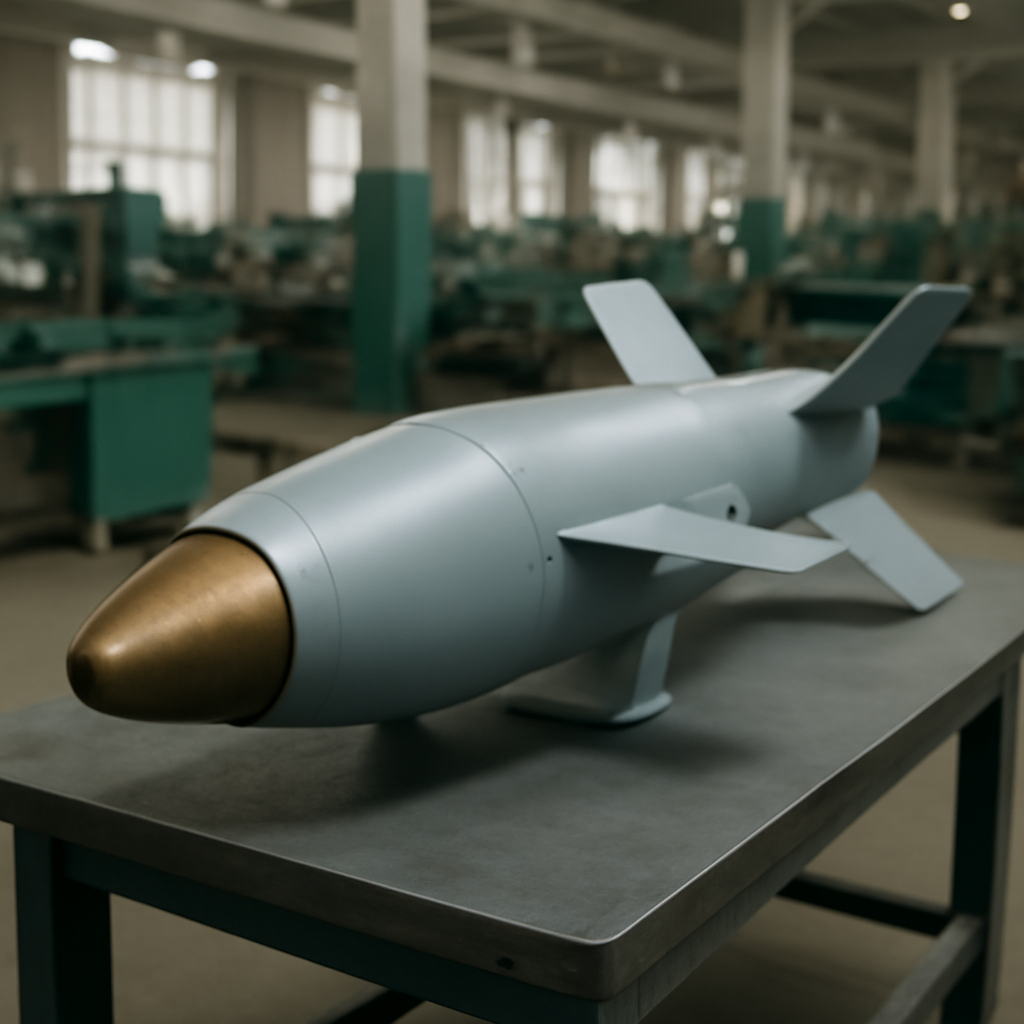
Ukraine Develops Homegrown Glide Bomb to Counter Russian Threats
Meet the Equalizer, a game-changing glide bomb developed by Ukraine to take the fight to Russian forces, capable of striking targets dozens of kilometers behind enemy lines with a 250 kg warhead. This homegrown innovation was brought to life in just 17 months, thanks to the collaboration between DG Industry and Brave1, Ukraine's defense technology incubator.
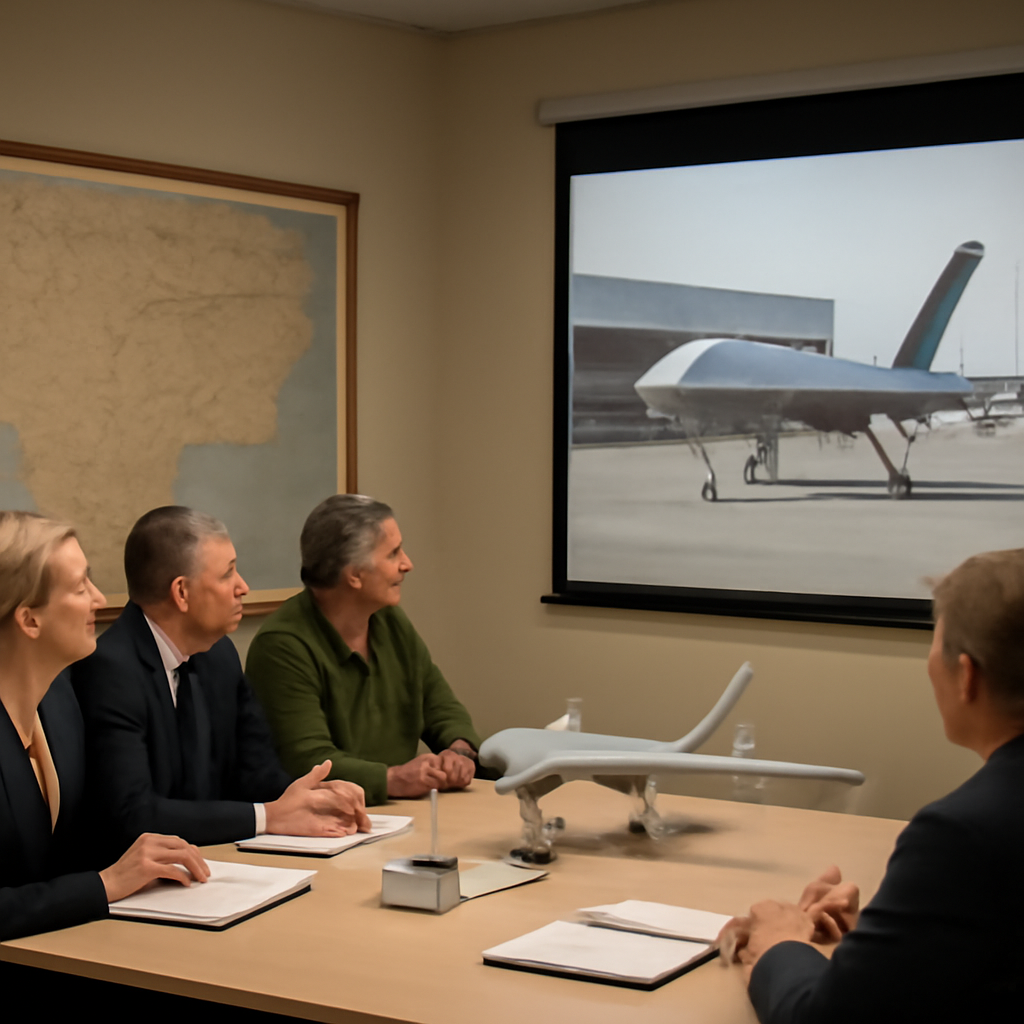
Pakistan Pursues Homegrown Drone to Counter India's MQ-9B Capability
India is bolstering its drone capabilities with a $203 million deal to lease two MQ-9B SeaGuardian unmanned aerial vehicles from General Atomics Aeronautical Systems, bridging the gap until its larger fleet of 31 MQ-9Bs arrives. This move comes as Pakistan ramps up its own drone ambitions, seeking to counter India's growing aerial edge.

Trump Unveils Ambitious Navy Shipbuilding Overhaul Plan
The future of US navy shipbuilding hangs in the balance as President Donald Trump's groundbreaking national security memo promises to revolutionize the industry. With its far-reaching implications, this directive is set to dramatically reshape procurement and force structure.

US Navy Weighs Major Ford Class Carrier Design Change
The US Navy is reconsidering a key design decision behind its Ford Class carriers, one that moved the island 140 feet further aft than its Nimitz-class predecessors, in a change that could significantly alter the ship's operational capabilities. This shift was no accident - it was the result of careful design studies that aimed to create more usable flight-deck space and a new operational rhythm.

US Scales Back South Korea Military Exercise Citing Cost and Hostility Concerns
President Donald Trump announced a major cutback to US participation in a joint military exercise with South Korea, citing the hefty price tag and concerns that it sends a hostile signal to North Korea. The move comes as Trump touts his good relationship with North Korean leader Kim Jong Un.
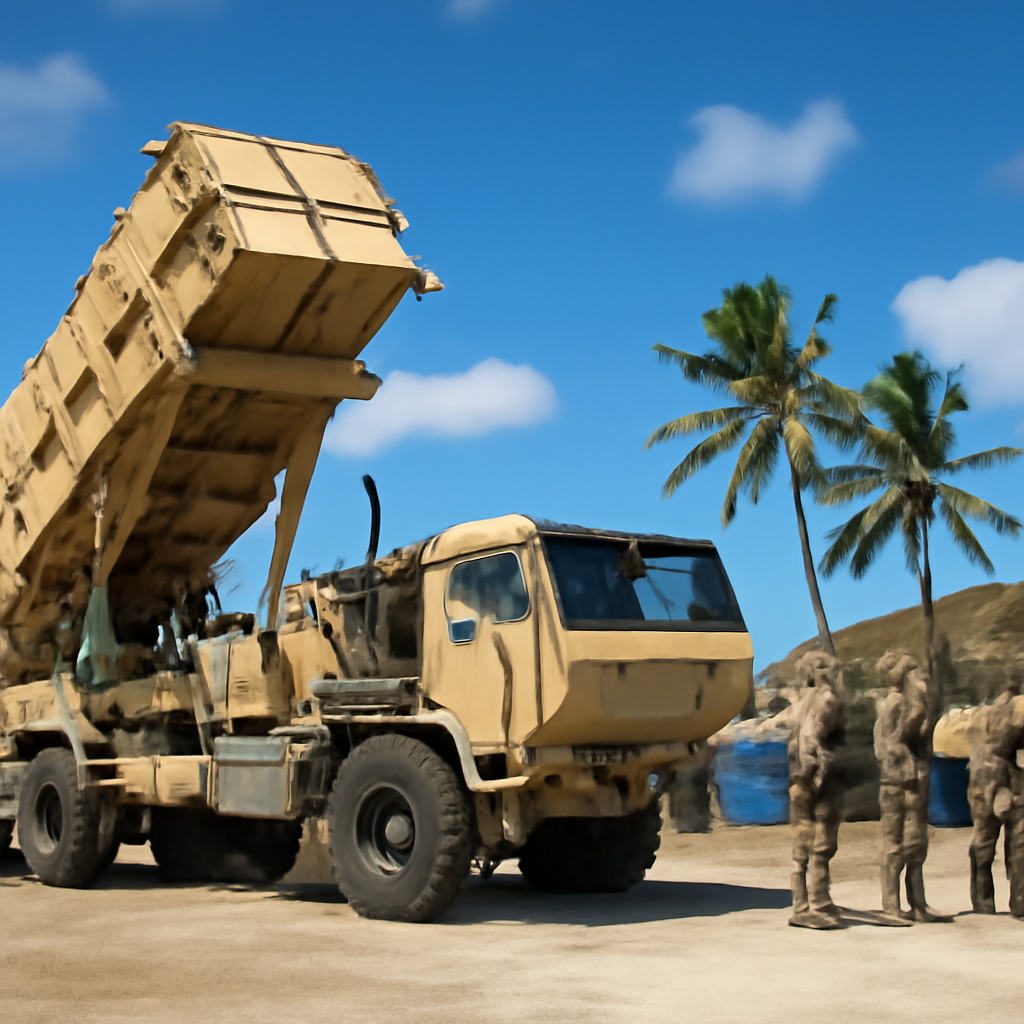
US Army to Deploy New Patriot Battalion to Guam This Fall
Get ready for a significant boost in defense: the US Army is deploying a new Patriot battalion to Guam this fall, with the 3rd Battalion, 43rd Air Defense Artillery Regiment set to arrive in October. This move is part of a multi-year effort to ramp up protection on the island.

China's PLA Analyzes Iran War to Refine Modern Warfare Concepts
The People's Liberation Army is rethinking modern warfare after studying the Iran conflict, where they saw a shift from traditional battles to a complex game of networked competition. This new approach, dubbed "systems competition," focuses on distributed command and integrated strategies.
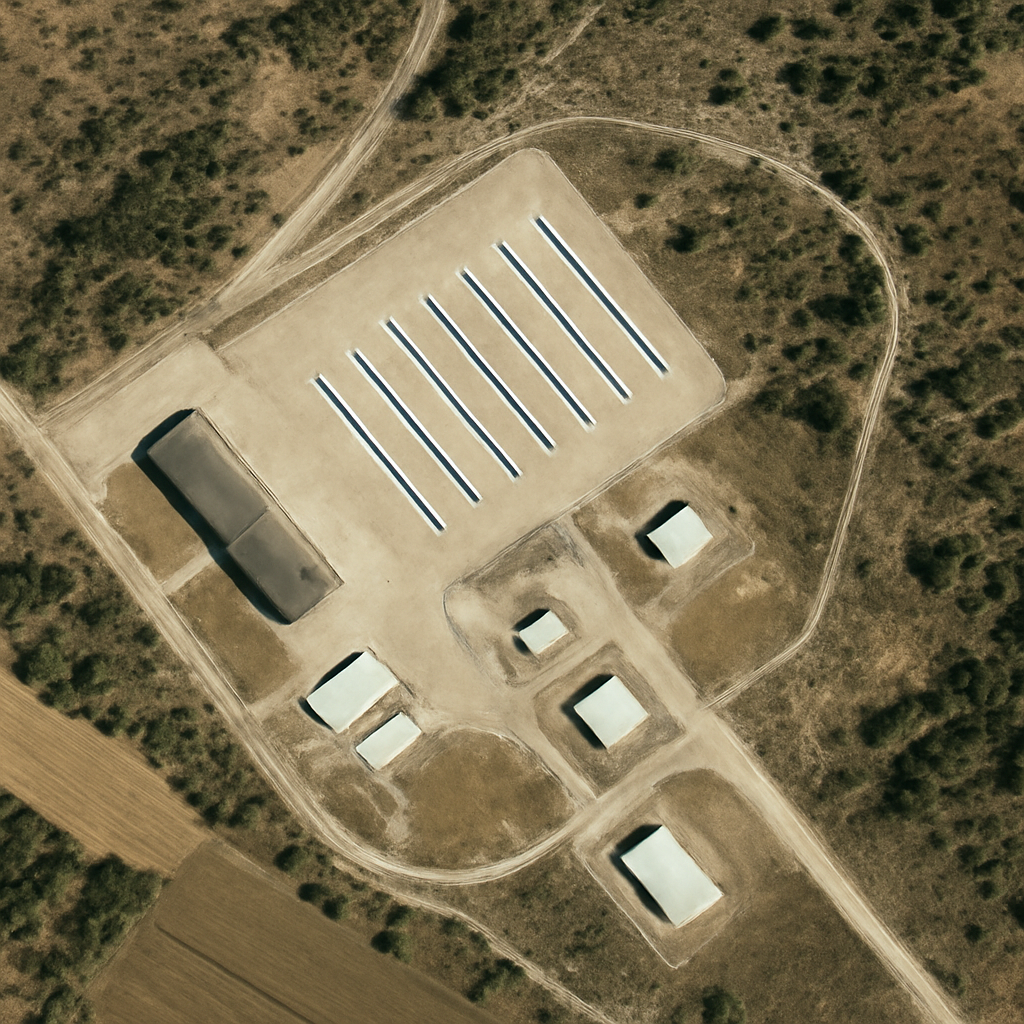
Russia Bolsters Long-Range Drone Launch Network Near NATO Borders
Russia is rapidly expanding its long-range drone launch network near NATO borders, with satellite images revealing at least 59 new launch rails capable of supporting advanced Geran-type drones. This alarming buildup is part of a broader effort to bolster its military capabilities, with many of these new sites already showing signs of active use in attacks on Ukraine.

US Scales Back South Korea Military Drills Amid Iran Spat
President Donald Trump just shook things up with a major military decision, announcing plans to scale back US participation in joint drills with South Korea - a move he justified by citing the country's long-standing protection by the US and a recent disagreement over an Iran operation. The reduced drills come courtesy of Trump's desire to cut costs and leverage his personal rapport with North Korea's Kim Jong Un.
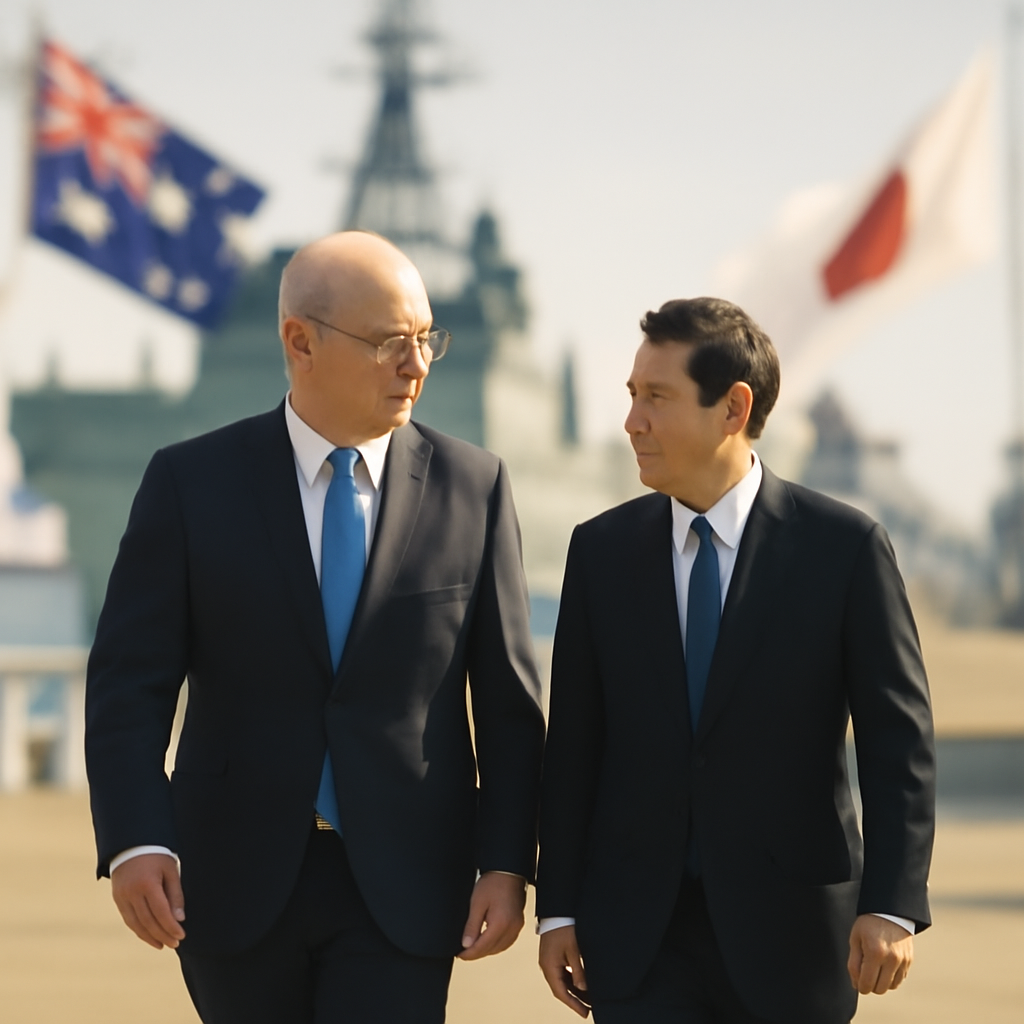
Japan Cements Ties with Australia as Defense Alliance Deepens
Japan and Australia are strengthening their defense ties, with Japan's Defence Minister Shinjiro Koizumi making his second visit to Australia in just four months, building on a landmark deal to supply Australia with up to 11 Upgraded Mogami frigates. This flurry of high-level meetings underscores the deepening alliance between the two nations, with Defence Minister Richard Marles hailing Japan as a country with which Australia has a "greater strategic alignment" than any other.

PLAAF Bomber Trainer Exposes China's Thrifty Military Strategy
China's air force has cracked the code on cost-effective bomber training by repurposing transport planes into stand-ins, revealing a refreshingly thrifty approach to military strategy. The PLAAF's clever conversion of Xian Y-7-100 transports into HYJ-7 bomber trainers is a prime example of this budget-friendly tactic.

US Carrier Gap Exposes Indo-Pacific Deterrence Vulnerability
The US Navy's aircraft carrier presence in the Indo-Pacific is about to take a hit, as the USS Abraham Lincoln wraps up its deployment and heads home, leaving a gap in the region's deterrence capabilities. The USS George Washington is rushing to fill the void, making a discreet transit through the Singapore Strait to take over in the US Central Command area of responsibility.

Sharpening Cybersecurity Standards
Don't let your guard down now - Katie Arrington stresses that now is not the time to relax cybersecurity standards, especially after self-attestation failed to protect the war industrial base. The Cybersecurity Maturity Model Certification was created to ensure verification and accountability.
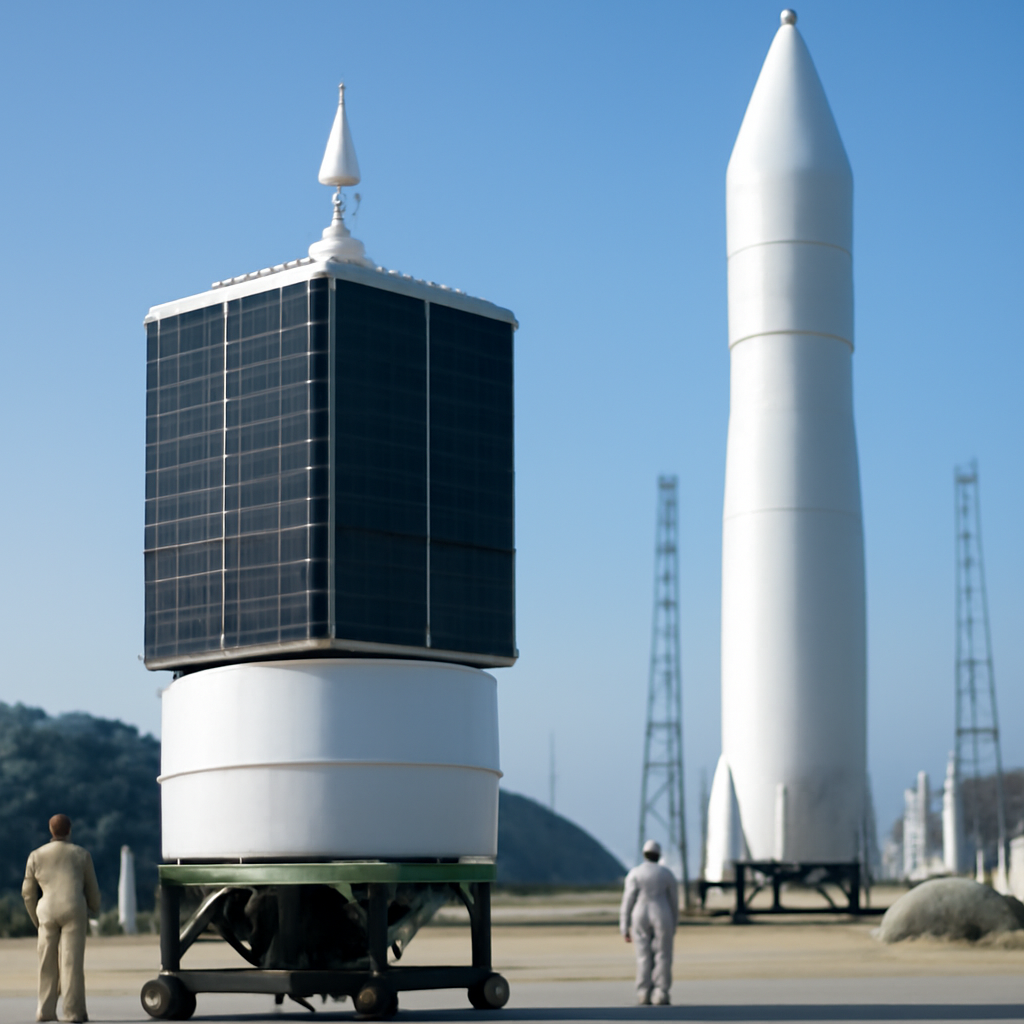
Japan Deploys US Space Sensors to Monitor Indo-Pacific Orbit
In a groundbreaking move, the US and Japan have joined forces to supercharge space security with the deployment of US space sensors on Japanese satellites, marking the first bilateral cooperative space effort focused on national security. The cutting-edge sensors are now live on Japan's Quasi-Zenith Satellite-7 (QZS-7), a powerful GEO platform.

US Pivots to Southeast Asia with Pragmatic Security Pitch
The US is stepping up its game in Southeast Asia, offering a no-frills security partnership that's all about mutual benefit, not ideological alignment. Under Secretary of Defense Elbridge Colby is pitching a pragmatic approach, promising support in areas like maritime security and intelligence in exchange for cooperation on shared interests.