"Defense production is deterrence itself," Japanese Defense Minister Koizumi Shinjiro declared as he arrived in India ahead of the India-Japan Defense Ministerial Meeting on August 20. The line neatly captures Tokyo's current strategic calculus: deterrence will be sustained or broken by industrial capacity as much as by platforms.
Koizumi Shinjiro’s core pitch: China-free supply chains and shared resilience
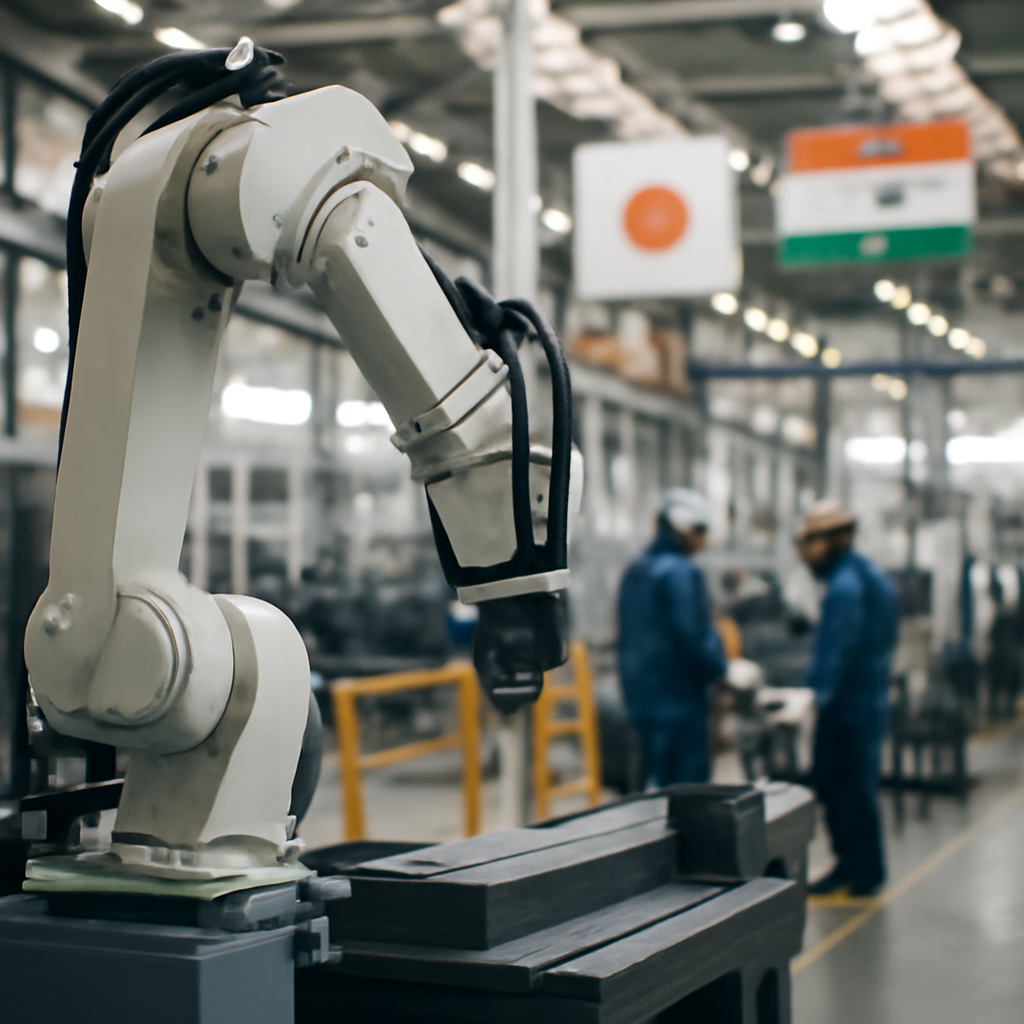
Koizumi has urged the building of a "China-free" supply chain for defense equipment to ease dependency and to undermine what he described as Beijing’s ability to weaponize that dependency. That push is part of a broader de‑risking effort that spans defense inputs, critical minerals and dual-use components. Tokyo explicitly acknowledges it cannot create total resilience alone, and is seeking "trusted networks and dependable technological partners" through co‑development and co‑production.
UNICORN (NORA-50) co-production as the operational litmus test
The first co‑production case — the UNICORN integrated mast (NORA‑50), a stealth antenna tower developed by Japan for naval vessels — is described in the source as a litmus test for bridging geopolitical ambition and industrial execution. The project is framed as the practical experiment that will reveal whether high‑level strategic convergence can translate into localized, scalable industrial output.

The cyber insurance questionnaire just landed. Now what?
SOC 2, HIPAA, insurance renewals - someone has to own security strategy. Nubivance provides fractional CISO leadership without the full-time salary.
Get a security lead2025 Joint Declaration, DRDO‑ATLA ties, and export‑control alignment
The 2025 India‑Japan Joint Declaration on Security Cooperation calls for technological and industrial collaboration between government entities and private sector stakeholders in sectors critical to national security. It explicitly mentions "technology sharing in new fields," greater mutual understanding of export control policies "to encourage and promote cooperation in high‑end technology and equipment and supply chain linkages," and enhanced "defense R&D cooperation between the Defense Research and Development Organization of India (DRDO) and the Acquisition, Technology and Logistics Agency of Japan (ATLA)." Those clauses create diplomatic cover for deeper technical engagement but, the source warns, institutional commitments must now be converted into enduring industrial capabilities.
Unmanned systems: ideaForge, ACSL, Drone Federation of India and Fukushima Robot Test Field
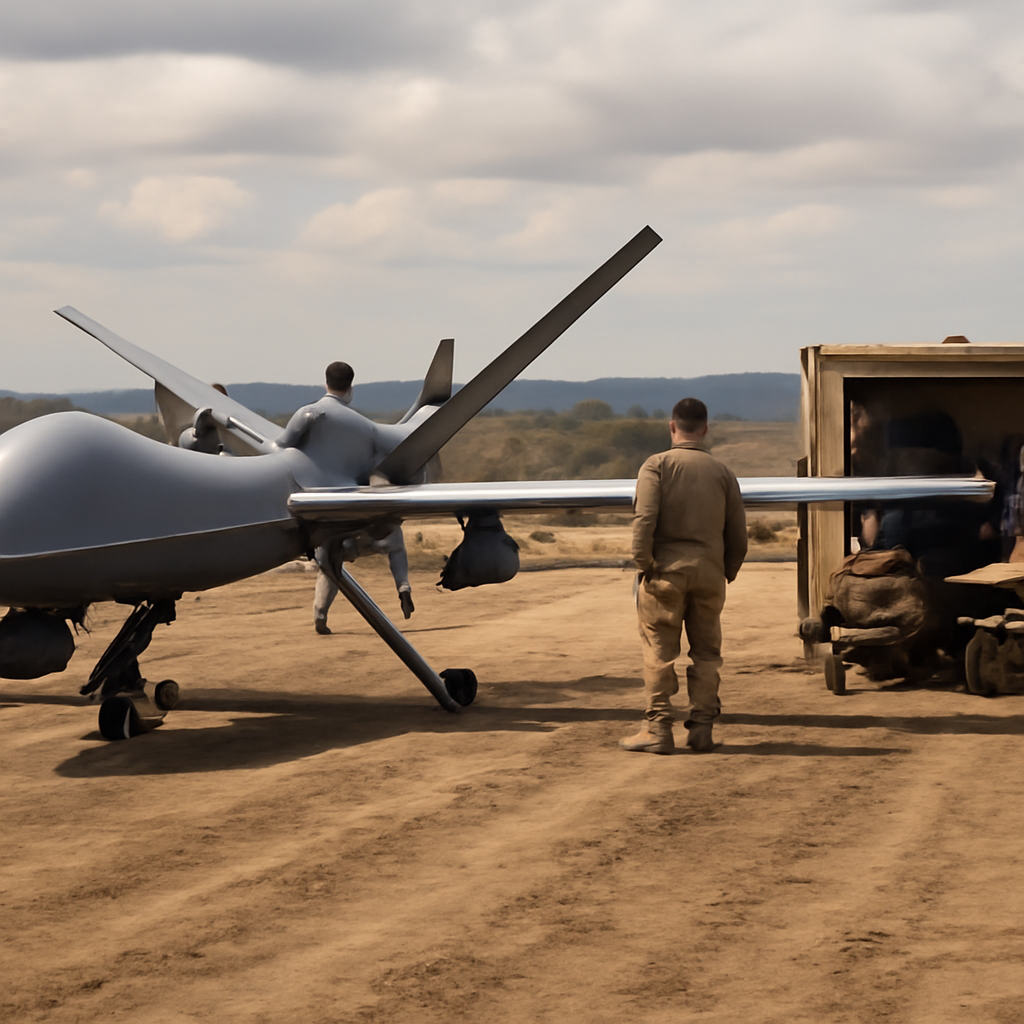
Unmanned systems are singled out as the most readily actionable area of cooperation. Indian firms such as ideaForge are exploring next‑generation unmanned systems with Japanese partners, while Japanese drone manufacturer ACSL has established an Indian presence to support manufacturing and supply‑chain localization. Cooperation between the Drone Federation of India and the Fukushima Robot Test Field is building connections in testing infrastructure and technical expertise. The source frames these ties as fertile ground for joint work across AI, sensors, autonomy, communications, manufacturing, testing and maintenance.
Industrial constraints, policy shifts and what this means for policymakers, defense manufacturers, and unmanned‑systems firms
Japan’s defense industrial base faces structural constraints the source lists plainly: a greying workforce and the erosion of second‑ and third‑tier suppliers. Lessons from recent conflicts have convinced Tokyo that "a sophisticated platform has limited deterrent value if it cannot be produced at scale, repaired, replenished and sustained under severe strategic disruption." The point is echoed in Japan’s 2026 Defense White Paper, which argued states must adapt to "new ways of warfare" — including the mass deployment of unmanned assets and preparation for prolonged conflict — and in the domestic debate preceding the National Security Strategy revision.
The source sets out the immediate negotiation fault lines: Delhi demands deep localization, domestic value addition and technology absorption; Tokyo prioritizes intellectual property safeguards, technology security and strict end‑use controls. India welcomed Tokyo’s review of the Three Principles governing transfer of defense equipment and technology, and Prime Minister Takaichi Sanae — whose Growth Strategy lists the defense industry among 17 strategic fields — visited Delhi last month to emphasize closer ties. A forthcoming Defense Production and Technology Base Strategy in Japan is expected to provide longer‑term framing for Tokyo’s commitments.
For policymakers, the calculus is concrete: capital commitments, supplier‑tier participation, localized production, depth of technology transfer, regulatory alignment and scalable manufacturing are the parameters that will determine whether cooperation survives political cycles and bureaucratic delays. For defense manufacturers, the source suggests the challenge is translating pilot projects like UNICORN and incremental DRDO‑ATLA collaboration into repeatable joint production lines that meet both localization demands and IP‑security requirements. For unmanned‑systems firms, the opportunity is immediate: existing testing links, manufacturing footholds and shared R&D offer pathways to co‑development — but success will depend on agreed protocols for technology sharing, export controls and end‑use assurances.
Tokyo and Delhi face a narrow practical test: convert strategic intent into industrial endurance. The next stage will be less about declarations and more about aligning money, suppliers, regulation and production capacity — and the ministerial meeting in Delhi on August 20 will reveal whether those alignments are beginning to take hold or remain largely aspirational.