Tag: national security
2618 articles

US Carrier Deployments Strain Naval Force Amid Global Tensions
The US Navy is feeling the strain as four of its aircraft carriers are currently sidelined for maintenance, putting extra pressure on the remaining ships to manage global hotspots. With tensions running high, the USS George Washington has been redeployed to the Middle East to help relieve the overworked USS Abraham Lincoln.

Army Seeks Digital Twin to Bolster Network Security, AI Training
The Army is on a mission to supercharge its network security and AI training by building a comprehensive digital twin of its networks - a virtual replica that will allow humans and AI to team up and defend against a staggering 1.2 million daily cyber attacks. This ambitious project will create a realistic, constantly updated training environment where operators can test and harden their defenses.
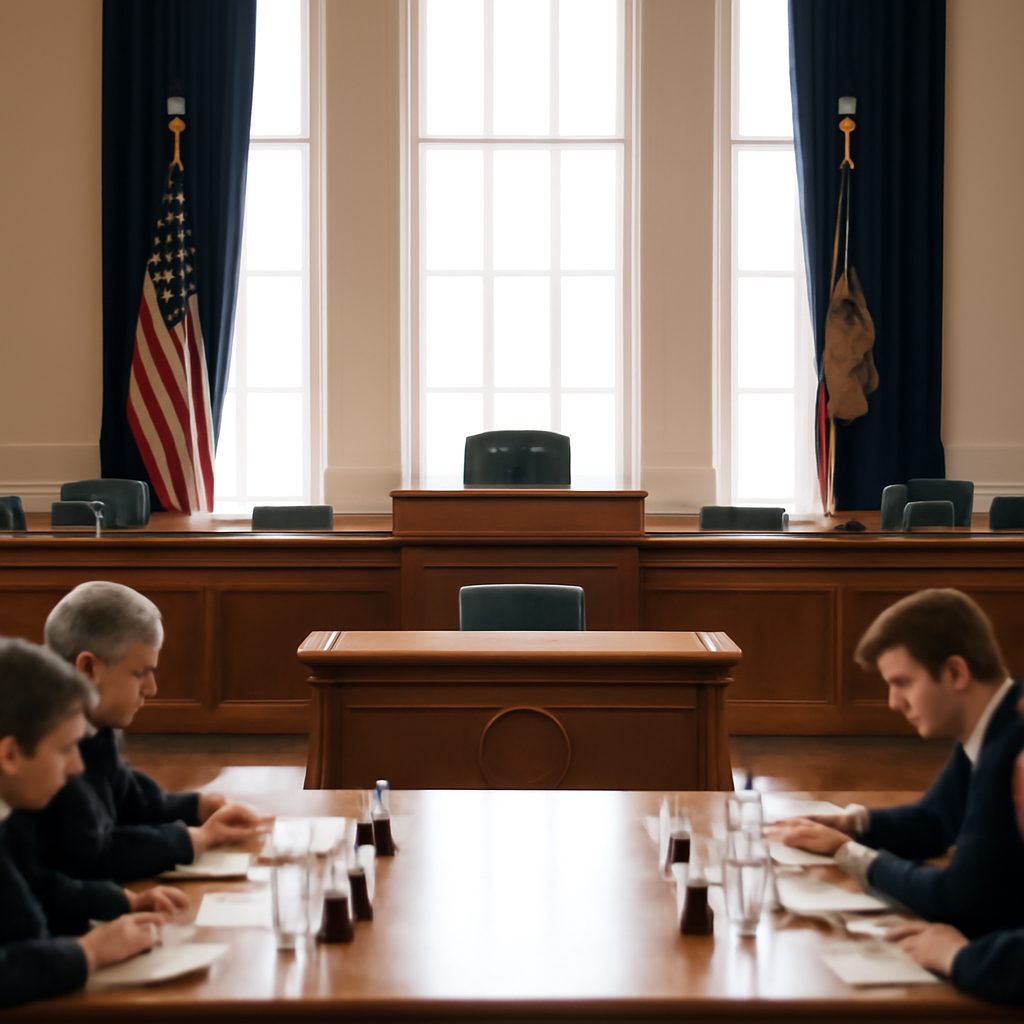
Congress Wrestles with Funding for Trump's Missile Shield Plan
The fate of Trump's Missile Shield Plan, codenamed Golden Dome, hangs in the balance as lawmakers grapple with securing crucial funding, with the White House seeking $17.5 billion but only $400 million currently in the baseline budget.

ASPI's 25-Year Experiment Champions Contestability in National Security Policy
At the heart of ASPI's 25-year journey is a bold experiment: championing contestability in national security policy by fostering open debate and diverse perspectives. This pioneering approach, seeded by Hugh White, has become the institute's DNA, driving stronger strategic policy through constructive disagreement and collaboration.

Ukraine's Fire Point Courts Pakistan with Loitering Munitions Tech
Ukraine-based Fire Point is wooing Pakistan with its cutting-edge loitering munitions tech, specifically the FP-1 Deep Strike with a 2,600 km range and the FP-2 Front Strike with a 200 km range. Can this be the spark that ignites a practical defence-industrial partnership between the two?

China Unveils Y-15 Tactical Transport with Mid-Air Refueling Capability
China just took a major leap in military aviation with the unveiling of its Y-15 tactical transport, equipped with a game-changing mid-air refueling capability that sets it apart from its predecessors, like the Y-9. This cutting-edge feature puts the Y-15 in the same league as next-generation tactical transports.
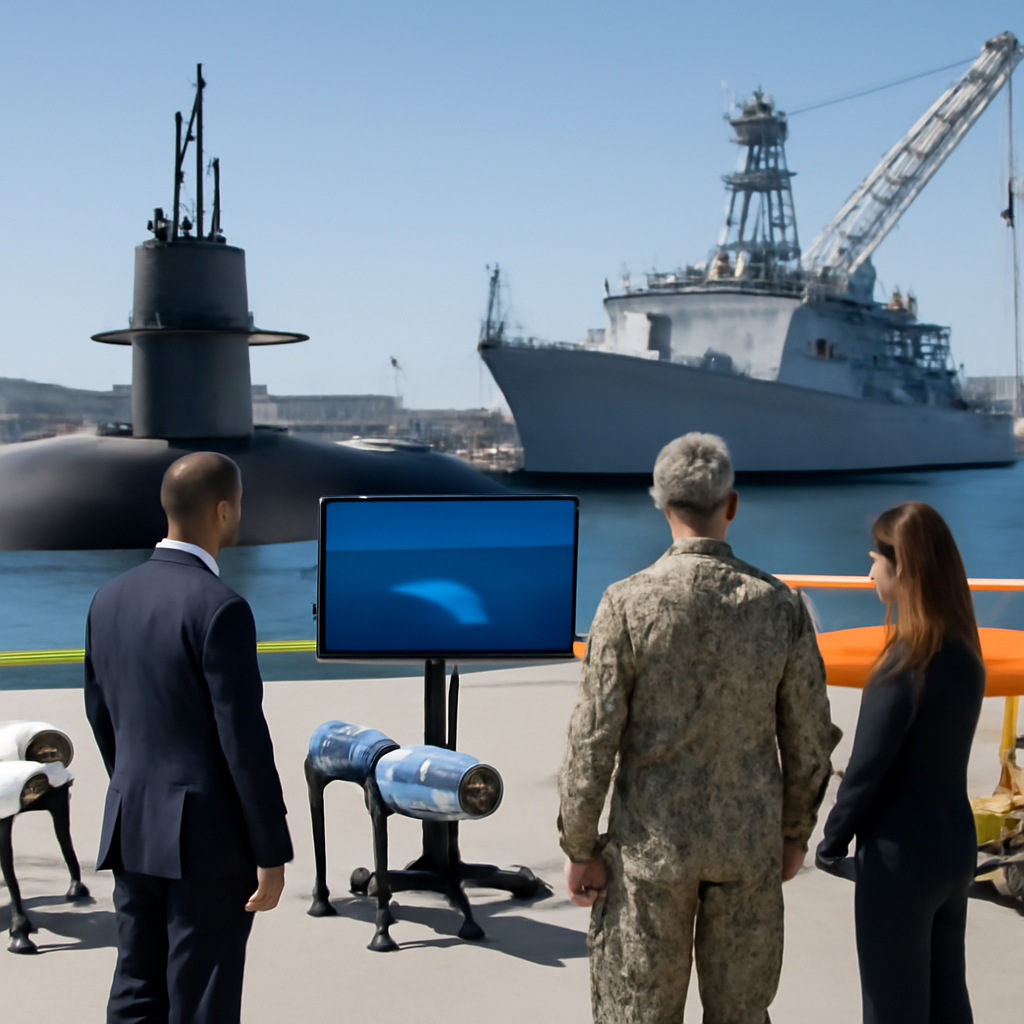
White House Targets AI, Undersea Tech in New Military Priorities
The US military is shifting its focus to cutting-edge tech, prioritizing undersea superiority, space, and artificial intelligence to stay ahead of threats. By combining lower-cost platforms with advanced tech, the goal is to deploy a powerful and flexible defense system.

US Questionnaire Tests NATO Allies' Support
The US is putting NATO allies to the test with a questionnaire that probes their support for American policies, sparking concerns that it's an unnecessary stress test. Estonia's Foreign Affairs Committee chairman Marko Mihkelson is already speaking out against it, calling it an unwelcome way to handle the situation.

US Urges AI Sector to be Designated Critical Infrastructure
The US government is being urged to recognize the AI sector as critical infrastructure, a designation that would highlight its importance to the country's well-being and security. This call to action comes from a new report by Americans for Responsible Innovation, which argues that the AI sector already has all the hallmarks of a vital industry.

Bipartisan Retail Theft Bill Sparks Surveillance Fears
A bipartisan bill aimed at tackling organized retail theft has sparked fears of a massive surveillance network, with critics warning it could have far-reaching and alarming consequences. The Combating Organized Retail Crime Act would create a new coordination center within ICE's Homeland Security Investigations division.

Pentagon Targets Contractors' Pricing Data with New Transparency Push
The Pentagon is pushing for full transparency in contractors' pricing data, aiming to prevent profit margins from getting out of control and ensure fair contract negotiations. Deputy Defense Secretary Steve Feinberg has directed senior leaders to reset expectations for supplier cost and pricing information across all tiers of the supply chain.

Defense Contractors Question Accuracy of Rising Cybersecurity Scores
Defense contractors are reporting their highest cybersecurity scores in five years, but there's a catch: they're also losing confidence in the accuracy of those scores. The average SPRS score has soared to +51 in 2026, up from +33 in 2025, sparking questions about what's behind the sudden surge.

NCSC Warns of Unchecked AI Risks, Urges Tighter Controls
Stay ahead of AI risks with expert guidance from the UK's National Cyber Security Centre (NCSC), which advises organizations to implement sandboxing, human oversight, and tight access controls to prevent unintended or malicious activity from autonomous AI agents. By taking these proactive steps, you can ensure safer deployment of AI systems and minimize potential harm.

India and Australia forge digital path for South Asia
As South Asia charts its digital course, the choices it makes on vendors, standards, and data governance will have lasting impacts on regional resilience. New Delhi should prioritize digital transformation in its regional policy, partnering with Australia and like-minded nations to shape a secure and thriving digital future.

Russia Asserts Control Over Disputed Kuril Islands Amid Regional Tensions
Russia flexes its military muscle in the disputed Kuril Islands, with a massive Pacific Fleet exercise and a high-profile visit from Vladimir Putin, signaling Moscow's determination to assert its control over the strategically vital territory. Putin's trip to Iturup, the first by a senior Russian official since the Ukraine war began, has likely raised the stakes in the long-standing dispute with Japan.

Pentagon Resists Congressional Scrutiny on Golden Dome Missile Shield Costs
The Pentagon is stonewalling Congressional efforts to get a handle on the hefty price tag of the Golden Dome missile shield, with the Congressional Budget Office admitting they've been shut out from crucial briefings. It's a secrecy move that's fueling a growing public spat over the program's potentially eye-watering $1.2 trillion cost.

China's Military Exposes Gaps in Disaster Response
China's military is highlighting its vulnerabilities in disaster response, sparking questions about its preparedness for high-stakes rescue missions. A rare photo of a custom Sikorsky Blackhawk helicopter reveals the country's efforts to bolster its capabilities in harsh weather and high-altitude conditions.
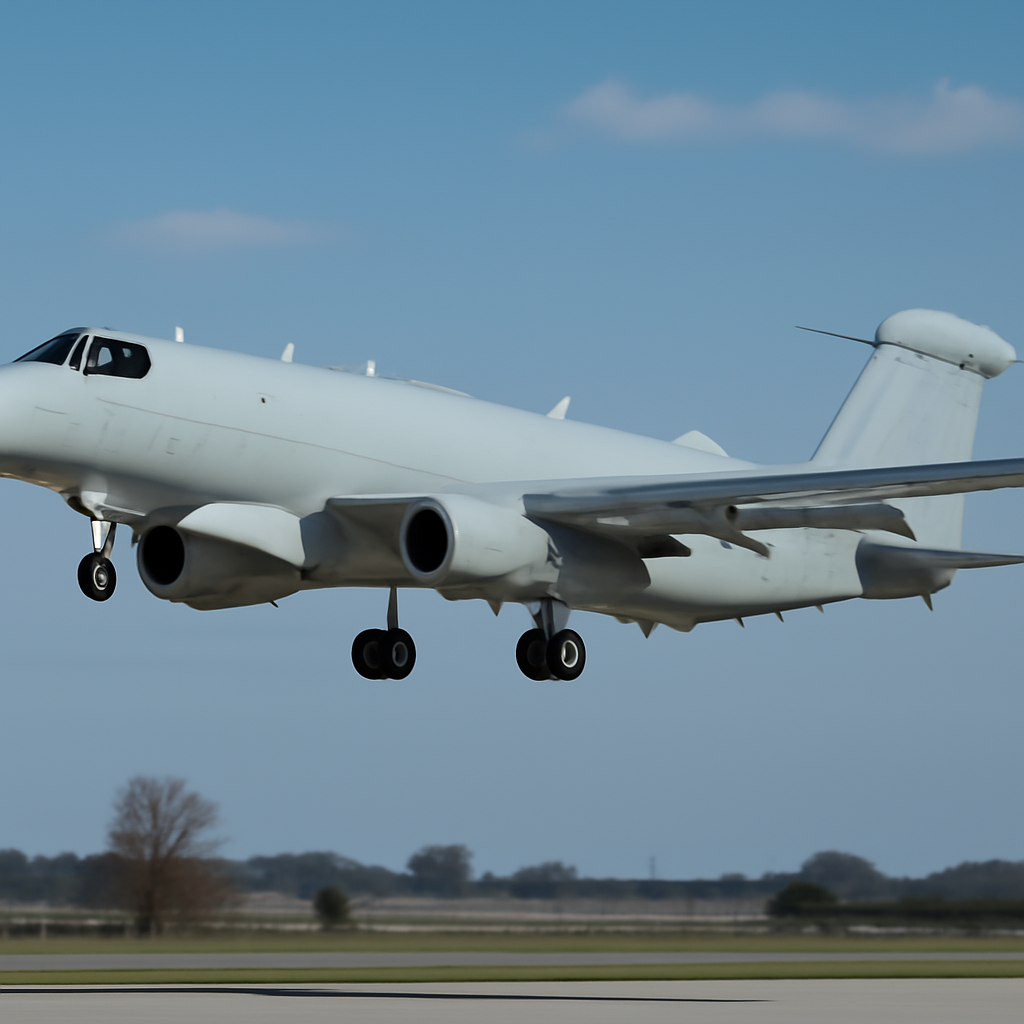


US Agencies Warn of AI-Fueled Attacks Targeting Industrial Controls
Threat actors are now using AI to supercharge their attacks on industrial control systems, dramatically lowering the bar for technical expertise and development time. This alarming evolution puts critical facilities like water, energy, and food production at risk.

US Agencies Expand DNA Database
The US government's DNA database is expanding rapidly, with a 2025 goal to build a national DNA database for solving crimes that's sparking heated debate about genetic data collection and storage. This move links DNA samples from Homeland Security detainees to the FBI's crime-fighting database, CODIS.
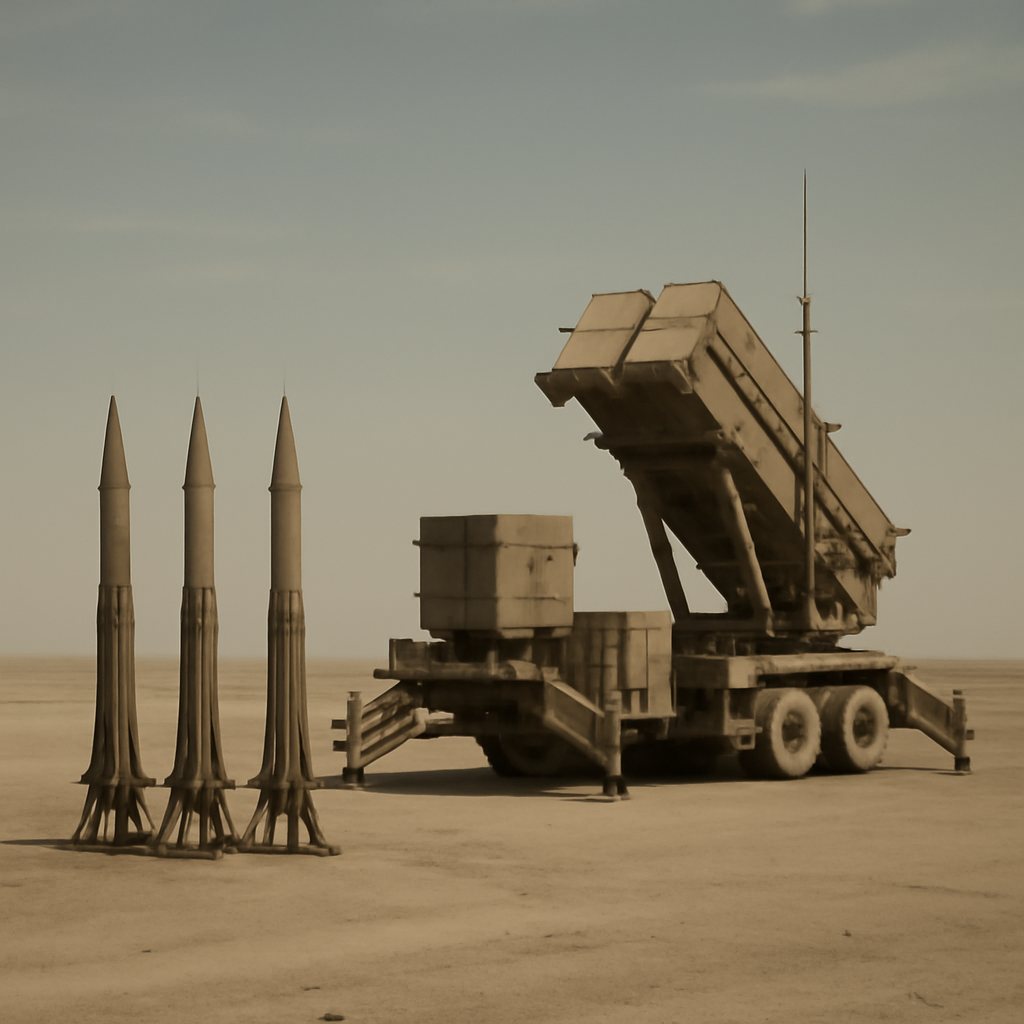
Global Missile Defences Erode as US Stockpiles Dwindle
The US is running perilously low on missile defenses, with depleted stockpiles of crucial Patriot and Thaad missiles threatening to leave the country vulnerable in the face of prolonged conflict. With as few as 70 Thaad rounds and 870 Patriot rounds remaining, lawmakers are sounding the alarm.

Arcfield Expands Satellite and Sensor Capabilities Amid US Defense Push
Arcfield is gearing up to revolutionize satellite and sensor capabilities with a bold push, aiming to deliver a fully-integrated solution to the US government. The company is launching a very low Earth orbit (VLEO) satellite this September, marking a major milestone in its development journey.

US Army Overhauls Battlefield Comms Plans to Counter Jamming Threats
The US Army is overhauling its battlefield communications plans to counter jamming threats, as traditional Primary, Alternate, Contingency, and Emergency (PACE) plans are no longer effective. Current sequential PACE plans are brittle and can't withstand concurrent, multi-band jamming, says Lt. Gen. Matthew McFarlane.