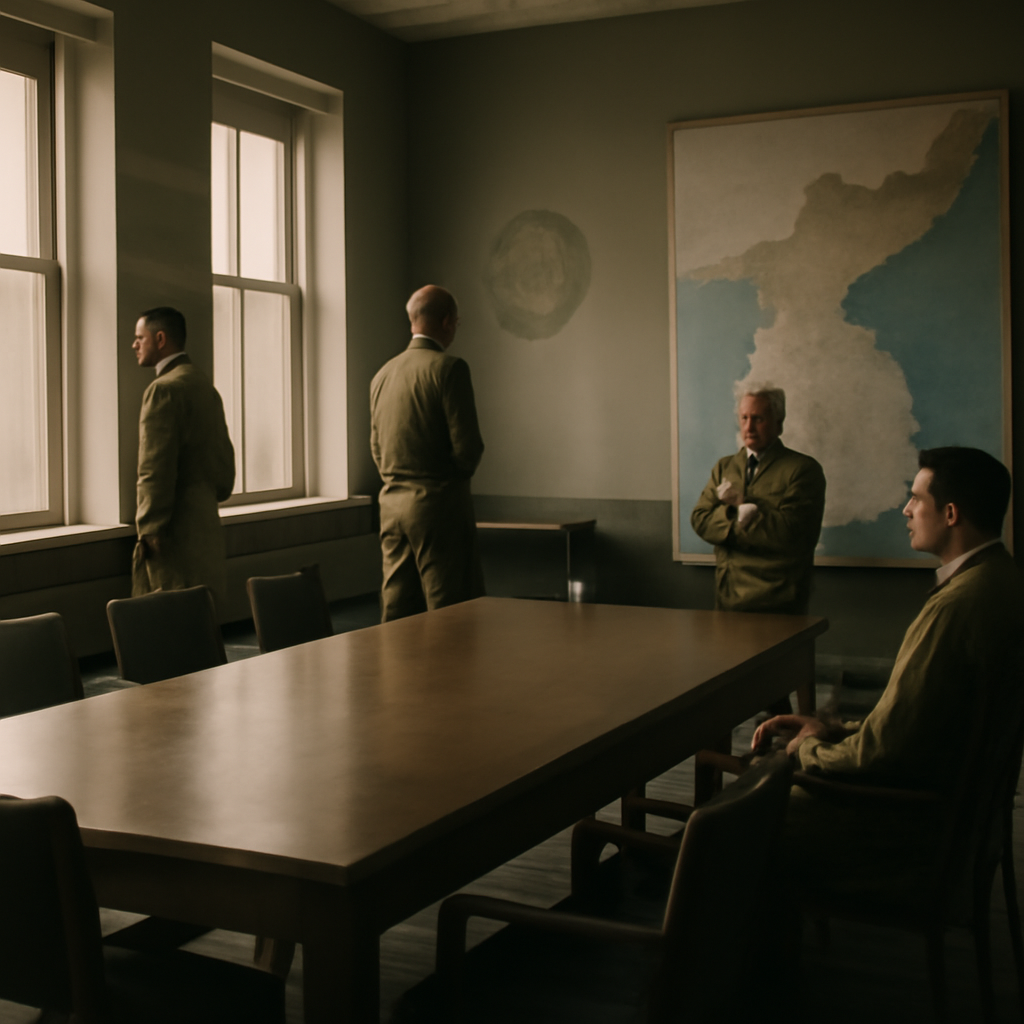
"[The exercises] are not only costly […] but send a signal that is completely inappropriate and hostile," US President Donald Trump wrote on his Truth Social account, a post that set off a chain reaction within a long-running US–South Korea military exercise.
Trump’s Truth Social broadside and the orders that followed
On Sunday the president posted that the Ulchi Freedom Shield exercises “are not only costly […] but send a signal that is completely inappropriate and hostile,” adding that he had a “very good relationship” with North Korean leader Kim Jong Un. The post said he had asked “the President of South Korea if they would like to join us in the Denuclearization of the Islamic Republic of Iran, and they said, ‘No thanks!’” and that he had instructed Secretary of Defense Pete Hegseth to “substantially reduce” the scope of the exercise. At the White House this week, the president also criticized Seoul for not paying enough money for “protection” provided by the US.
Ulchi Freedom Shield curtailed: dates and official statements
South Korea’s defense ministry acknowledged that the ongoing exercise, Ulchi Freedom Shield (UFS), would be sharply curtailed. UFS had been expected to run from Aug. 17 through Aug. 27 but will now end on Friday, Aug. 21, South Korean officials said, according to South Korea’s Yonhap News Agency and international reports. The Pentagon told The Associated Press that the “adjustments preserve essential readiness and training objectives. There will be no degradation to U.S. training objectives.”

This site is the portfolio.
OSINTSights runs on Cloudflare Workers, D1, R2, and Vectorize, with an AI pipeline on Hetzner ARM. Nubivance designed, built, and operates it. We do the same for clients.
See what we buildSeoul’s surprise and lack of prior notice
The president’s public post caught officials in South Korea off guard. Foreign Minister Cho Hyun told South Korean lawmakers that “neither our government nor US officials knew what President Trump wrote on his Truth Social [platform],” according to Yonhap. South Korean officials described the broadside as a surprise from a decades-long ally.
Pyongyang’s reaction: condemnation and a threat
Shortening the exercise did not appear to appease North Korea. The regime reportedly continued to condemn the drills and threatened to “completely neutralize the enemies [sic] military threat.” The president’s embrace of North Korea — described in reporting as “a continuation from his first administration” — drew criticism from political opponents, particularly in the context of reporting that North Korea has been sending troops to aid Russia in its long-stalled invasion of Ukraine.
What this means for South Korea, the Pentagon, and North Korea
- South Korea: Seoul faces immediate operational and diplomatic questions after officials said they were not notified in advance. The curtailed schedule—UFS now ending Aug. 21 instead of Aug. 27—creates a compressed period for the remaining activities and follow-up consultations between Seoul and Washington.
- The Pentagon: Defense officials publicly framed the change as preserving “essential readiness and training objectives” and stated there would be “no degradation to U.S. training objectives.” Those assertions set a baseline the department will need to maintain amid the shortened calendar and political scrutiny.
- North Korea: Pyongyang’s reported condemnation and its threat to “completely neutralize the enemies [sic] military threat” indicate the regime continued to view the exercise as hostile even after the reduction in scope.
The immediate, verifiable facts are clear: Ulchi Freedom Shield was scheduled Aug. 17–27 and will now end Aug. 21; the president publicly called for a substantial reduction and said he ordered the secretary of defense to do so; Seoul says it and US officials were not notified beforehand; the Pentagon says training objectives will not be degraded; and North Korea continued to condemn the drills and issued a forceful threat. These elements—altered timelines, disputed lines of communication, and continued adversary denunciation—leave operational commanders and diplomats with concrete tasks to reconcile in the days ahead.
Ashley Roque contributed to this report.



