Tag: geopolitics
936 articles
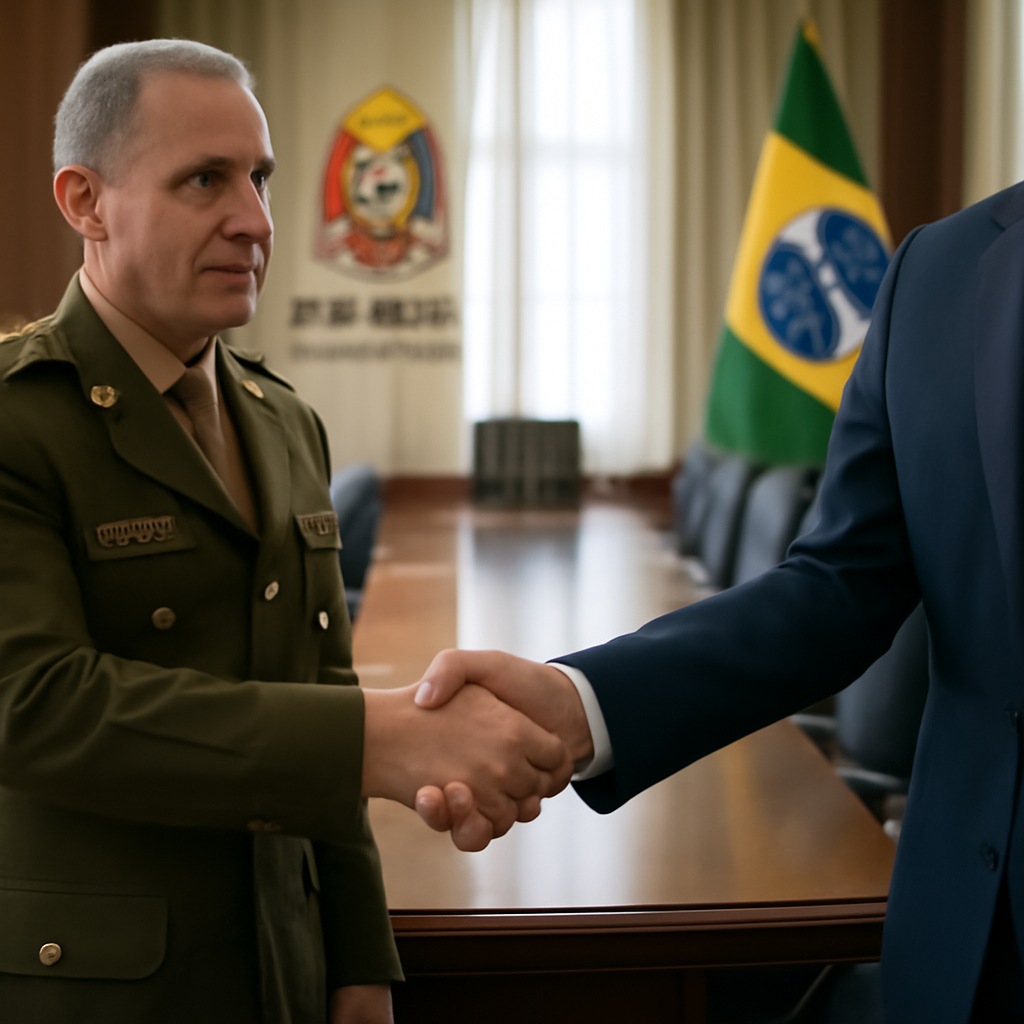
EDGE Expands Brazil Defence Ties with UAE, IMBEL Pact
EDGE is ramping up its presence in Brazil, pledging to leverage its full portfolio, engineering expertise, and industrial capabilities in the country, as outlined in a Letter of Intent signed with the UAE Ministry of Defence, Brazilian Army, and IMBEL. This strategic partnership aims to drive joint initiatives across military, industrial, and technological areas.
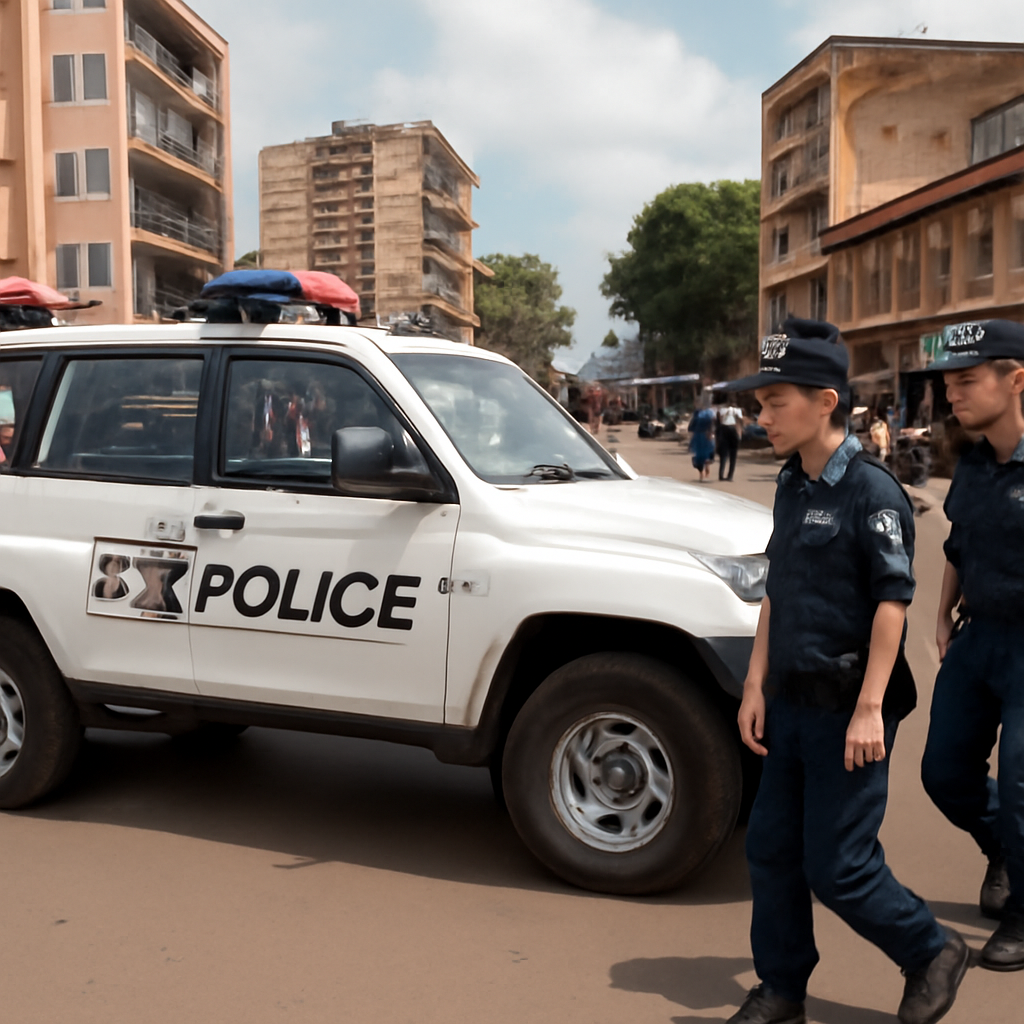
China Expands Policing Footprint in Africa with Organised Crime
China is taking its unique policing model to Africa, exporting a system that prioritizes the Communist Party's interests over citizens' rights and independent oversight. This approach, which emphasizes surveillance and pre-emptive intervention, could have far-reaching implications for partner countries.

Midterms to Shape Fate of US Military Aid to Ukraine
The fate of US military aid to Ukraine hangs in the balance of the midterms, with the outcome determining not only if aid flows, but how quickly it reaches Kyiv. If Democrats take control of the House, Rep. Jim Himes vows they'll act fast to get vital assistance to Ukraine.
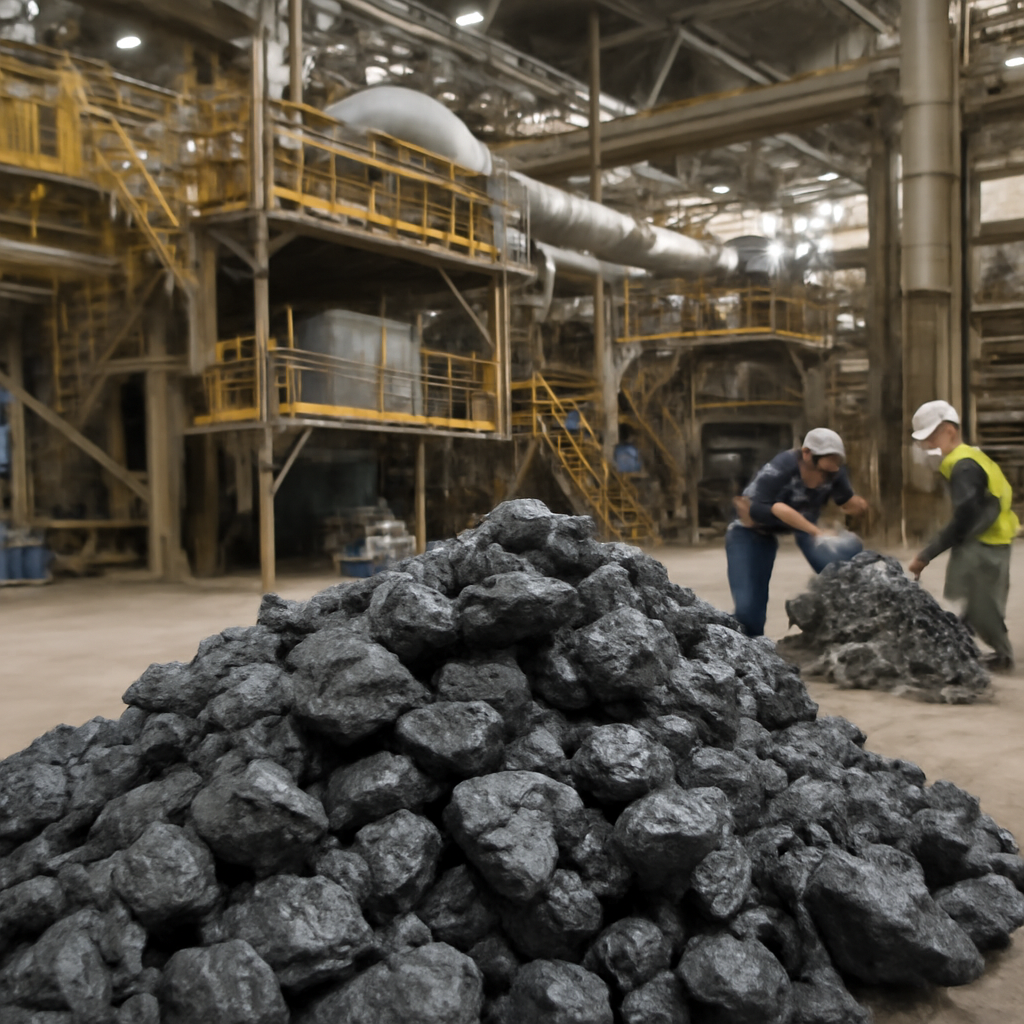
Alliances Scramble for Critical Minerals
Imagine a world where one country controls the lion's share of critical minerals - think 98% of processed gallium and germanium, 95% of refined magnesium, and over 90% of rare earths and battery-grade graphite. China's dominance in the global processing capacity for these essential resources raises significant strategic implications.

Pentagon Showcases Global Reach Amid Budget Uncertainty
The calm of a business-focused conference was shattered when six anti-war protesters stormed the stage, disrupting a high-stakes discussion on autonomous warfare featuring Pentagon chief Pete Hegseth and top military brass. The tense moment sparked a show of patriotism from some audience members, who countered the protesters' chants with a rousing "USA, USA".
Australia Fortifies Undersea Power with AUKUS Strategy
AUKUS is a game-changing strategy that's not just about acquiring submarines, but about empowering Australia to dominate the undersea landscape in a rapidly shifting Indo-Pacific. By building undersea power, Australia will gain the capacity to understand, monitor, protect, and defend its underwater interests like never before.
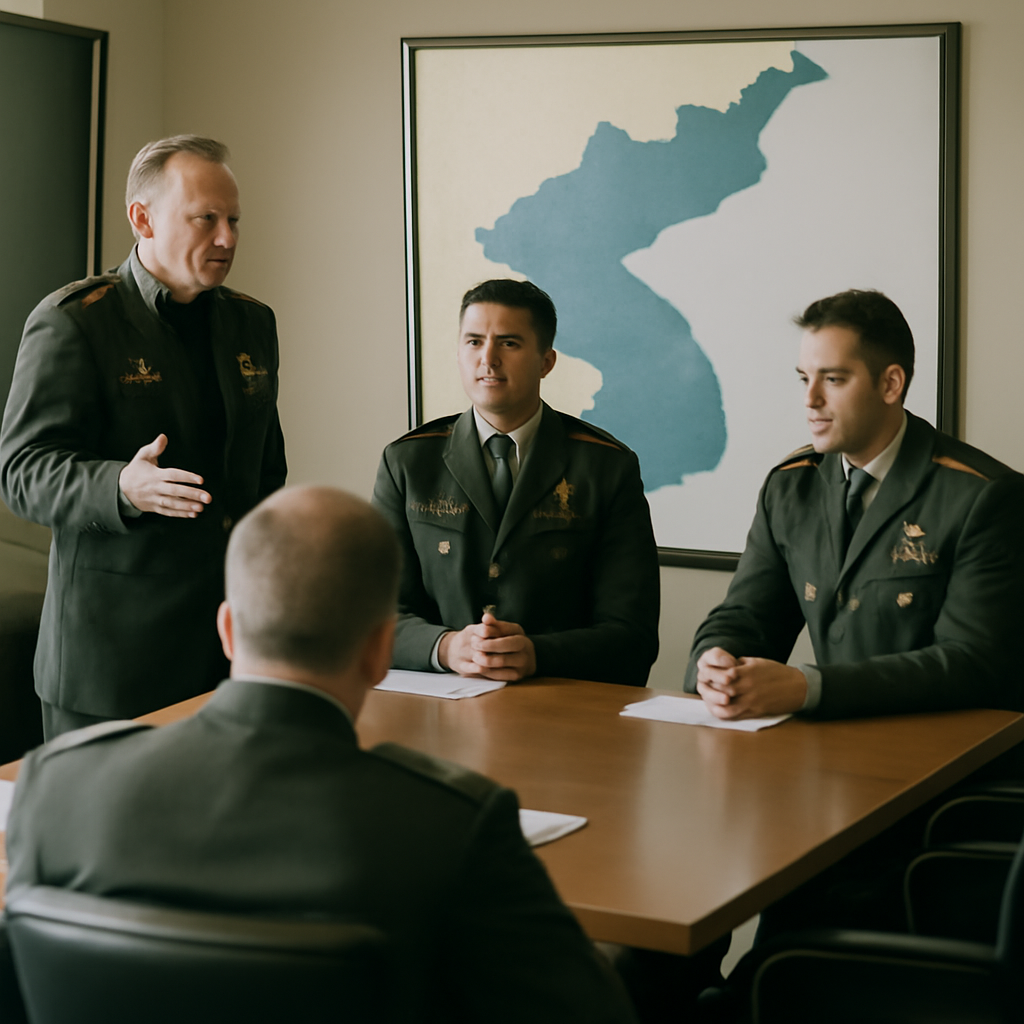
US, South Korea Weigh Wartime Control Transition
As the US and South Korea consider a historic transition of wartime control, a critical decision looms for the two commanders-in-chief: what level of support will the US provide if South Korea takes the lead in deterring North Korea? The 2026 US National Defense Strategy hints at a limited but crucial role for the US in this new era.

Australia's Information Environment Strains Democratic Institutions
The problem is that we've made it easy for anyone to create and share information, but we haven't developed strong enough tools to verify its accuracy and trustworthiness. This can have serious consequences, as seen in Bougainville in 1997, where a rumor-driven information vacuum threatened a fragile peace.
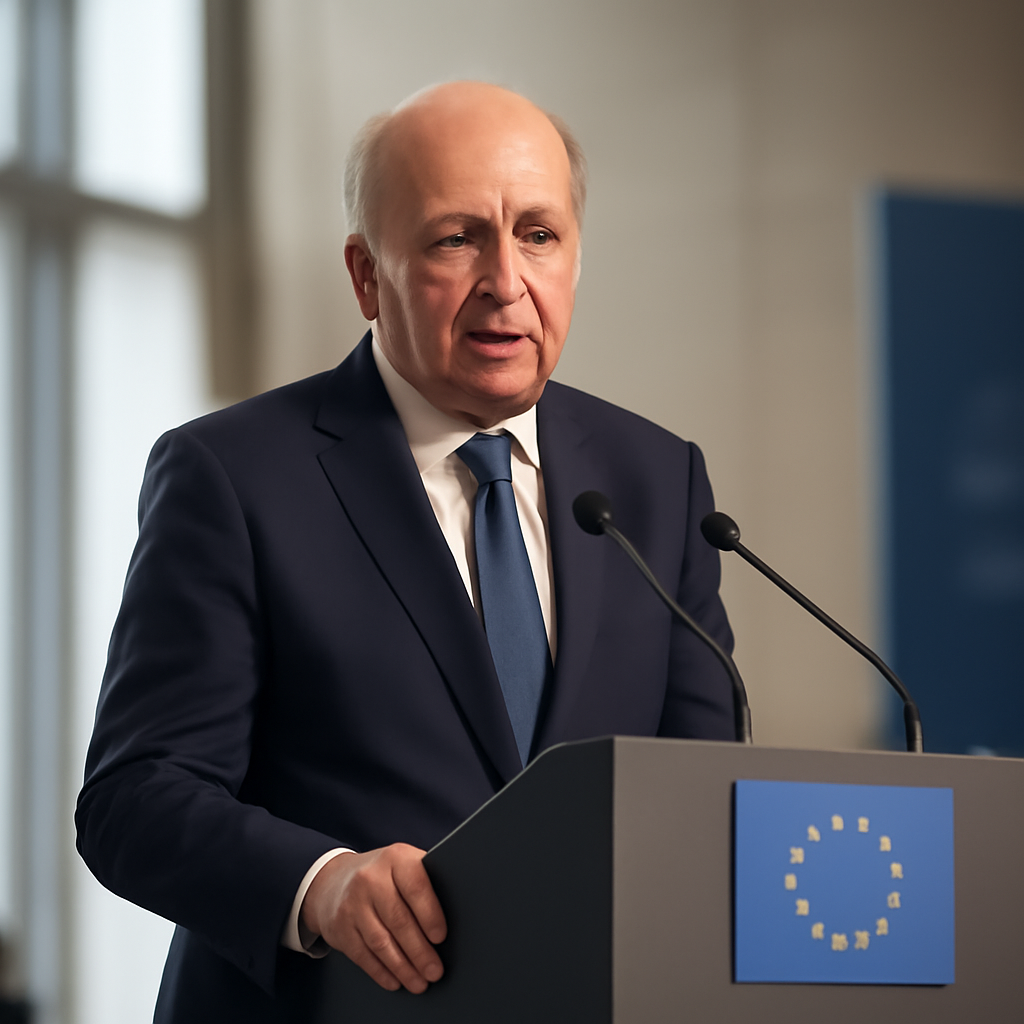
EU Bolsters Defense Push to Aid Ukraine, Counter Russia
The European Commission is stepping up its defense game to support Ukraine's fight for sovereignty and safeguard the entire European continent from Russian aggression. By bolstering its defense capabilities, the EU aims to help Ukraine defend itself and ensure a stronger, more united front against external threats.
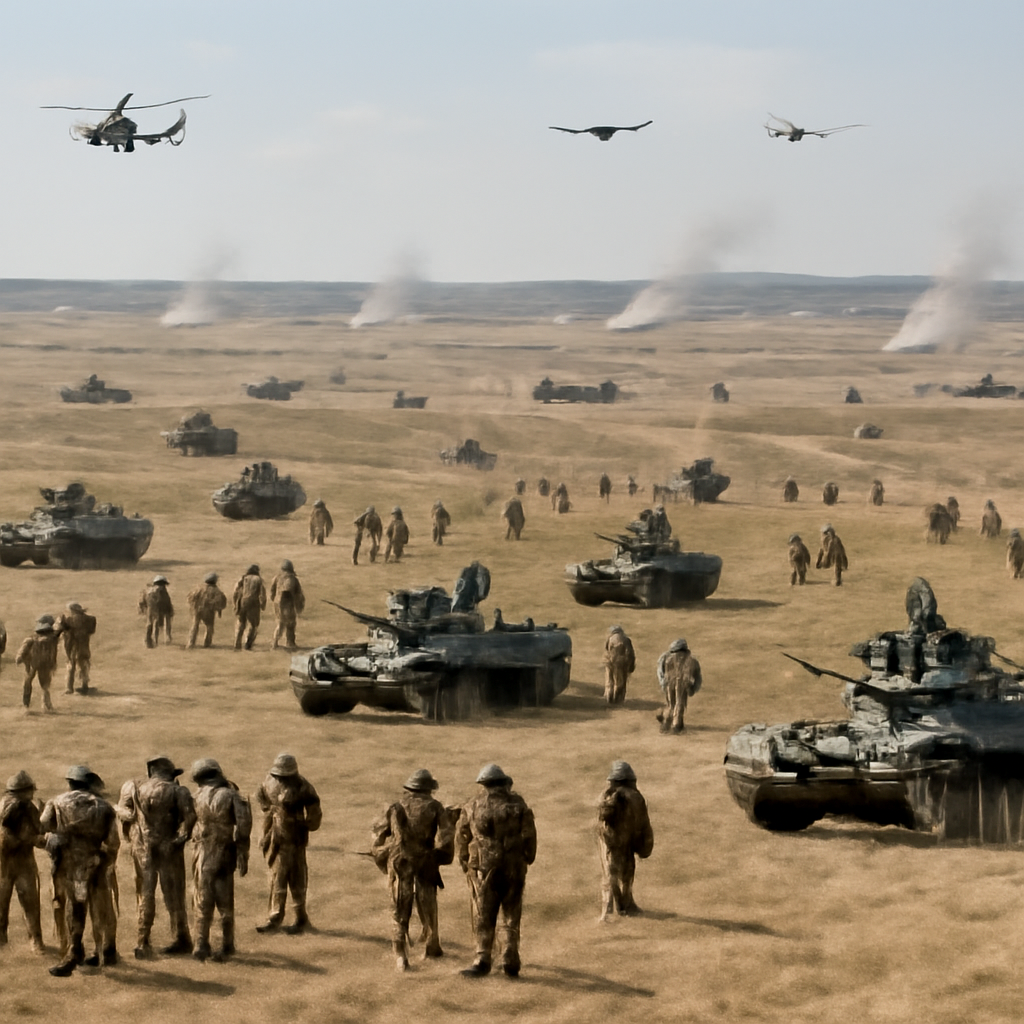
China Learns from Russia's Ukraine War Experience
China sent a team to Russia's massive Tsentr military exercise, where troops from over 30 countries practiced tactics learned from the Ukraine conflict on a mock battlefield. The drills, involving 47,000 personnel and 600 aerial drones, gave China valuable insight into Russia's wartime strategies.
China Expands Military Footprint with Laos Air Base
China just took a significant step in expanding its military presence abroad with the launch of a new air base in Laos, touted as a joint training facility to support regional stability. This marks Beijing's first openly acknowledged overseas military installation, sparking curiosity about its strategic ambitions.
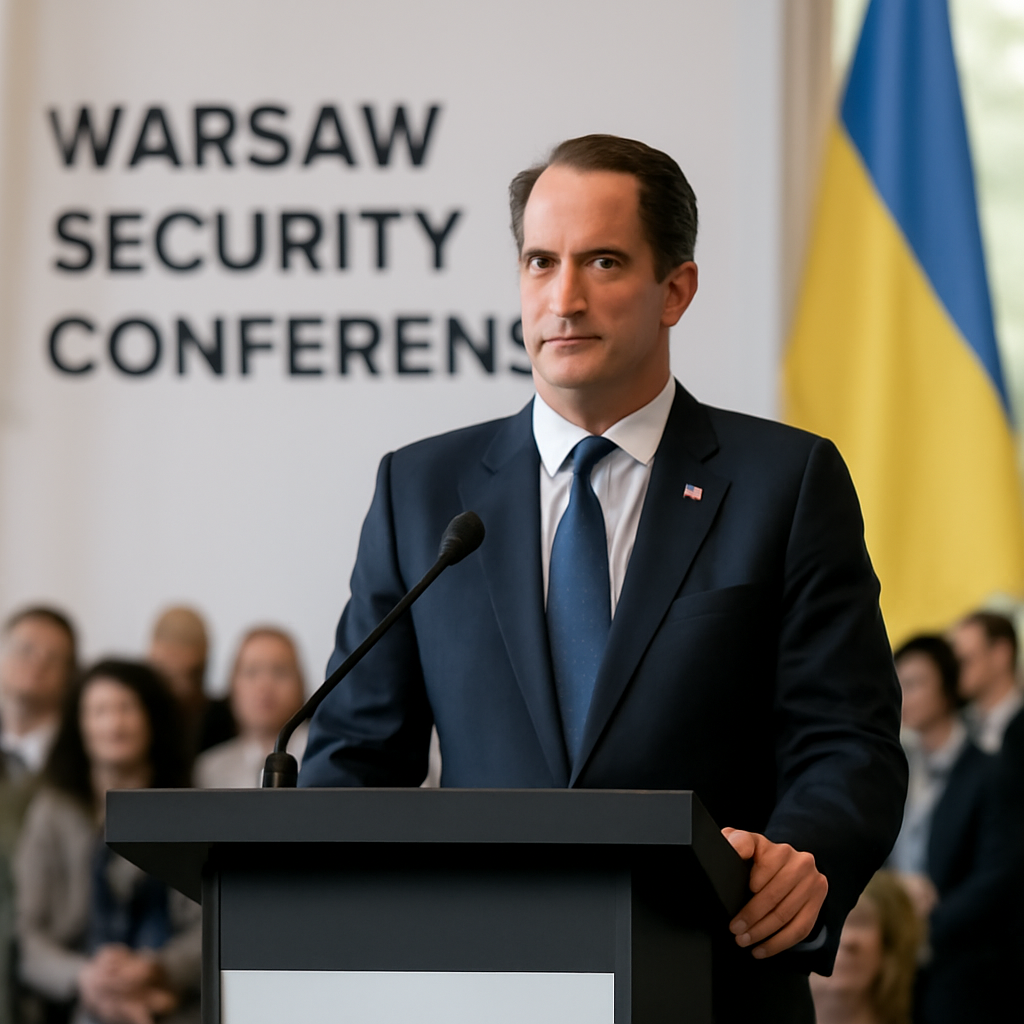
Midterm Shift Bolsters Ukraine Aid Prospects
With Democrats potentially taking control of Congress, US aid to Ukraine could flow much faster - in a matter of weeks rather than months - and send a powerful message of support. This shift in power could force President Trump to negotiate with Democrats to fund his priorities, including military aid to Ukraine.

Underground Warfare Exposes New Limits of Military Superiority
Military superiority isn't what it used to be - in Ukraine, Iran, and Gaza, we've seen a new pattern emerge where superior forces are being checked by defenders who take their operations underground and keep vital supplies flowing. As surface forces become increasingly visible and vulnerable, national-security planners may need to rethink whether great military power alone can still guarantee a quick win.
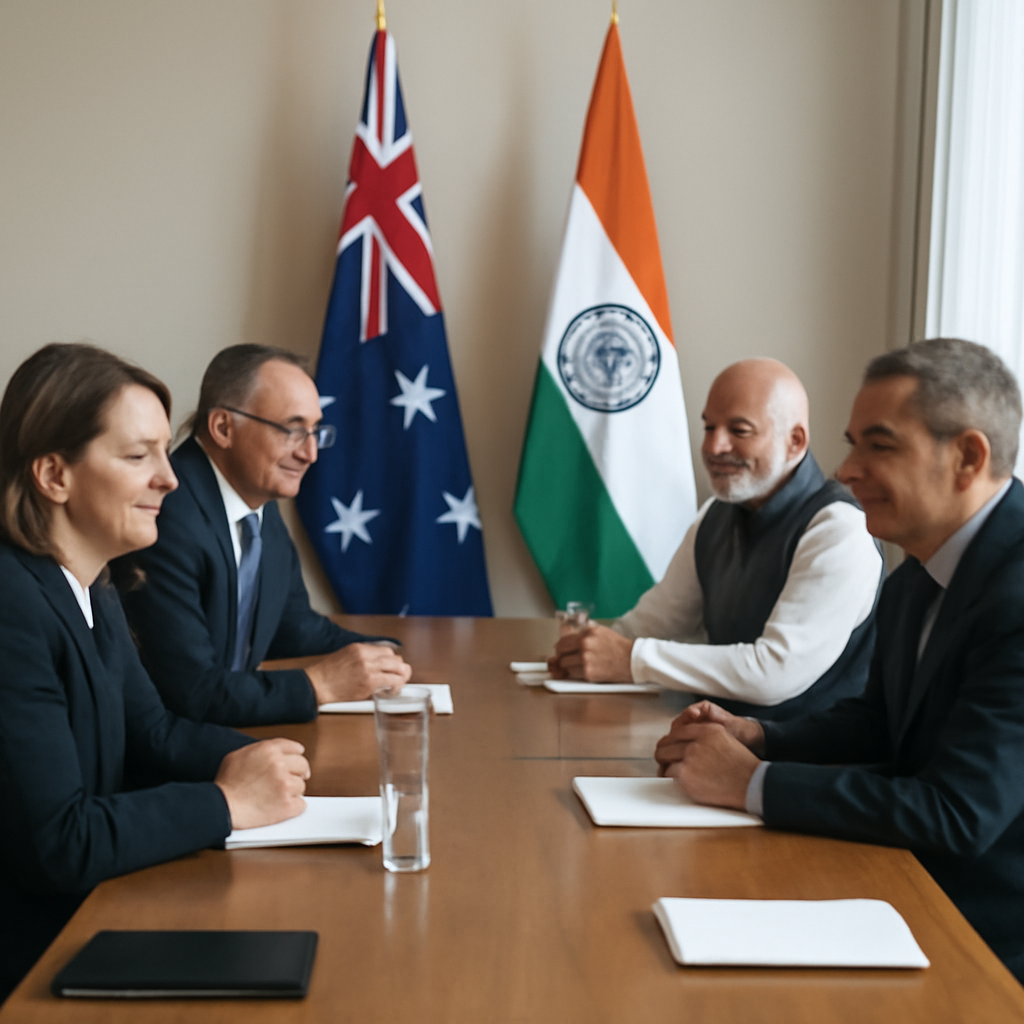
Australia Pursues Bilateral Nuclear Diplomacy with India Amid Global Instability
As global instability escalates in the wake of the US-Russia arms treaty expiry, Australia is proactively forging a new path with India through a bold five-step nuclear diplomacy plan. By spearheading targeted bilateral talks, Australia aims to strengthen non-proliferation efforts and promote nuclear transparency.
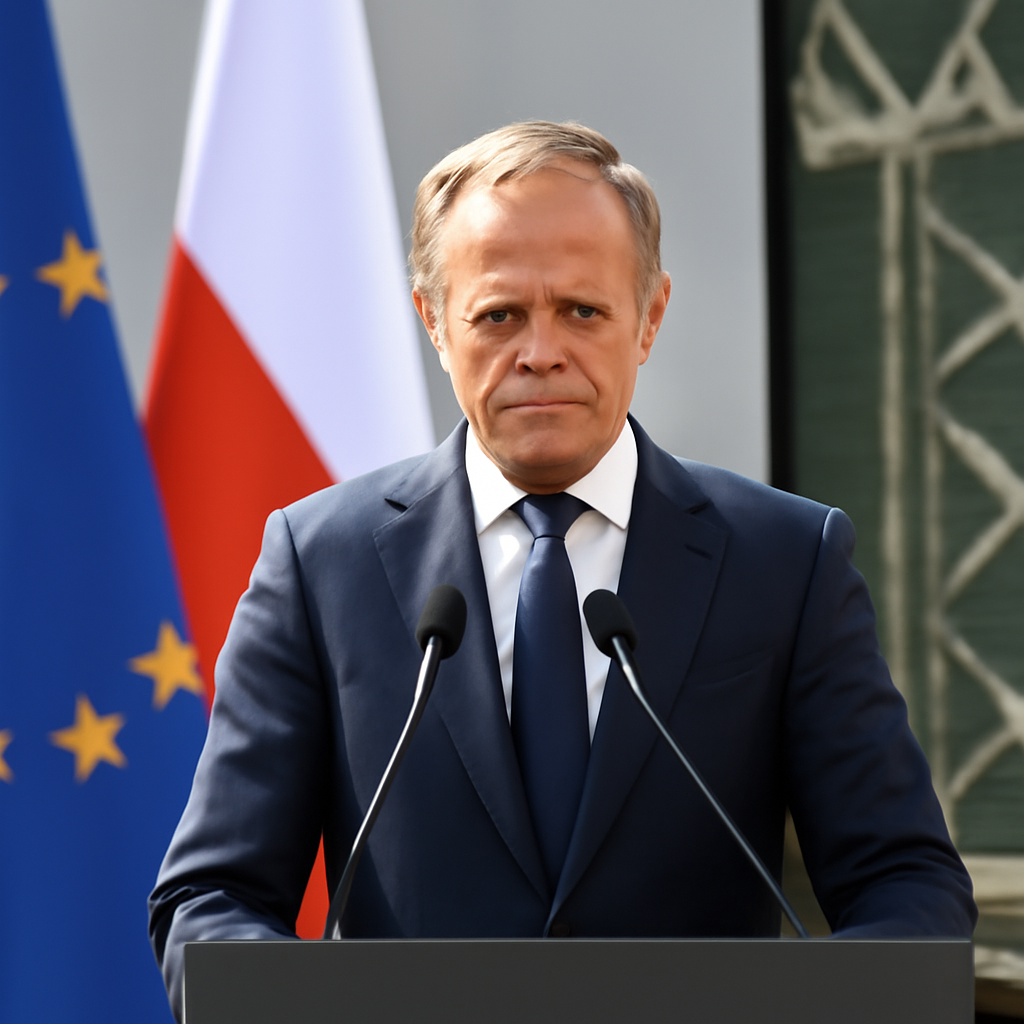
Poland's Tusk Warns Europe of Russian Threat Escalation
Donald Tusk is sounding the alarm: Europe must stand strong against Russia's growing threat, or risk facing a grim reality. He urges the continent to take a firm stance, warning that weakness only emboldens aggression.

ASPI Enhances Critical Technology Tracker with Patent Data Analysis
The Australian Strategic Policy Institute has supercharged its Critical Technology Tracker with a game-changing patent analysis feature, providing a deeper dive into innovation across over 20 critical technologies. This powerful update arms users with two decades of historical data, revealing trends and insights that will reshape their understanding of global tech leadership.
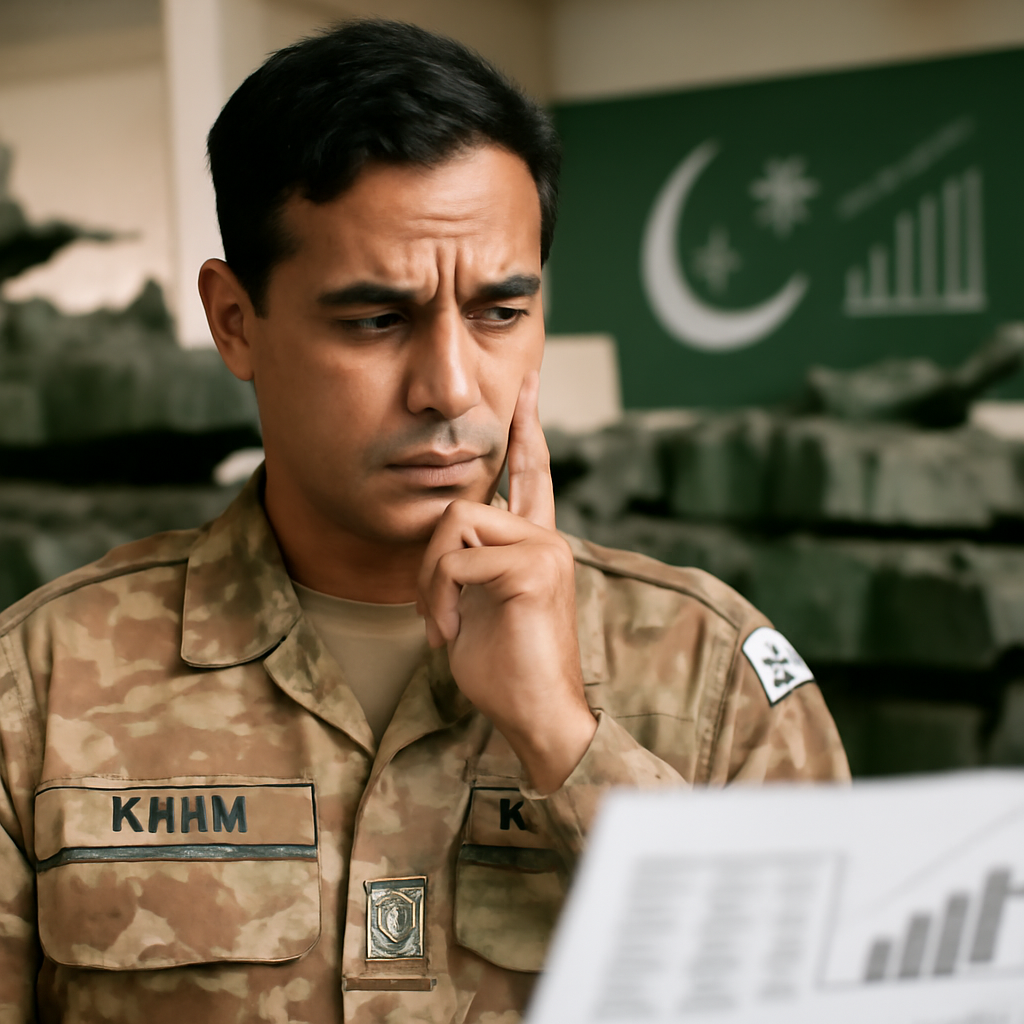
Pakistan's Defence Woes Stem from Debt Trap
Pakistan's defence woes are rooted in a crippling debt trap, with a whopping $28.91 billion owed in interest payments, leaving a meager $10.77 billion for defence procurement. This cash crunch forces the country to rely on external financing and supplier credit, limiting its defence capabilities.
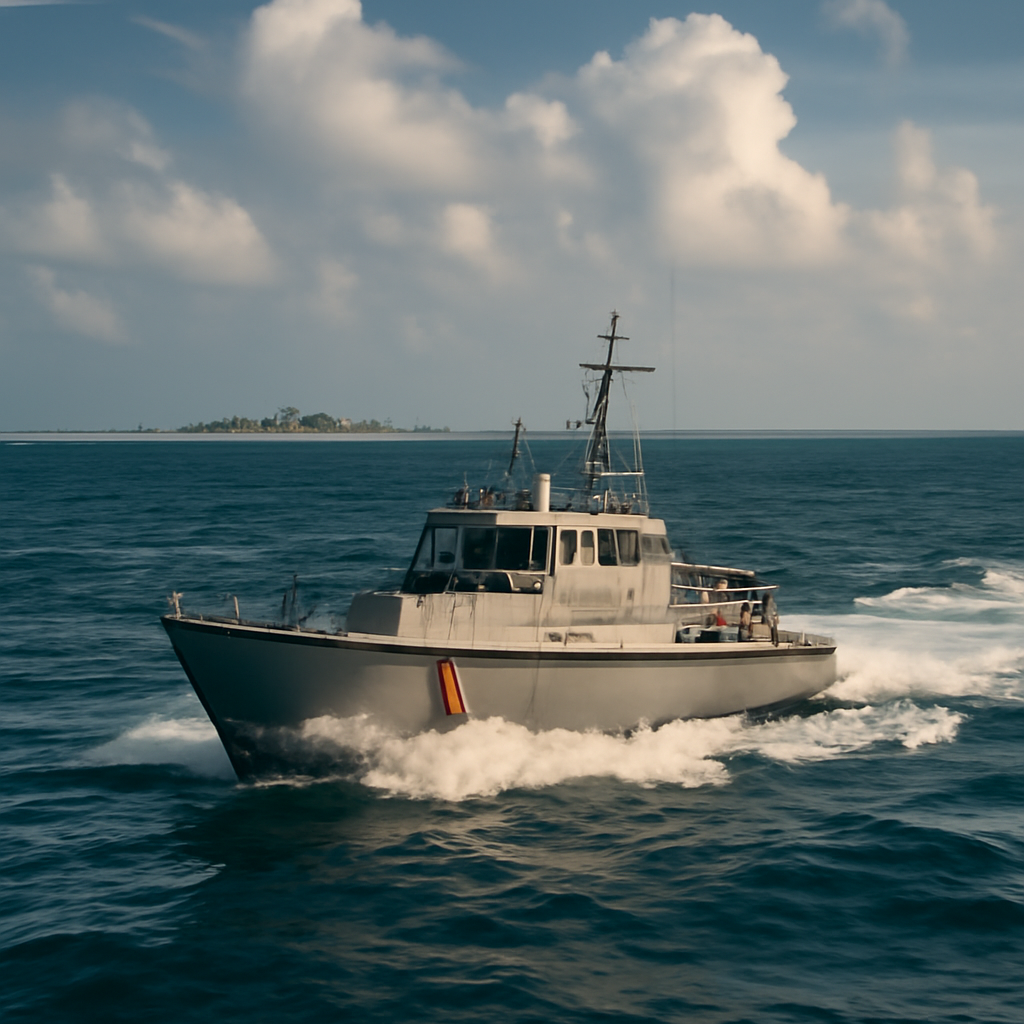
US Urges Counterplay in South China Sea Grey Zone
It's time to shake up the status quo in the South China Sea, where passive resistance to Beijing's aggressive tactics is no longer working. The US and its partners must now decide whether to step up with smart, targeted measures that will make Beijing rethink its approach.

Women's Influence Lags Behind Inclusion in Security Institutions
These Afghan policewomen weren't just fighting for protection - they were fighting for a seat at the decision-making table, where their voices could shape the security and future of their country. Despite the risks, they showed up to work, often in civilian clothes to avoid harassment, and led with courage and conviction.

Australia's AI Sovereignty Hinges on Foreign Model Risks
Australia can take control of its AI sovereignty by hosting and adapting foreign open-weight models domestically, making them more secure and locally relevant, even if their parameters were trained abroad. This approach allows for a practical and achievable path to AI sovereignty, rather than an all-or-nothing approach.
China's Laos Air Facility Debunked as Military Base Fears
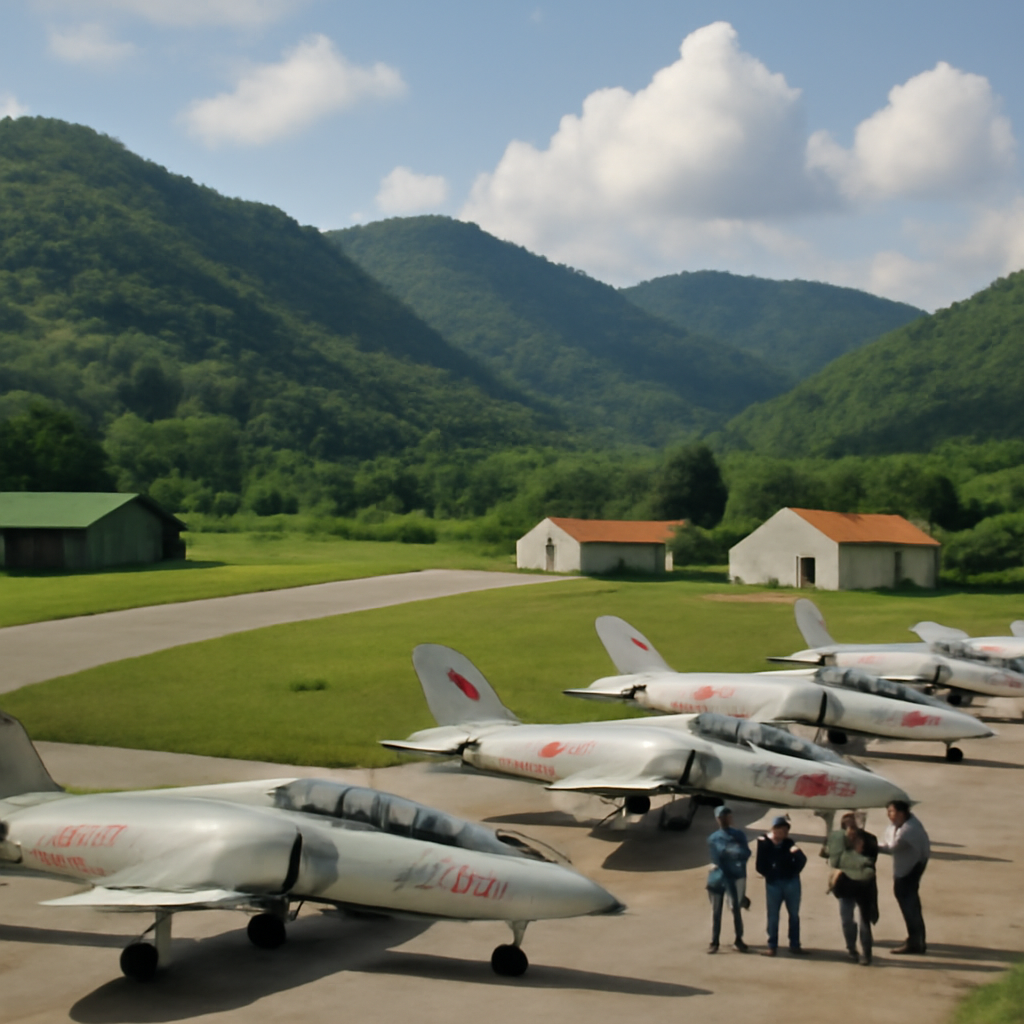
New evidence reveals that China's Laos air facility is not a military base, but rather a small training center with limited infrastructure, contrary to widespread alarm and speculation. A closer look at the facts shows that the Ban Keun facility is built for training, not for expeditionary combat operations.

Forum Debates Geopolitics Amid Offline Discussions
Want to dive into a heated debate? Do so with respect, knowing that not everyone will share your views - and be sure to keep the conversation civil and fact-based, with no room for name-calling or personal attacks.
Australia's Afghan Legacy: Unresolved Debts and Unfinished Business
For over two decades, 39,000 Australian Defence Force members served bravely in Afghanistan, working alongside diplomats, police, aid workers, and civil officials to build a better future. Their remarkable journey began in 2001 with a special forces task group and ended with the closure of the Australian embassy in 2021.

Autocrats' AI Ambitions Mask New Vulnerabilities
In a shocking display of defiance, Marina Ovsyannikova stormed onto a Russian news broadcast with a bold message: "Stop the war" - but her courageous act of rebellion is now being mirrored by a more artificial form of dissent, as state TV turns to AI-generated anchors and voices to spread propaganda. Russian propagandist Margarita Simonyan reveals that these digital personas are the future of state-controlled media, with AI-created faces and voices that can be easily manipulated.