"The 'battle in the sky' would ultimately determine how the Russia–Ukraine war would end," Ukrainian President Volodymyr Zelensky told the Financial Times in June — a pithy, strategic framing that now underpins Kyiv's urgency as it rushes to prepare for a winter when Russian efforts to incapacitate Ukraine's electricity grid are expected to intensify.
Air-defence shortfall: Patriots, production and political constraints
Kyiv's government estimates it needs at least 300 Patriot PAC‑3 interceptors ahead of the coming winter. That demand sits against two linked constraints reported in the source material: American interceptor stocks have fallen dangerously low "in fighting Iran," and, although in July US President Donald Trump promised Ukraine a licence to build Patriot interceptors, US manufacturers Lockheed Martin and Raytheon have not moved forward. The Atlantic reported that the firms worry Ukraine might produce interceptors more cheaply and in higher volumes, threatening their business models. Ukrainian officials have even stopped publishing ballistic‑missile interception rates, the source says, "simply because there are few or no interceptor missiles to use."
Jet‑powered strike drones and the evolving air threat
After years of attritional warfare, the air war has become central. Kyiv has developed long‑range strike drones and domestic jet missiles such as the FP‑5 Flamingo; the Flamingo "has increasingly been causing problems for the Russians." Russia, for its part, is adapting: on 17 August it claimed to have shot down more than 800 Ukrainian drones during one of the largest drone attacks of the war. The source contrasts earlier Iranian‑developed Shahed propeller drones—against which Ukraine fielded many drone interceptors—with an increasing use by Russia of faster, jet‑powered drones that fly higher and are substantially harder to intercept, raising the need for additional air‑launched missiles and faster interceptors.

This site is the portfolio.
OSINTSights runs on Cloudflare Workers, D1, R2, and Vectorize, with an AI pipeline on Hetzner ARM. Nubivance designed, built, and operates it. We do the same for clients.
See what we buildEuropean cooperation and Freyja: a mid‑term hedge
Ukraine is pursuing both domestic production and international cooperation. Recognising that even a Patriot licence and ramped production could take years to yield meaningful numbers, Kyiv is pushing for a combined European missile‑defence effort—the Freyja missile defence project—to integrate existing technologies. The stated aim in the source is to have the first interceptor missile ready by mid‑2027, a timeline Kyiv judges still too long for the immediate winter threat. The source also cites possible European systems such as SAMP/T and the prospect of the United States increasing its own production as part of longer‑term options.
Fortifying the grid: hardening, dispersal, and supply lines
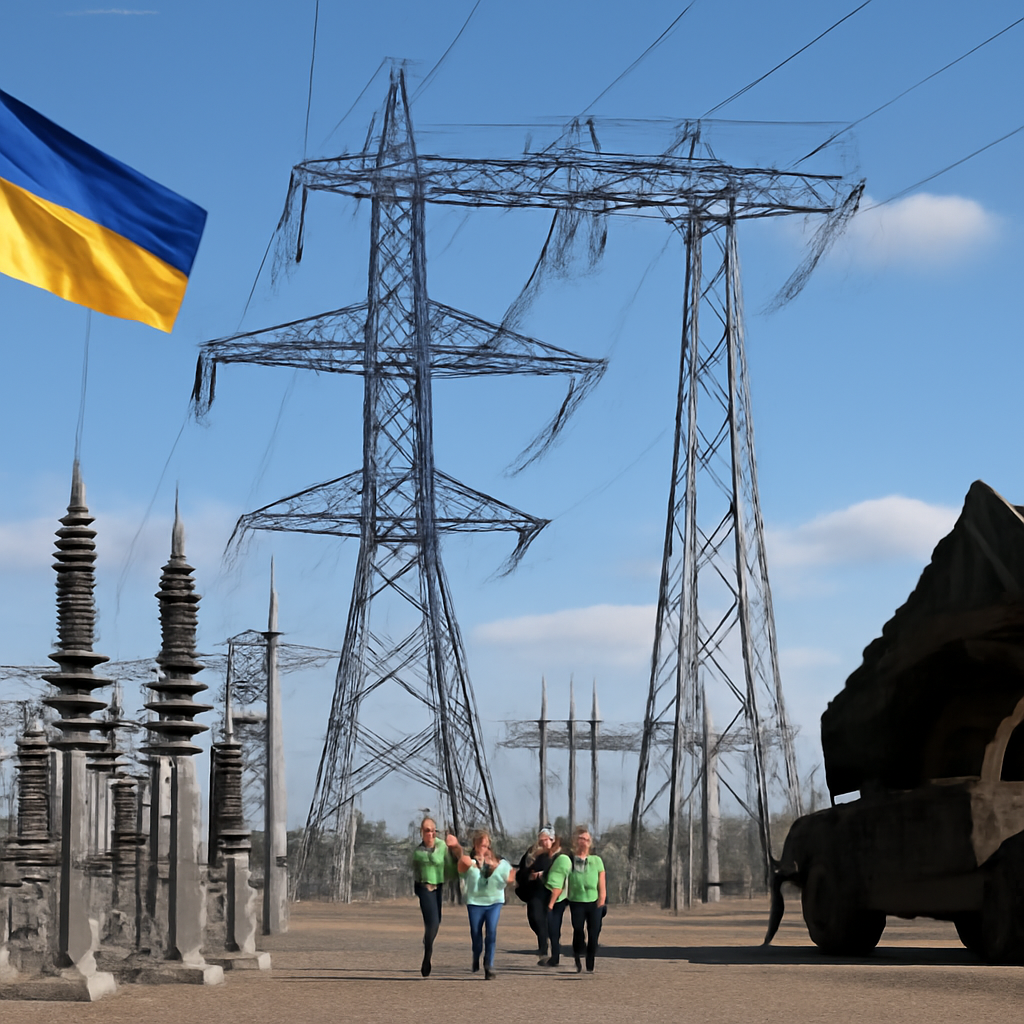
Practical civil‑protection measures are high on Kyiv's list: hardening the electricity grid, building concrete shelters around transformers and other critical equipment, moving substations underground, stockpiling spare parts, and further dispersing power generation. These steps aim to blunt the effect of drone and missile strikes on energy infrastructure, but the source is clear that "more money is needed for all this, and there is simply not enough to cover every need." Former development minister Oleksii Kuleba told the source that some hardened grid nodes had withstood 40 direct hits yet continued operating—evidence that physical hardening can work. The source also warns that Russia will target water supplies and has focused drone strikes on warehouses that store food, compounding humanitarian risk ahead of winter.
What this means for policymakers, European partners, and civilians
- Policymakers: Will be pressed to prioritise interceptor procurement and to decide whether to enable licensed domestic production; they must also weigh funding for grid hardening versus offensive capabilities to strike missile launchers in places such as Bryansk and Kursk.
- European partners: Face decisions about accelerating Freyja and integrating systems such as SAMP/T, while balancing industrial interests and timelines that the source indicates may not deliver before mid‑2027.
- Civilians: Residents are already planning moves to western Ukraine, closer to the Polish border, where there is less risk of freezing or strikes, though housing demand there is high and not everyone can afford such relocation; some foreigners in Kyiv told the source they planned to leave the country for the winter.
The arithmetic at the heart of the coming months is stark and simple in the source's terms: defence is costlier than offence; Russia can produce many strike missiles and is adapting tactics; Ukraine's air defences and stock of interceptors are thinned; and substantial repairs and hardening require funds Kyiv does not have in abundance. One clear connective thread is political will—Zelensky's framing of the sky as decisive signals Kyiv's recognition that sustaining Western presence and support, maintaining public morale, and buying time to field European systems or domestic production may decide which side can outlast the other.
As winter approaches, two proximate questions in the source remain pressing: can Kyiv accelerate a mix of hardening, new interceptors and European cooperation fast enough to blunt an intensified campaign against power, water and food storage; and will foreign industry and governments move beyond promises—such as the July Patriot licence—to concrete production and funding in time? The source leaves the answer unresolved, but it frames the stakes in clear, immediate terms: the next months will test whether Ukraine can preserve its grid, protect its people, and sustain the political will to fight through another winter.
https://www.aspistrategist.org.au/ukraine-races-to-prepare-for-winter/