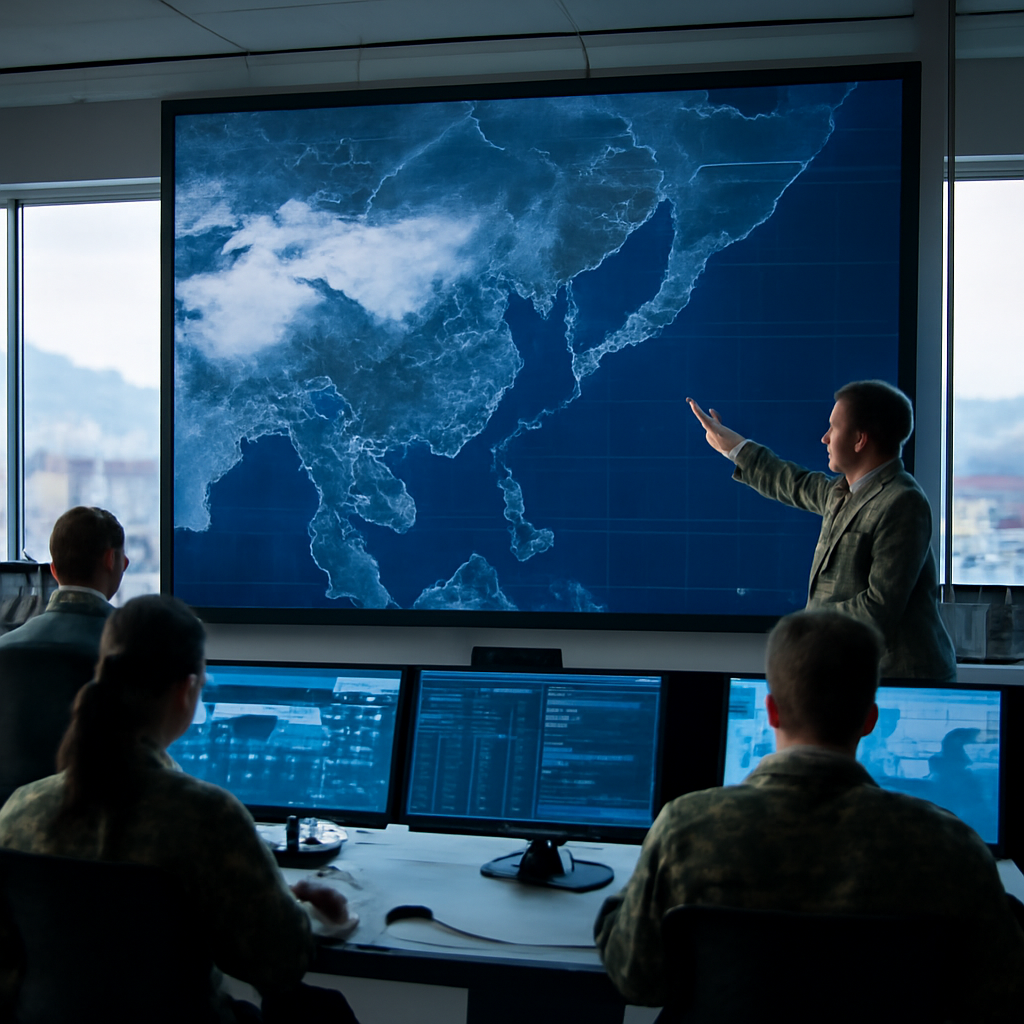
"[The future command-and-control system will] rapidly integrate and analyze data to secure a decision-making advantage through target selection and situational awareness," the budget request says.
8.89 trillion yen frames a continuing record-high defense trend
Japan’s defense ministry has requested 8.89 trillion yen (about $55.6 billion) in its latest annual budget proposal, continuing what the ministry describes as a year‑on‑year trend of record-high defense spending. The request, published on Monday in Japanese, covers the fiscal year beginning next April. Unlike prior requests, the document omits procurement numbers and many itemized costs — a choice the ministry tied to the fact that three key national security documents have not yet been released: the National Security Strategy, the National Defense Strategy, and the Defense Buildup Program. Those documents are expected later this year, and the request now moves to the Ministry of Finance for approval, which is likewise expected later this year.
Japan signals a new anti-radar capability: AGM-88G AARGM-ER
For the first time, the budget request explicitly flags interest in a dedicated anti-radar missile, naming Northrop Grumman’s AGM-88G Advanced Anti‑Radiation Guided Missile‑Extended Range (AARGM‑ER). The ministry’s mention marks a notable capability choice: anti‑radar weapons are intended to suppress or destroy hostile radar and associated air‑defense sensors, and the AARGM‑ER is listed alongside other new stand‑off capabilities the request emphasizes.

Audit-ready is a season. It shouldn't be.
Evidence in spreadsheets, controls drifting between audits, frameworks multiplying on flat headcount. Nubivance runs continuous compliance on Rapid7 Cyber GRC - SOC 2, HIPAA, ISO 27001, PCI, CMMC.
End the scrambleMissiles: low‑cost cruise options, submarine‑launched arms, and ASM‑3 evolution
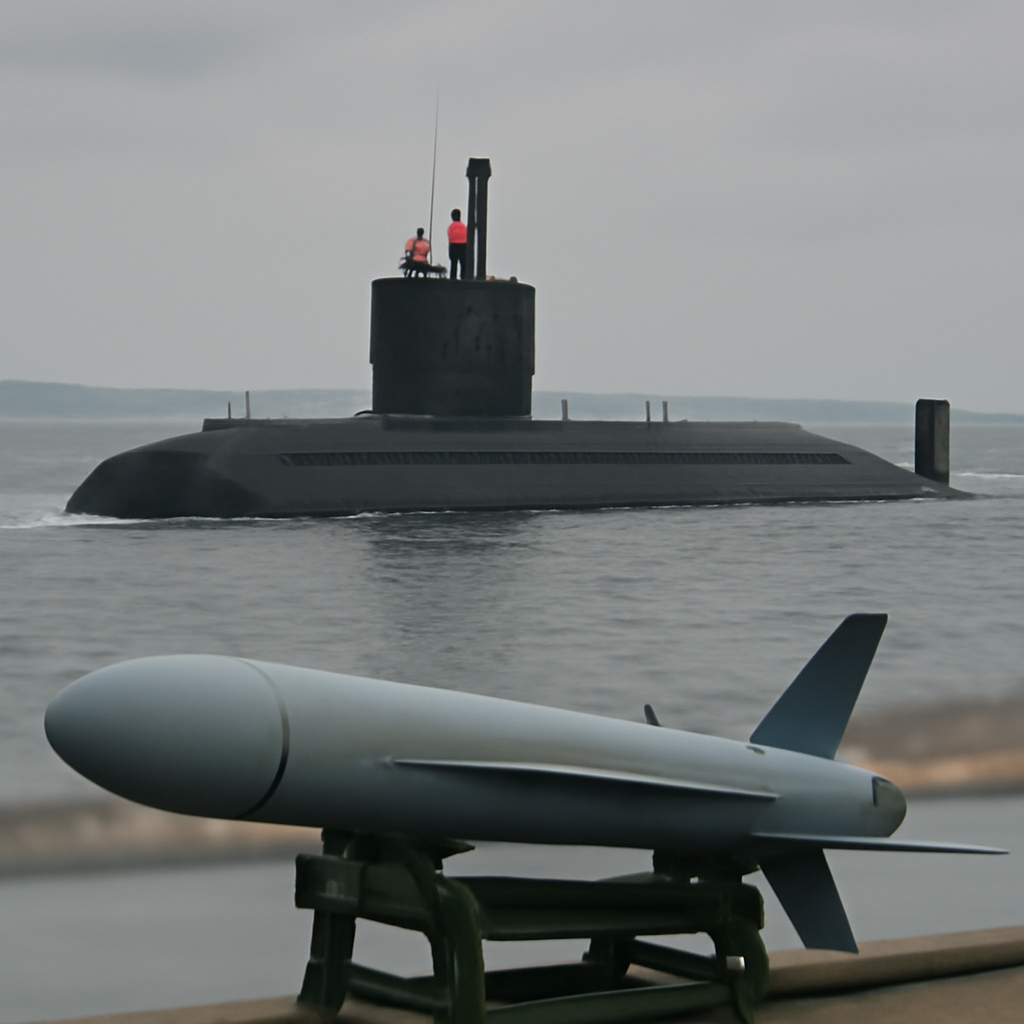
The request sets out multiple missile efforts. It seeks new, unspecified low‑cost cruise missiles that the ministry says will be procured as a mix of overseas systems and later followed by development of domestic equivalents. Separately, the ministry earmarked 16.3 billion yen for a submarine‑launched guided missile program and also flagged development of a stand‑off missile launch module intended for unmanned underwater vehicles.
Another item in the request is the planned development of the existing ASM‑3 supersonic air‑launched anti‑ship missile into a long‑range air‑to‑air weapon. The ministry framed that work as joining China, Russia and the United States in the development of such weapons to counter high‑value air assets, citing airborne early warning aircraft and tanker aircraft as examples of the targets it aims to challenge.
Unmanned systems: MQ‑9B buys, interceptor drones, and sea platforms
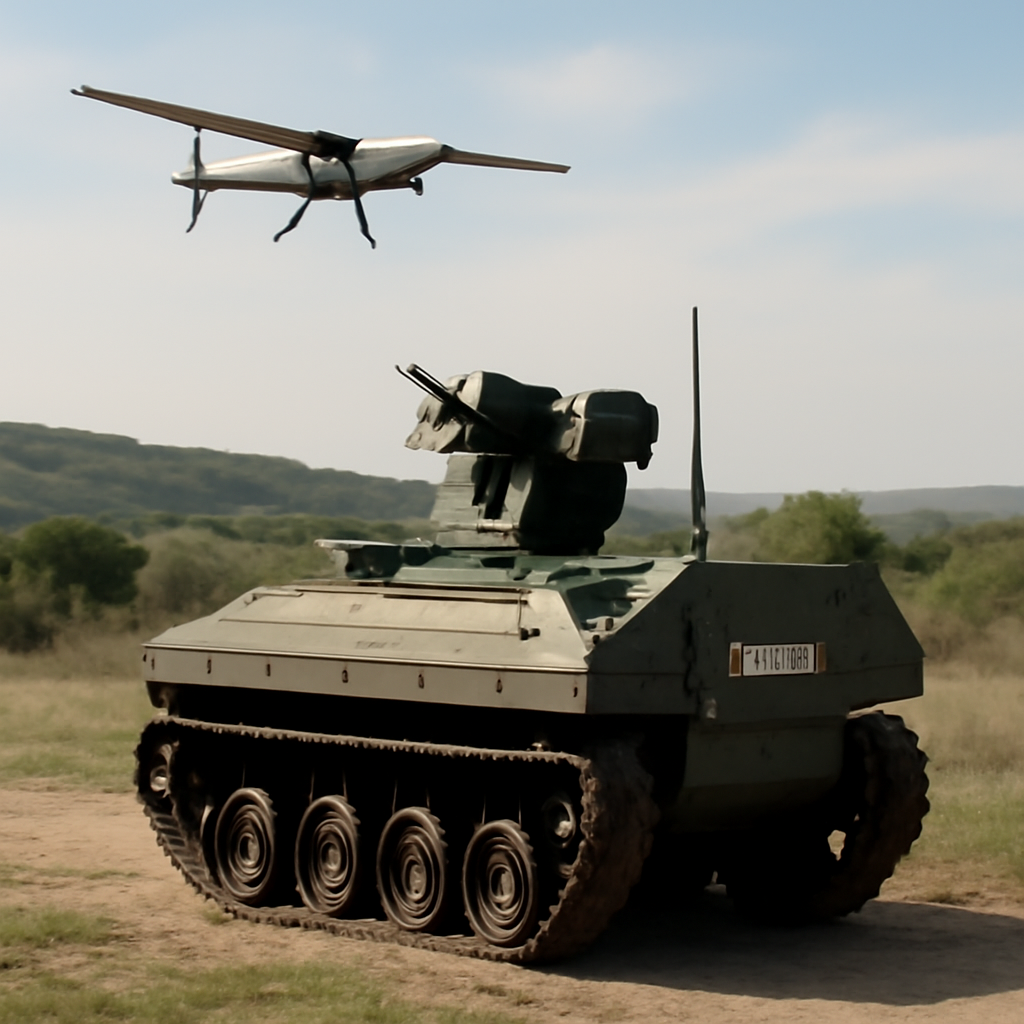
Unmanned aircraft feature prominently. The budget requests 292.2 billion yen to acquire 17 more General Atomics MQ‑9B SeaGuardian medium‑altitude, long‑endurance (MALE) drones for the Japan Maritime Self‑Defense Force, additions that the request notes will build on three SeaGuardians already operated by Japan’s coast guard. The request also seeks an additional 7.6 billion yen for interceptor drones — an allocation that the document says could refer to the TerraDrone Terra B1 interceptor, which Japan’s Acquisition, Technology and Logistics Agency selected as the winner of a rapid acquisition contract on Aug. 25.
Alongside unmanned systems, the request flags additional acquisitions of manned platforms and naval assets — additional Lockheed Martin F‑35 fifth‑generation fighters, Boeing KC‑46 tankers, Kawasaki C‑2 transport aircraft, P‑1 anti‑submarine aircraft, and improved Mogami‑class frigates — though the request does not provide quantities or per‑item costs for those platforms.
AI in a classified, resilient command‑and‑control cloud
The budget request repeatedly spotlights artificial intelligence as a defense pillar. Beyond the quotation that opens this piece, the ministry says it will leverage AI within a future command‑and‑control system designed to "rapidly integrate and analyze data" to improve target selection and situational awareness. That system, the request states, is intended to transition onto a classified, locally developed cloud platform engineered to resist disruption by adversaries.
What this means for the Ministry of Finance, the Japan Maritime Self‑Defense Force, and defense suppliers
- Ministry of Finance: The ministry will review the 8.89 trillion yen request for approval later this year; the final procurement posture and quantities are contingent on the upcoming National Security Strategy, National Defense Strategy, and Defense Buildup Program.
- Japan Maritime Self‑Defense Force: If approved, the requested 17 MQ‑9B SeaGuardians would expand maritime unmanned surveillance and patrol capacity, while the submarine‑launched missile funding and UUV launch‑module work point to expanded undersea strike and unmanned maritime options.
- Defense suppliers named in the request: Northrop Grumman (AARGM‑ER), General Atomics (MQ‑9B), Teradrone (Terra B1), Lockheed Martin, Boeing, and Kawasaki are specifically referenced as prospective suppliers or platform providers; their near‑term work will depend on quantities and timelines that await the national security documents and finance ministry approvals.
The budget request offers a clear list of priorities — stand‑off missiles, drones and AI — while reserving the operational scale of those priorities until national strategy documents are published. The next definitional step will come later this year when Tokyo issues those strategy papers and when the Ministry of Finance determines whether and how to fund the programs the ministry has flagged.