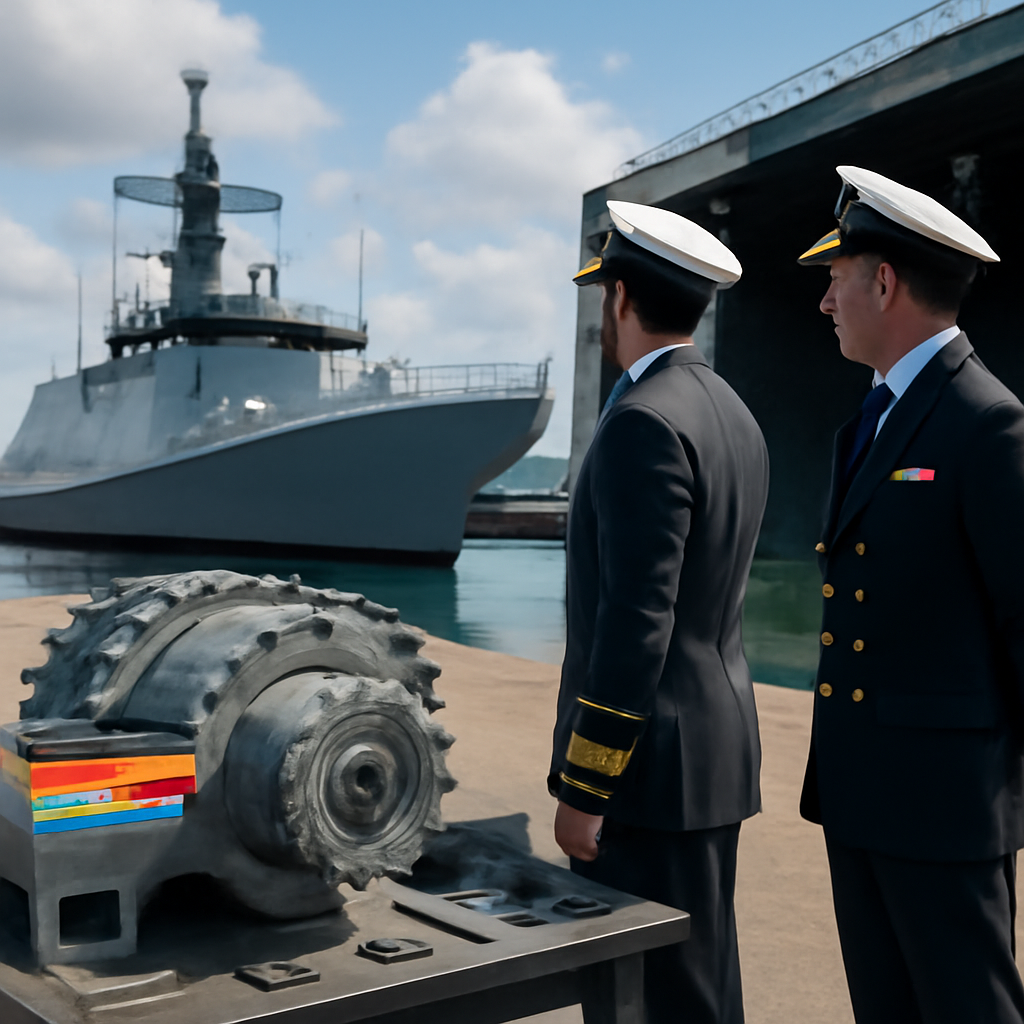
"Co‑design, co‑create and co‑produce maritime electric propulsion systems," reads the Statement of Intent signed in November 2024 that set the India‑U.K. partnership in motion.
Integrated Full Electric Propulsion for four LPDs
India and the United Kingdom are close to signing two inter‑governmental agreements (IGAs), one of which will develop and incorporate Integrated Full Electric Propulsion (IFEP) for four Indian Navy landing platform docks (LPDs). The IFEP IGA follows a joint working group established in early 2023, the Statement of Intent of November 2024, and an October 2025 announcement after a leaders’ meeting in Mumbai.
The four LPDs — each displacing around 29,000 tons — form the near‑term objective. GE Vernova and state‑owned Bharat Heavy Electricals Limited (BHEL) have announced a land‑based test facility for IFEP in India as part of the cooperation. The IFEP effort is positioned not as a one‑off but as an opening move: the Indian Navy is targeting a 200‑ship force by 2035, and some existing ships could be converted to electric propulsion.
That long view is part of an explicit policy alignment: the 10‑year Defense Industrial Roadmap under "Vision 2035" calls for co‑development in advanced technologies, including maritime electric propulsion. The Royal Navy’s operational experience with IFEP — described in the source as having been in use for at least 20 years — is presented as a reason India can accelerate adoption without repeating that entire timeline.
The elusive 120kN engine for AMCA‑Mk2
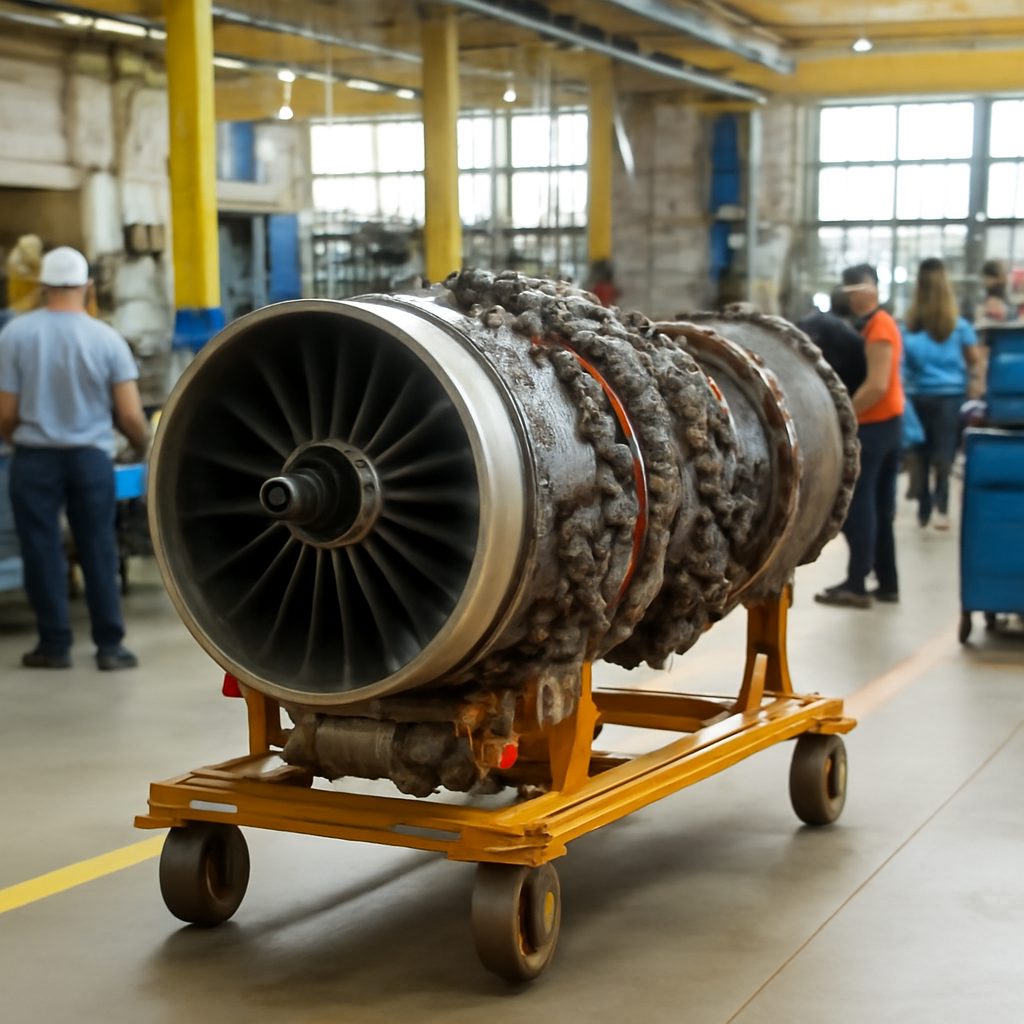
A second modernisation lane emerging in talks is a potential U.K. role in designing and developing a 120kN jet engine to power India’s AMCA‑Mk2. The search for a global partner has long included France’s Safran working with the Gas Turbine Research Establishment (GTRE); delays there opened the field to U.K.’s Rolls Royce and U.S. General Electric (GE).
Rolls Royce has presented an offer that would include full control over intellectual property for the engine, and on August 14 announced a partnership with Reliance Industries Limited to explore a dedicated Aerospace Gas Turbine Complex in India. Those steps materially strengthen Rolls Royce’s bid. At the same time, the source notes political and regulatory realities: some in India remain concerned about U.S. International Traffic in Arms Regulations (ITAR) and the implications of Britain’s alliance with the United States, even as official assurances have been made that ITAR does not apply to an engine IGA.
France retains an advantage in the calculus because of prior ties: a large share of India’s existing fighter variants and the AMCA‑Mk1 are powered by GE engines, and joining the French future combat air system (FCAS) program could create additional incentive if a common engine or derivative becomes shareable across programs.

The cyber insurance questionnaire just landed. Now what?
SOC 2, HIPAA, insurance renewals - someone has to own security strategy. Nubivance provides fractional CISO leadership without the full-time salary.
Get a security leadMissiles, MANPADS and industrial integration
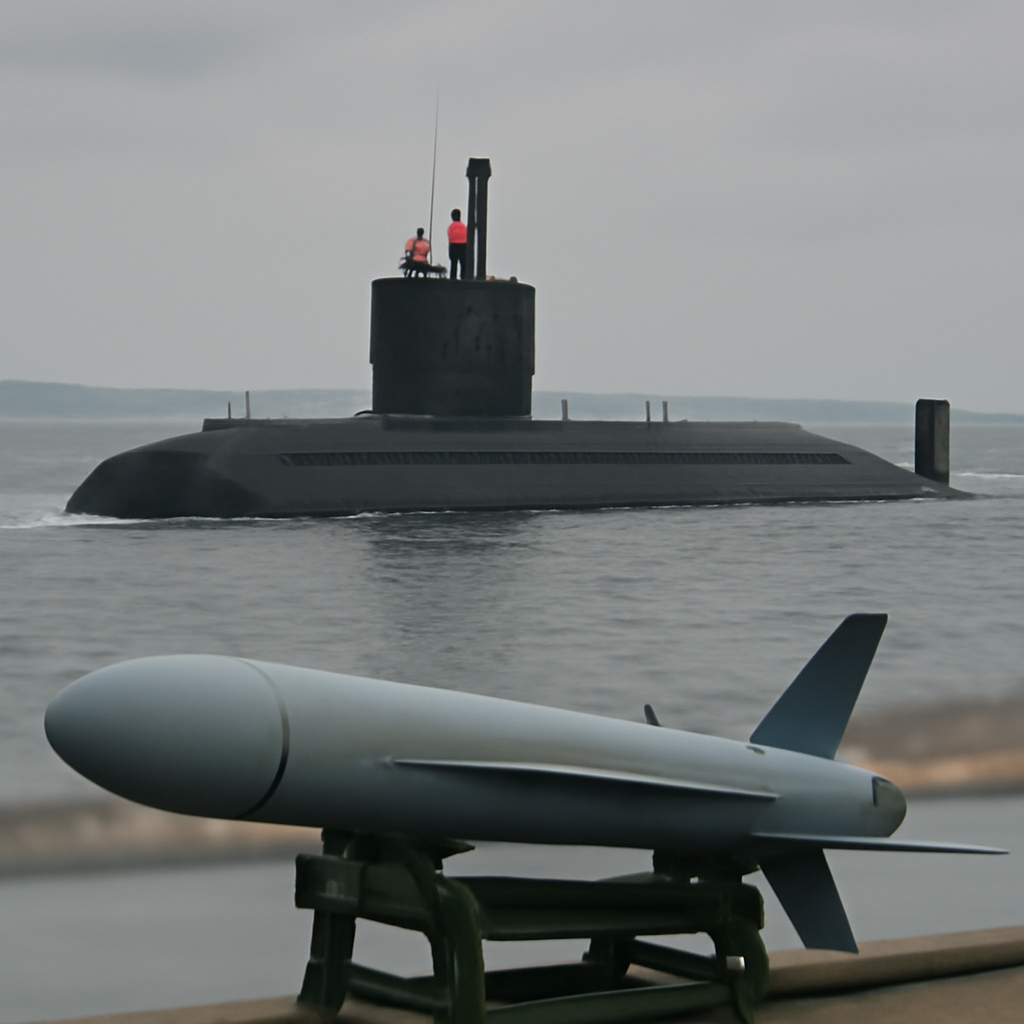
Beyond propulsion and engines, bilateral defence industrial cooperation is widening fast. At Aero India in February 2025 the U.K. launched "Defense Partnership–India" (DP‑I), a dedicated cell inside the U.K. Ministry of Defence. Several pacts announced since then include production of Starstreak man‑portable air‑defense systems (MANPADS), lightweight multirole missiles (LMM), and an ASRAAM assembly and test facility in Hyderabad.
A contract signed under an Emergency Procurement route has Thales U.K. and Bharat Dynamics Limited (BDL) supplying 16 Starstreak launchers, 56 missiles and one simulator worth around $35 million; the arrangement could expand to thousands of missiles in future. MBDA U.K. and BDL are creating an ASRAAM assembly and test line expressly with export ambitions, and British firms such as Thales and Rolls Royce have already integrated Indian companies into their global supply chains.
The broader economic context has shifted as well: the bilateral Free Trade Agreement that came into effect on July 15, 2026, is flagged in the source as an enabler for deeper industrial ties.
What this means for the Indian Navy, UK defence firms, and Indian manufacturers
- Indian Navy: IFEP on the four LPDs would provide an operational template for wider electric conversions and new builds as the service pursues a 200‑ship target by 2035; uptake depends on the LPD procurement moving forward in a timely manner.
- U.K. defence firms (Rolls Royce, Thales, MBDA): success in securing IGAs and production deals would regain commercial footprint in India’s expanding defence market and could lock in long‑term supply and IP arrangements—evident in Rolls Royce’s IP offer and the announced Reliance partnership.
- Indian manufacturers (BHEL, BDL, Reliance, private suppliers): deeper integration into propulsion test facilities, missile assembly and global supply chains promises scale and export potential, leveraging the FTA and recent emergency contracts.
The pending IGAs tie discrete projects — propulsion for four LPDs, LMM production and missile assembly, and a potential engine partnership — into a broader 10‑year industrial vision. Implementation hinges on three concrete next steps named in the source: formal IGA signatures, the LPD tender concluding on a reasonable timeline, and a definitive engine partner choice influenced by IP, export pathways and regulatory alignments.
Source: The Diplomat — India, UK Fire Up Defense Cooperation With Joint Development