"ability to act together and take responsibility for security in the region and on NATO’s eastern flank," said Finland’s Ministry of Defence in a statement today, framing a short but consequential step toward closer Nordic military cooperation.
Finland’s Ministry of Defence frames the move
The ministry presented the agreement with Sweden as an extension of existing collaboration, saying the two countries' work demonstrates mutual responsibility for regional security. Finland’s Minister of Defence Antti Häkkänen described established air and maritime cooperation as an "integral part" of joint collaboration and said the partners would "now we move forward to cooperate on territorial surveillance and protection of territorial integrity." The public statement did not spell out technical or operational details about how Finland’s counter-drone capabilities will be enhanced.
Sweden's near-term contributions: Gripen jets and warships
While Helsinki withheld specifics, Sweden’s public broadcaster SVT reported that Stockholm has approved a Finnish request to send military assets to Finland in the near term. SVT said those assets include Gripen fighter jets and Swedish warships to patrol what the report called "risk areas" along the Finnish-Russian border. The reporting indicates Sweden will provide patrol capacity in areas Helsinki considers sensitive, but it does not quantify the duration, command arrangements, or rules of engagement for those deployments.

The cyber insurance questionnaire just landed. Now what?
SOC 2, HIPAA, insurance renewals - someone has to own security strategy. Nubivance provides fractional CISO leadership without the full-time salary.
Get a security leadRecent aerial incidents that prompted the push
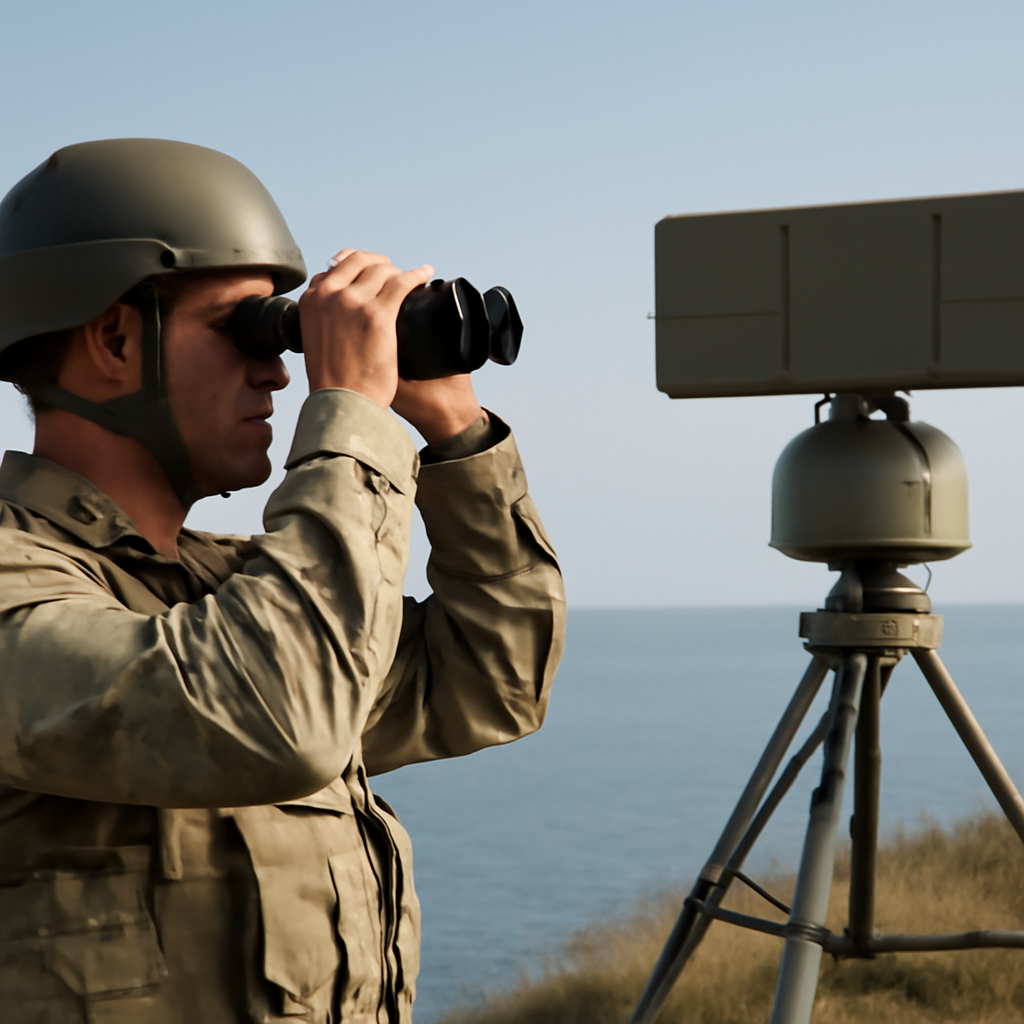
Finland has experienced several aerial incidents in recent months that officials describe as spillover from Russia’s war against Ukraine. The country deployed its F-18 hornets over Helsinki and the Gulf of Finland in response to a suspected drone flying in local airspace. On that occasion Finland’s President Alexander Stubb said the country was "not facing a direct military threat." The incidents and the government's public framing appear to be the immediate context for the enhanced cooperation.
Budget commitments: €50.2 million for counter-drone capabilities
Separately, Finland’s government earlier this year allocated €50.2 million as part of a supplementary budget to develop counter-drone capabilities. The Ministry of the Interior earmarked €44 million of that funding for the Finnish Border Guard, with the remainder designated for the police. Those allocations predate the bilateral announcement and signal ongoing domestic investment in systems and authorities charged with territorial surveillance.
What this means for the Finnish Border Guard, the police, and Sweden
- Finnish Border Guard: The Border Guard stands to receive the bulk of the supplementary budget—€44 million—likely directing new equipment, detection systems, or patrol capacity toward counter-drone tasks and border surveillance.
- Finnish police: With the remainder of the €50.2 million allocation assigned to police forces, authorities responsible for law enforcement and domestic security will be resourced to respond to incursions in civil airspace and support investigations.
- Swedish armed forces: According to SVT reporting, Sweden will contribute deployable assets—Gripen fighters and warships—to patrol Finnish "risk areas" near the border. The reported move represents a near-term operational contribution without publicly disclosed new financial or long-term force commitments.
Conclusion: stronger ties, open details
Finland and Sweden have publicly tightened a practical seam in their security relationship: Helsinki has budgeted new counter-drone funding and Stockholm has reportedly approved near-term patrol assets. President Alexander Stubb framed the cooperation on social media, saying, "We trust one another, and together we are stronger." What remains unspecified in the official record is how national counter-drone capabilities will be upgraded, how Swedish assets will integrate with Finnish command and surveillance networks, and the operational limits of the patrolling that SVT described. Those are the concrete details observers will need next to understand how this step alters day-to-day territorial surveillance and protection of territorial integrity.