The security treaty between Australia, New Zealand and the United States was signed on 1 September 1951 — and, after decades of relative obscurity, the Australia–New Zealand strand of ANZUS is now back at the centre of Canberra and Wellington’s security conversation.
Reinstitution of ANZUS as the trans‑Tasman centrepiece
For roughly 40 years ANZUS operated in practice as shorthand for the Australia–US relationship after Washington suspended treaty obligations to New Zealand in 1986 over Wellington’s refusal to host US nuclear‑powered or nuclear‑armed vessels. Although the treaty never lapsed between Australia and New Zealand, New Zealand had preferred bilateral arrangements such as the 1944 Canberra Pact and the Closer Defence Relations initiative from 1991 onward.
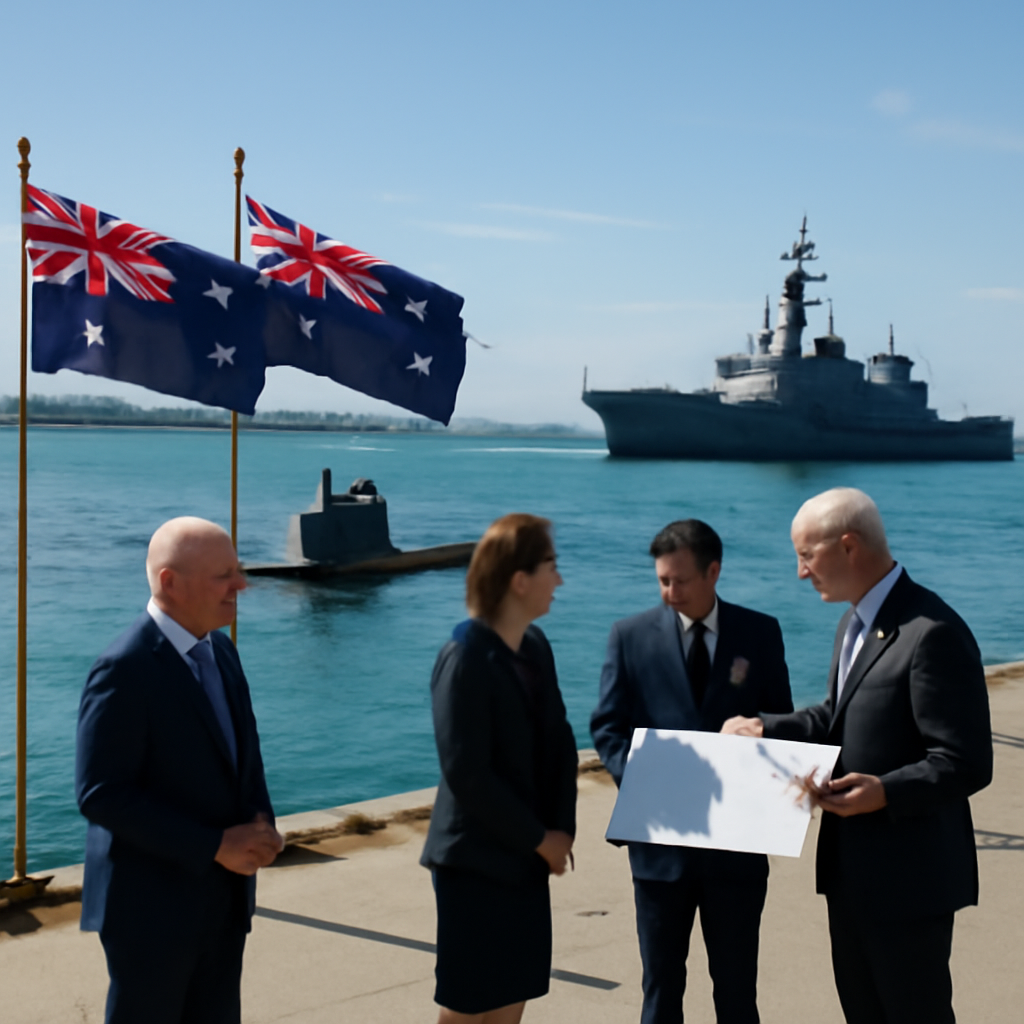
That has changed under Prime Minister Christopher Luxon. Working with Canberra, the Luxon government established coordination mechanisms that did not previously exist, notably an annual meeting of Australian and New Zealand foreign and defence ministers — ANZMIN — which first met in February 2024. Building on ANZMIN, Prime Minister Anthony Albanese and Luxon held the inaugural Australia–New Zealand leaders’ meeting in August 2024 and agreed to hold it annually, signalling a more strategic rhythm to the relationship. Every ANZMIN joint statement has referred to ANZUS.
Cyber, Article 4 and joint thresholds for response
The leaders’ first joint statement clarified that a cyberattack against either country could meet the threshold for a collective response under article 4 of ANZUS. That explicit linkage — placing cyber incidents on the same conceptual footing as other threats that can trigger consultations — has featured in subsequent meetings, with Canberra and Wellington consistently promoting the Australia–New Zealand alliance, rooted in ANZUS, as critical for regional security.

Audit-ready is a season. It shouldn't be.
Evidence in spreadsheets, controls drifting between audits, frameworks multiplying on flat headcount. Nubivance runs continuous compliance on Rapid7 Cyber GRC - SOC 2, HIPAA, ISO 27001, PCI, CMMC.
End the scrambleShared outlook on China and the intelligence posture
Strategic alignment across the Tasman reflects growing distrust of China in both countries, visible in opinion polling, policy and rhetoric. Canberra and Wellington share intelligence on Beijing’s intentions and tradecraft; that file has informed tougher counter‑interference measures in both capitals. New Zealand’s agencies have been notably direct: the New Zealand Security Intelligence Service published a threat assessment on 13 August that, in the view of the source, was more forthright than some Australian counterparts in pointing the finger at China’s espionage.
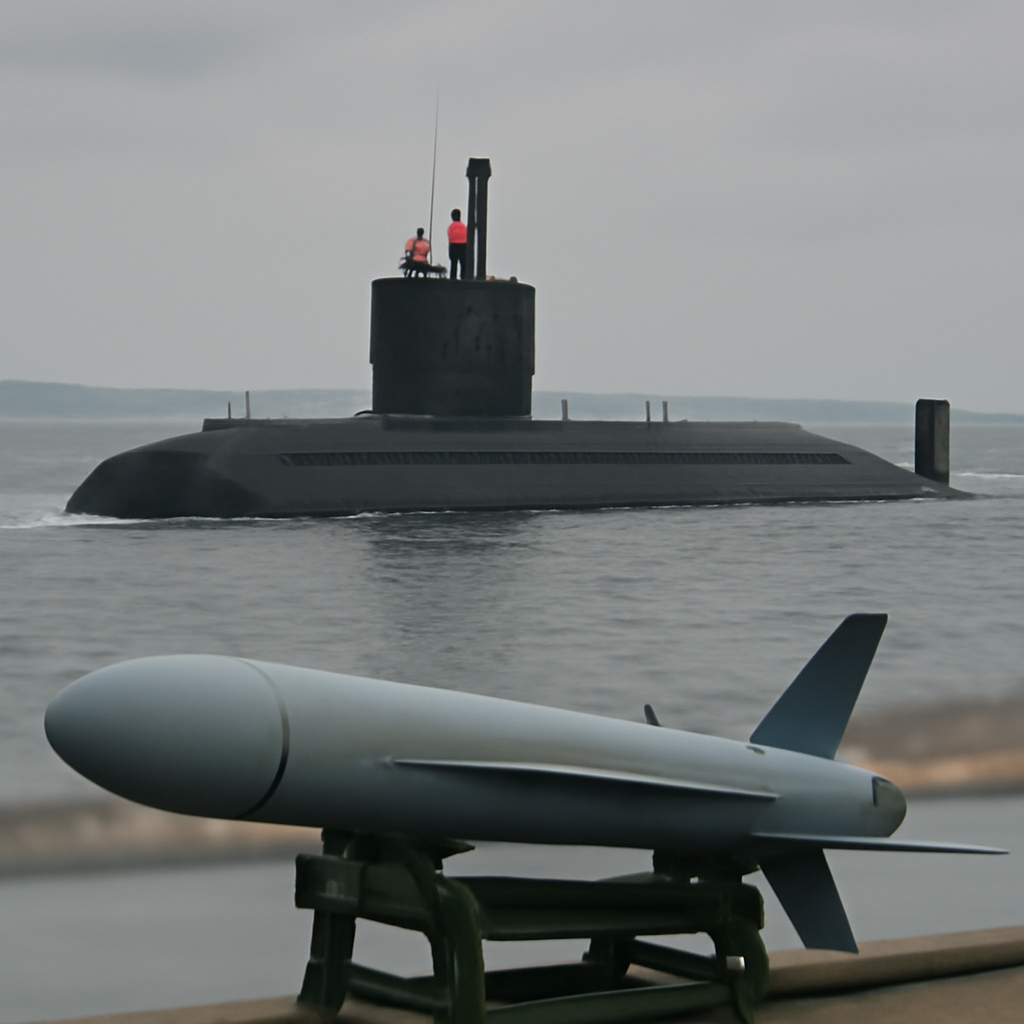
Public cases for increased defence spending have been sharpened by operational moves attributed to Beijing: the Chinese navy’s circumnavigation of Australia last year — which included a live‑fire exercise in the Tasman Sea — and China’s surprise test of a nuclear‑capable submarine‑launched ballistic missile in July this year. Those events, the source argues, bolster the political case for the increases in defence spending set out in New Zealand’s 2025 Defence Capability Plan ahead of a general election in November this year.
Frigate choices, interoperability and trilateral options with Japan
A pivotal procurement decision for New Zealand is whether to acquire a Japanese or a British frigate. The source notes that choosing the Upgraded Mogami‑class frigate from Japan — the platform Australia is procuring — would unlock economies of scale, ease joint sustainment and support interoperability, much as the current class of ANZAC frigates has done. Aligning on Mogami would also enable trilateral cooperation with Japan: defence ministers from Australia, New Zealand and Japan met on the margins of the Shangri‑La Dialogue in May, although a planned follow‑up trilateral in Canberra in August was scuppered by domestic factors in Wellington.
What this means for defence planners, naval procurement teams, and Pacific partners
- Defence planners in Canberra and Wellington: expect a more regularised consultative rhythm (ANZMIN and annual leaders’ meetings) and an explicit willingness to treat cyber incidents as possible triggers for collective response under article 4.
- Naval procurement and sustainment teams: selecting the Upgraded Mogami would prioritise interoperability and joint sustainment with Australia and could facilitate trilateral logistics and training with Japan; an alternative British choice would preserve a different industrial and sustainment pathway.
- Pacific countries and regional partners: Australia and New Zealand are deepening security cooperation while expanding support to Pacific states. New Zealand will engage Australia and Fiji about potentially joining the Ocean of Peace alliance announced in July, and ANZMIN ministers welcomed the formalisation of Australia’s alliance with Papua New Guinea in the 2025 Pukpuk Treaty.
An evolving ANZUS and the constraints ahead
The article suggests the Australia–New Zealand branch of ANZUS could over time evolve into a regional defence pact that includes other Pacific countries but not the United States — a development that might prod Washington to rethink the hub‑and‑spoke alliance model of the Indo‑Pacific. Yet that trajectory faces a clear constraint: New Zealand’s longstanding antinuclear policies. The source observes that a broader regional collective defence pact “seems a pipedream while New Zealand clings to its antinuclear policies,” though it allows that intensifying strategic pressures might shift those calculations.
Key near‑term markers to watch — all noted in the source — are New Zealand’s November general election, its frigate procurement decision, and how Canberra and Wellington continue to operationalise ANZMIN and the leaders’ meeting. Together they will determine whether ANZUS’s revitalisation across the Tasman remains a diplomatic posture or becomes a deeper, more institutionalised pillar of regional security.