Tag: defense strategy
130 articles
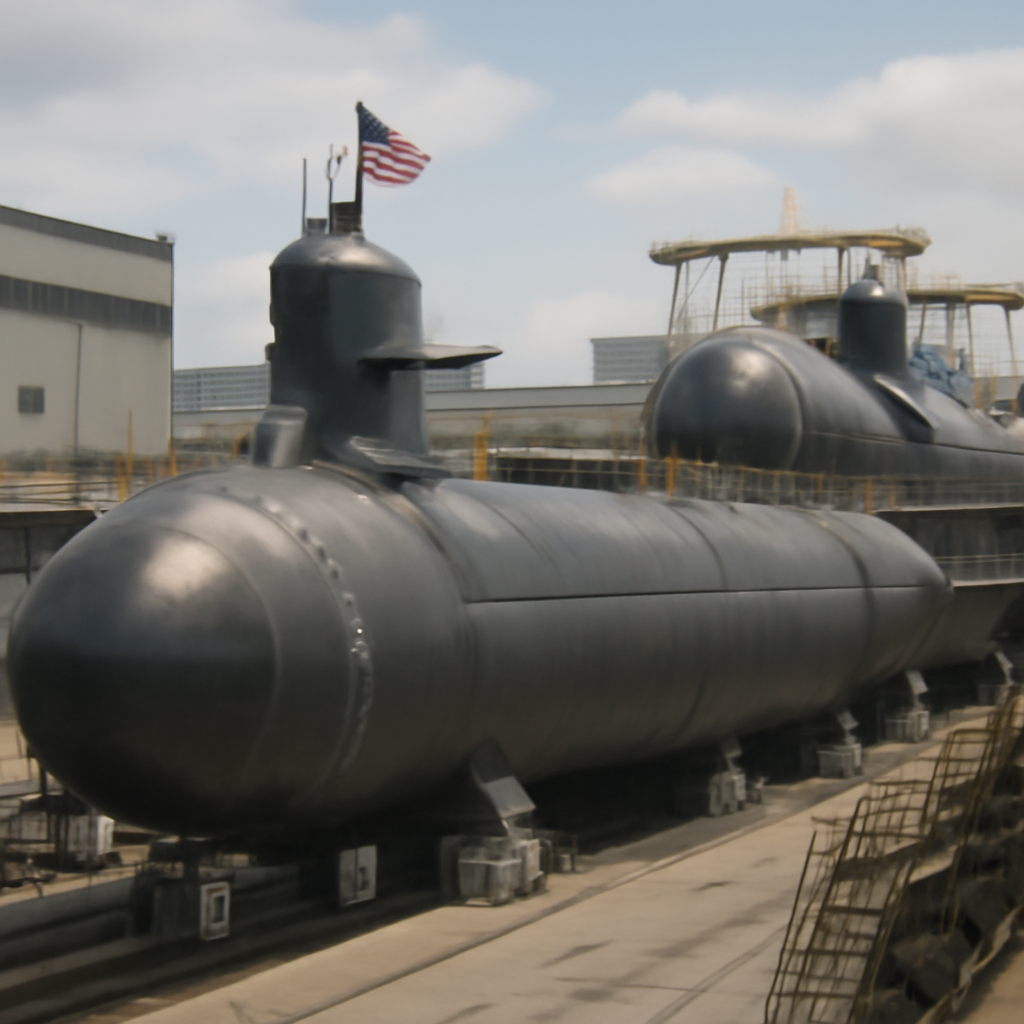
US Navy Recategorizes Virginia-Class Subs as Guided-Missile Boats
The US Navy has upgraded the status of its Virginia-Class subs equipped with Virginia Payload Modules (VPMs) to guided-missile submarines, recognizing the game-changing firepower they bring to the underwater battlefield. This move signals a major boost to the Navy's strike capacity, operational flexibility, and deterrence capabilities.
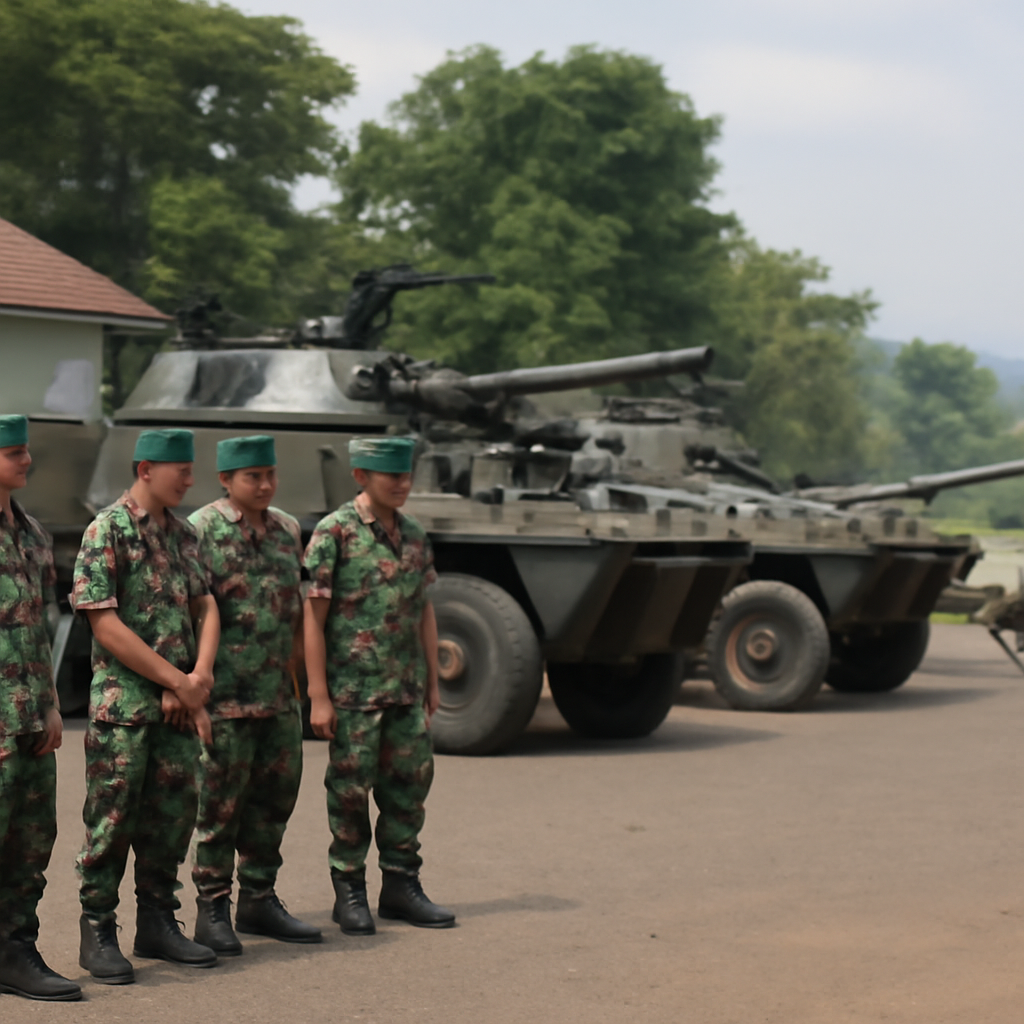
Indonesia's Military Shifts Inward, Testing Australia Defense Pact
Indonesia is shaking up its military strategy, ramping up domestic defenses and putting its Australia defense pact to the test. With plans to establish 750 new territorial development battalions, the country is signaling a significant shift inward.
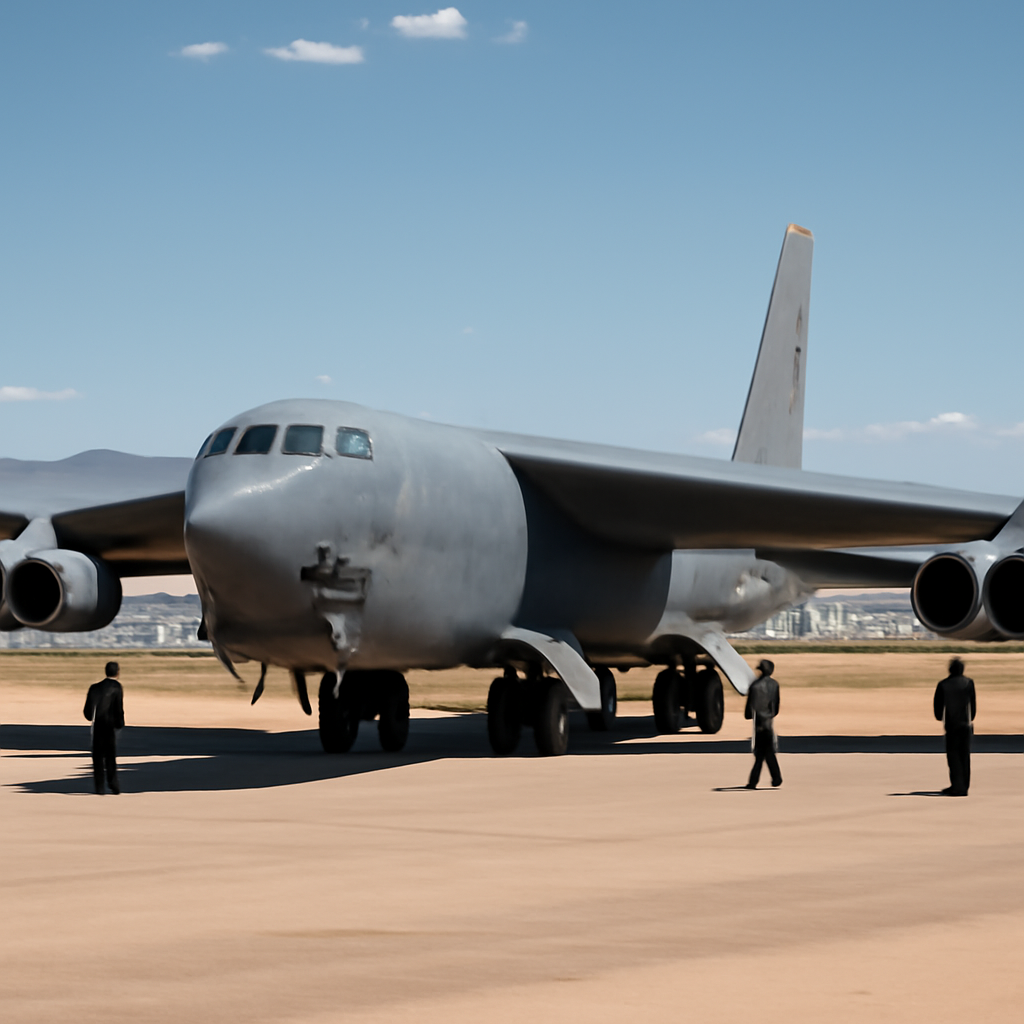
Air Force Weighs Reviving Scrapped B-52 Bombers Amid Operational Demands
The Air Force is considering a bold move: reviving retired B-52 bombers from the Arizona boneyard to meet rising demands on its bomber force. This potential revival is a cautious but practical option, with the Air Force having already explored the feasibility of restoring these aircraft.
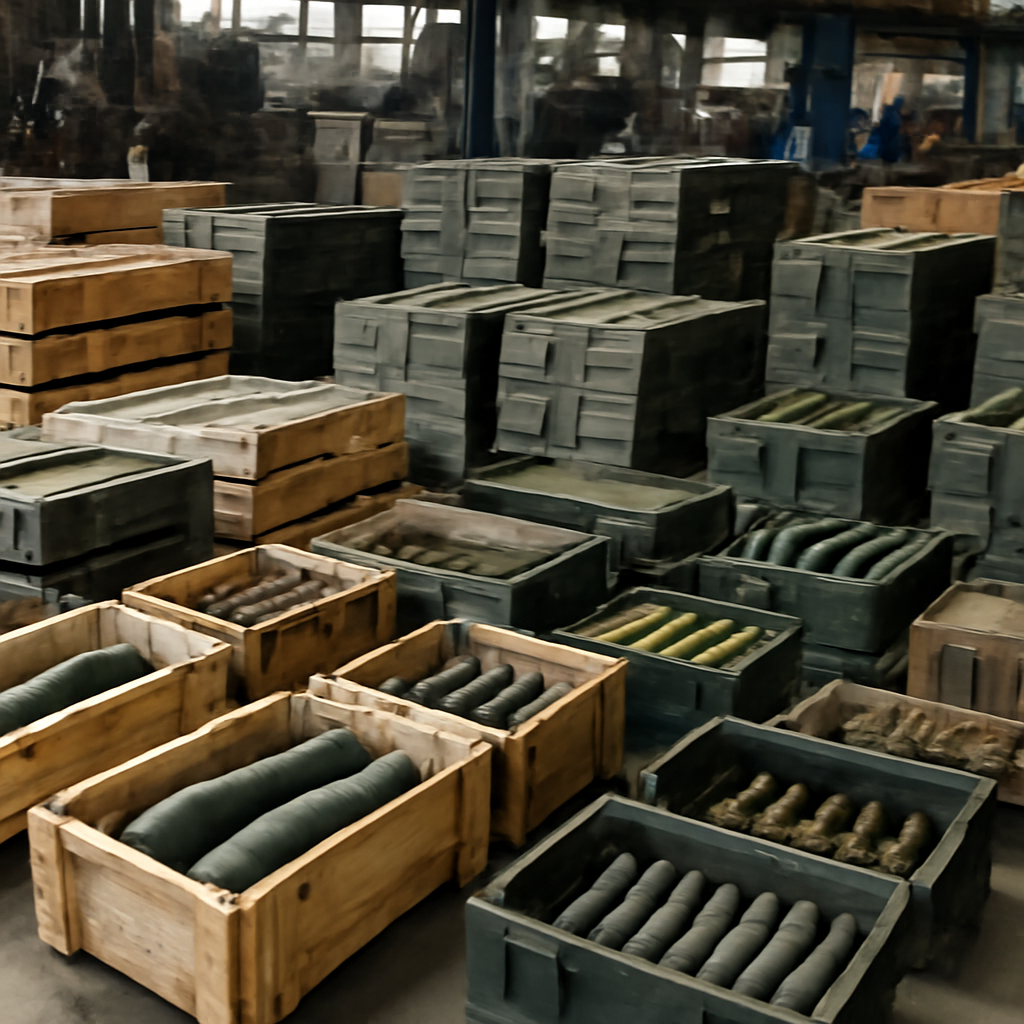
US Weighs Munitions Stockpiles as Iran Fighting Pauses
President Donald Trump brushed off concerns about dwindling high-end munitions, confidently asserting that the US has a substantial stockpile, with Trump adding that he'd like to have even more. The US is actively restocking and ramping up production to replenish its arsenal.

Pentagon Chiefs Under Fire as Iran War Rationale Shifts
Defense Secretary Pete Hegseth faced intense scrutiny from senators over his claims about the US war on Iran, struggling to provide clear answers about the strategy and impact of the conflict. Hegseth made assertions about the devastating effects of US strikes on Iran's military and infrastructure, but also made partial admissions about Tehran's ongoing capabilities.
Pentagon Lacks Unified Hypersonic Missile Strategy, GAO Warns
The Pentagon is missing a crucial unified strategy for its hypersonic missile programs, with the Navy and Army making separate investment decisions that could lead to costly delays and inefficiencies. This fragmented approach risks wasting over $50 billion in taxpayer funds.
Air Force Opts for Two-Pilot Crew for B-21 Raider Bombers
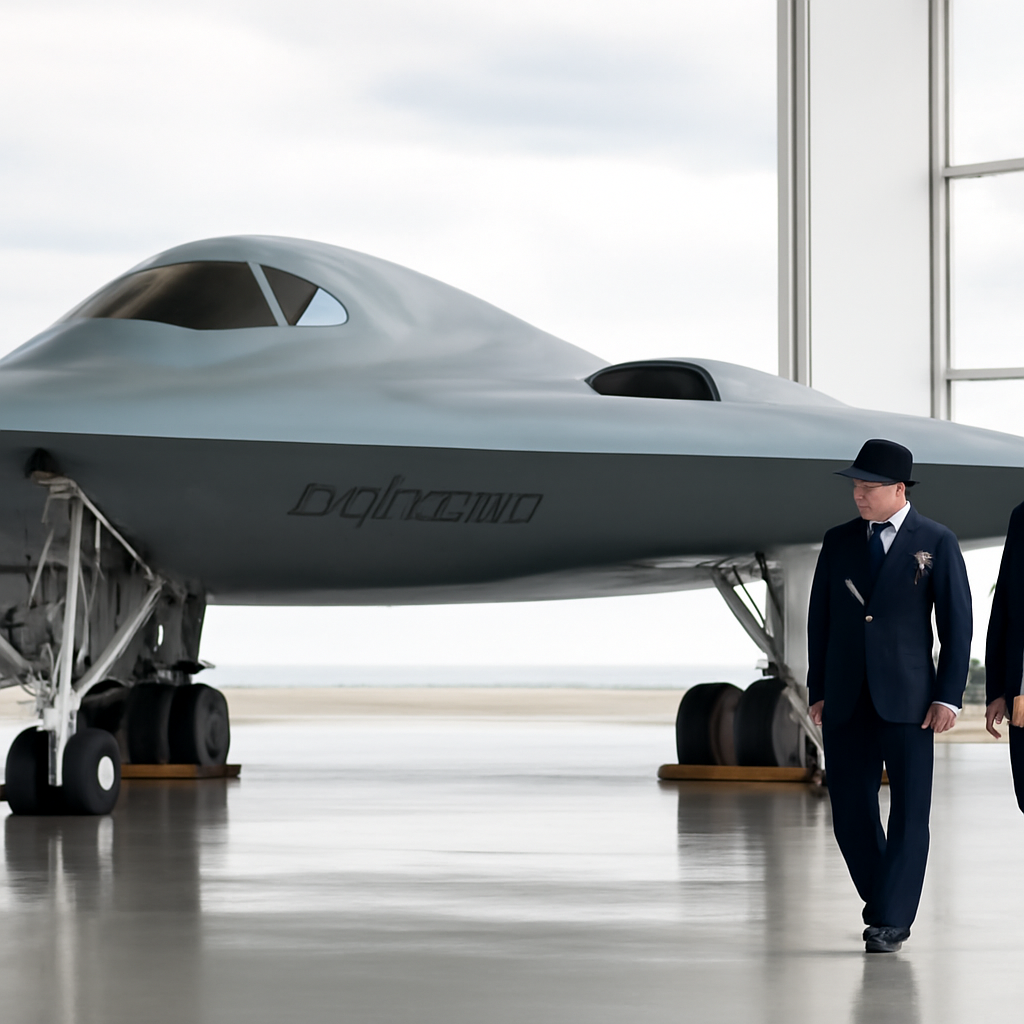
The US Air Force has decided that the B-21 Raider bombers will be flown by a two-pilot crew, a configuration that will tap into the extensive combat experience of its pilots to maximize the aircraft's lethality and survivability. This setup matches the current standard for the B-2 and is designed to support the B-21's mission needs.

Marines Forge Alliances in Pacific Exercise
In a live-fire exercise at Marine Corps Base Hawaii, Maj. Gen. Valerie Jackson emphasized that forging strong alliances and partnerships is crucial, so that when crisis strikes, partners can seamlessly work together. Interoperability isn't just a goal - it's a practical necessity that could mean the difference in the face of a determined adversary.
US Marine Littoral Regiment Proves Capabilities in Philippine Exercise
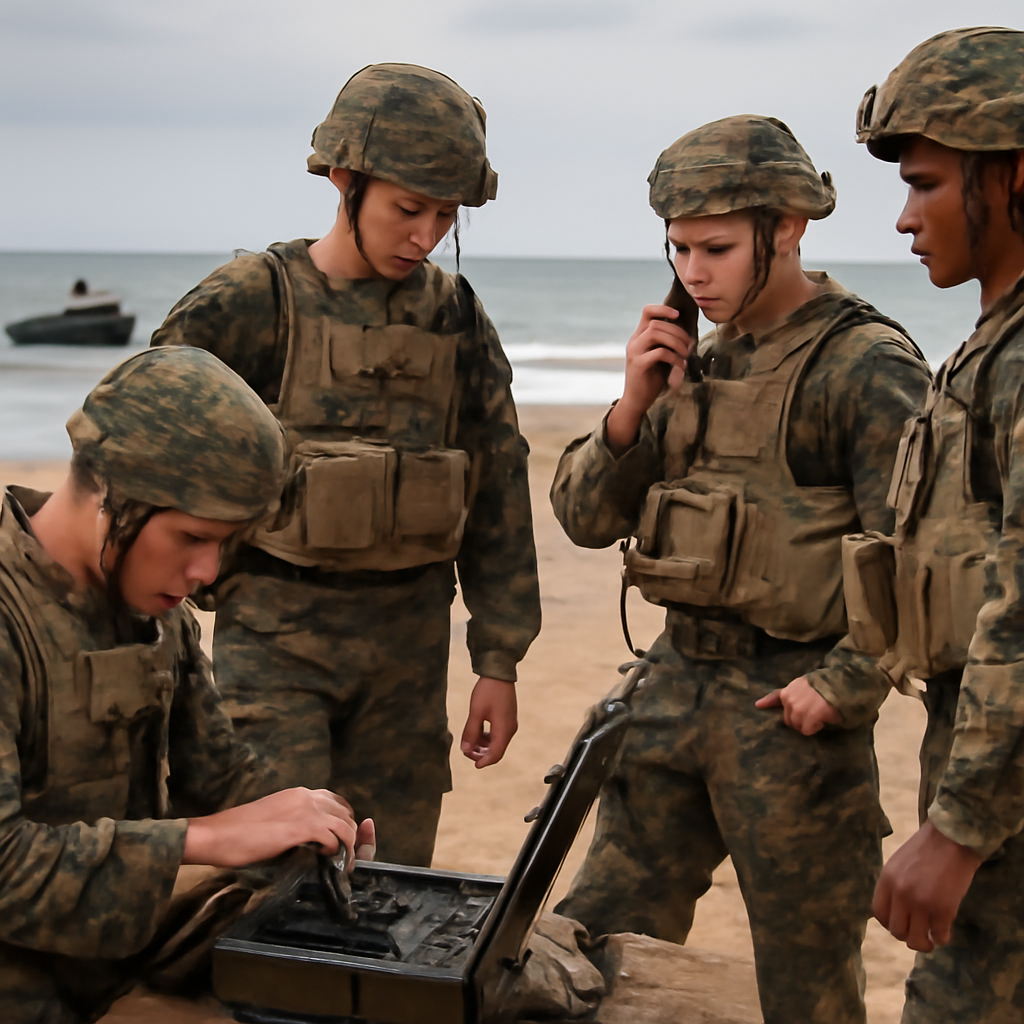
The 3rd Marine Littoral Regiment proved its mettle in a recent Philippine exercise, demonstrating its capabilities in a real-world test that marked a major milestone in its development. Col. Gabe Diana hailed it as a strategic victory, but emphasized that it's just one data point in a journey of continued growth and improvement.
Japan Air Force Renamed to Reflect Expanded Space Domain Role
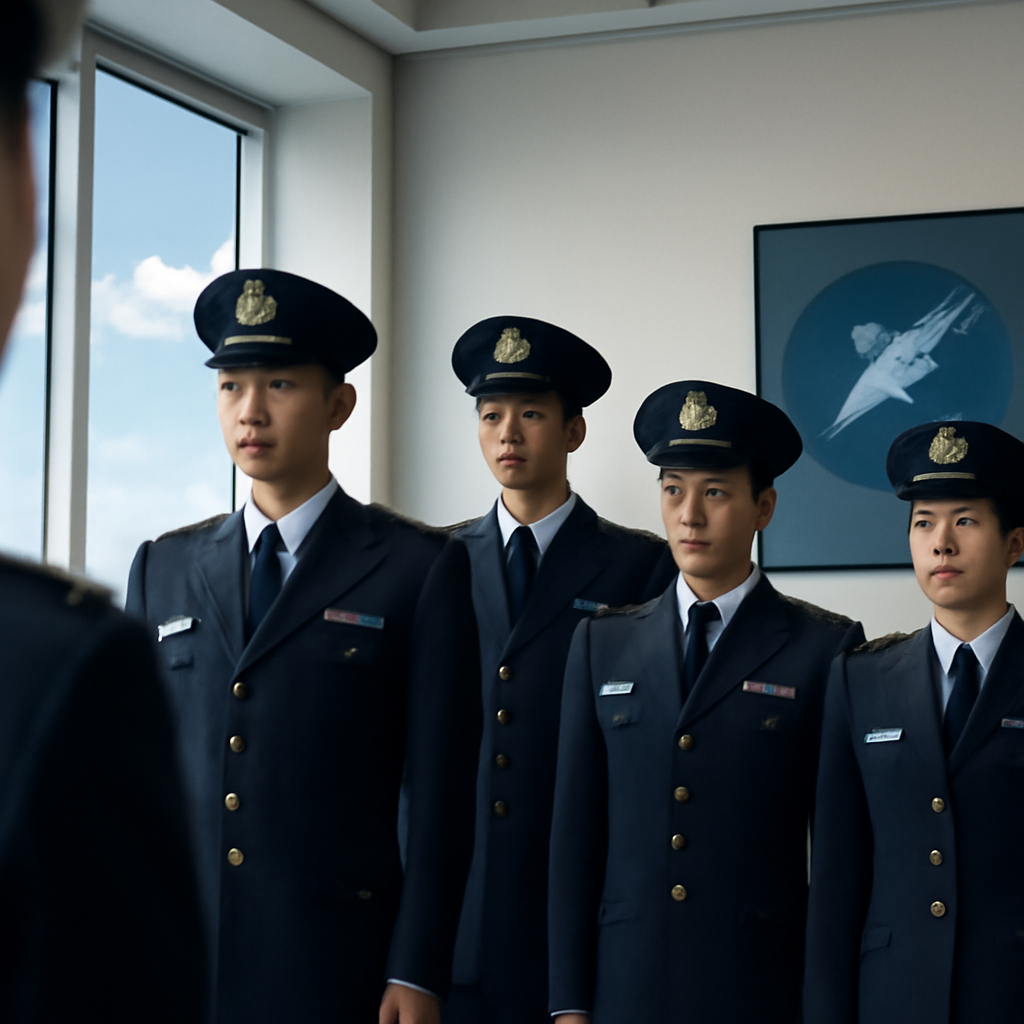
Japan is taking a giant leap in its defense strategy, renaming its air force to the Japan Aerospace Self-Defense Force to reflect its expanded role in the space domain. This move, approved by parliament on June 26, 2026, will take effect on April 1, 2027, and marks a significant shift in Tokyo's military capabilities.
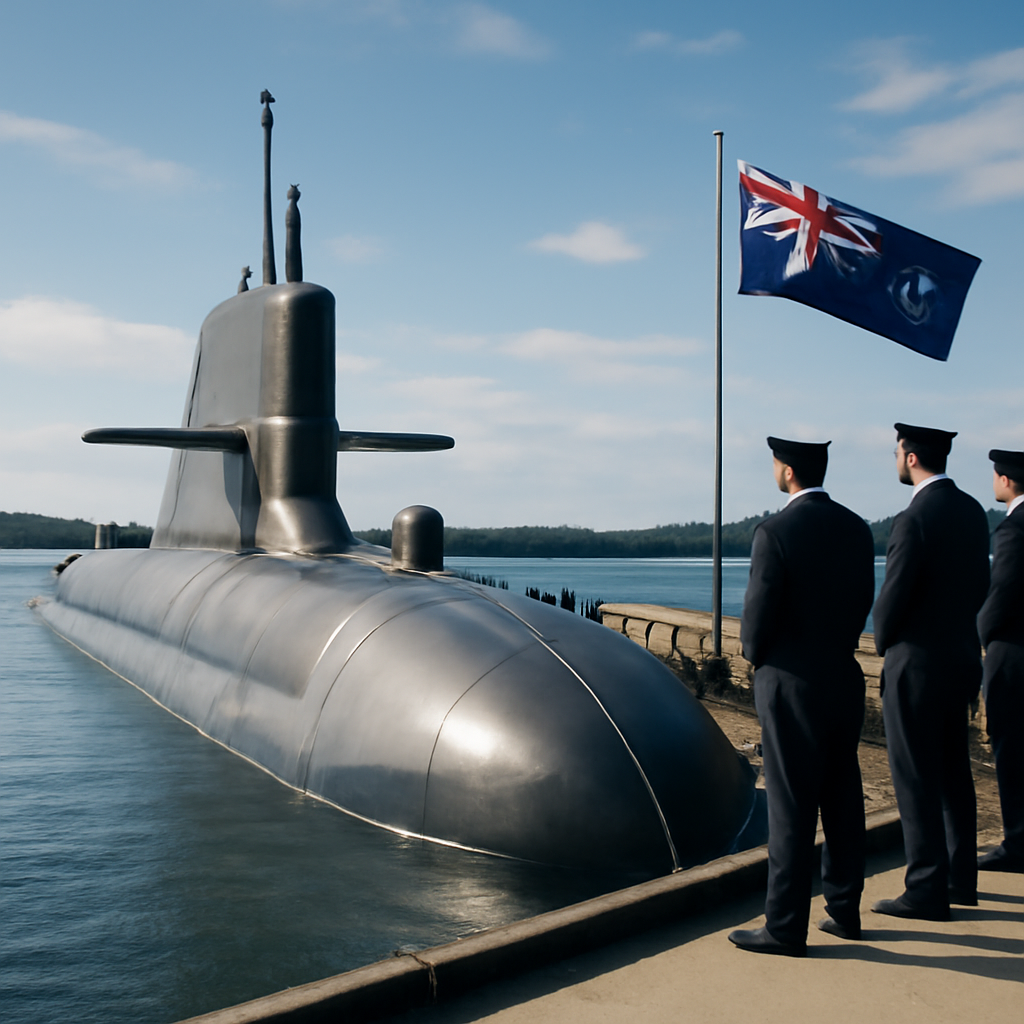
Australia Bolsters Maritime Security with Nuclear-Powered Submarines
Australia is taking a bold step to safeguard its maritime lifelines and ensure a secure future, with the acquisition of nuclear-powered submarines set to bolster the nation's defence. By protecting its vast maritime domain, the country is securing the sea routes that bring in vital essentials like fuel, food, and medicine.

Pentagon seeks $5B to overhaul 'deteriorating' research labs
The Pentagon's research labs are in a state of disrepair, posing safety risks and technical limitations that threaten the US military's ability to stay ahead of the curve. A recent review led by Assistant Secretary for Science & Technology Joseph Jewell calls for a $5B overhaul to modernize these critical facilities.
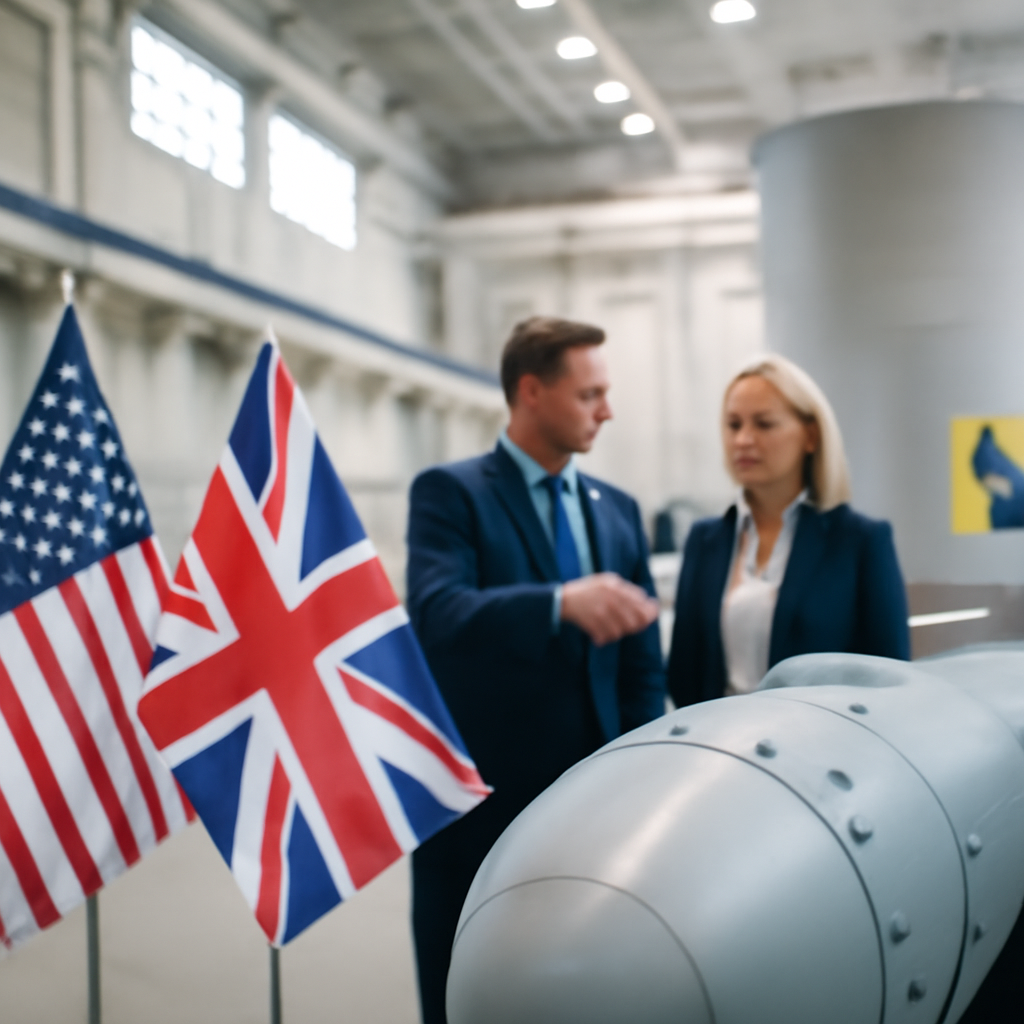
US-UK Nuclear Pact Bolsters Mutual Deterrence
The US-UK nuclear partnership is a two-way street, with Washington gaining tangible technical, operational, and strategic advantages from the collaboration, just as London has benefited from US support for over 65 years. This mutual deterrence pact serves US interests just as much as British ones, experts argue.

Pentagon Orders Review of US Troop Posture in Europe
The Pentagon has ordered a comprehensive review of US troop deployments across Europe, sparking significant implications for the region. This pivotal move is dissected in The Break Out's latest episode, where experts Lee Ferran and Ashley Roque delve into the directive's details and potential impact.

US Navy Needs a Strategy to Back Up Its Planned Expansion
The US Navy is at a critical crossroads, with a rare opportunity to expand its fleet amid bipartisan support - but a clear strategy to back up this growth is noticeably missing. Without a comprehensive plan, this promising moment could slip away, leaving the Navy's future at risk.
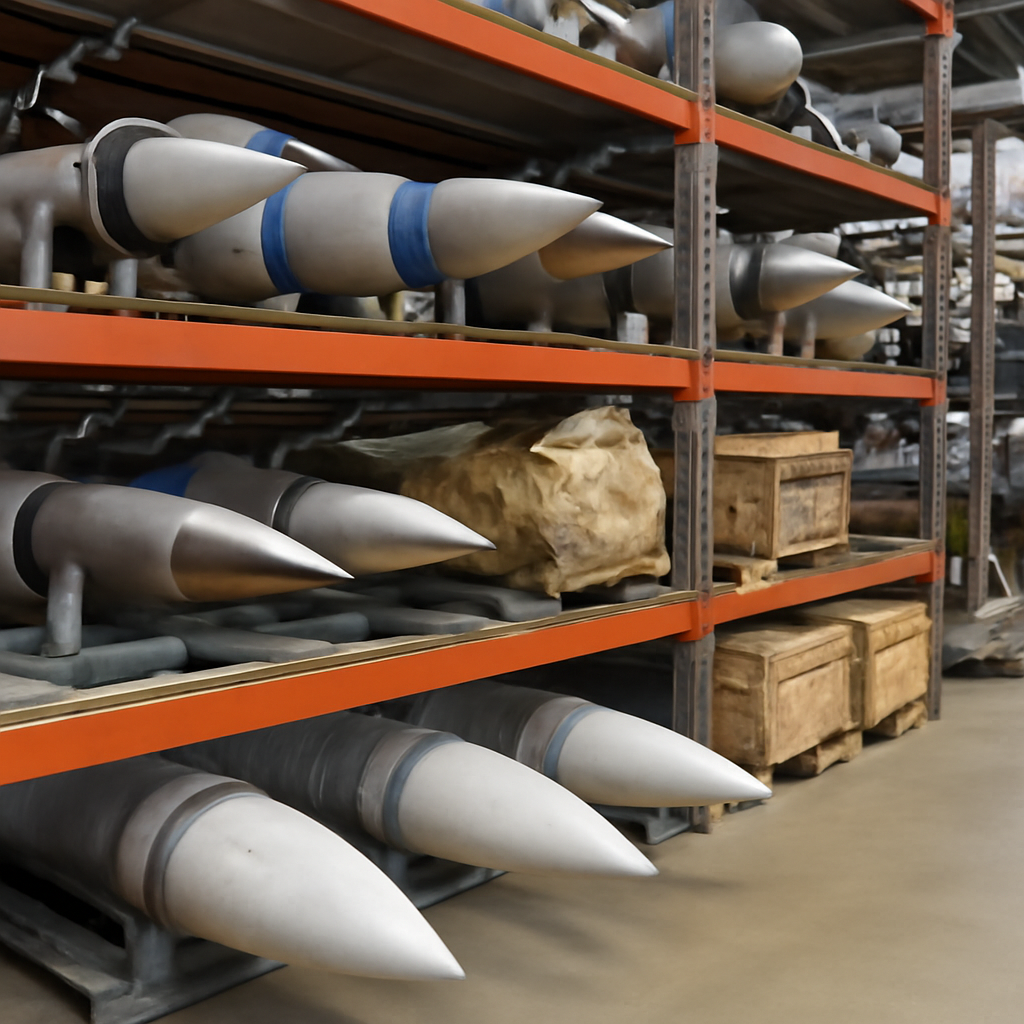
US Air Defenses Face Munitions Stockpile Challenges
The US air defense systems have proven effective, but their success relies on a dwindling stockpile of crucial components like solid rocket motors, leaving the nation with fewer interceptors and limited options to defend against threats. A balanced approach, or "high-low mix," is urgently needed to address the pressing issue of munitions shortages.

Navy Overhauls Science Strategy to Accelerate Tech Deployment
The Navy is revolutionizing its approach to science and technology with a bold new strategy that prioritizes speed and selectivity in deploying cutting-edge tech to those who need it most. By fostering closer collaboration with key stakeholders, the Office of Naval Research aims to rapidly deliver game-changing innovations to sailors and marines.
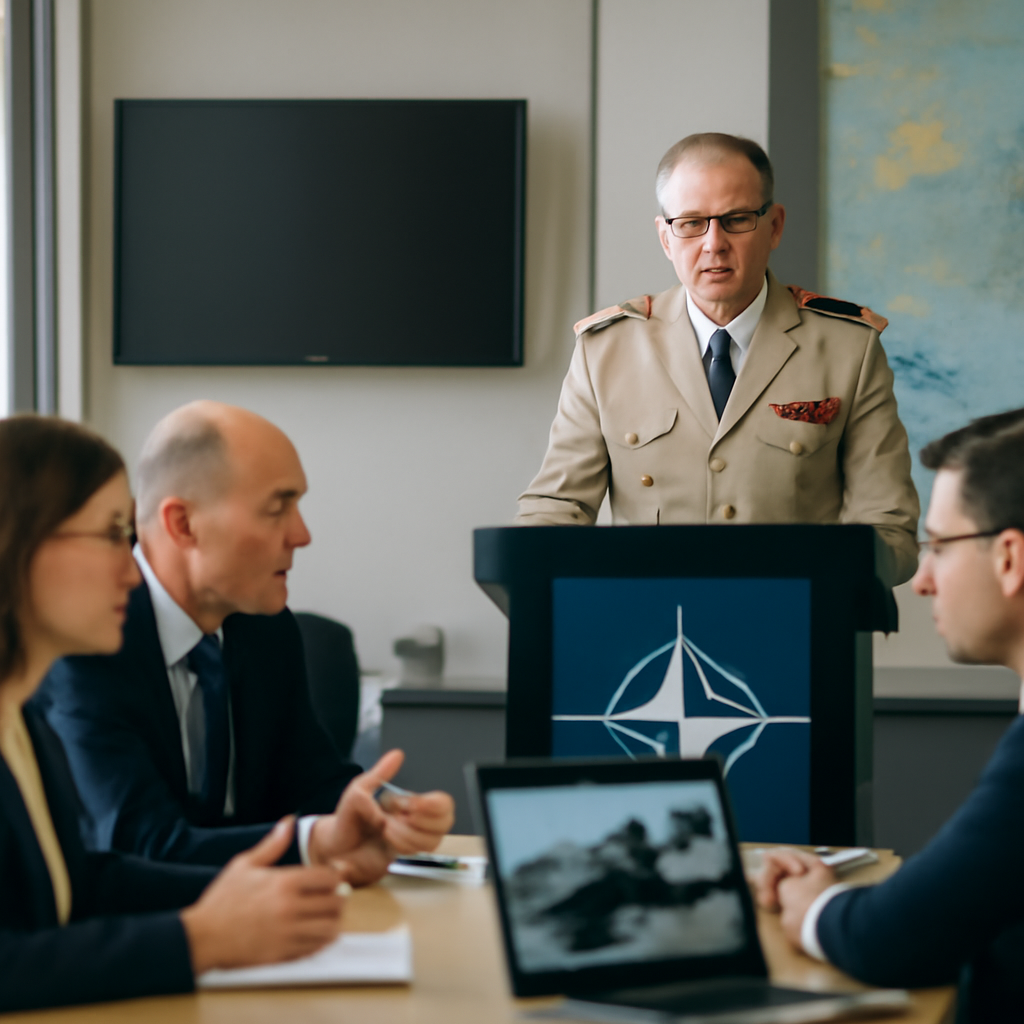
NATO Overhauls Modernization Approach Amid Rising Threats
NATO's modernization approach has undergone a significant transformation in recent years, driven by the need for faster learning, greater experimentation, and interoperable systems in the face of rising threats. This shift, sparked by Russia's invasion of Ukraine, is revolutionizing how the alliance approaches force design and innovation.
Senators Push for New Autonomous Warfare Combatant Command
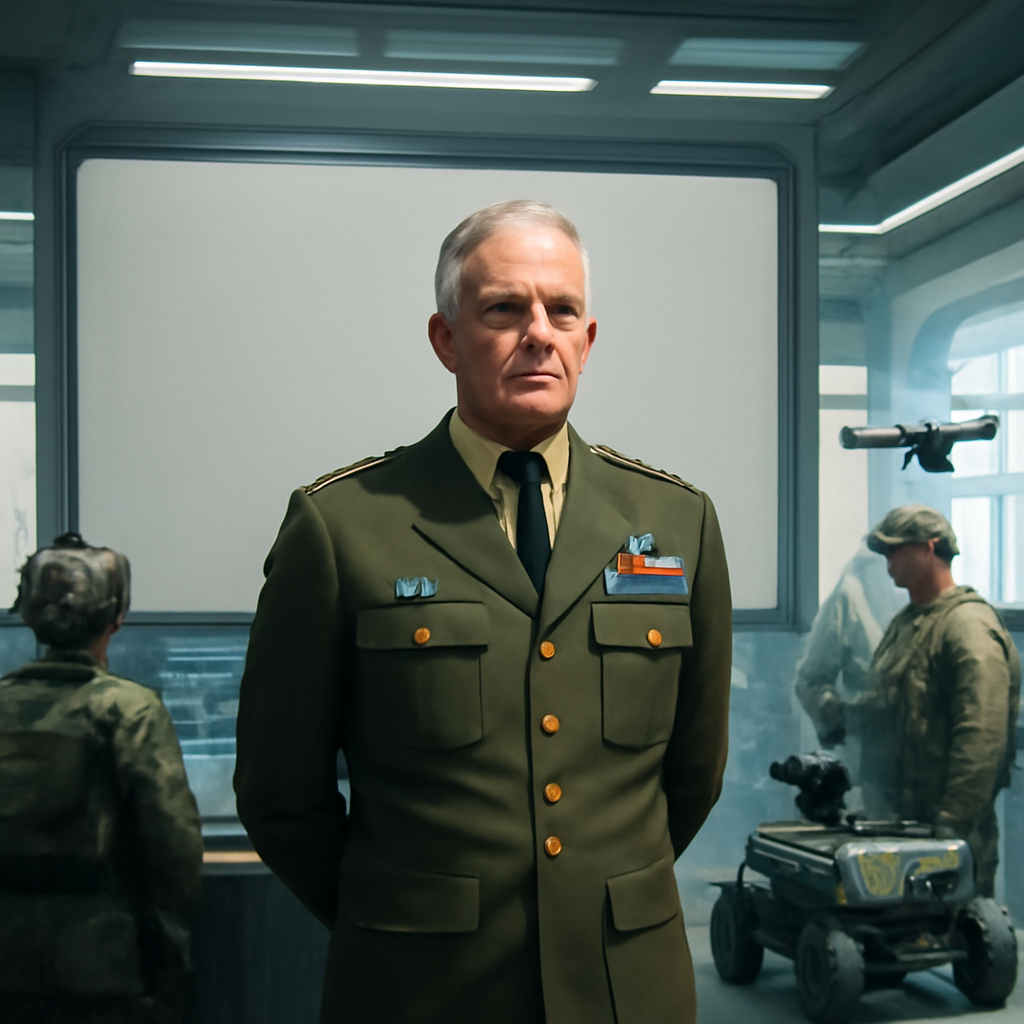
The Senate Armed Services Committee is pushing for a new combatant command dedicated to autonomous warfare, aiming to revolutionize the future of battle by harnessing the power of unmanned systems. This proposed Robotic and Autonomous Systems Combatant Command, led by a four-star general, could accelerate the development of the US's unmanned force.

US Defense Chief Misses Chance to Bolster Taiwan Support
US Secretary of Defense Pete Hegseth's recent speech at the Shangri-La Dialogue in Singapore left many wondering why he didn't seize the opportunity to reaffirm US support for Taiwan, a crucial moment to make a strong statement in the region. By choosing not to directly address Taiwan, Hegseth missed a chance to show strength and clarity in the face of growing uncertainty.
US Cyber Command Launches Cyber Innovation Warfare Center
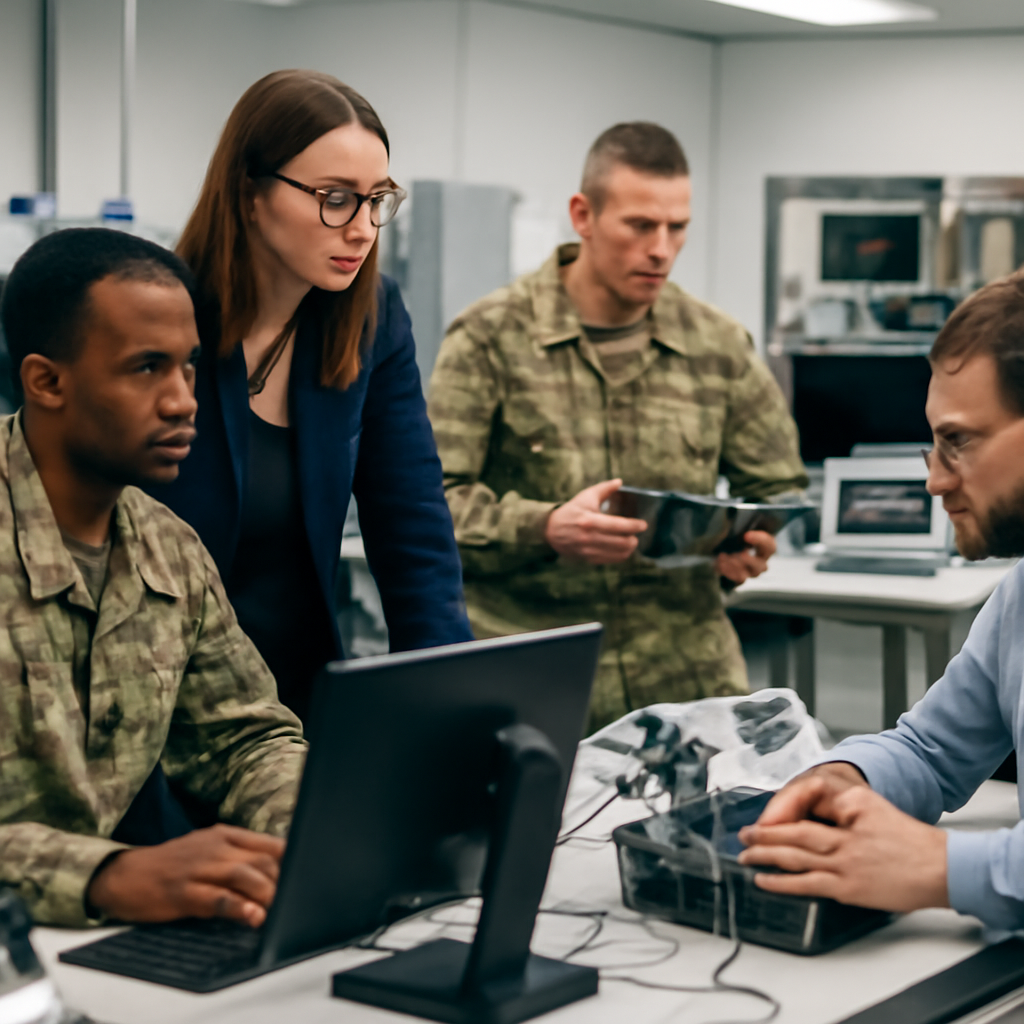
The US Cyber Command is shaking things up with its new Cyber Innovation Warfare Center, a game-changing proving ground where operators and industry experts join forces to test cutting-edge tech against real-world threats. This innovative hub will fast-track promising prototypes from the "valley of death" to operational use, driving progress at a time when time is of the essence.

US Military Weighs Standalone Cyber Force by 2028
The US military is considering a game-changing move: creating a standalone Cyber Force by 2028, but its success hinges on a crucial decision from Congress or the White House this year. A recent report outlines a bold plan to overcome longstanding structural challenges in cyber operations and make this vision a reality.

Pentagon Integrates Cyber into Operations, Prioritizes AI Security
The Pentagon is revolutionizing its approach to cyber operations, shifting away from treating it as a separate entity and instead weaving it into every military operation from the ground up. By doing so, the Defense Department aims to harness the full power of information on the battlefield, with AI security at the forefront of this strategic evolution.

Pakistan Navy Retires Aging Agosta 70 Submarines
After an impressive 45-year tenure, the Pakistan Navy bids farewell to its trusty Agosta 70 submarines, making way for a new era of cutting-edge, air-independent-propulsion submarines. These aging workhorses have earned their place in history as the longest-serving submarine type in the Pakistan Navy's fleet.