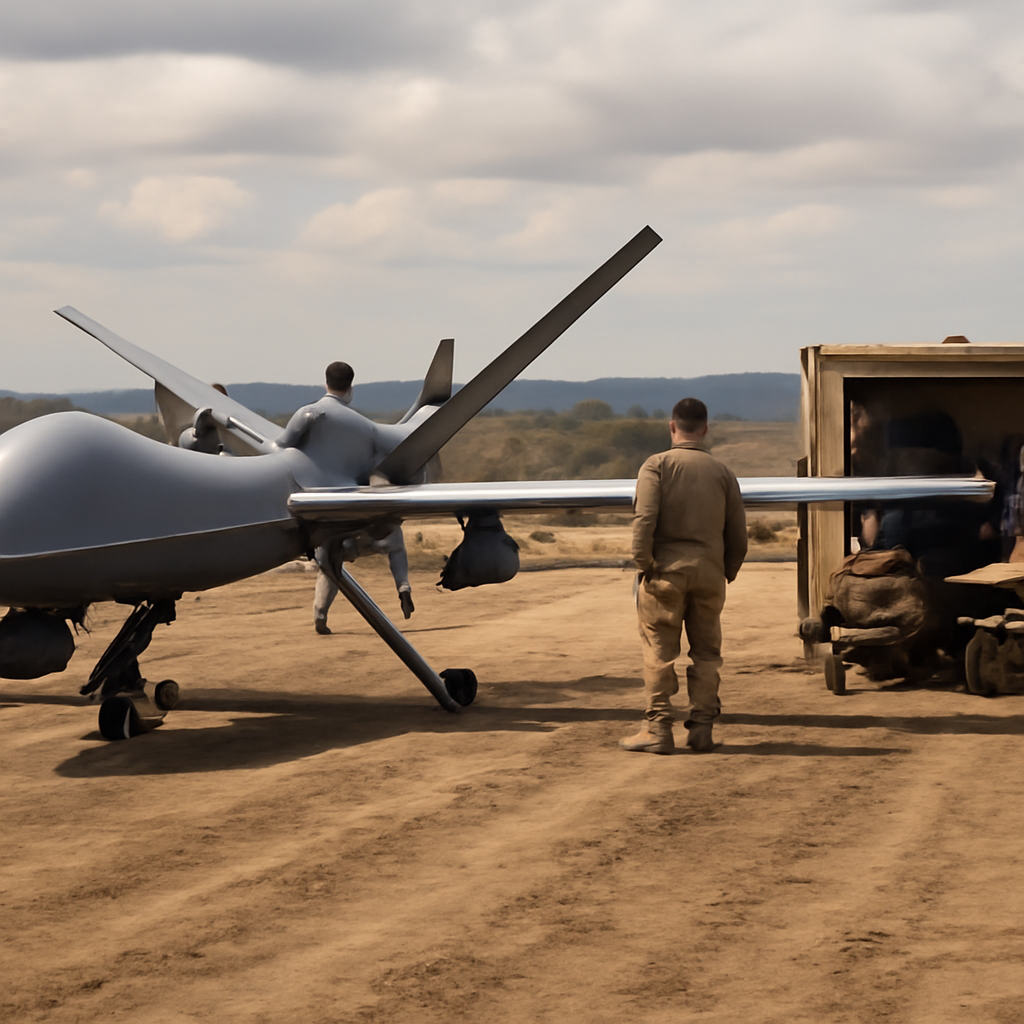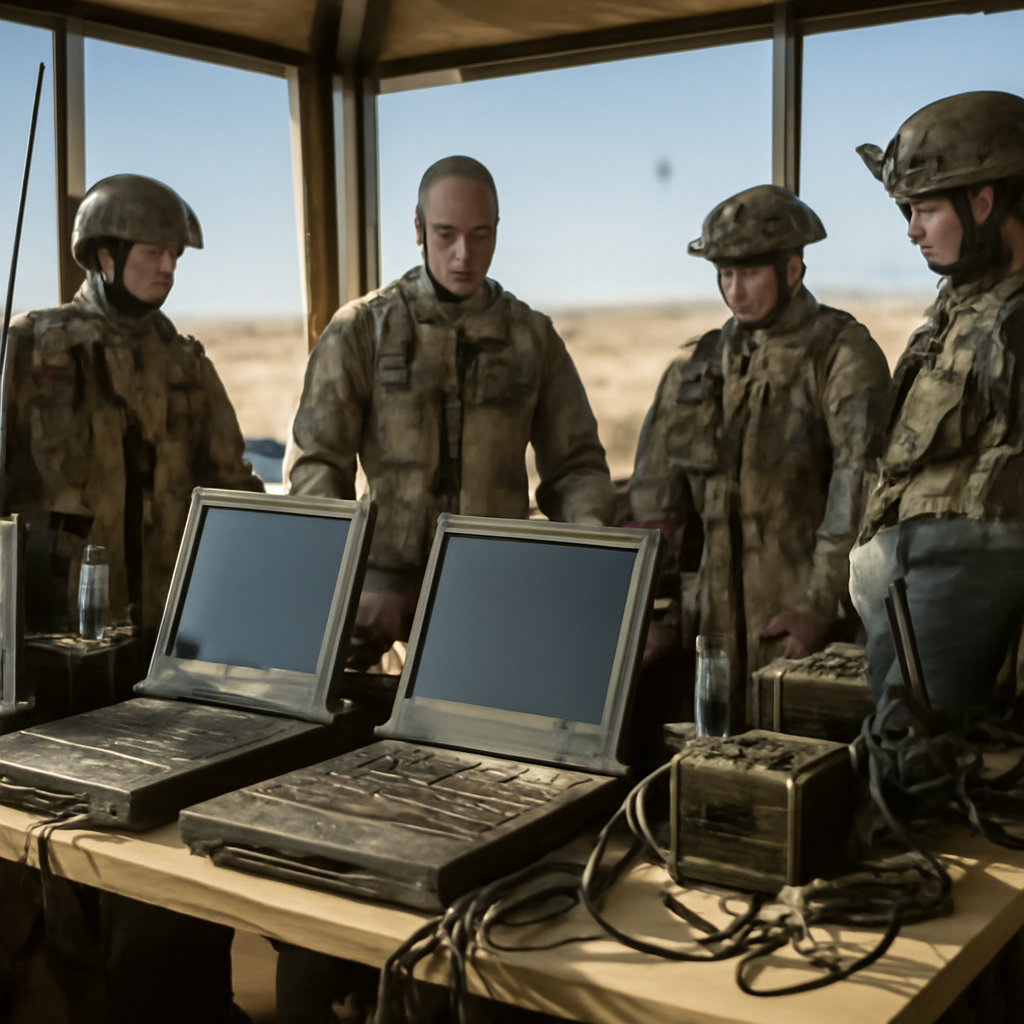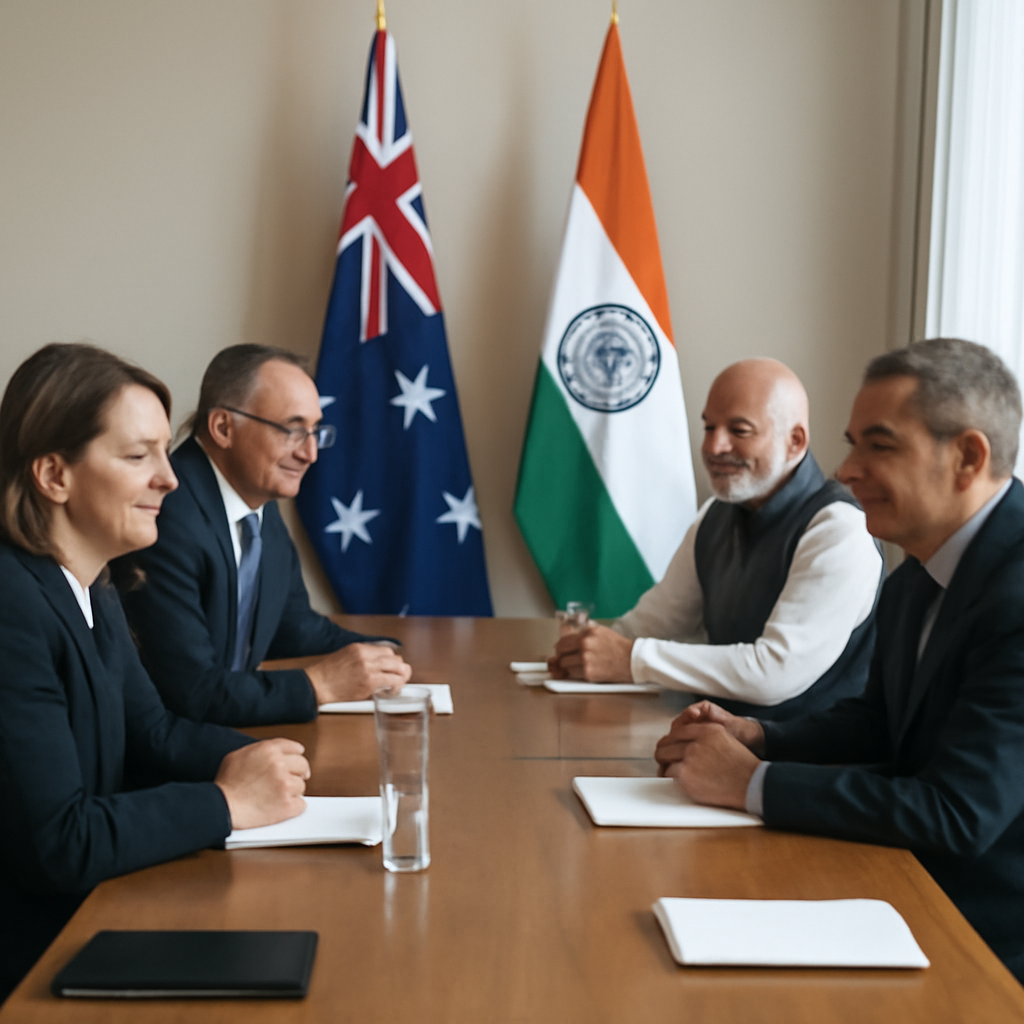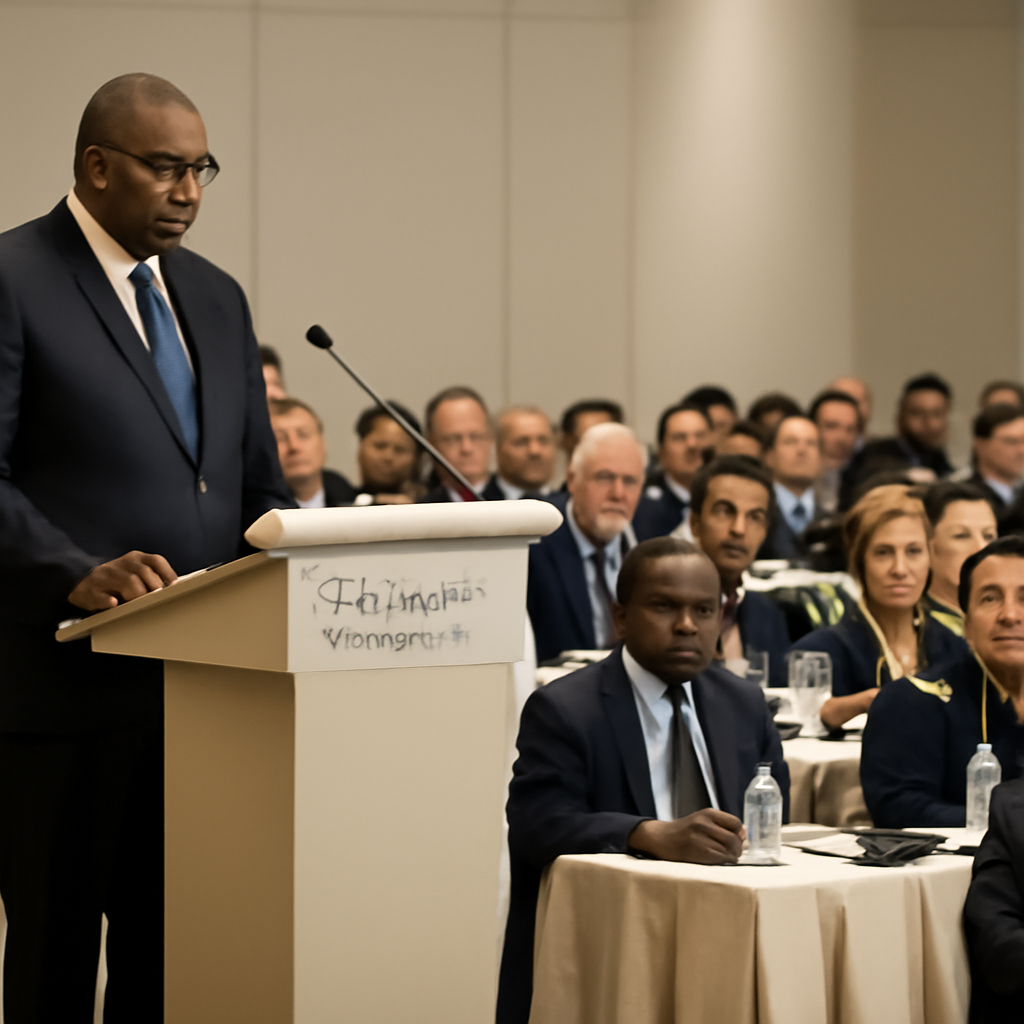
“We share a clear‑eyed assessment of that security environment and a mutual understanding that a Pacific dominated by any hegemon would unravel the regional balance of power and undermine the equilibrium we all seek to preserve,” Defense Secretary Pete Hegseth said at the Shangri‑la Dialogue opening plenary in Singapore.
Hegseth’s message at the Shangri‑la Dialogue in Singapore
Speaking at the opening plenary of the Shangri‑la Dialogue, Defense Secretary Pete Hegseth framed U.S. strategy in the Indo‑Pacific around a single, reiterated point: peace and prosperity in the region must be underwritten through strength from the United States and its regional allies. He said the goal is “a durable balance of power in the region where no one country can dominate,” and described that view as shared by partners and allies who are “alarmed at China’s historic military buildup and its growing military activities in the region and beyond.”
Notably, Hegseth did not mention Taiwan by name in the speech. His remarks instead emphasized a broad regional concept of balance and interoperability among allies.
The Philippines: 12% spending increase and an external‑defense shift
Hegseth singled out the Philippines for a recent policy and budgetary shift. He noted that the administration of President Ferdinand Marcos Jr. has increased defense spending by 12% to modernize both the military and the coast guard. The defense secretary described a Philippine move “towards external defense and enhancing interoperability with US forces.”
He added that the spending rise will “fund the Philippines’ multi‑year effort to develop a modern, technologically advanced, and interoperable force that can plug in and fight alongside American warfighters.” That framing tied Manila’s budget decision directly to an ability to operate jointly with U.S. forces.

The cyber insurance questionnaire just landed. Now what?
SOC 2, HIPAA, insurance renewals - someone has to own security strategy. Nubivance provides fractional CISO leadership without the full-time salary.
Get a security leadAllies praised: Australia, Japan, South Korea, Indonesia, Malaysia, Vietnam, and Singapore
Hegseth praised treaty allies Australia, Japan, the Philippines and South Korea for “stepping up” their defense efforts. He also acknowledged other regional partners—Indonesia, Malaysia and Vietnam—for their contributions toward regional security.
On host Singapore, Hegseth used a pointed phrase: Singapore “punched above its weight by investing heavily in its military and serving as a vital hub for US logistics activities and rotational deployments, strengthening our shared regional posture.” The defense secretary’s remarks tied Singapore’s investment to concrete U.S. activities—logistics and rotational deployments—reinforcing the interoperability theme.
Contrast with European allies and the two‑way nature of alliances
Hegseth contrasted his praise for Pacific partners with a critical assessment of many European allies. He said European partners had ignored “polite pleas” to increase defense spending and had “hollowed out their militaries,” though he acknowledged they have recently begun to “play catch up.”
He reinforced a reciprocal view of alliances: “Alliances only work when they are true partnerships. It is a two‑way street. You don’t have a strong alliance unless everyone has skin in the game,” he said, tying his earlier praise of rising Indo‑Pacific spending to a broader insistence that alliances require material contributions from all sides.
What this means for the Philippines, U.S. forces, and European allies
- The Philippines: Manila’s 12% defense spending increase is presented as funding a multi‑year modernization to create an interoperable, technologically advanced force able to operate with U.S. forces. That places defense modernization at the center of Manila’s strategic posture in Hegseth’s account.
- U.S. forces: Hegseth underscored direct U.S. engagement with regional militaries, including visiting U.S. military personnel aboard the amphibious assault ship USS Boxer when he arrived in Singapore for the dialogue. The emphasis on interoperability and rotational deployments signals continued operational ties and logistics activity in the region.
- European allies: Hegseth’s critique frames Europe as having fallen short on defense investment but beginning to respond; his characterization suggests Washington will continue to press for more equitable burden‑sharing within alliances while prioritizing Pacific partners’ recent investments.
Hegseth’s speech married a call for force modernization and burden‑sharing with a regional narrative that rejects hegemonic dominance. He praised concrete budget increases and interoperability steps while choosing language—most conspicuously avoiding naming Taiwan—that stressed a regional balance rather than singling out specific flashpoints. The next immediate signposts from Hegseth’s desk, as reflected in his Singapore remarks, will be follow‑through on interoperability efforts, continued U.S. logistical presence in the region, and whether allied spending trajectories translate into the joint capabilities he described.