The Strait of Malacca carries roughly a quarter of global trade and close to 30 percent of seaborne oil.
Guam and the three webs: security, deterrence, kill
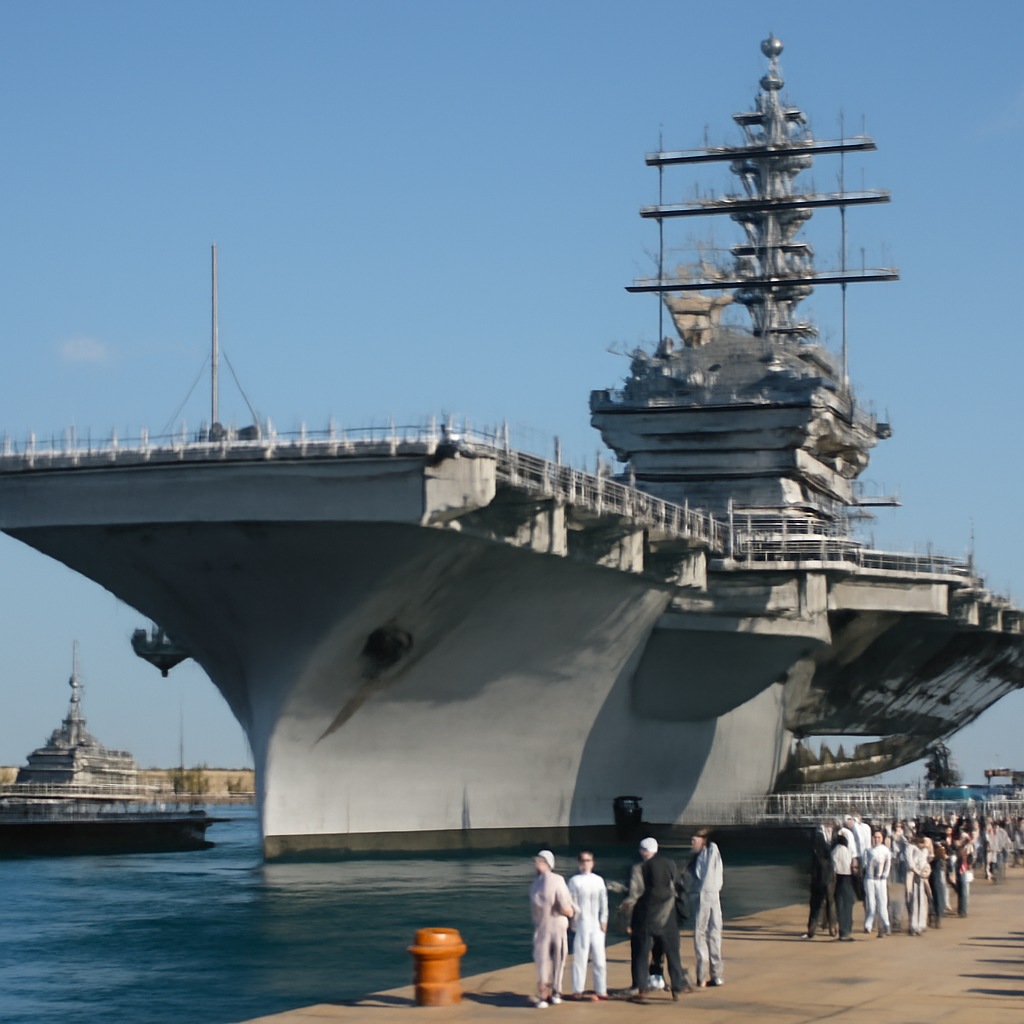
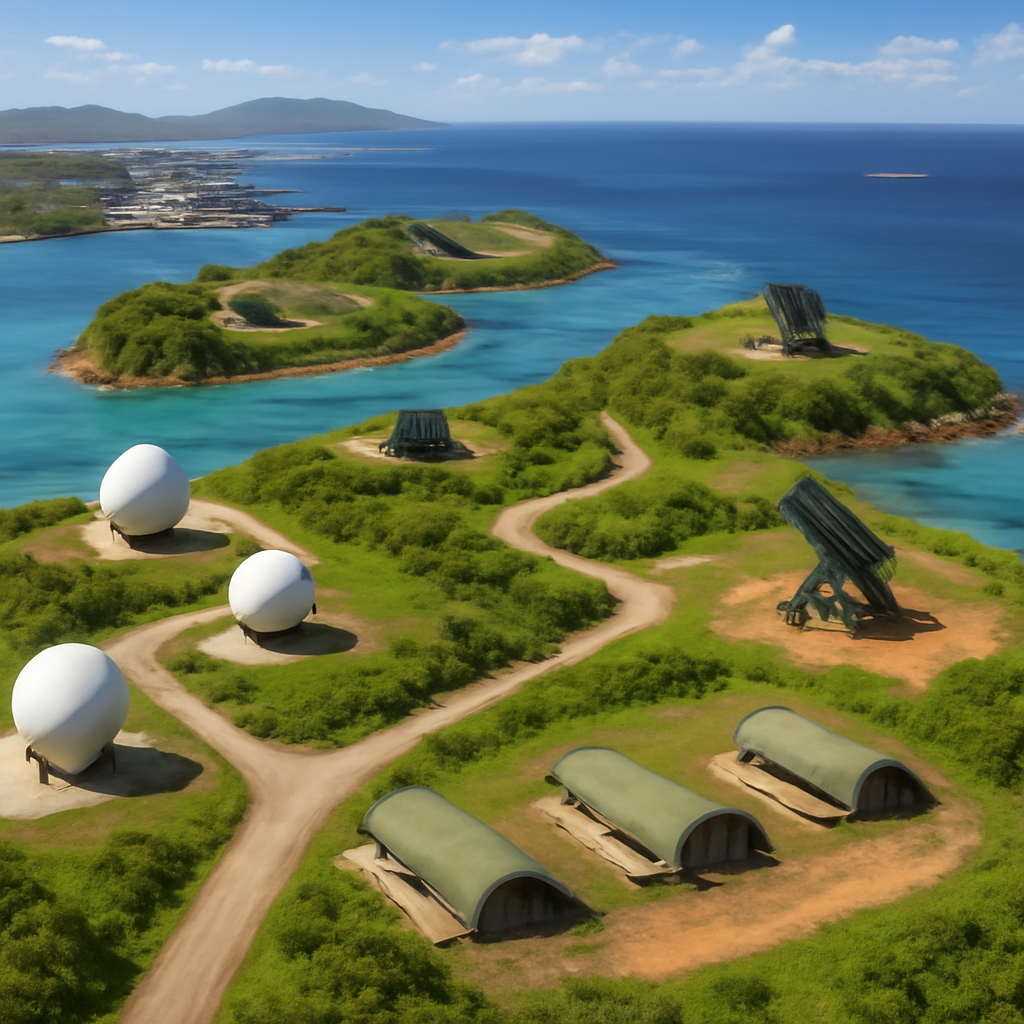
Guam has been reimagined from a concentrated forward base into an anchor node of a distributed network organized around three interlocking architectures: security webs, deterrence webs, and kill webs. Security webs at Guam emphasize survivability through measures already underway: distributed munitions magazines, dispersed fuel storage, an integrated air and missile defense system spread across 16 sites, and an expanded defensive footprint that now encompasses Saipan, Tinian, and Rota. The aim is to force an adversary to plan against multiple dispersed nodes rather than a single island fortress.
Deterrence webs are designed to impose costs and uncertainty by integrating capabilities, partnerships, and operational concepts so adversaries must calculate escalation risks, alliance cohesion, and operational complexity before acting. Kill webs dissolve the old linear kill chain by prioritizing a network’s overall capacity to sense, decide, and strike faster than an opponent.
Indo-Pacific Command head Adm. Samuel Paparo’s April 2026 posture statement links those operational shifts to three converging meta-trends: “the growing strategic effect of information and cognitive operations, the commoditization of cheap massed autonomous systems, and the commoditization of long-range precision strike,” driving a single imperative — achieving information and decision superiority.
US–Australia–Indonesia triangle: co-inventing littoral power
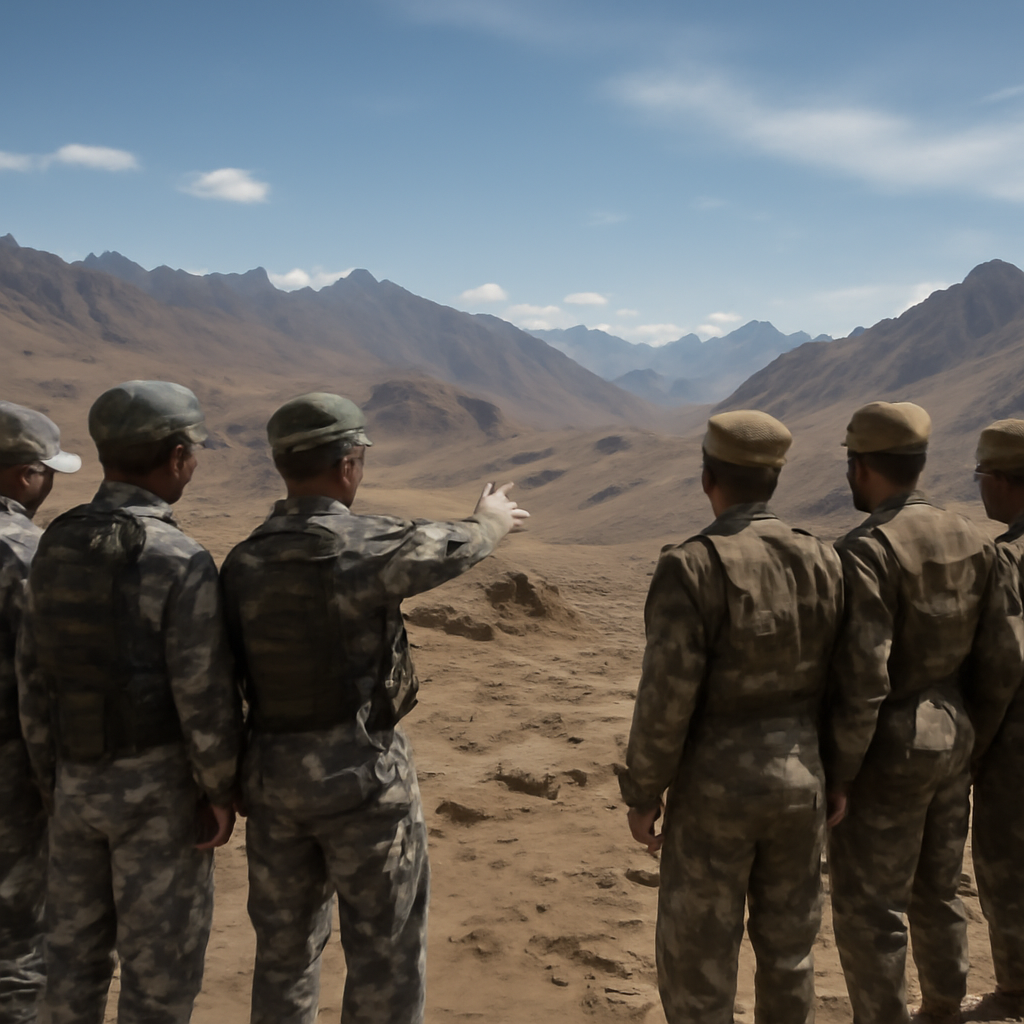
A new amphibious partnership among the United States, Australia, and Indonesia is remaking littoral concepts. Marine Rotational Force–Darwin has served as a sustained laboratory for Expeditionary Advanced Base Operations, stand-in forces, land-based anti-ship fires, and logistics for dispersing small lethal units across austere islands. The November 2024 amphibious landing at Banongan Beach in East Java — the largest and most complex joint drill Australia and Indonesia had ever conducted — carried that operational DNA into a bilateral setting without an American flag on the beach.
The relationship operates as a three-lane co-invention cycle: a US–Australia lane where concepts are refined, a US–Indonesia lane where Indonesian officers encounter those concepts through exercises like Super Garuda Shield, and an Australia–Indonesia lane where exercises like Keris Woomera allow Jakarta and Canberra to adapt ideas in a deliberately non-US-led framework. The result: American concepts travel furthest when local partners can genuinely adapt and own them.

Audit-ready is a season. It shouldn't be.
Evidence in spreadsheets, controls drifting between audits, frameworks multiplying on flat headcount. Nubivance runs continuous compliance on Rapid7 Cyber GRC - SOC 2, HIPAA, ISO 27001, PCI, CMMC.
End the scrambleStrait of Malacca and the US–Indonesia Major Defense Cooperation Partnership
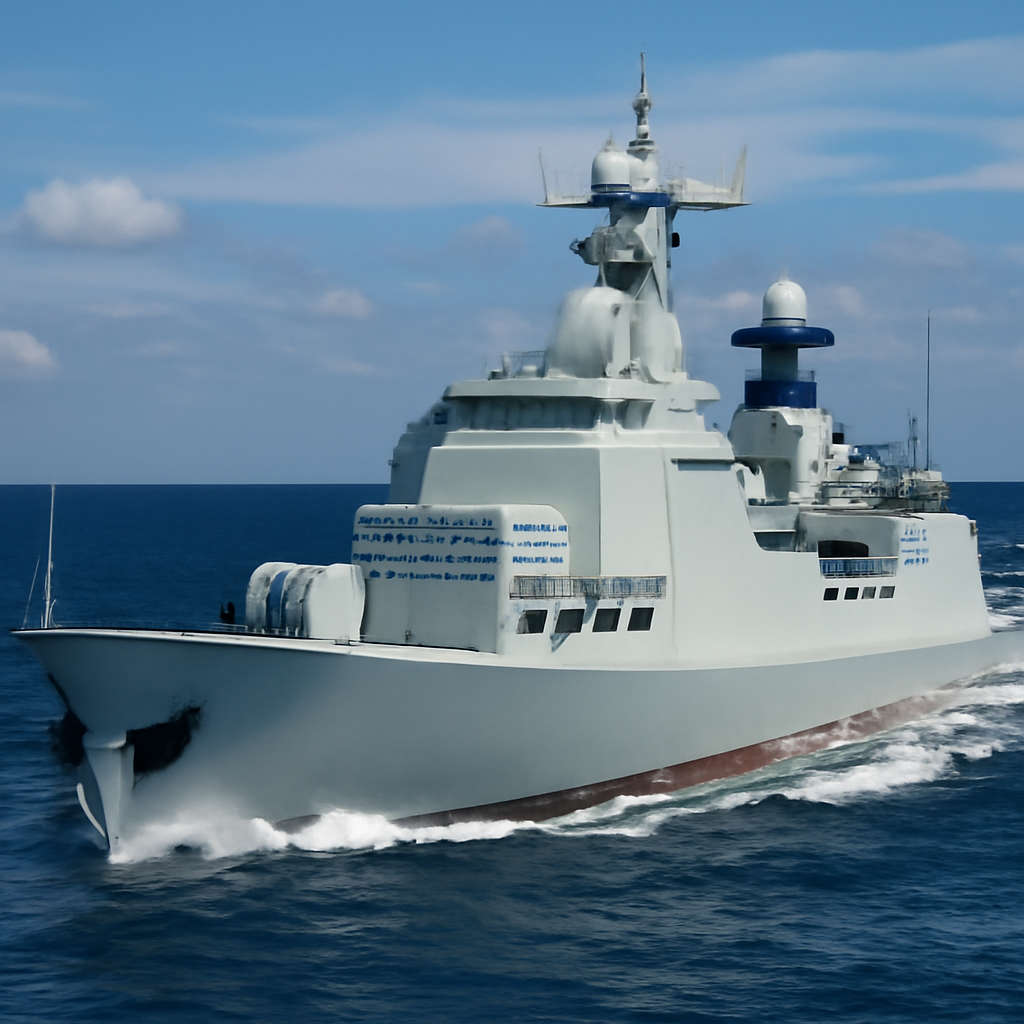
The April 2026 US–Indonesia Major Defense Cooperation Partnership is reshaping the “Malacca chessboard.” The three-web architecture is being adapted to this chokepoint: a security web of persistent ISR, mesh fleets of unmanned surface and undersea vehicles, and networked sensor grids that serve peacetime counter-smuggling and anti-piracy missions while producing the continuous contact picture needed in crisis.
The deterrence web uses the same infrastructure to expose and impose friction on coercion; the kill web ties sensors to effectors. Indonesia’s “free and active” foreign policy tradition is presented as structurally indispensable because it permits deep operational relationships with Washington in crisis-relevant domains without the political costs of formal alliance membership.
Philippine porcupine: MARTAC USVs, Marine Raiders, and distributed defense
The Philippines is experimenting with a porcupine defense centered on MARTAC unmanned surface vessels. The first tranche delivered to Manila included MANTAS T-12 USVs and Devil Ray T-38 platforms, now operational with the Philippine Navy and deployed in Palawan. The T-12 can operate in a semi-submersible “gator mode” to reduce radar and visual signature; the T-38 carries roughly 4,000 pounds of payload at speeds exceeding 70 knots and is readily reconfigurable for ISR, anti-mining, anti-surface warfare, or logistics.
Marine Raiders are working alongside the Armed Forces of the Philippines to operationalize these systems within a SOF-enabled construct. T-12s operating singly or in swarms patrol reef complexes, straits, and approaches to key bases, feeding a fused maritime domain awareness picture shared among Philippine Navy, Coast Guard, and Marine units — and, where politically acceptable, with US and allied forces.
Pax Silica, the Luzon Economic Corridor, and Australia’s Camel Train
Security webs now include economic and industrial layers. In April 2026 the Philippines became the 13th member of Pax Silica, a US-led framework to build secure supply chains for semiconductors, AI technology, and critical minerals. That accession accompanied the announcement of a 4,000-acre industrial hub in New Clark City designated as the first “Golden Node” in Pax Silica — an explicit folding of trade policy into deterrence architecture.
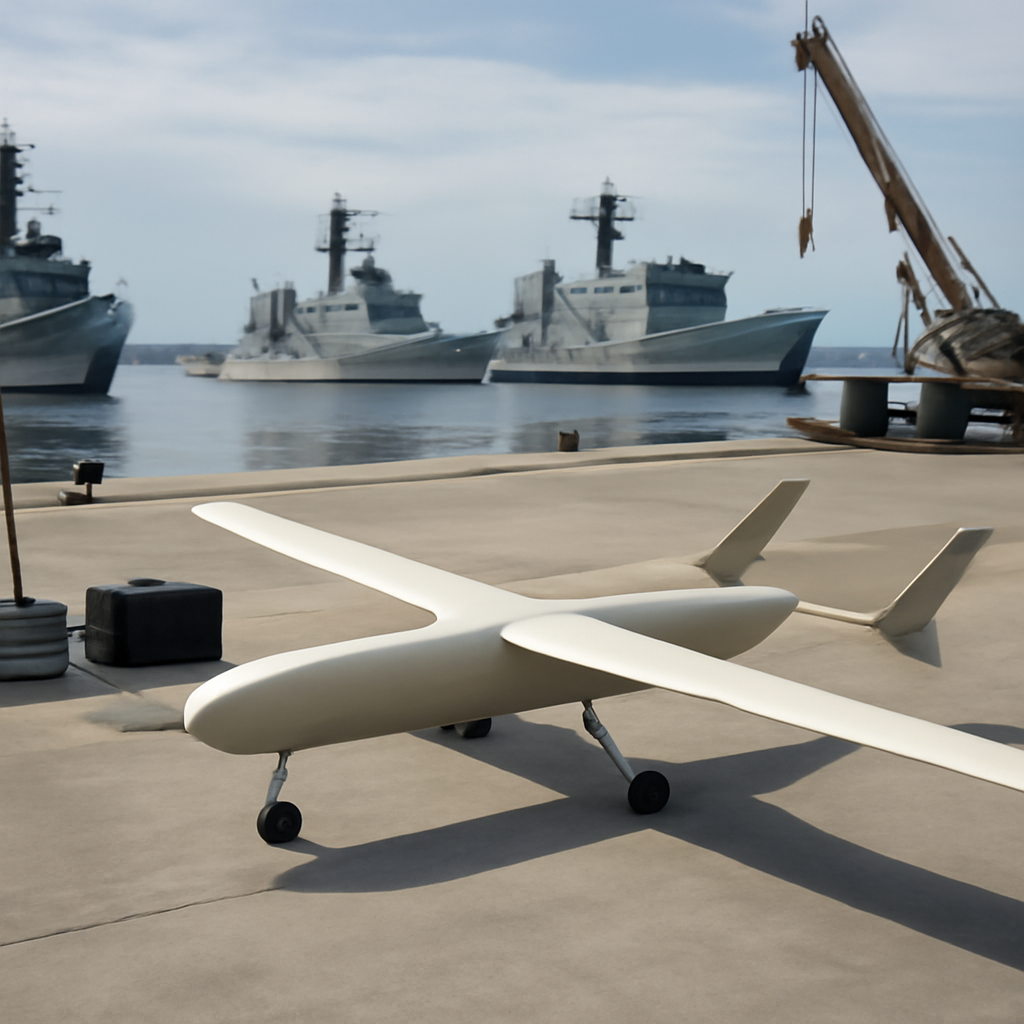
Australia’s Camel Train project shows how civilian systems can be repurposed for distributed logistics and ISR. A prototype Jabiru 400 was retrofitted with an Australian autonomous avionics stack and moved from conception to flight testing within two years. The avionics are aircraft-agnostic — installable in a Cessna 152, a King Air, or a Gipps Aero GA8 — so a logistics drone hauling jerry cans with a small optical sensor package can double as a persistent ISR collector. Australia has approximately 30,000 licensed drone operators certified under CASA; in a mobilization phase, that pool represents a potential operational reserve.
What this means for the Philippines, Australia, and the United States
- The Philippines: must integrate MARTAC USVs, SOF training, and fused domain awareness to make a porcupine defense effective around Palawan and key approaches.
- Australia: faces a choice to invest in niche capabilities — autonomy, sensing, amphibious maneuver, and resilient dispersed logistics — that let it lead regionally on its own terms, not merely participate.
- The United States: remains indispensable for munitions stockpiles, space architectures, large-platform fleets, and global industrial alliances that a theater-wide kill web requires, even as American leadership shifts from hub to a largest-node-in-a-web model.
Taken together, these initiatives mark a deliberate move away from Cold War hub-and-spoke geometry toward a distributed, co-invented allied security web that accepts chaos as the baseline. The source is explicit: the architecture’s effectiveness rests on partners’ capacity to act with initiative and, at times, without a visible American presence. The concrete next steps in that transition are visible in the record — field Guam’s distributed defenses, operationalize the Malacca sensor-to-effector link with Indonesia, expand the Philippines’ porcupine systems in Palawan, and materialize the Pax Silica Golden Node at New Clark City — but whether those pieces will knit into the resilient web the strategy requires remains the defining question.