"Finding that balance is going to be the major challenge for the US Air Force and militaries around the globe."
The central dilemma: humans in the loop versus unmanned reach
The second edition of a new video series on manned-unmanned teaming frames a clear, succinct tension: drones bring advantages to military operations, but there remain tasks unmanned systems cannot yet perform as humans do. That tension—how to divide authority, responsibility and control between people and machines—stands front and center for the US Air Force and for militaries worldwide, the series warns.
Manned-unmanned teaming: risks and benefits under discussion
The episode gathers analysts to "discuss the risks and benefits of these kind of systems," according to the program description. The conversation explicitly spans past, present and future dimensions of teaming between manned platforms and unmanned systems, with the program emphasizing that operational gains from drones must be weighed against limitations that keep humans in the decision loop.

This site is the portfolio.
OSINTSights runs on Cloudflare Workers, D1, R2, and Vectorize, with an AI pipeline on Hetzner ARM. Nubivance designed, built, and operates it. We do the same for clients.
See what we buildWho is shaping the debate: Aaron Mehta, Michael Marrow, Caitlin Lee, JJ Gertler
Editor-in-Chief Aaron Mehta moderates the second edition. He is joined by Michael Marrow, identified in the program as the outlet’s in-house air warpower expert; Caitlin Lee of the RAND Corporation; and JJ Gertler of the Teal Group. Their participation signals the mix of editorial perspective, practitioner expertise and independent analysis the series intends to deploy as it examines manned-unmanned teaming.
Loyal wingman drones and the human role
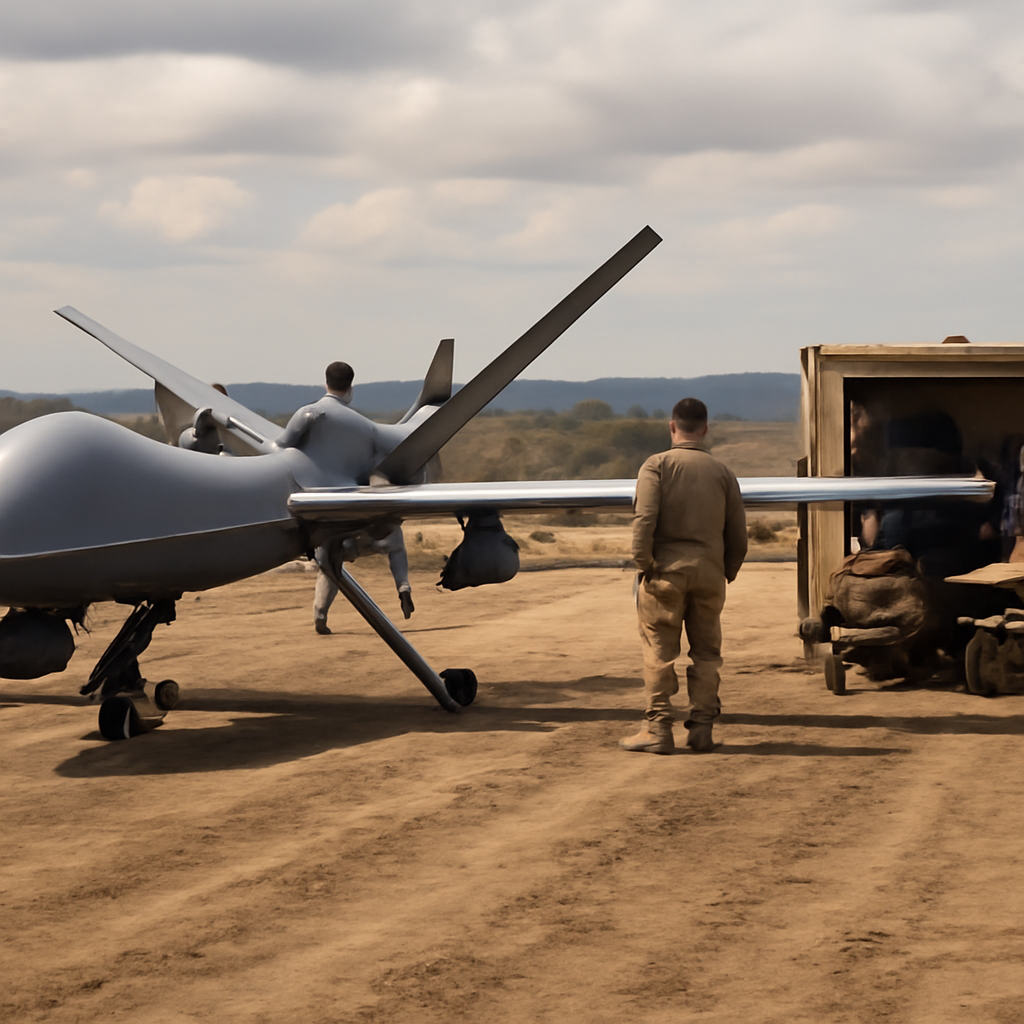
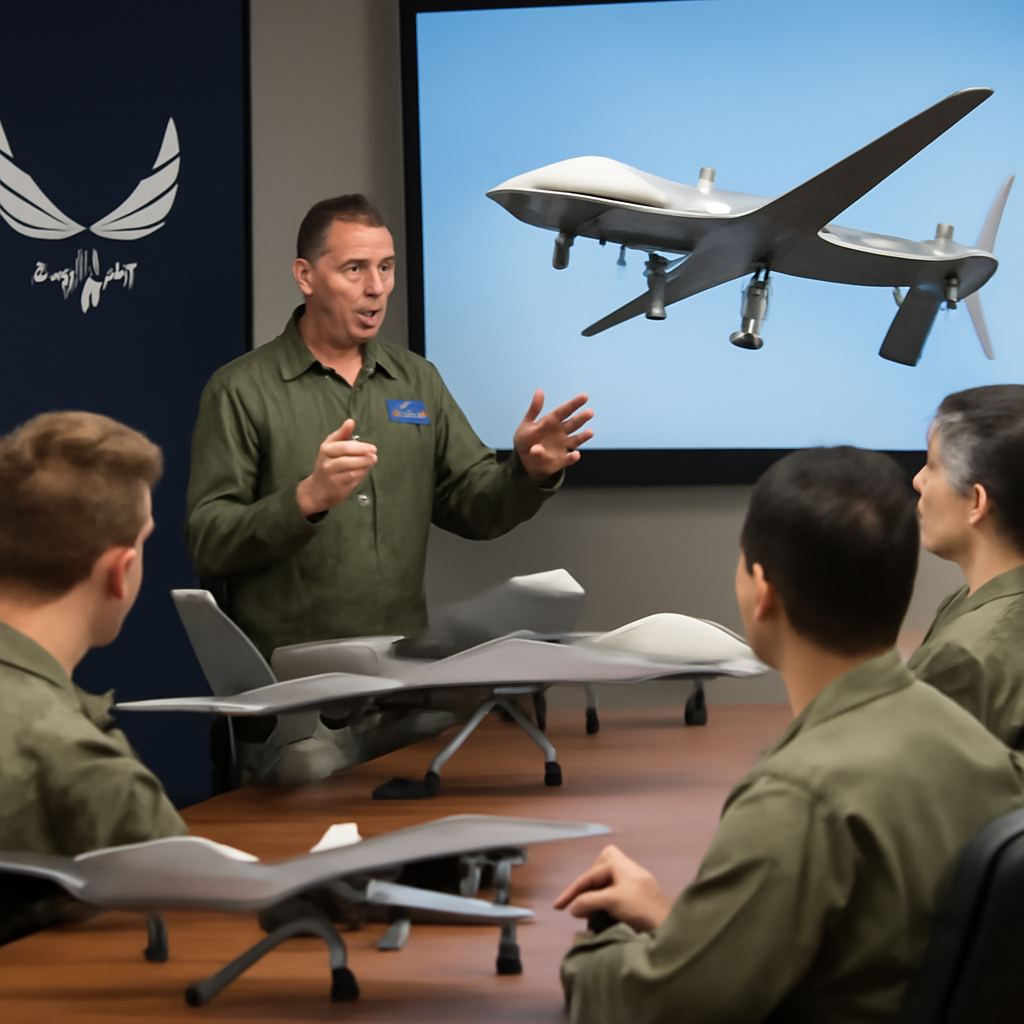
The series title and discussion place special emphasis on "loyal wingman" concepts—unmanned platforms designed to operate alongside crewed aircraft. The episode notes that while loyal wingman drones expand operational options, they do not eliminate human responsibilities. The program frames the principal question simply: which tasks should remain human-led, and which can be delegated without unacceptable risk?
How the US Air Force, RAND Corporation, and the Teal Group are engaged
- US Air Force — Presented as the principal institutional actor facing the balance between human control and unmanned capability, the Air Force is cast as the organization that must reconcile operational promise with practical limits.
- RAND Corporation — Represented by Caitlin Lee, RAND contributes policy and analytic perspective to the trade-offs embedded in manned-unmanned teaming.
- Teal Group — Represented by JJ Gertler, the Teal Group’s involvement situates industrial and market considerations alongside doctrinal and technical questions.
The episode functions as both diagnosis and framing device: it catalogs the advantages of unmanned systems while repeatedly returning to the boundaries of what they can accomplish without human presence. That framing keeps the debate centered on concrete operational outcomes rather than futuristic abstractions.
For viewers and participants alike, the program is part of an ongoing series. The producers point to a first video to "get caught up," and they promise additional installments "next week" as the series continues to examine the evolution of manned-unmanned teaming.
In short: the conversation is not whether drones are useful—that is treated as settled—but how to allocate roles so that the benefits of unmanned systems are realized without ceding critical functions that, at least for now, remain better performed by human operators. The series assembles editorial, operational and analytical voices to keep that question squarely in view.
Read the original story: Why humans are staying in the loop with loyal wingman drones