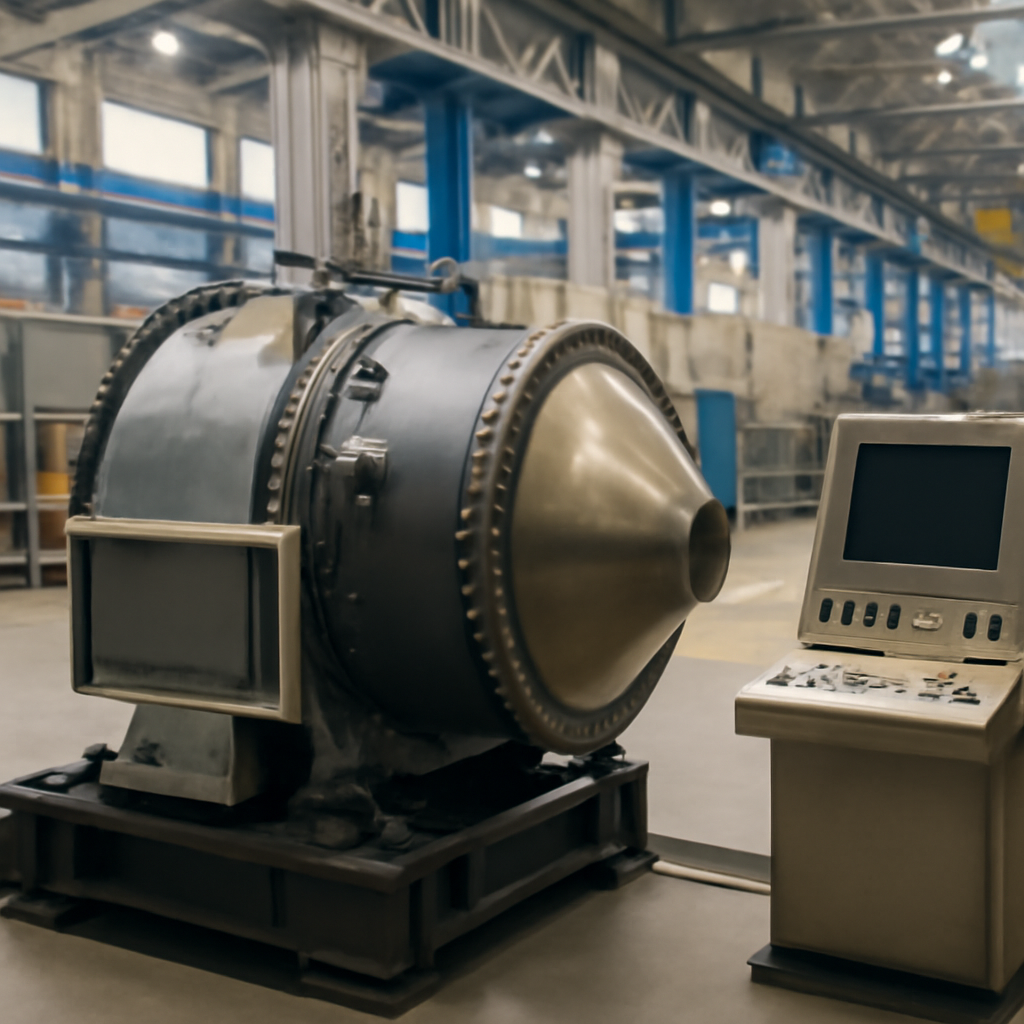
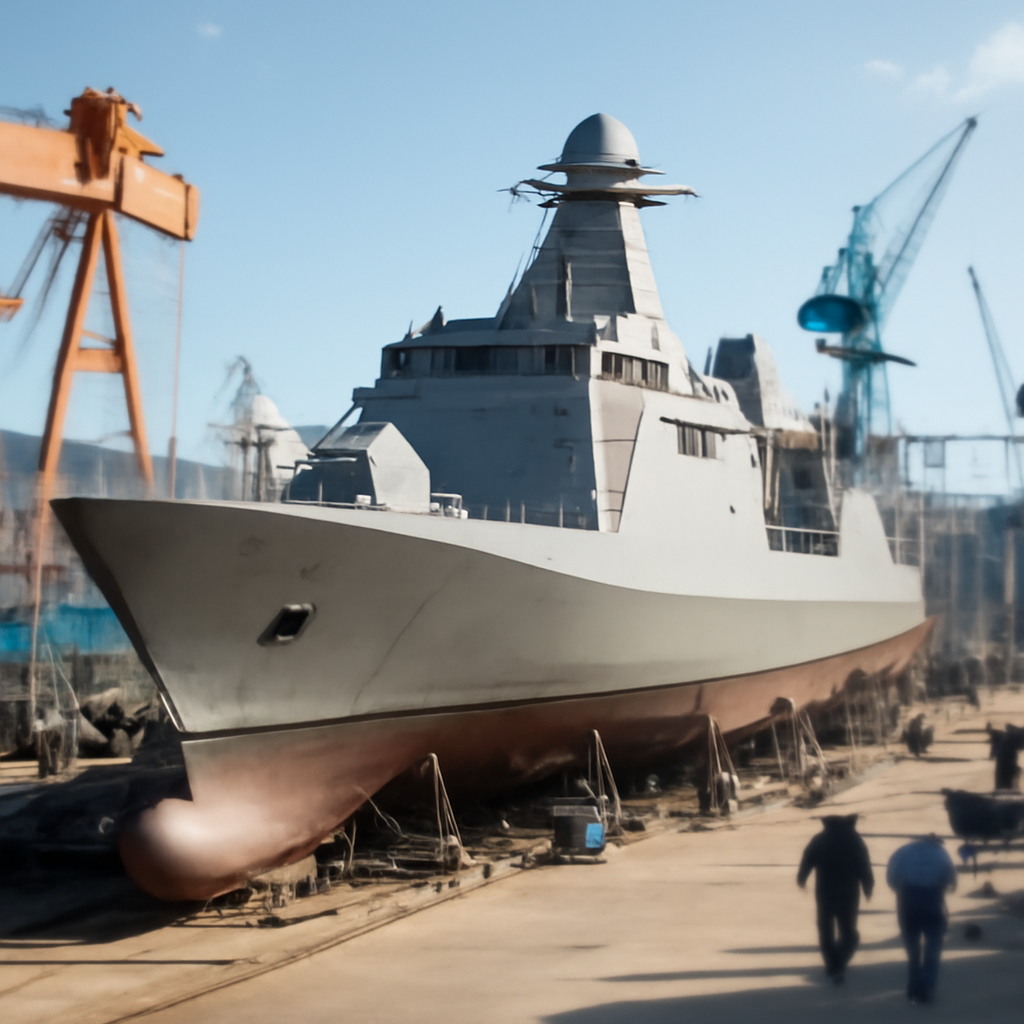
"We’re exploring theater ballistic missile defense. So we’re doing some studies, we’re running some simulations, to see if that’s a requirement for the service in the future," Marine Lt. Col. Robert Barclay said during a panel at the Modern Day Marine exposition on April 28, 2026.
What Lt. Col. Robert Barclay told the Modern Day Marine panel
Barclay, the Marine Air Command and Control Systems (MACCS) Integration Branch Head within the Aviation Combat Element Division of the service’s Combat Development and Integration office, said the Corps is studying whether an organic theater ballistic missile defense (BMD) capability is a future requirement. He described running studies and simulations over the next year to determine need, and warned bluntly that "I don’t think the Army’s going to have enough capacity with us where we’re operating to actually adjudicate on that threat." Barclay’s portfolio, the source notes, includes service-wide air and missile defense requirements.
Where the Marines stand now: Stinger, MRIC, and sensors
The Marine Corps’ current primary ground-based anti-air weapon is the Stinger short-range heat-seeking missile, fielded in man-portable (shoulder-fired) form and on Humvee-based Avenger air defense vehicles. Stinger provides a point-defense capability against fixed-wing aircraft, helicopters, drones, and certain cruise missiles.
The Corps also hopes to reach initial operational capability this year with a Medium-Range Intercept Capability (MRIC), described as a service-specific variant of the Israeli Iron Dome. MRIC uses a U.S.-made version of Iron Dome’s Tamir interceptor called SkyHunter and a trailer-based road-mobile launcher. Each launcher can accommodate up to 20 interceptors, preloaded in individual canisters. The system relies on offboard sensors to spot and track targets and to cue missiles; the Corps’ AN/TPS-80 Ground/Air Task-Oriented Radar (G/ATOR) has been presented as the primary sensor for MRIC.

Audit-ready is a season. It shouldn't be.
Evidence in spreadsheets, controls drifting between audits, frameworks multiplying on flat headcount. Nubivance runs continuous compliance on Rapid7 Cyber GRC - SOC 2, HIPAA, ISO 27001, PCI, CMMC.
End the scrambleMRIC’s mission set and questions about ballistic use
Marine Col. Andrew Konicki, the service’s Program Manager for Ground Based Air Defense, described MRIC’s "primary target set" as cruise missiles and "your higher-end Group 5-type of [anti-]air application, as well as rotary wing, fixed-wing type of aspects." He added MRIC "can go after Group 3" uncrewed systems but that doing so may be a mismatch in ammunition versus target. The implication in the panel discussion was that MRIC is being fielded primarily for cruise missiles and heavier air threats rather than as a dedicated ballistic-missile interceptor.
The question of whether MRIC could be used against ballistic missiles remains unresolved. The report notes previous press reporting of Iron Dome’s reported use against Iranian ballistic missiles in the terminal phase, but stresses the system was never designed for that mission and that MRIC’s effectiveness against ballistic threats is unclear.
Army capacity, current BMD tools, and recent operational pressure
Today, ground-based theater BMD across U.S. forces is centered on the Army’s Patriot surface-to-air missiles and the Terminal High Altitude Area Defense (THAAD) system; both are described in the source as intercepting ballistic threats only in their terminal phase. The article reiterates reporting that the Patriot force is "heavily strained" and not adequately resourced to meet constant demands, and that the smaller THAAD force is in equally heavy demand.
The recent conflict with Iran between February and April brought those strains into stark relief. Iranian forces launched repeated missile and drone attacks on key bases across the Middle East and in many instances successfully struck high-value military assets, including aircraft parked on the ground and air and missile defense radars — with open-source imagery cited of damage to an AN/FPS-132 early-warning radar at Al Udeid Air Base in Qatar. That pressure renewed concerns about stockpile depth for interceptors and the speed at which they can be replenished.
The Army is reported to be taking steps to expand Patriot capacity, and the U.S. military is pushing industry to ramp production of air and missile defense interceptors and other critical munitions — efforts the source stresses will take years to bear full fruit.
Ballistic-missile trends shaping the debate
The article highlights an evolving threat environment: Iran has employed ballistic missiles with cluster-munition warheads designed to release payloads at very high altitudes to defeat terminal defenses, and North Korea tested a ballistic missile with a new cluster-munition warhead earlier this month. The piece also notes China is "continuing to expand" its ballistic-missile arsenal and points to broader advances worldwide in hypersonic weapons, advanced cruise missiles, and long-range one-way attack drones such as the Shahed 136 — a threat class the Marines are explicitly factoring into their planning. Lt. Col. Barclay warned during the panel that "the adversary is not just going to throw drones at you. We’re going to have other threats in the future," including TBMs and ballistic missiles.
What this means for the Marine Corps, the Army, and the U.S. defense industrial base
- The Marine Corps: Will complete studies and simulations over the next year to decide whether to field an organic theater ballistic missile capability and how that capability would integrate with MRIC, G/ATOR, and other service systems.
- The Army: Faces continuing operational strain on Patriot and THAAD forces and will likely remain the principal provider of ground-based theater BMD while the services and industry work to expand capacity.
- The U.S. defense industrial base: Is being asked to ramp production of interceptors and munitions, a process the source says will take years — a timeline that shapes how quickly any shortfall in capacity can be closed.
The Marines have put the question squarely on the table: if the Army cannot guarantee sufficient theater ballistic missile coverage where Marines operate, the Corps intends to study whether it must build its own capability. The next year of studies and simulations will determine whether that intention becomes procurement and fielded systems — and will test how rapidly doctrine, sensors, and interceptors can be adapted to an expanding and more sophisticated ballistic threat environment.