Tag: air force
97 articles

Air Force Exposed to Malware Risk via Unsecured USB Drives
The Air Force's use of CDs and later USB drives to transfer mission data between unclassified and classified systems created a vulnerability that allowed malware to slip into sensitive areas, reveals Justin Henkel, former Air Force IT security expert. This simple habit, born from convenience, ended up bridging the gap between secure and unsecure environments.
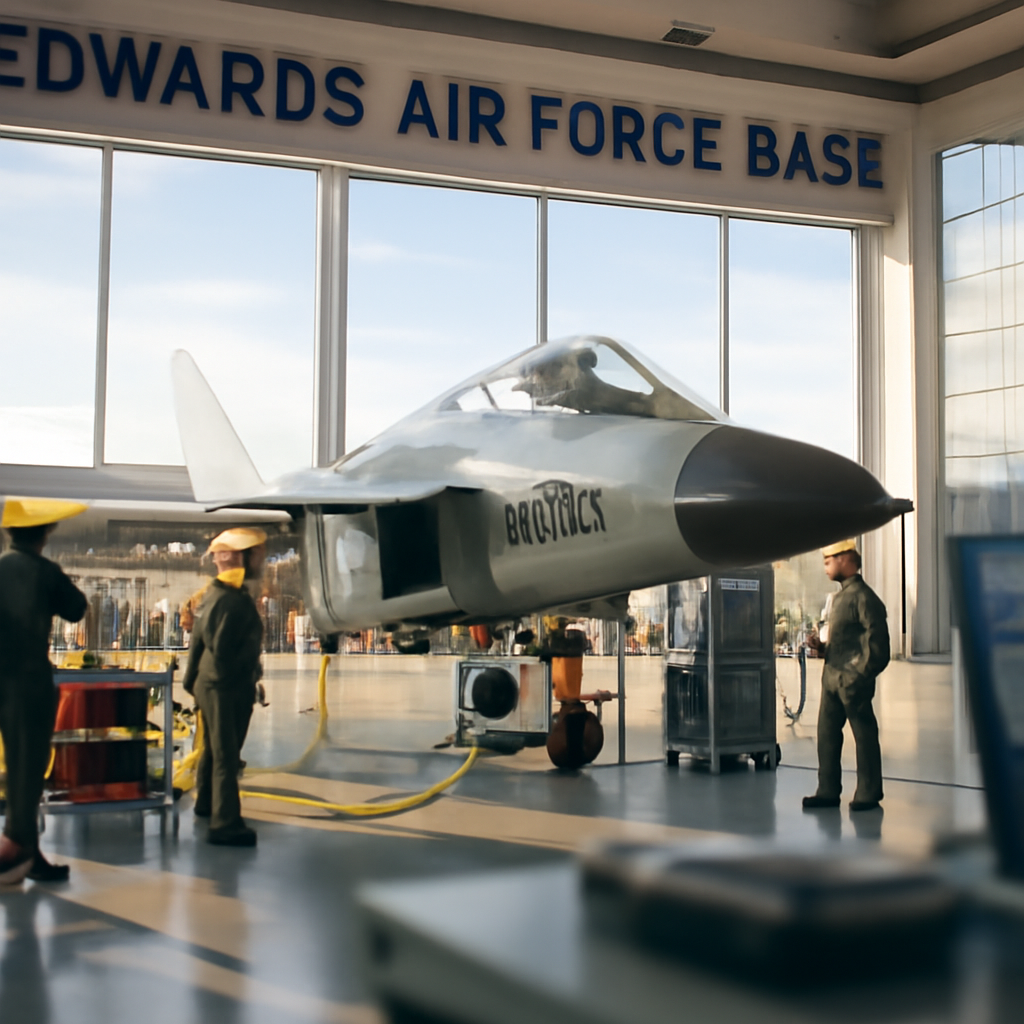
Air Force Accelerates F-47 Fighter Testing with Blended Digital and Live Tactics
The Air Force Test Center is revolutionizing F-47 fighter testing by blending digital and live tactics, bringing operational test partners into the planning process earlier to accelerate delivery of critical capabilities. This integrated approach is key to achieving the program's ambitious targets, including a first flight in 2028 and initial operational fielding in the early 2030s.
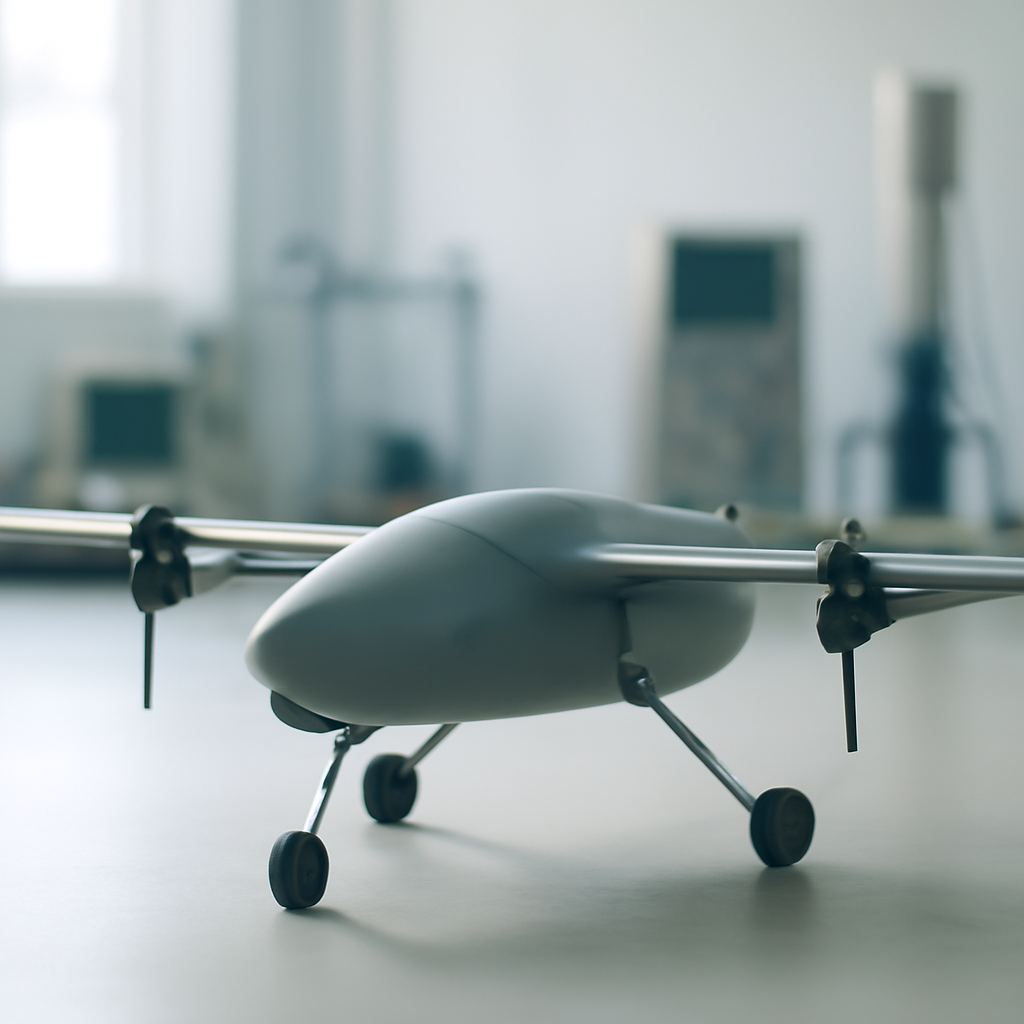
Air Force Taps Otto Aerospace in MQ-9 Reaper Successor Hunt
The US Air Force has set its sights on a groundbreaking goal: acquiring at least 500 Massed Modular Aircraft (MMA) drones by 2032, and surprisingly, innovative aircraft maker Otto Aerospace is right in the running. This ambitious target has attracted a diverse group of competitors, all vying for a spot in the next-generation drone fleet.

Air Force Achieves Pilot Goal, But Backlog Persists
The Air Force has finally hit its stride in producing 1,500 pilots per year, but it's only the first step in solving a stubborn shortage of over 2,000 aviators that's not easily solved overnight. Replacing the missing pilots won't be a quick fix, as many of those needed to fill the gap are currently in mid-career staff positions.

Air Force Wrestles with Trust in AI Decision-Making
The Air Force is embracing AI decision-making, with Secretary Troy Meink urging his team to lean into the technology, despite some understandable trepidation. By combining human judgment with AI speed, the service aims to unlock cost-effective combat power and make autonomy a key part of its future strategy.
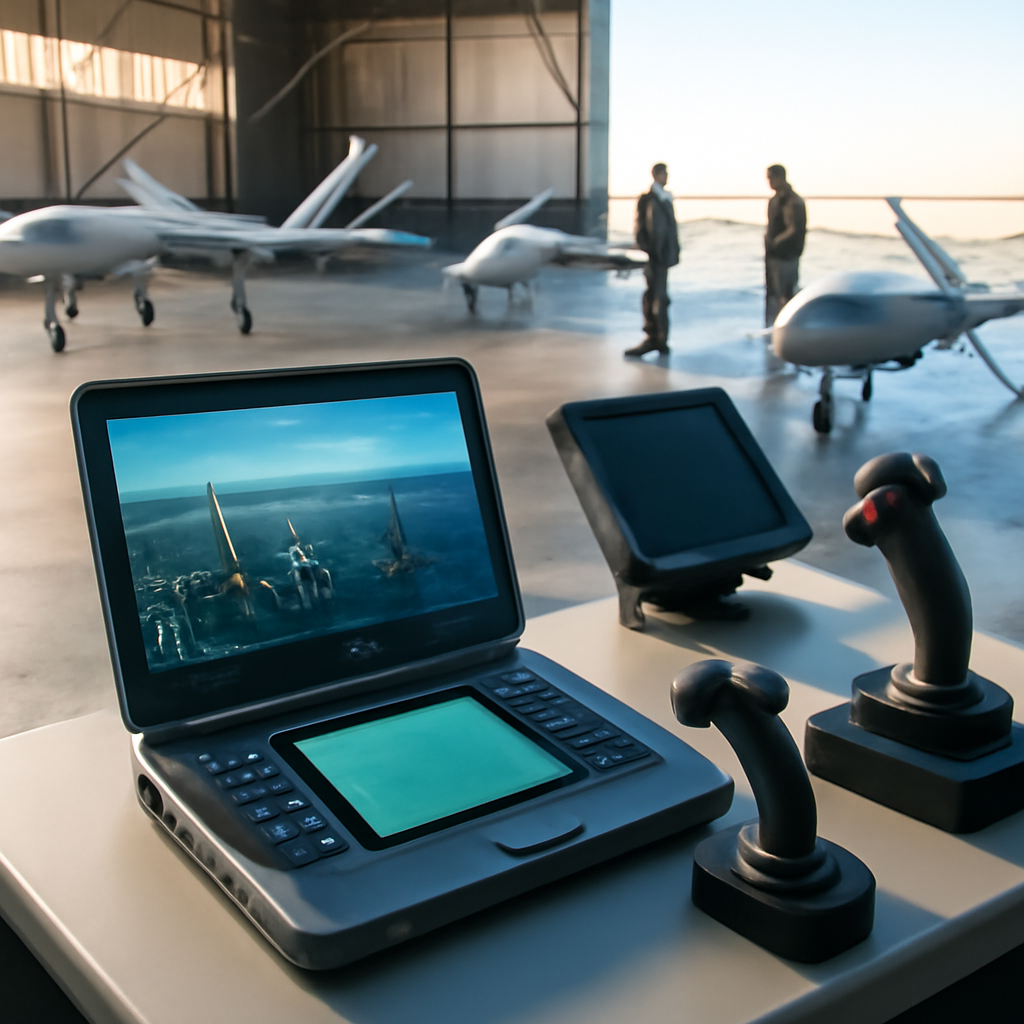
US Military Expands ISR Capabilities with Drones, Satellites, and Common Controls
Imagine being able to operate multiple aircraft with just a few mouse clicks and keyboard strokes - that's the future the US Military is working towards with its Massed Modular Aircraft initiative, aiming to rapidly expand its drone fleet to 500 by 2032. Lt. Gen. Christopher Niemi envisions a world where a single operator can seamlessly fly various aircraft designs with a common interface.

Air Force Pursues Rapid Tech Integration Amid Safety Focus
The Air Force is speeding up tech integration while prioritizing safety, with a focus on balancing urgency with caution to avoid unnecessary risks. Brig. Gen. Mark Massaro emphasizes that safety always comes first, especially given the potentially hazardous nature of their work.

Air Force Explores Autonomous Tanker Options
The Air Force is rethinking its next-generation tanker strategy, with Lt. Gen. Daniel Tulley suggesting that a future air-refueling solution doesn't necessarily need to be manned. This opens the door to exploring autonomous tanker options that prioritize connectivity and self-defense.
Industrial Base Accelerates to Meet Air Force, Space Force Demands
The Air Force and Space Force are turning to the industrial base to turbocharge their capabilities, and the message is clear: they need more, and they need it fast. Ursa Major CEO Chris Spagnoletti shares his insights on the demands military leaders are placing on the industrial base.
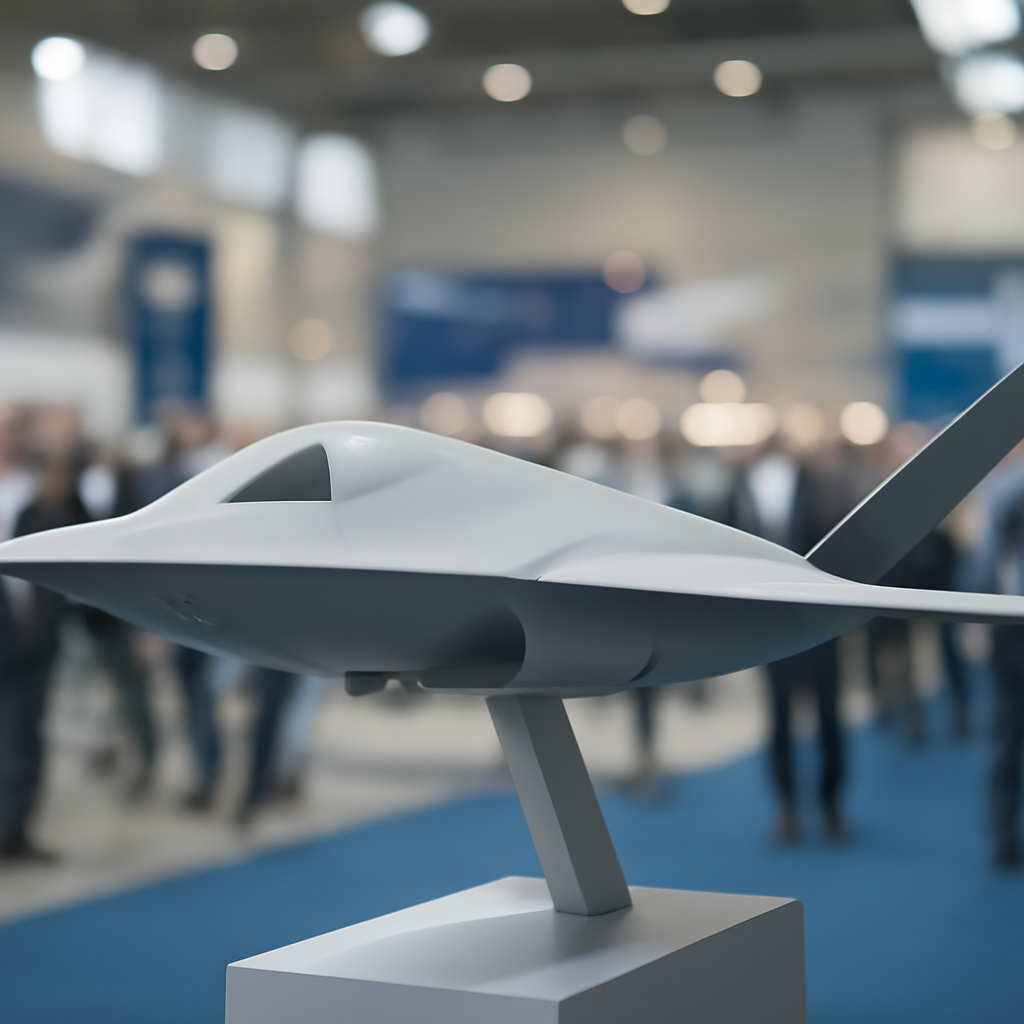
General Atomics Accelerates FQ-42 Vengeance Drone Development
General Atomics is turbocharging development of its FQ-42 Vengeance drone, a key player in the USAF's Collaborative Combat Aircraft program, which aims to revolutionize the future of air combat. The company is making significant strides alongside its Wildfire design, geared towards the Massed Modular Aircraft program.

US Deploys On-Orbit Space Control Weapons
The US has officially deployed space control weapons into orbit, designed to shield the joint force from hostile attacks, as confirmed by Secretary of the Air Force Troy Meink at a major conference. Meink remained tight-lipped about specifics, but emphasized the systems are now operational and ready to defend against adversary action.
Air Force Accelerates Drone Replacement Amid Steep Reaper Losses
The Air Force is fast-tracking the replacement of its MQ-9 Reaper drones due to an alarming rate of losses in recent combat operations against Iran, with at least 45 Reapers destroyed since February. This steep attrition has dramatically changed the military's plans for its remotely piloted aircraft fleet.
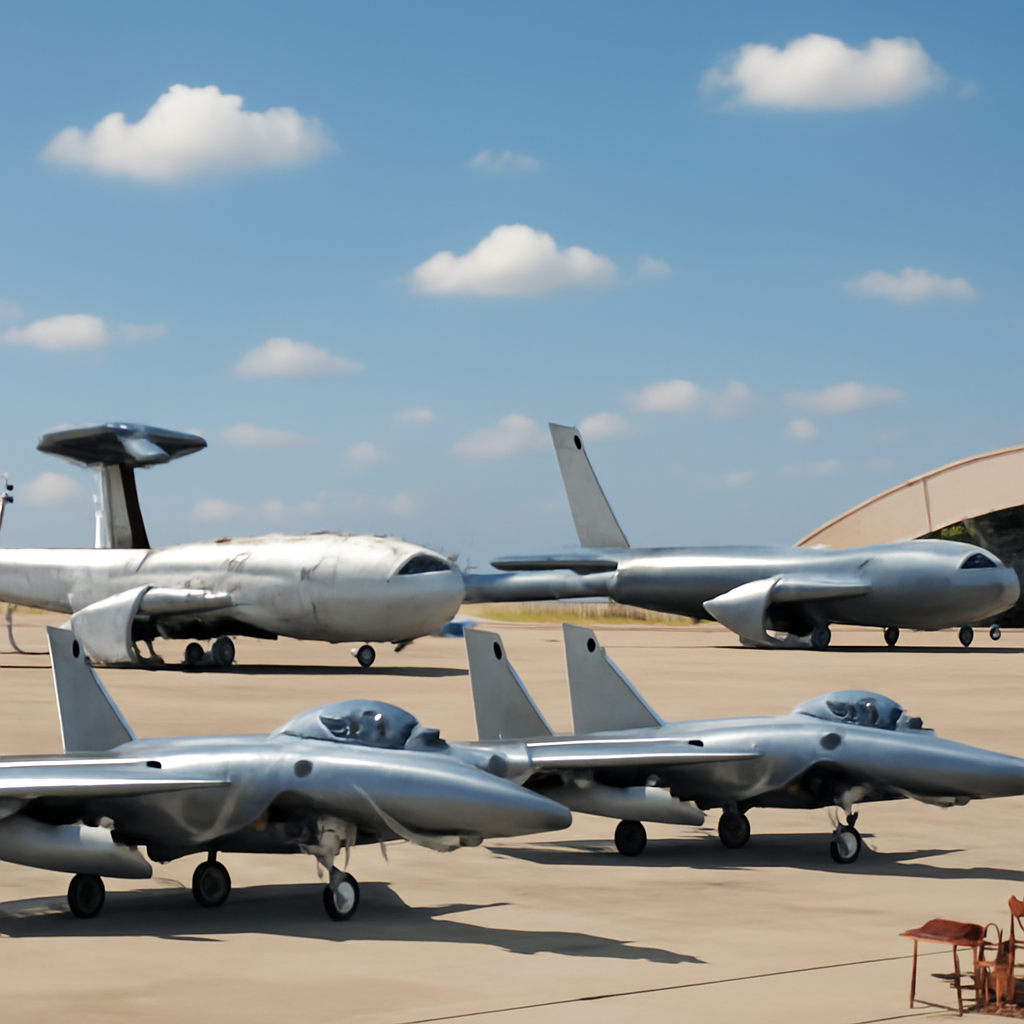
US Air Force Wrestles with HVAA Protection Paradox
The US Air Force faces a daunting dilemma: with a planned fleet of 187 F-35s, it may be outnumbered by China's 300+ J-20s in a long-range aerial battle, unless it rethinks how to safeguard its high-value airborne assets.
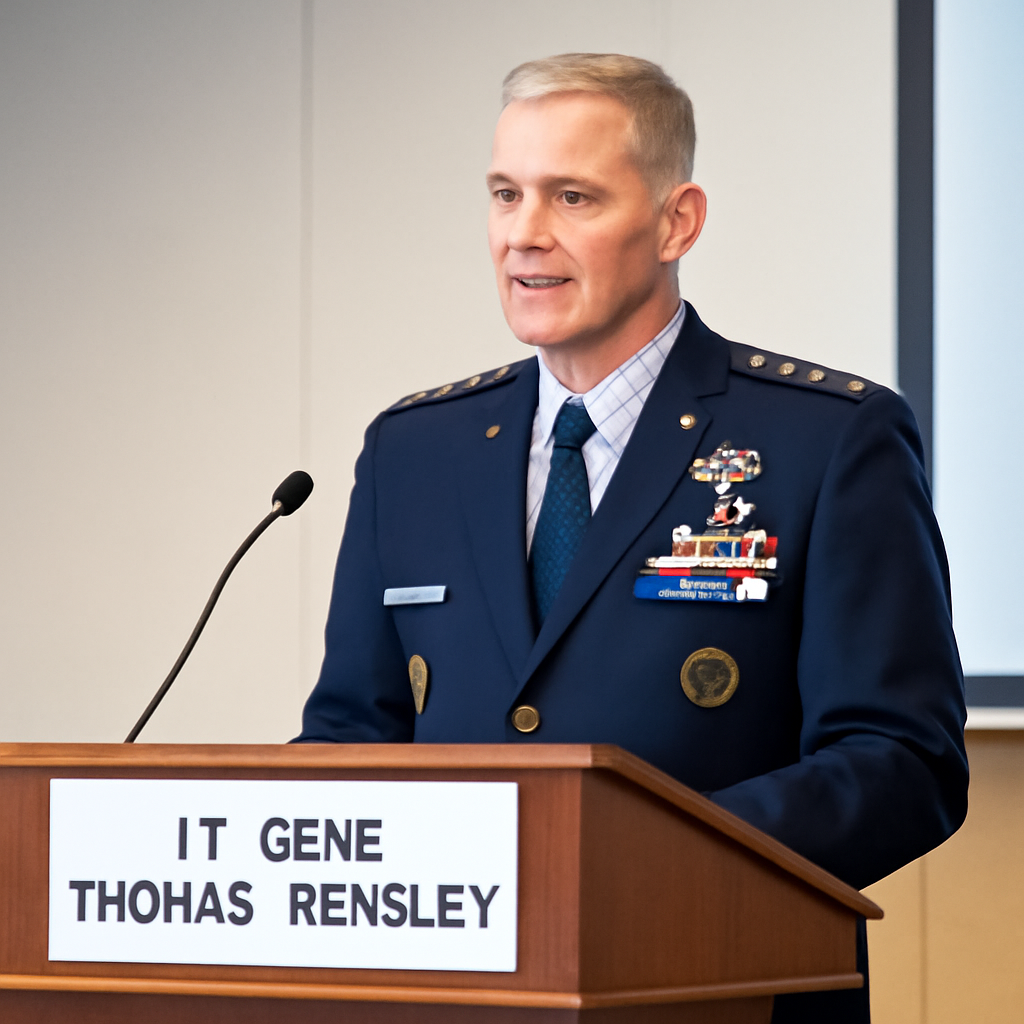
Air Force Cyber Fortifies Defenses Against AI-Driven Attacks
The Air Force's cyber arm is gearing up to counter a new wave of sophisticated threats: autonomous AI-driven attacks that can adapt and evolve at unprecedented speeds. Lt. Gen. Thomas Hensley warns that these cutting-edge threats are already a reality, demanding a major upgrade to the Air Force's defensive strategies.
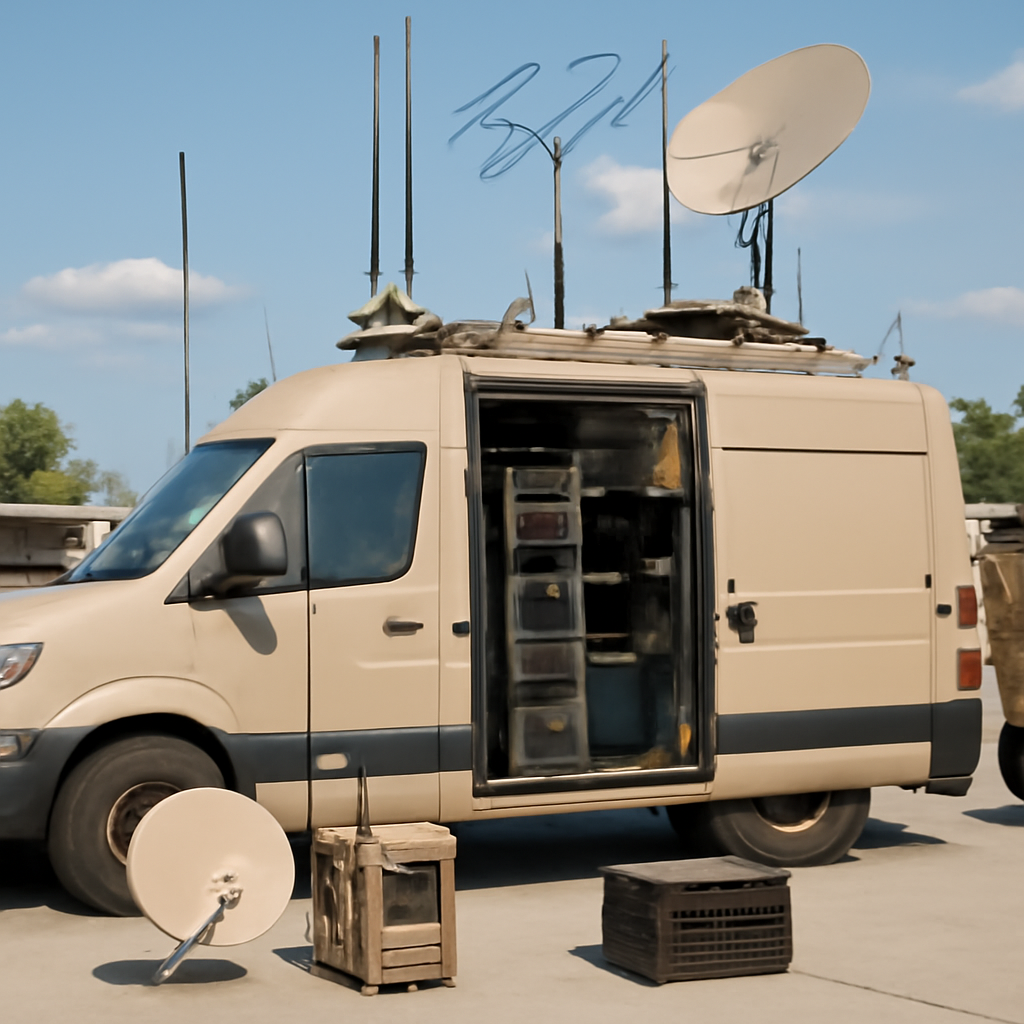
Air Force Overhauls Command and Control Comms After Epic Fury Lessons
The Air Force is revolutionizing its command and control communications, ditching its old model of bulky, 10-pallet comms packages that required 40-person teams to deploy, and embracing a leaner, more agile approach. Brig. Gen. Jeffrey Phillips, deputy chief of staff for warfighter communications and cyber systems, is spearheading the change.
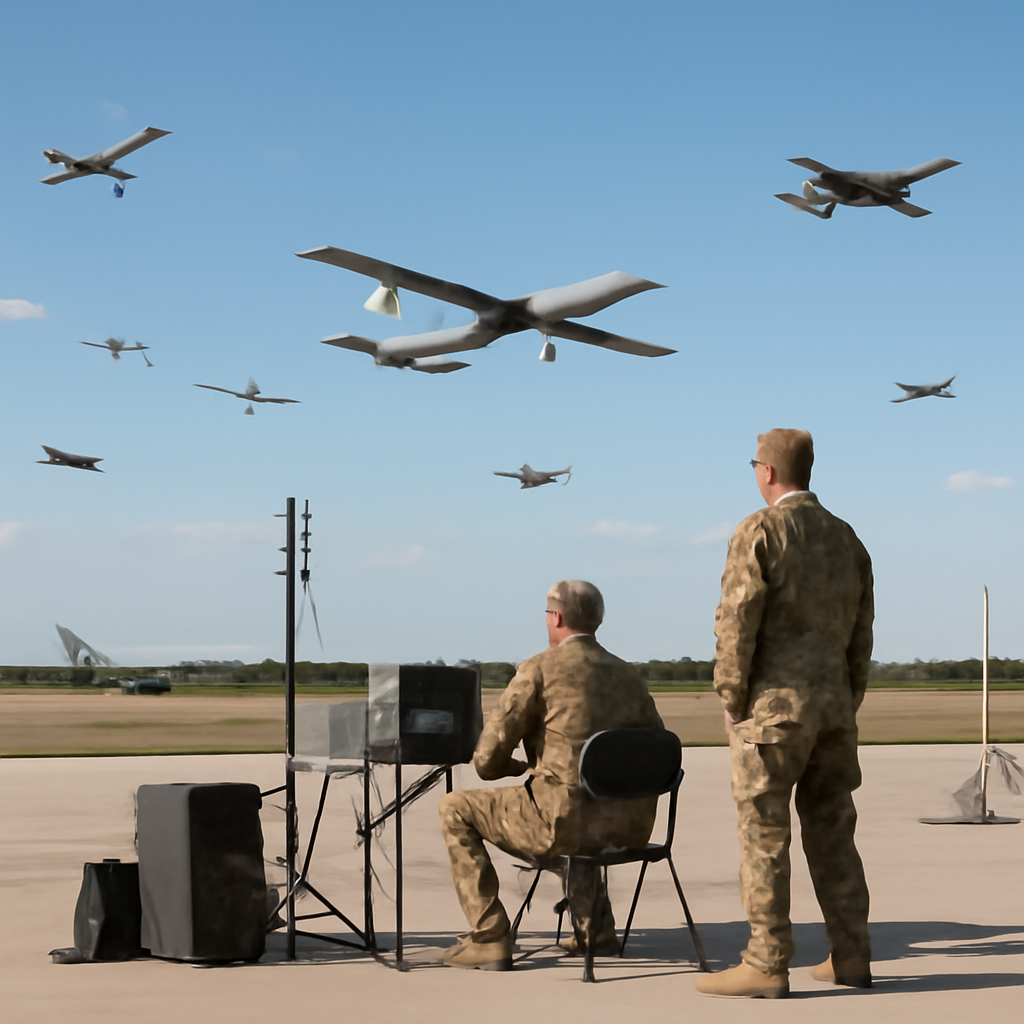
Air Force Seeks Expendable Drones to Mimic Diverse Airborne Threats
The US Air Force is on the hunt for affordable, expendable drones that can replicate a wide range of airborne threats, from tiny hobby drones to advanced fighter jets. These drones would need to mimic various aircraft characteristics, including speed, size, and radar signatures, while being simple and inexpensive enough to produce in large quantities.
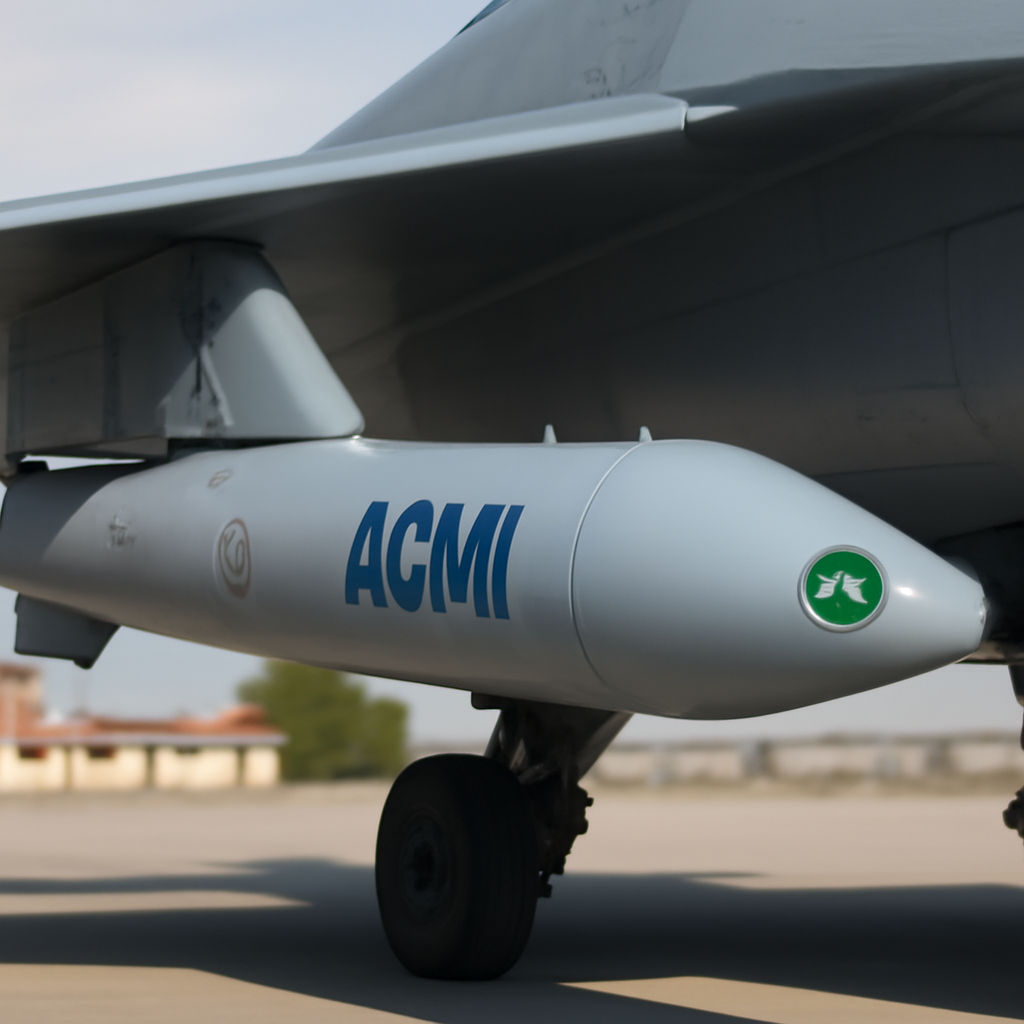
China's PLAAF Exposes Air Combat Training Tech
Air combat training gets a major boost when it's backed by hard data - and that's exactly what Air Combat Maneuvering Instrumentation (ACMI) pods provide, turning aerial sparring into measurable, repeatable results. With ACMI, air forces can track every move, missile shot, and gun envelope, making training more credible and effective.
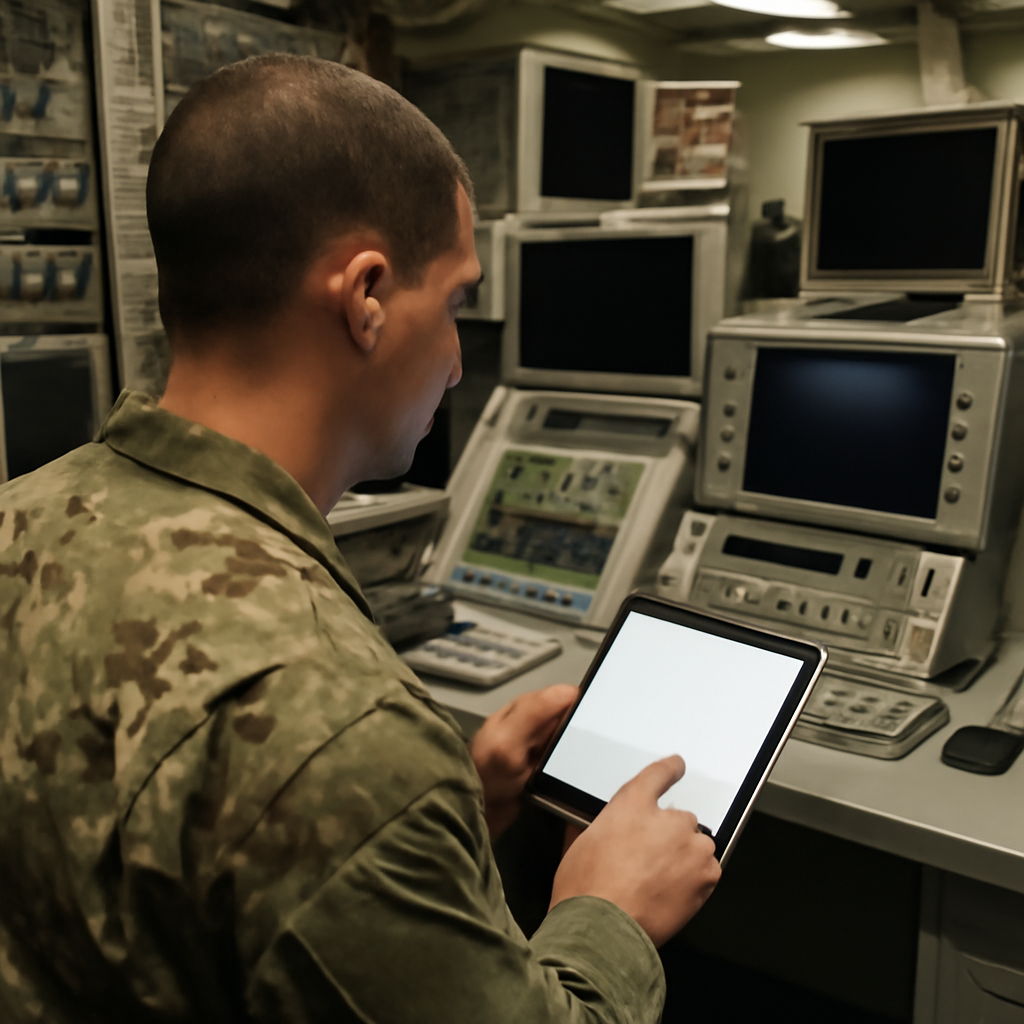
Air Force Seeks AI to Streamline Minuteman III Missile Fleet Data
The Air Force is on a mission to modernize its Minuteman III missile fleet by harnessing the power of artificial intelligence to unify the vast amounts of data scattered across 60 disparate systems. By streamlining this data, the Air Force aims to gain centralized control and improve the efficiency of its aging intercontinental ballistic missile fleet.
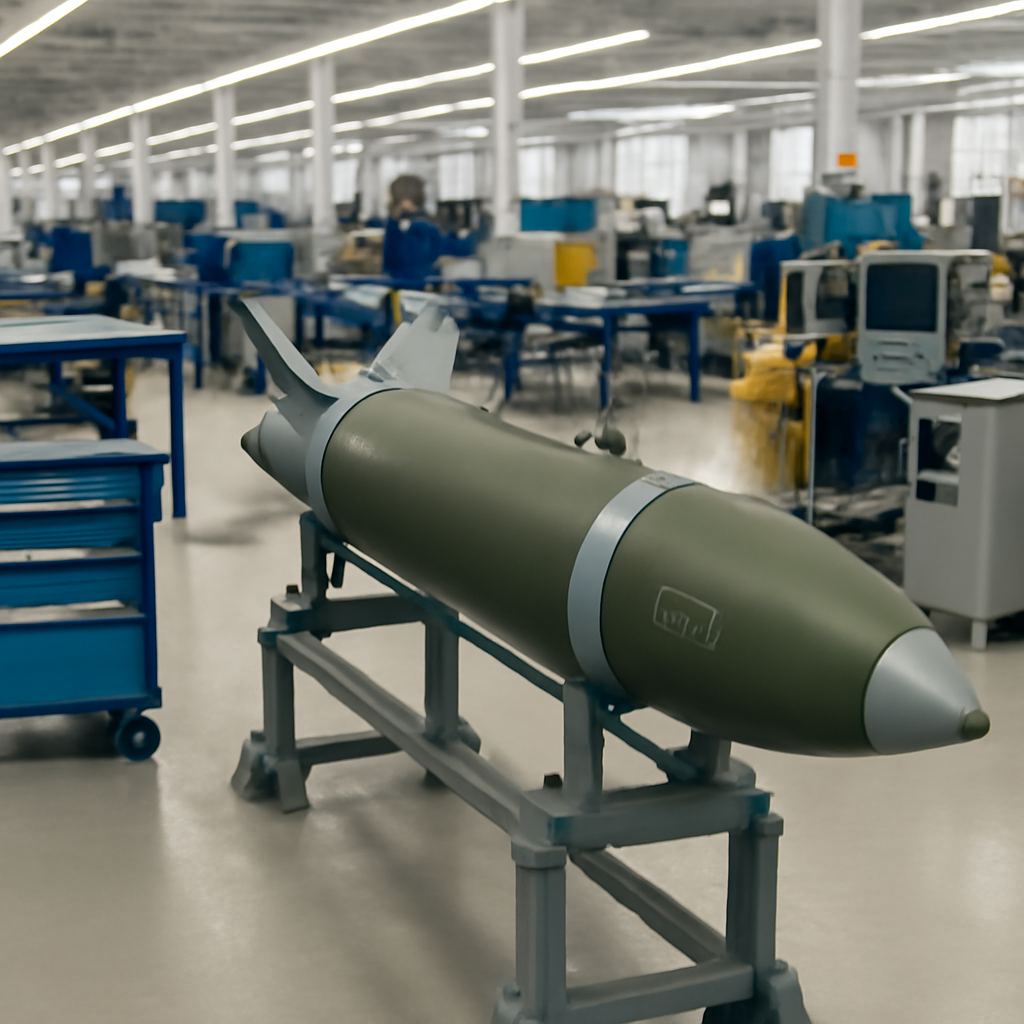
Air Force Clears Production of Long-Range JDAM Munition
The Air Force has given the green light for production of the turbojet-boosted Joint Direct Attack Munition, paving the way for a $75 million deal with Boeing that brings long-range precision-strike capability at a lower cost. This milestone marks a major step forward for the JDAM Long Range program, with the Navy set to receive the first kits.

Forum Vigilance Bolsters Online Security Discussions
Meet 2nd Lt. Garret Burgess, a nuclear and missile operations officer who's on high alert 24/7, as captured in a gripping photo inside a launch control center at Malmstrom Air Force Base. He stands guard behind a blast door that safeguards access to the underground control center.

Air Force Faces Engine Dilemma for F-47 Fighter
The Air Force is caught in a timing squeeze with its F-47 fighter engine plans, as it works to build its current system while preparing for future integration activities. With the Next-Generation Air Power (NGAP) program's prototype phase slated to run through 2031, the service is racing against the clock.
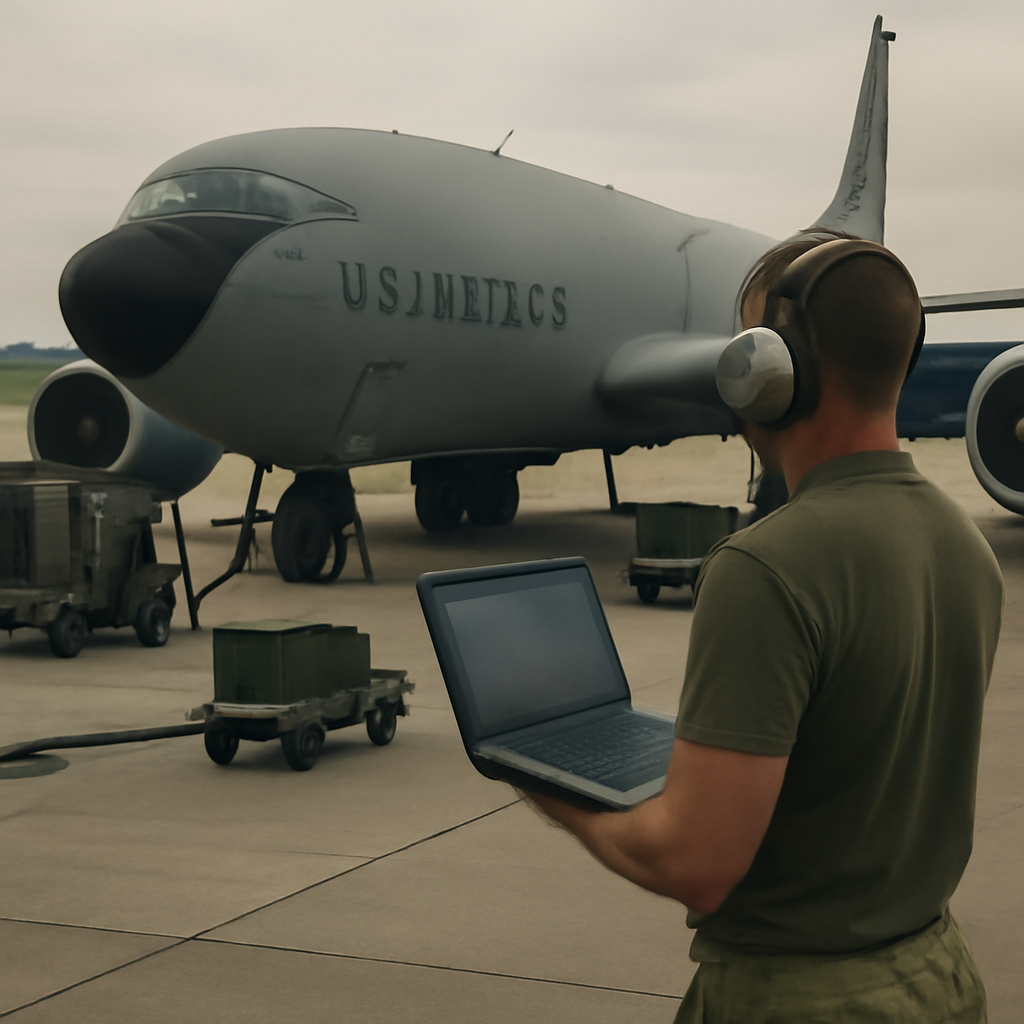
Air Force Accelerates KC-135 Connectivity Upgrades Amid Iran War
The Air Force has fast-tracked connectivity upgrades for its KC-135 fleet following a deadly tanker crash during Operation Epic Fury, a move driven by urgent safety and operational concerns. This acceleration comes after a tragic incident in March that claimed the lives of six airmen and raised critical questions about the aircraft's battlespace awareness and secure communications.

Air Force Narrows Drone Wingman Vendors
The Air Force is pushing forward with its Collaborative Combat Aircraft development, planning to narrow down its pool of vendors from nine to as many as six next year. Over the next 10 months, the service will refine its concept and ultimately receive up to six closed conceptual designs.
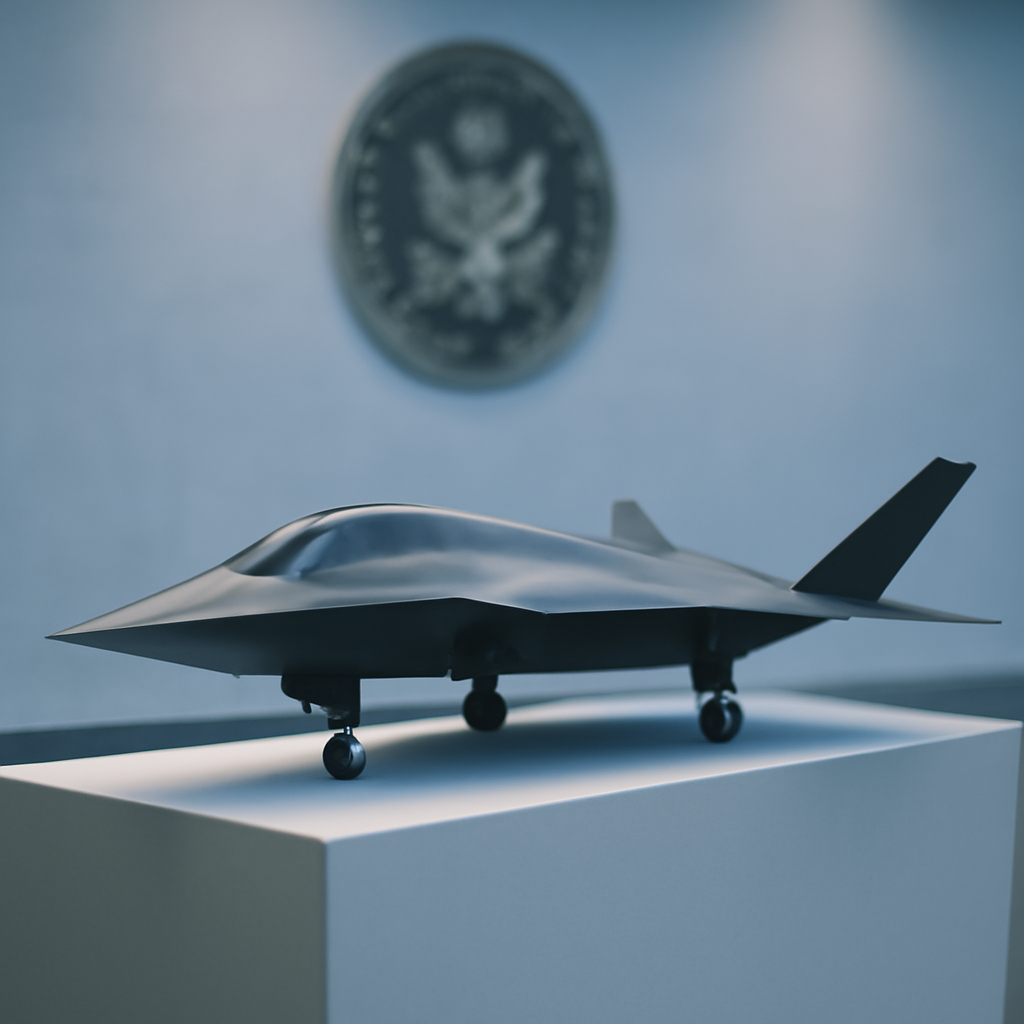
Air Force Advances Robot-Wingman Effort with Six Potential Designs
The Air Force is pushing forward with its robot-wingman initiative, narrowing down to six potential designs that could soon move into prototyping. Col. Timothy Helfridge says the next phase, expected to wrap up by mid-2027, will yield several promising conceptual designs.